VI.12.2 Pompeii. Casa del Fauno
or House of the Faun.
Linked to VI.12.1, VI.12.3,
VI.12.5, VI.12.7 and VI.12.8.
Part 4 Part 5
Part 6 Part 7 Part 8
Part 9 Part 10 Part 11
Part 12 Part 1 Part 2
Part 3 Plan
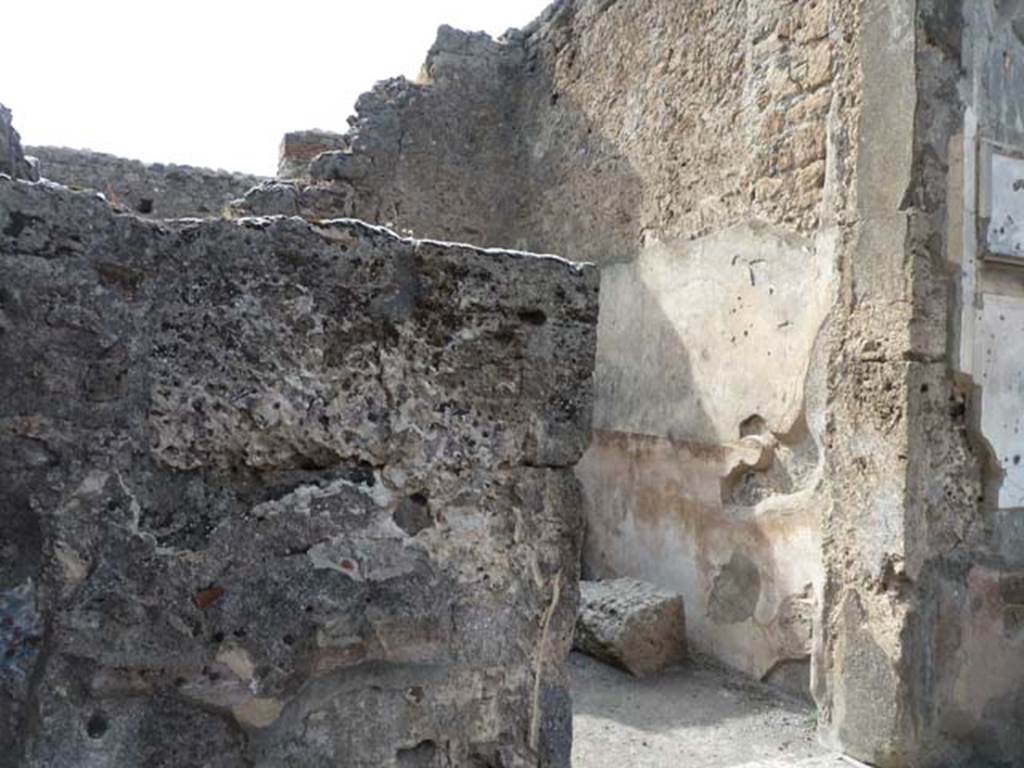
VI.12.2 Pompeii. September 2015. Doorway to room 5 in south-west corner of atrium.
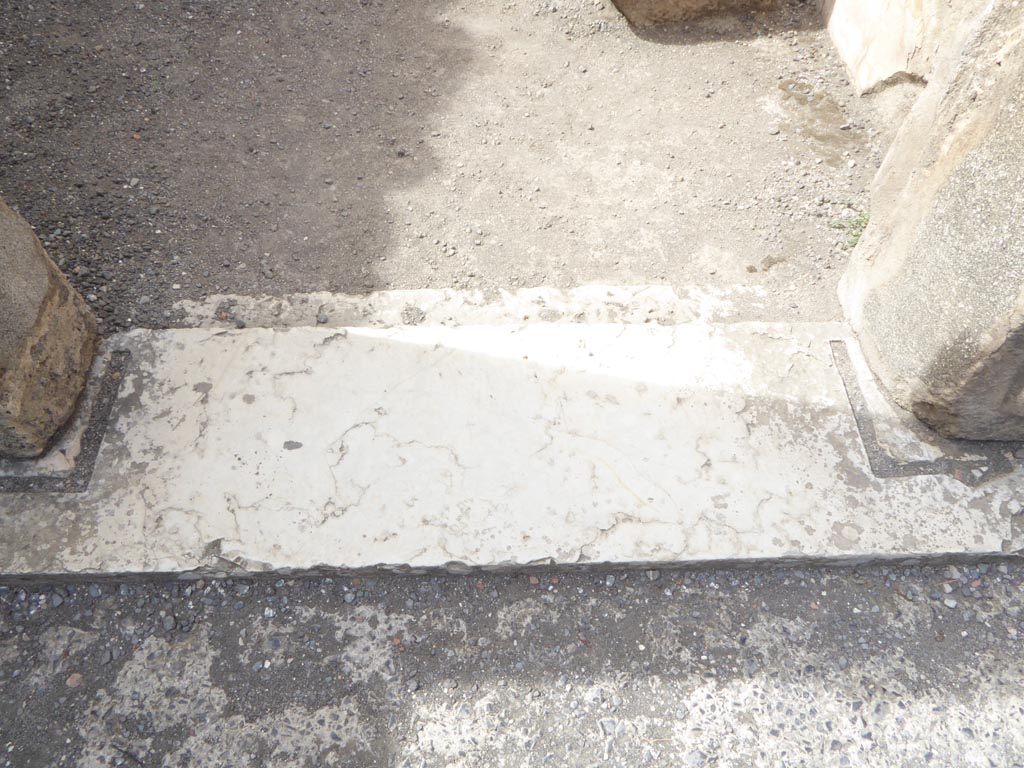
VI.12.2 Pompeii. September 2015. Room 5, doorway threshold in south-west corner of atrium.
Foto
Annette Haug, ERC Grant 681269 DÉCOR.
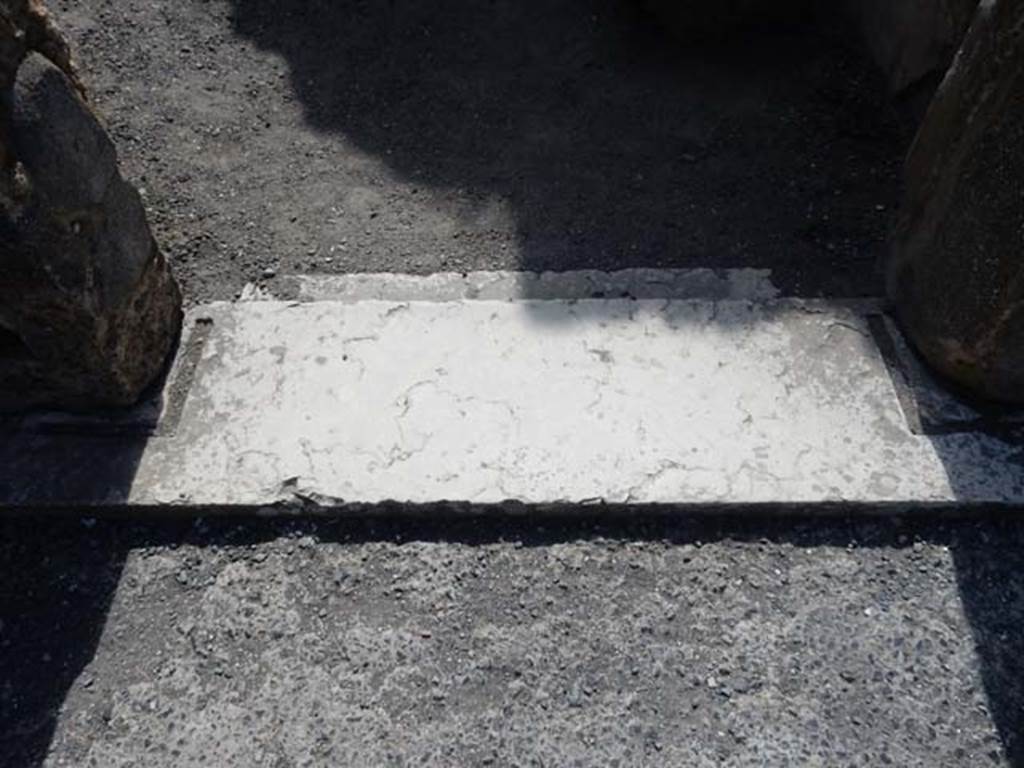
VI.12.2 Pompeii. September 2015. Doorway threshold to room 5 in south-west corner of atrium. Photo courtesy of Buzz Ferebee.
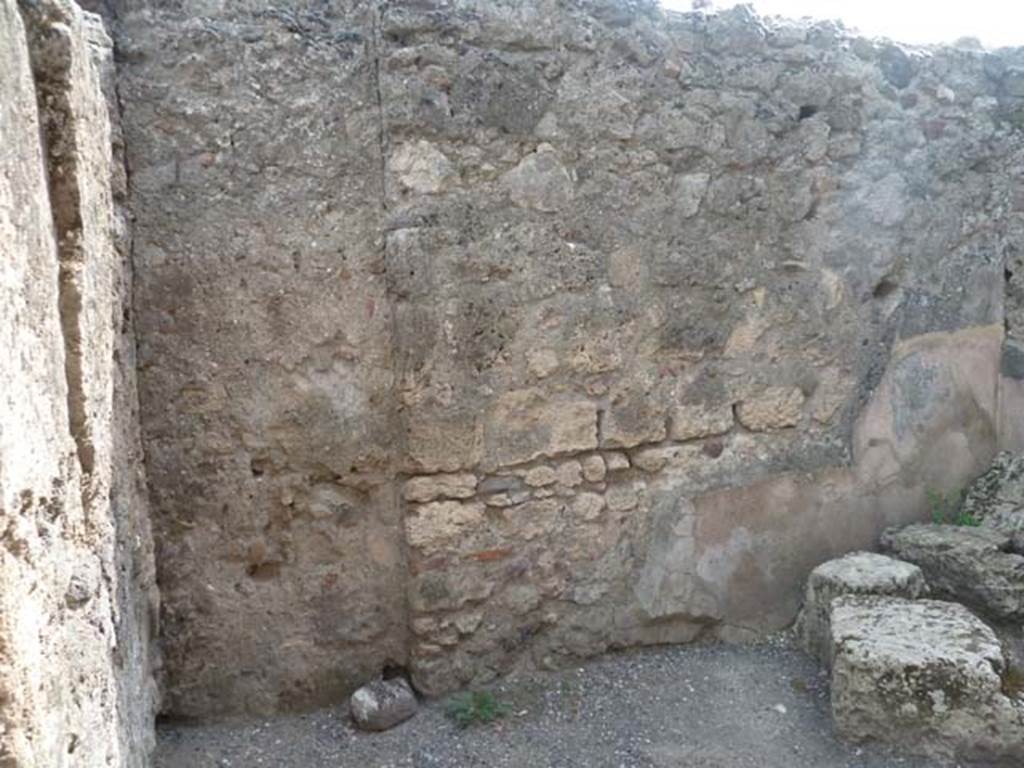
VI.12.2 Pompeii. September 2015. South wall of room 5 in south-west corner of atrium.
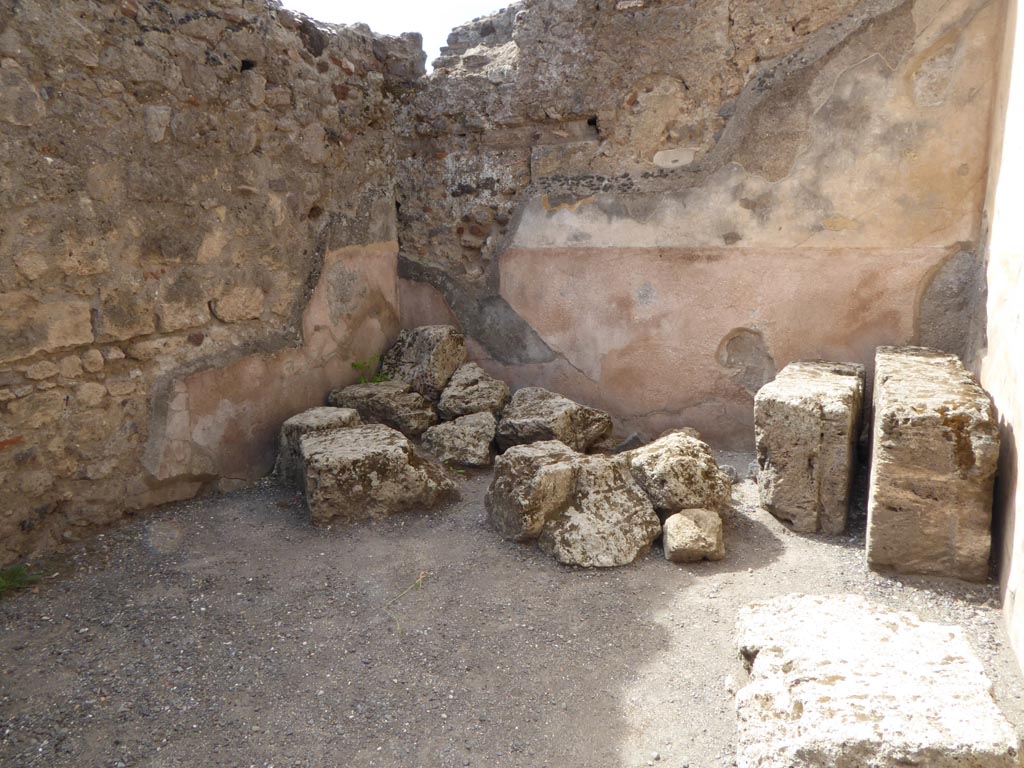
VI.12.2 Pompeii. September 2015. Room 5, looking towards west wall.
Foto
Annette Haug, ERC Grant 681269 DÉCOR.
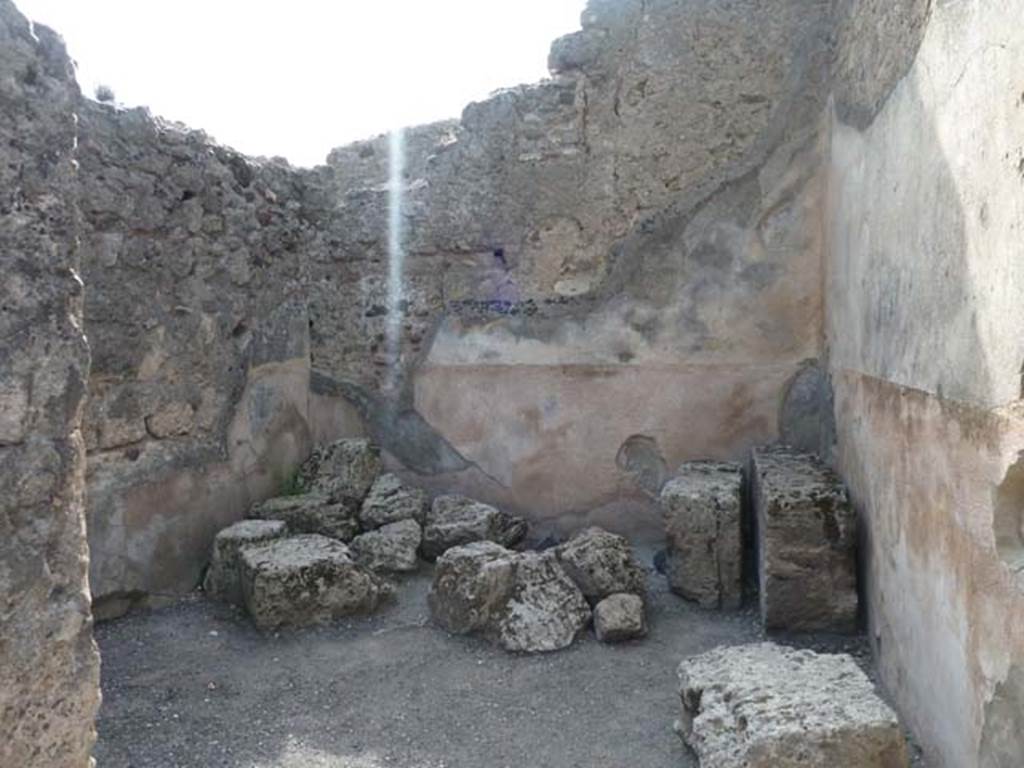
VI.12.2 Pompeii. September 2015. West wall of room 5 in south-west corner of atrium.
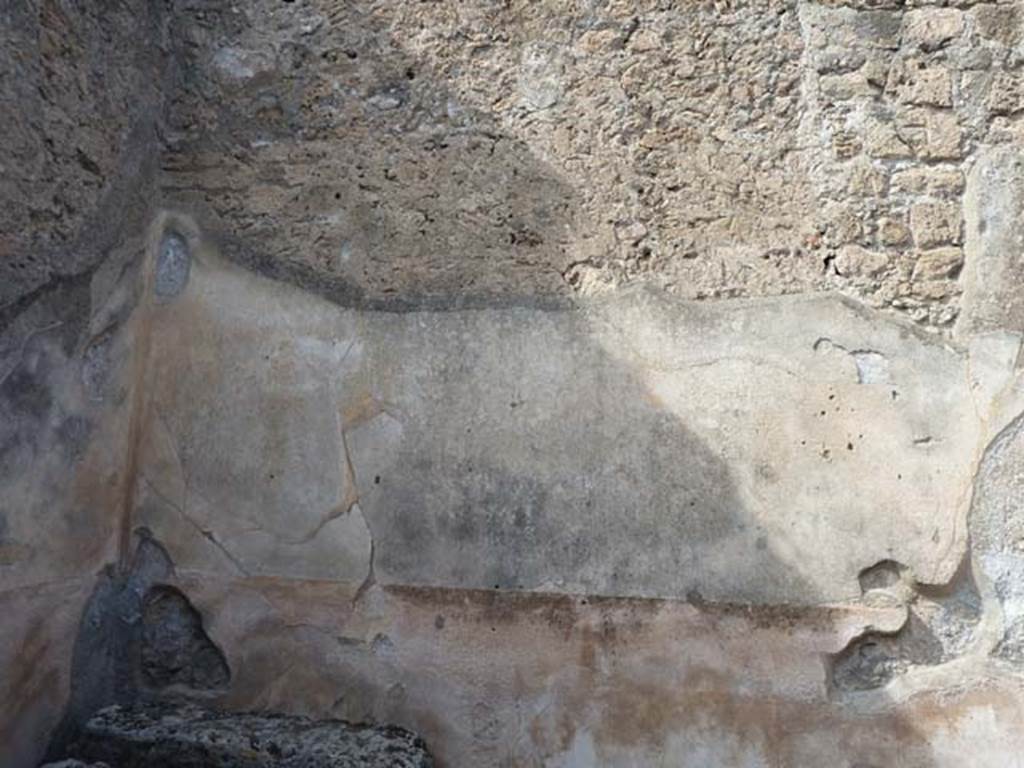
VI.12.2 Pompeii. September 2015. North wall of room 5 in south-west corner of atrium.
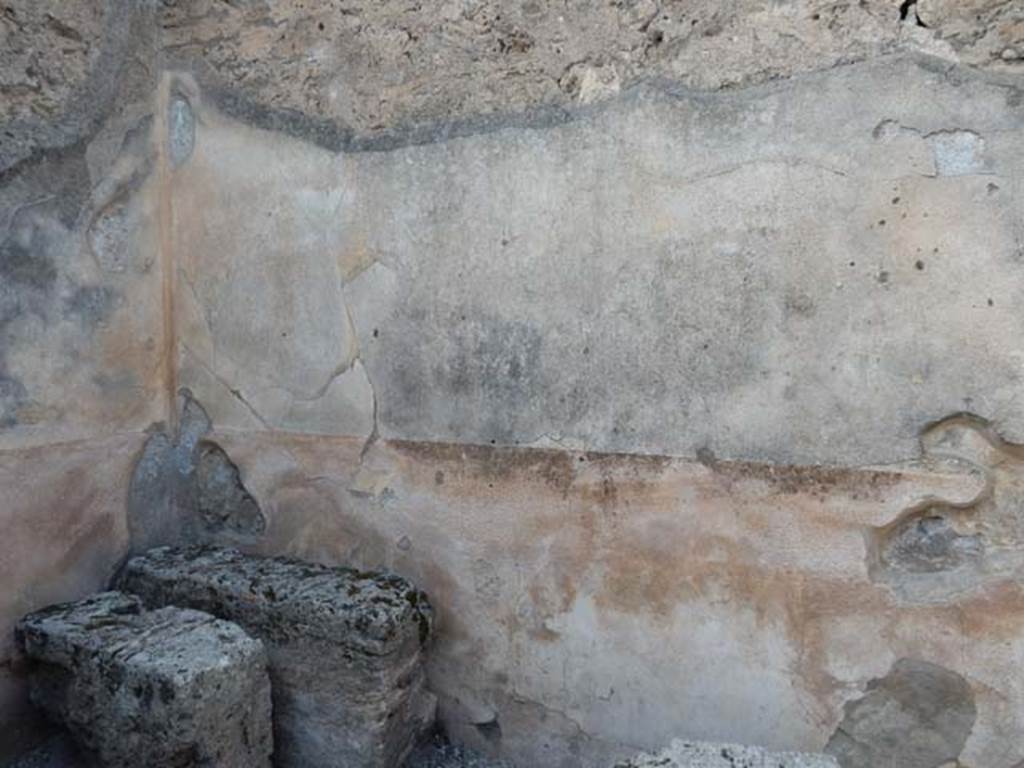
VI.12.2 Pompeii. May 2015. North wall of room 5 in south-west corner of atrium. Photo courtesy of Buzz Ferebee.
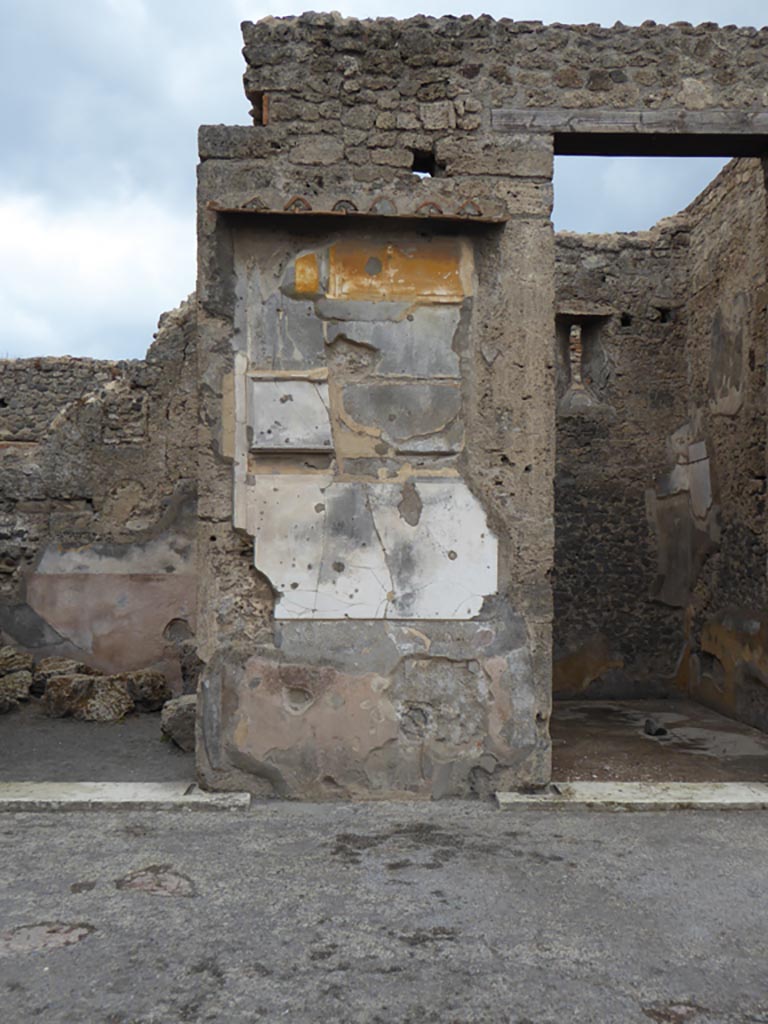
VI.12.2 Pompeii. September 2017.
Detail of atrium wall on pilaster between rooms in south-west corner of Tuscan atrium.
Foto Annette Haug, ERC Grant 681269
DÉCOR.
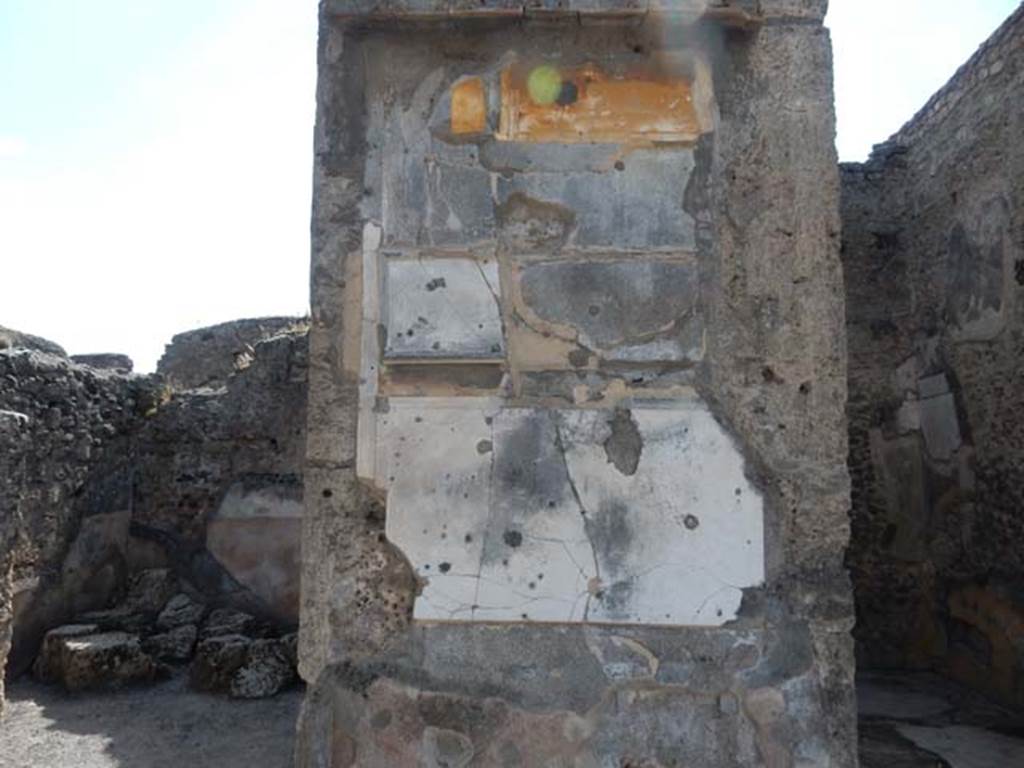
VI.12.2 Pompeii. May 2015.
Detail of upper atrium wall on pilaster between rooms in south-west corner of Tuscan atrium. Photo courtesy of Buzz Ferebee.
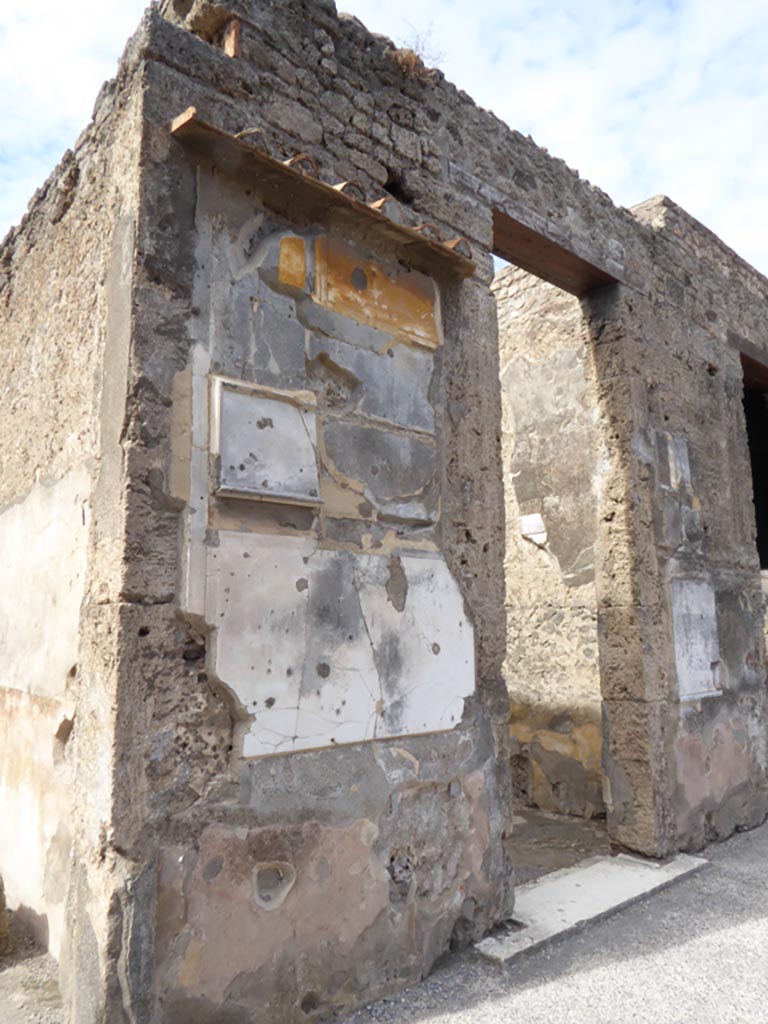
VI.12.2 Pompeii. September 2015.
Doorway to room 5 on left, with pilaster of west wall of atrium towards room 31, centre right.
Foto Annette Haug, ERC Grant 681269
DÉCOR.
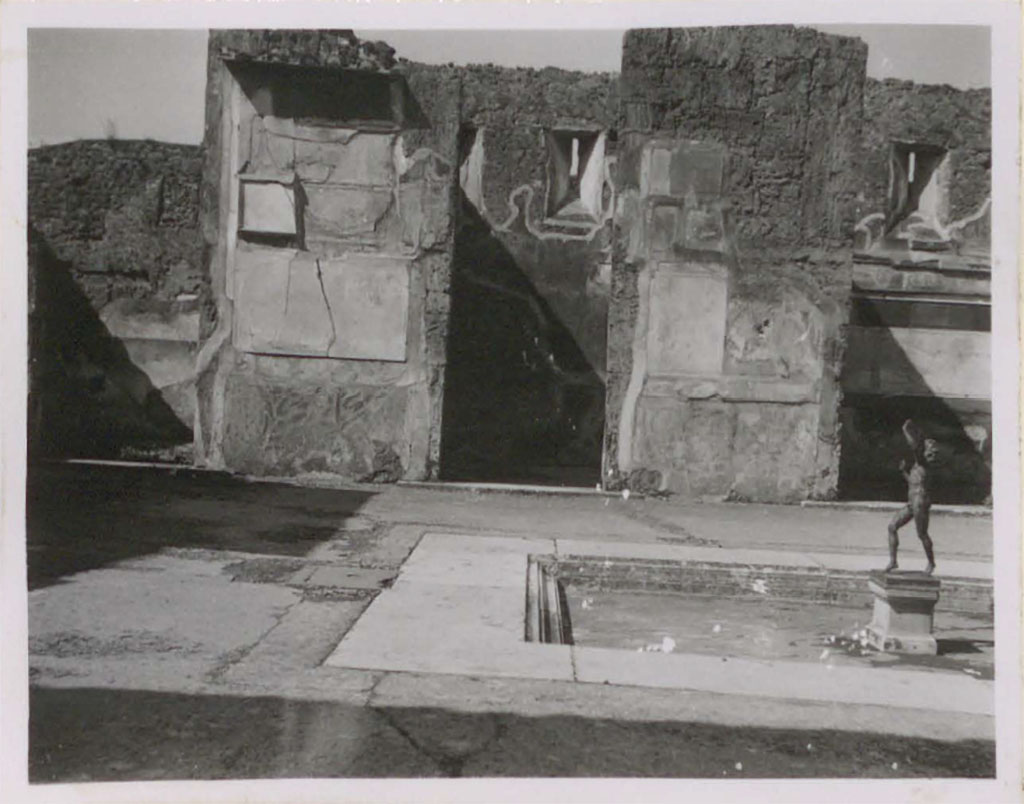
VI.12.2 Pompeii. Pre-1943. Looking across Tuscan atrium towards three doorways on west side of atrium.
The room 5 in south-west corner is on the left. The second room 31 is in the centre.
See Warscher, T. (1946). Casa del Fauno, Swedish Institute, Rome. (p.16, n.18).
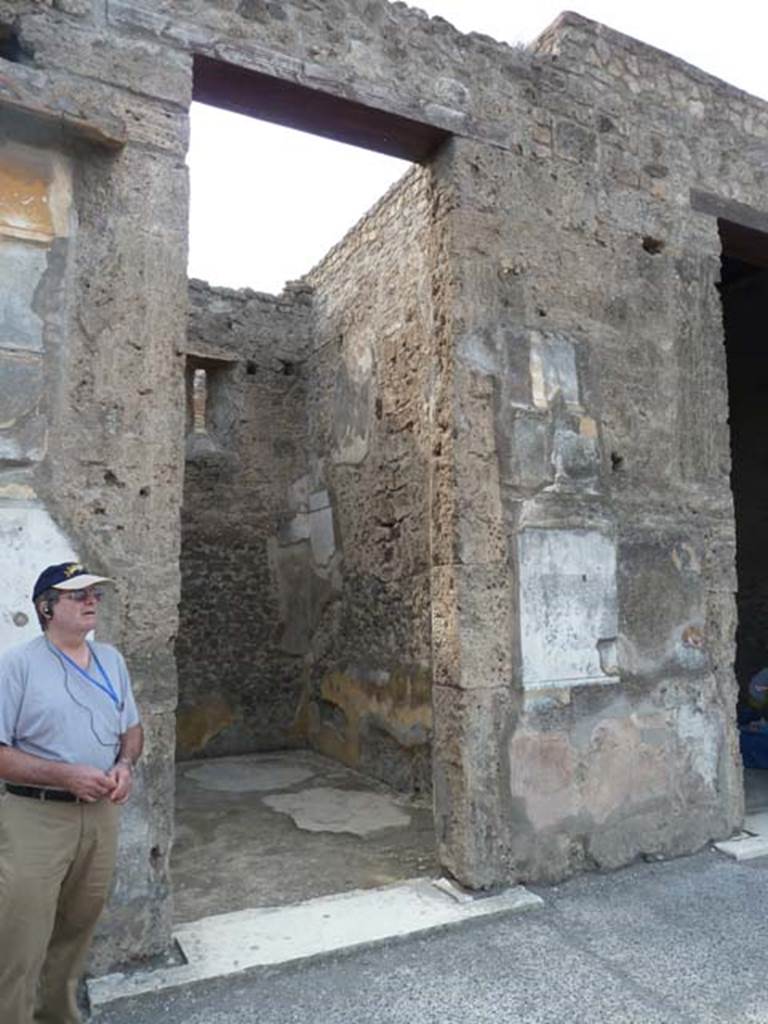
VI.12.2 Pompeii. September 2015. Doorway to second room 31 on west side of atrium.
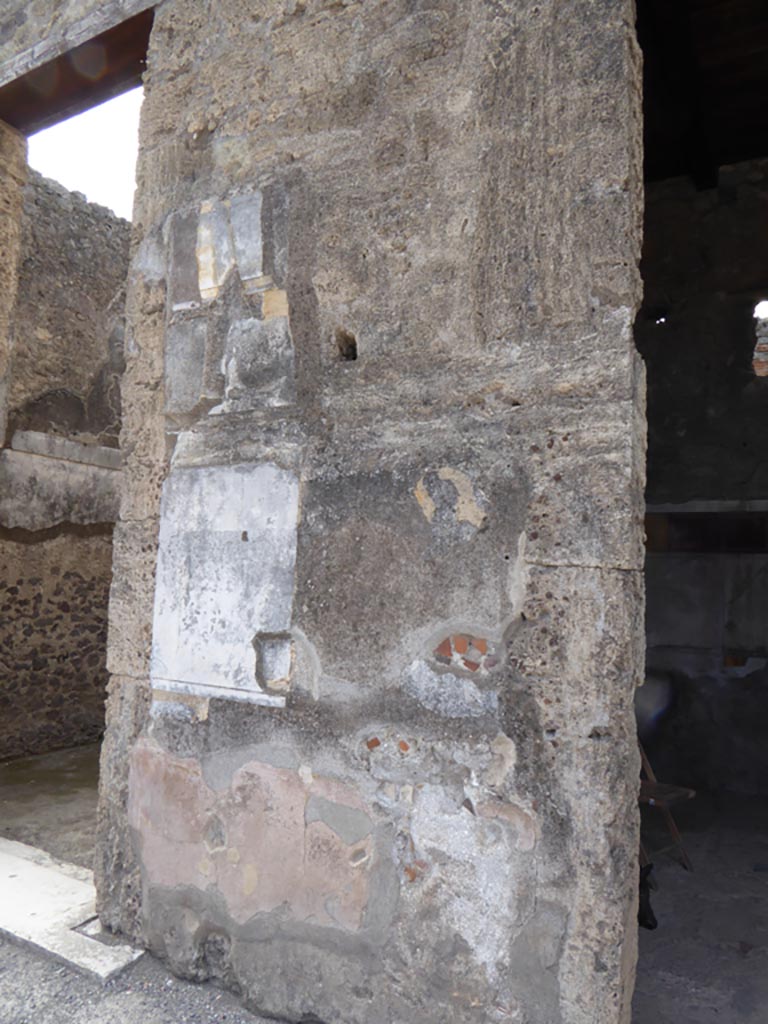
VI.12.2 Pompeii. September 2015. Pilaster on west side of atrium, between rooms 31 on left, and 32 on right
Foto
Annette Haug, ERC Grant 681269 DÉCOR.
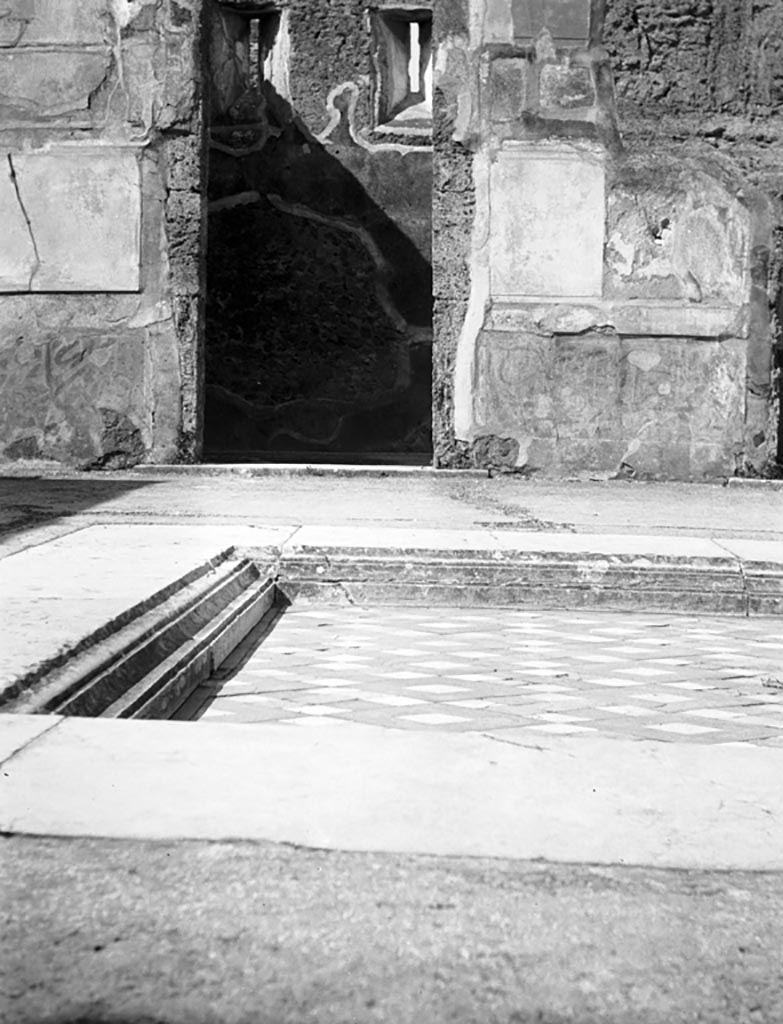
VI.12.2 Pompeii. W.1122.
Looking west across impluvium in atrium towards cubiculum 31 in second doorway on the left.
Photo by Tatiana
Warscher. Photo © Deutsches Archäologisches Institut, Abteilung Rom, Arkiv.
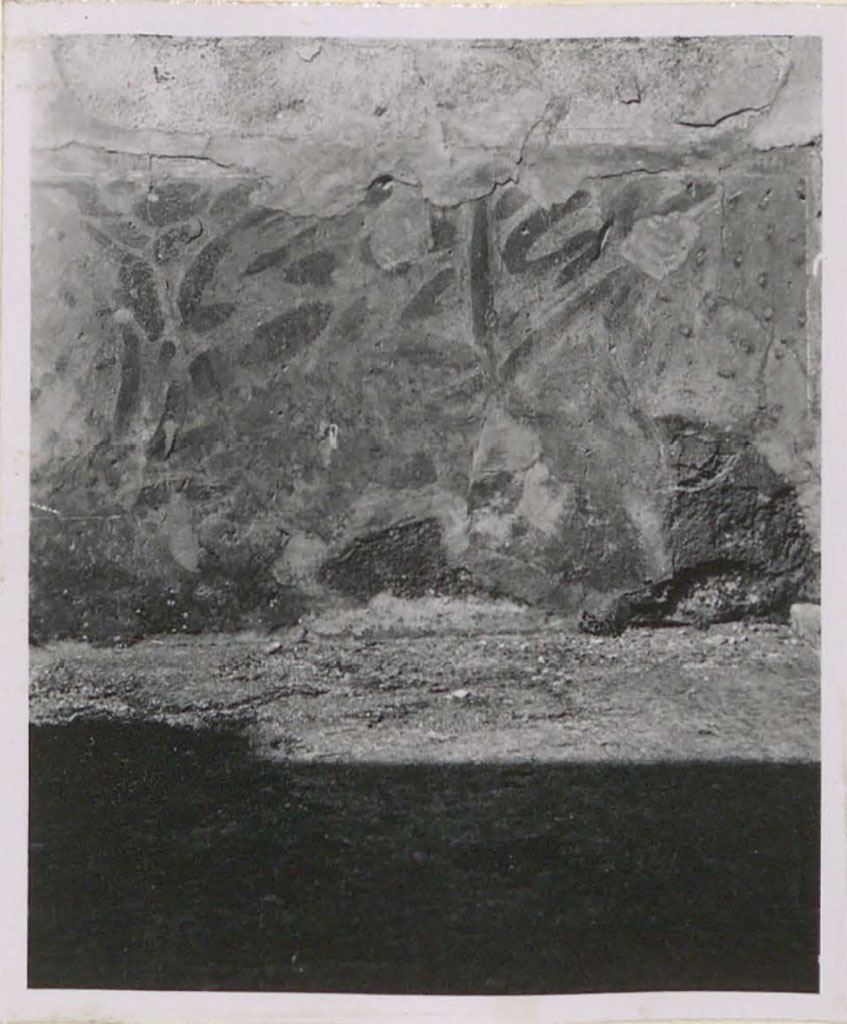
VI.12.2 Pompeii.Pre-1943.
Zoccolo on west side of Tuscan atrium, on pilaster between first and second doorways.
According to Warscher, this was painted to give the impression of imitating marble.
See Warscher, T. (1946). Casa del Fauno, Swedish Institute, Rome. (p.17, n.19).
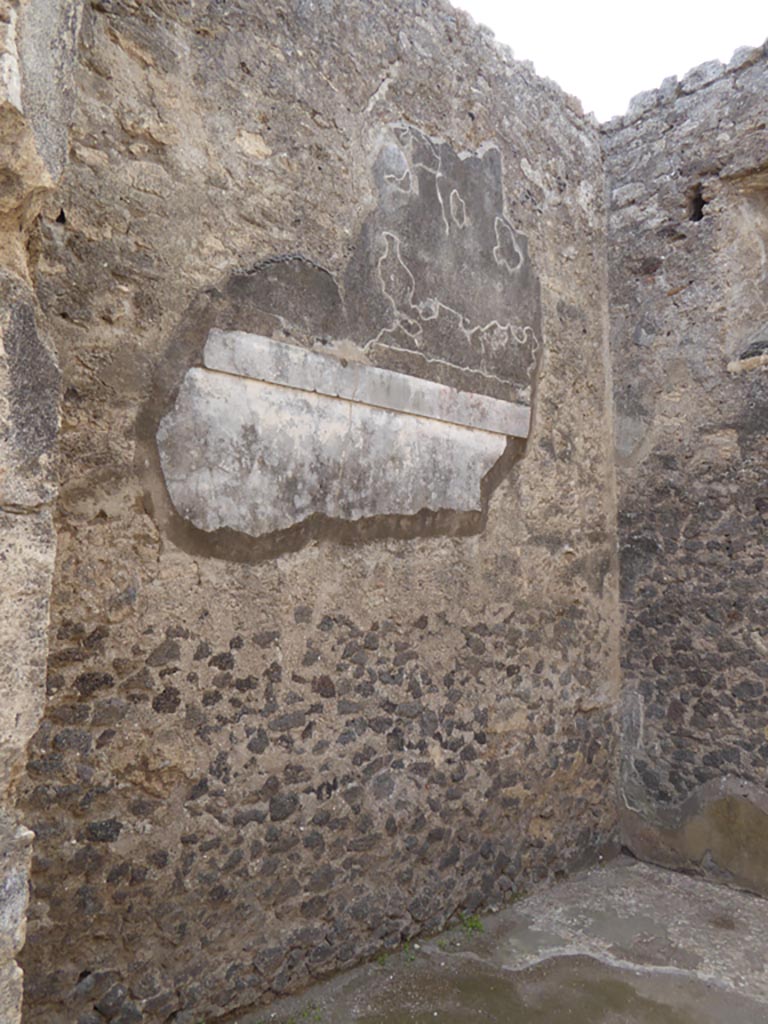
VI.12.2 Pompeii. September 2015. Room 31, looking towards south wall from doorway.
Foto
Annette Haug, ERC Grant 681269 DÉCOR.
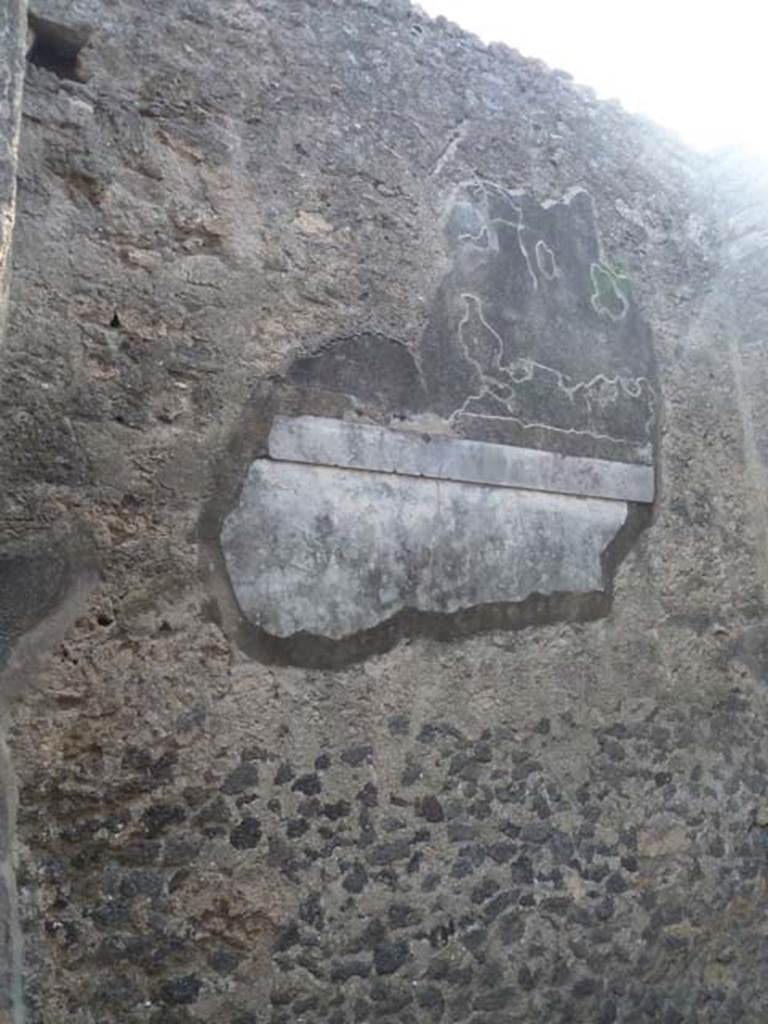
VI.12.2 Pompeii. September 2015. South wall of second room 31 on west side of atrium.
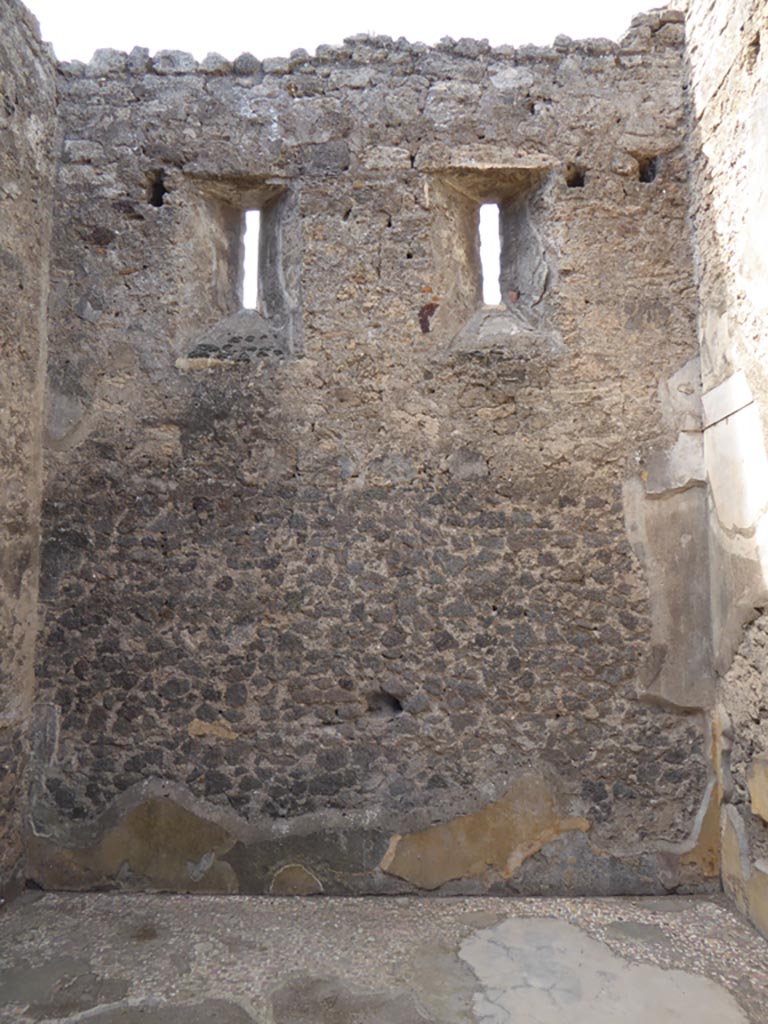
VI.12.2 Pompeii. September 2015. Room 31, looking towards west wall.
Foto
Annette Haug, ERC Grant 681269 DÉCOR.
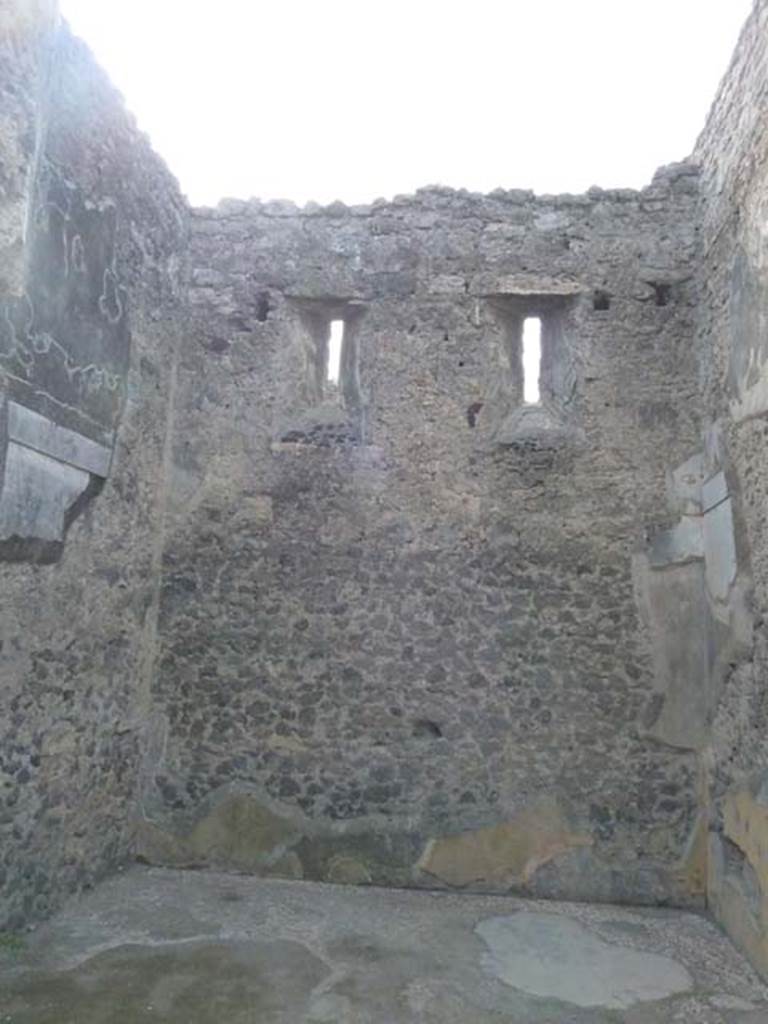
VI.12.2 Pompeii. September 2015.
West wall of second room 31 on west side of atrium with two windows onto Vicolo del Fauno.
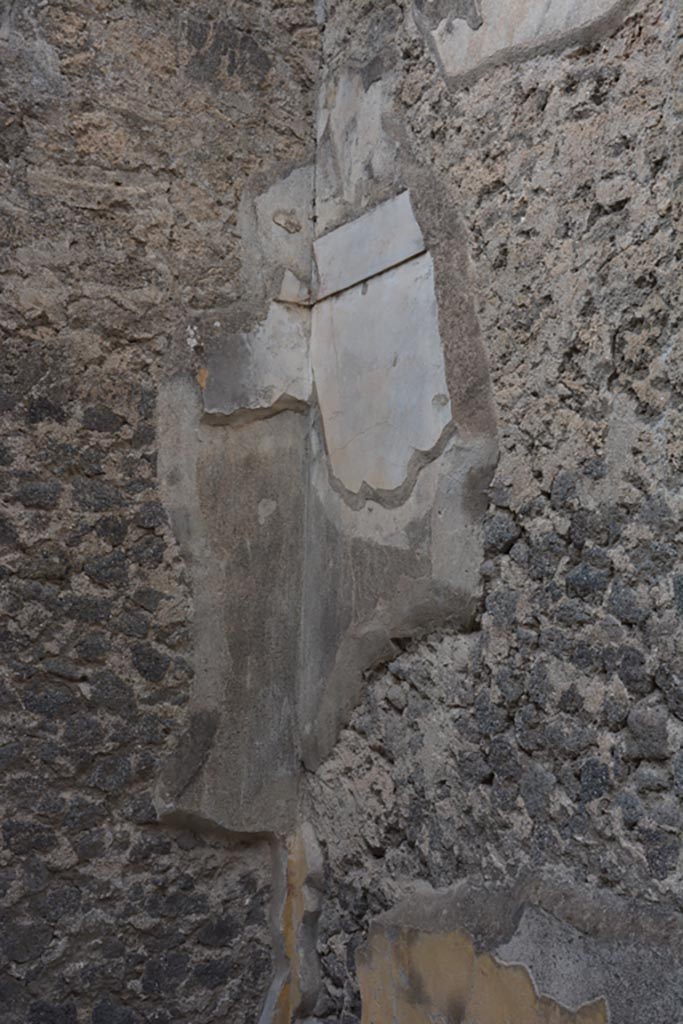
VI.12.2 Pompeii. November 2017. Room 31, north-west corner.
Foto Annette Haug, ERC Grant 681269
DÉCOR.
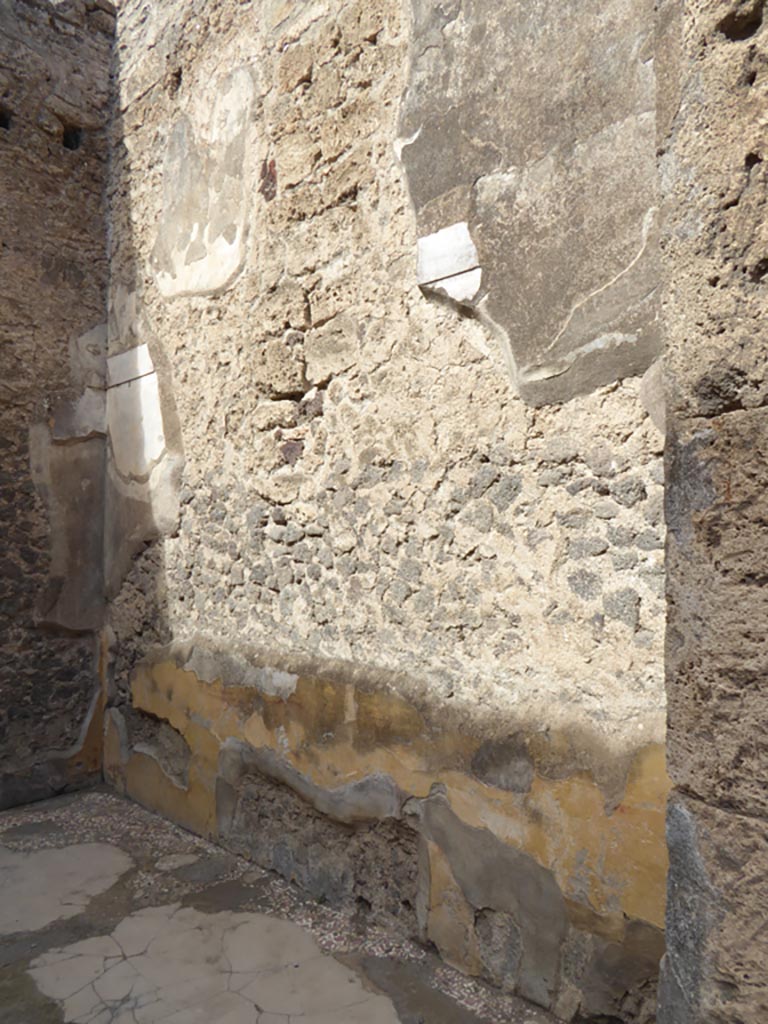
VI.12.2 Pompeii. September 2015. Room 31, looking towards north wall from doorway.
Foto
Annette Haug, ERC Grant 681269 DÉCOR.
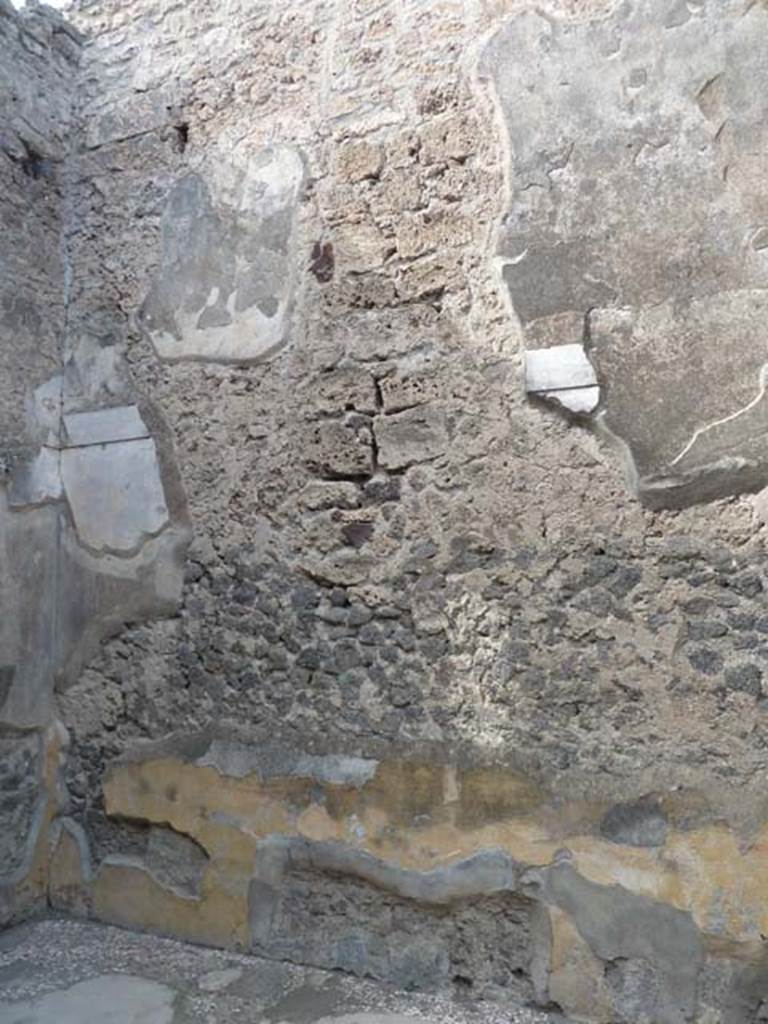
VI.12.2 Pompeii. September 2015. North wall of second room 31 on west side of atrium.
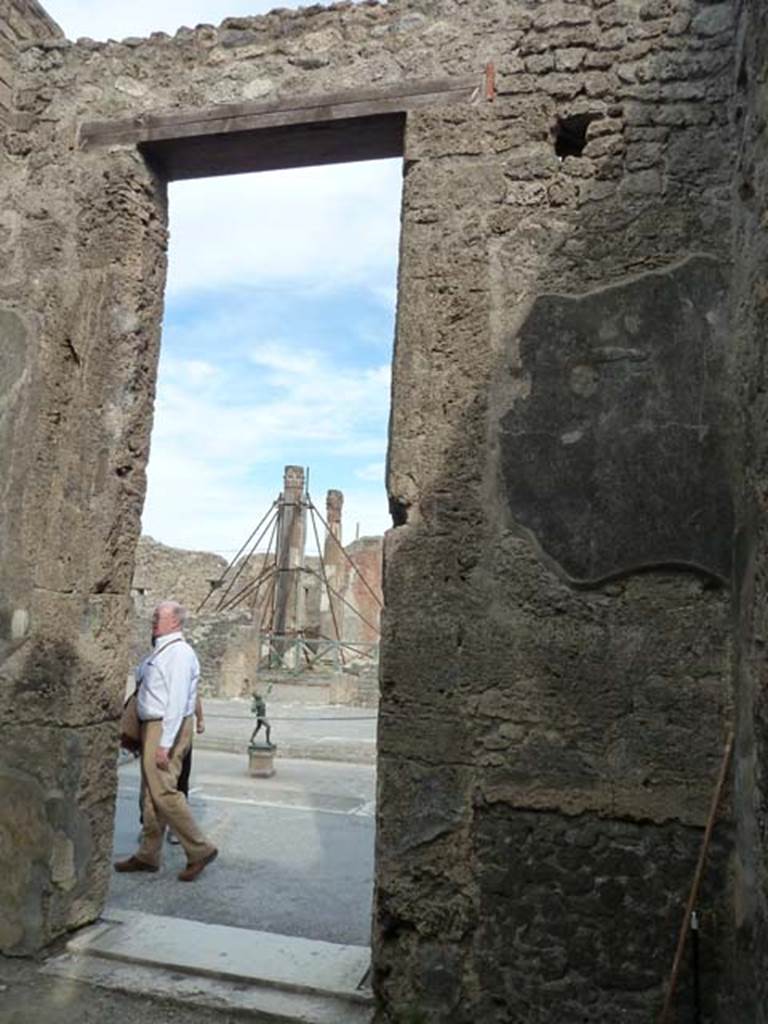
VI.12.2 Pompeii. September 2015. East wall of second room 31 on west side of atrium.
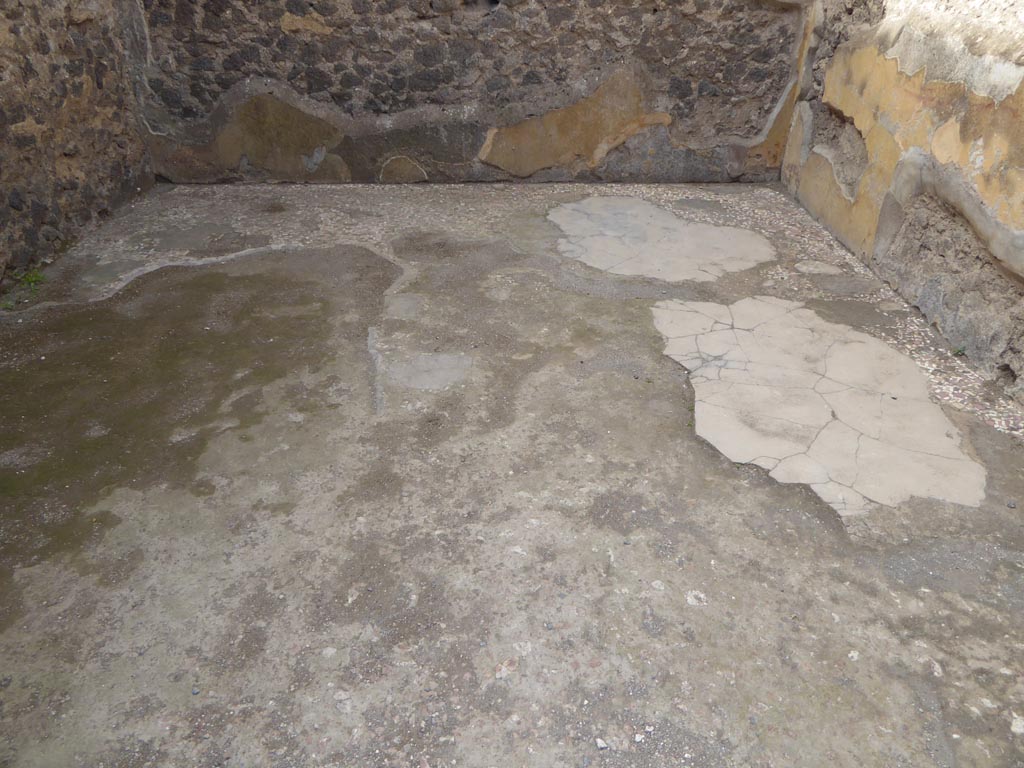
VI.12.2 Pompeii. September 2015. Room 31, looking west across flooring.
Foto
Annette Haug, ERC Grant 681269 DÉCOR.
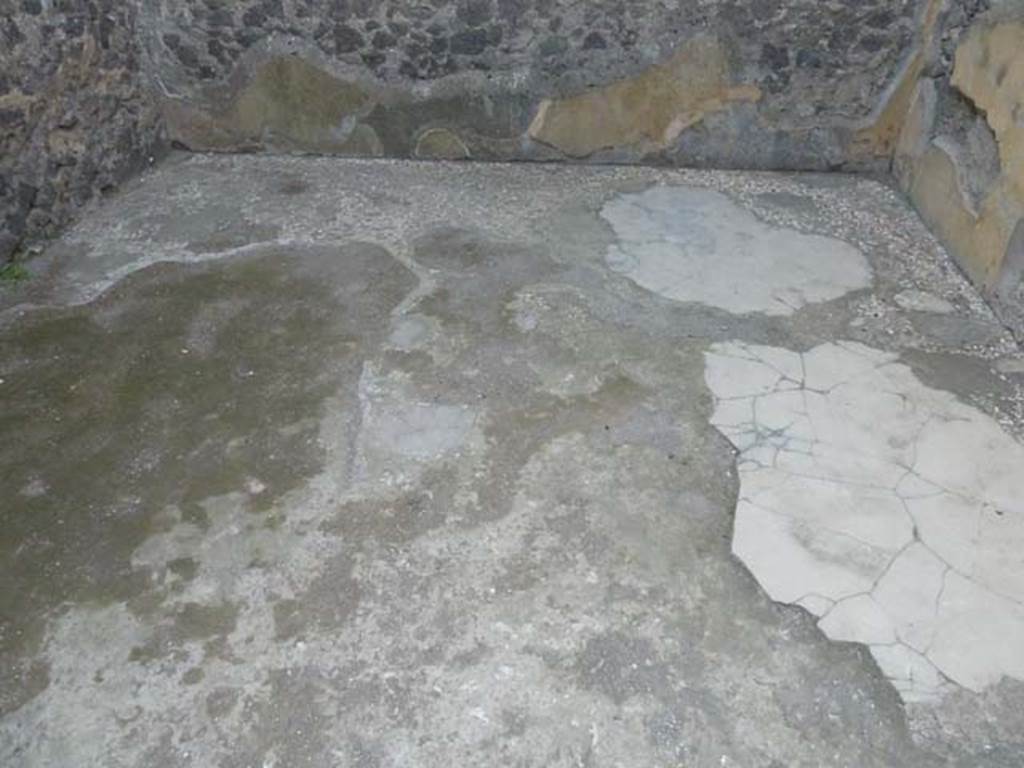
VI.12.2 Pompeii. September 2015. Floor of second room 31 on west side of atrium.
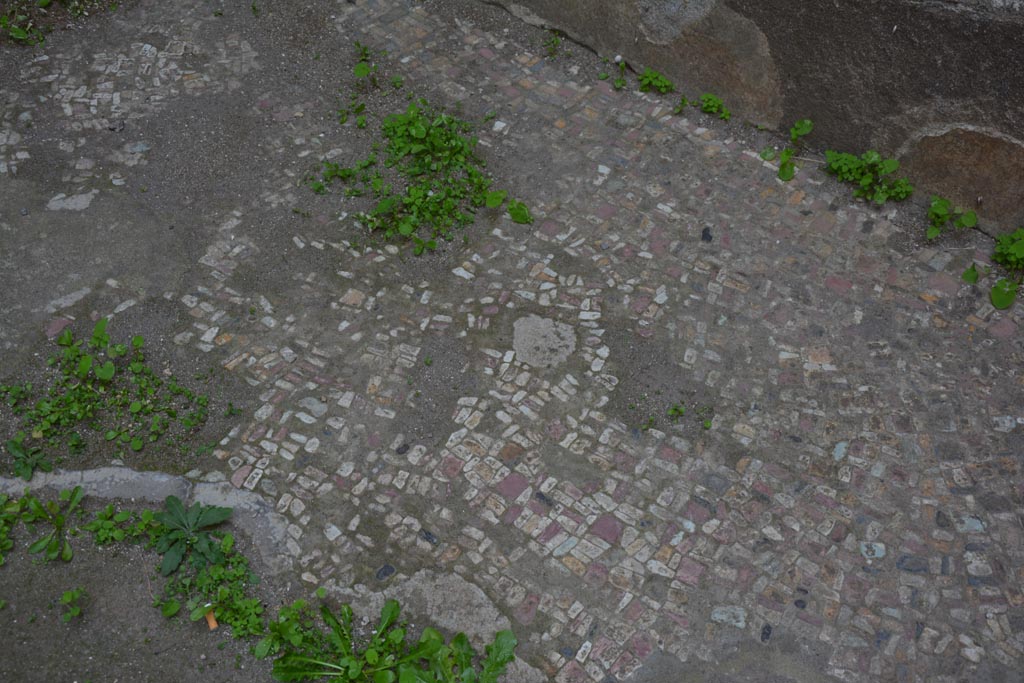
VI.12.2 Pompeii. November 2017. Room 31, flooring near west wall.
Foto Annette Haug, ERC Grant 681269
DÉCOR.
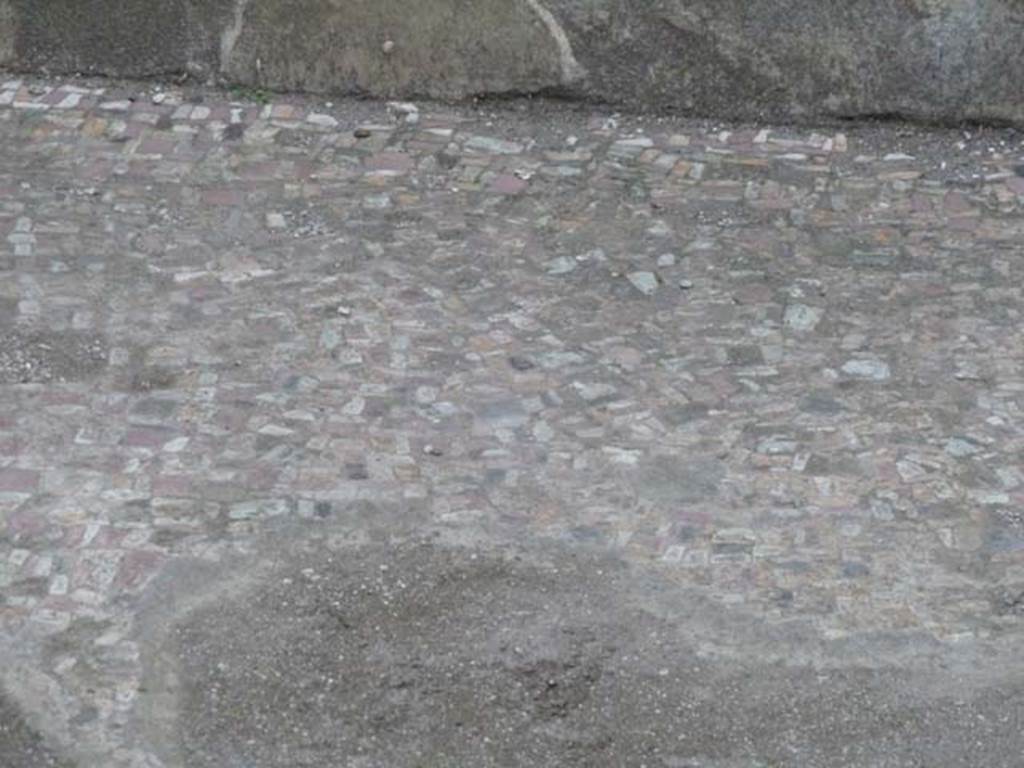
VI.12.2 Pompeii. September 2015. Detail from floor of second room 31 on west side of atrium.
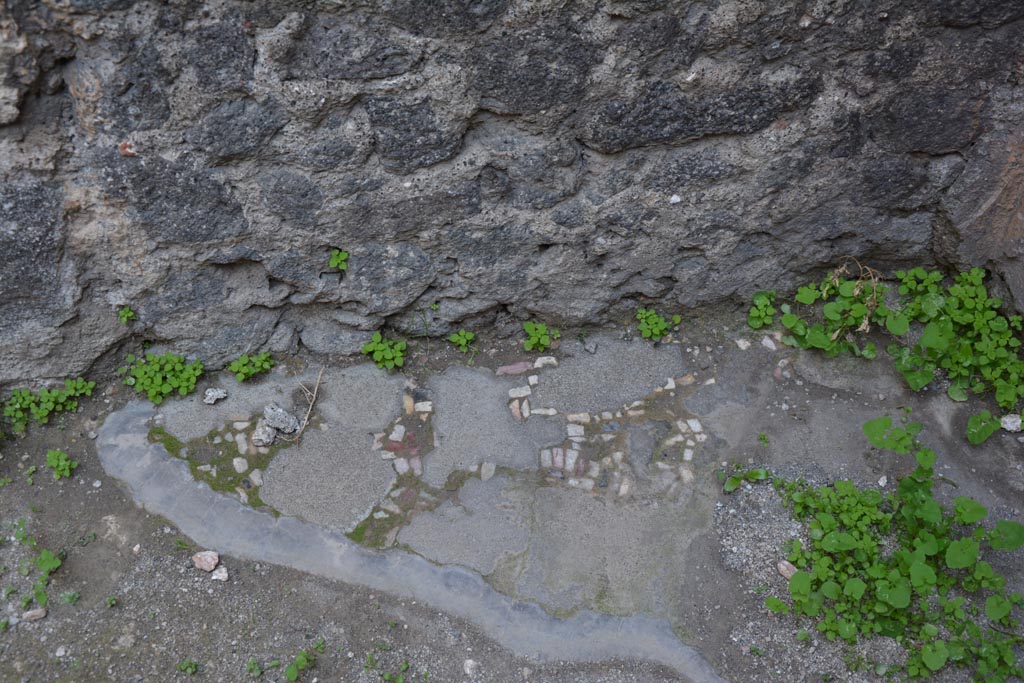
VI.12.2 Pompeii. November 2017. Room 31, flooring in north-west corner.
Foto Annette Haug, ERC Grant 681269
DÉCOR.
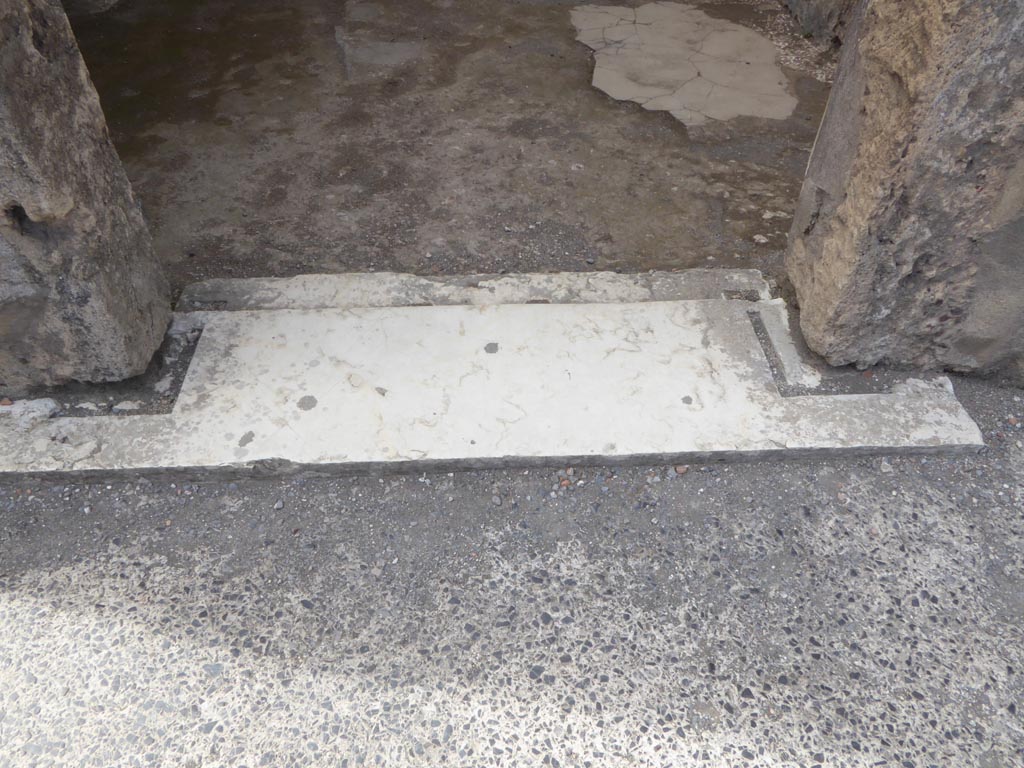
VI.12.2 Pompeii. September 2015. Room 31, doorway threshold on west side of atrium.
Foto
Annette Haug, ERC Grant 681269 DÉCOR.
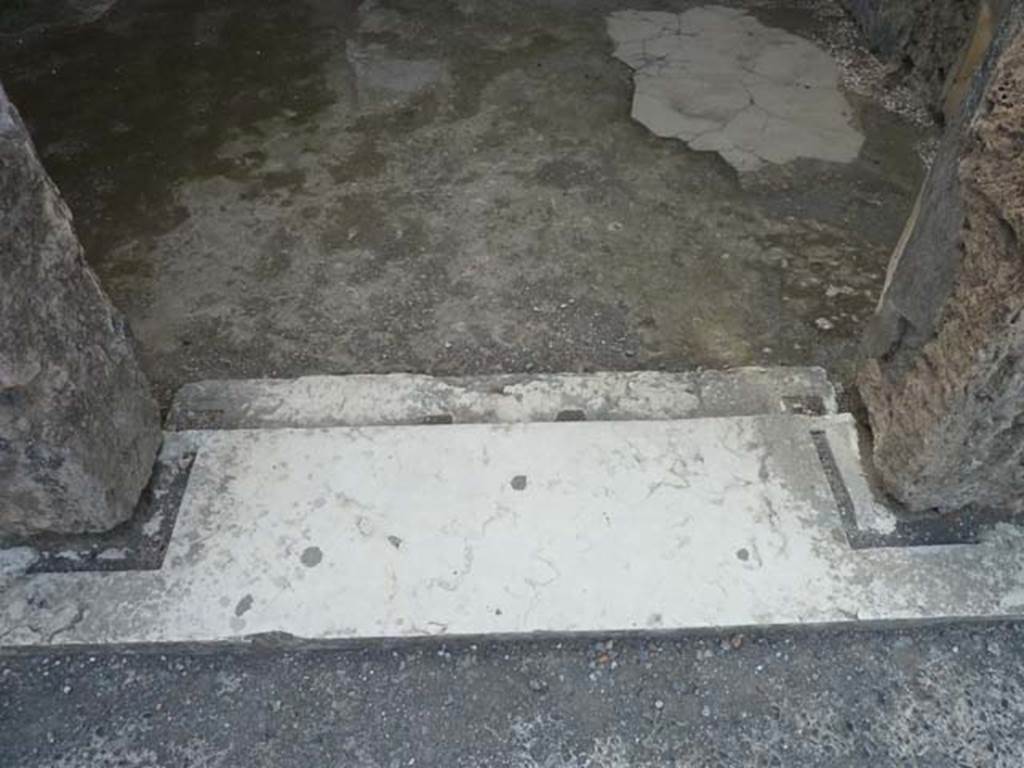
VI.12.2 Pompeii. September 2015. Doorway threshold to second room 31 on west side of atrium.
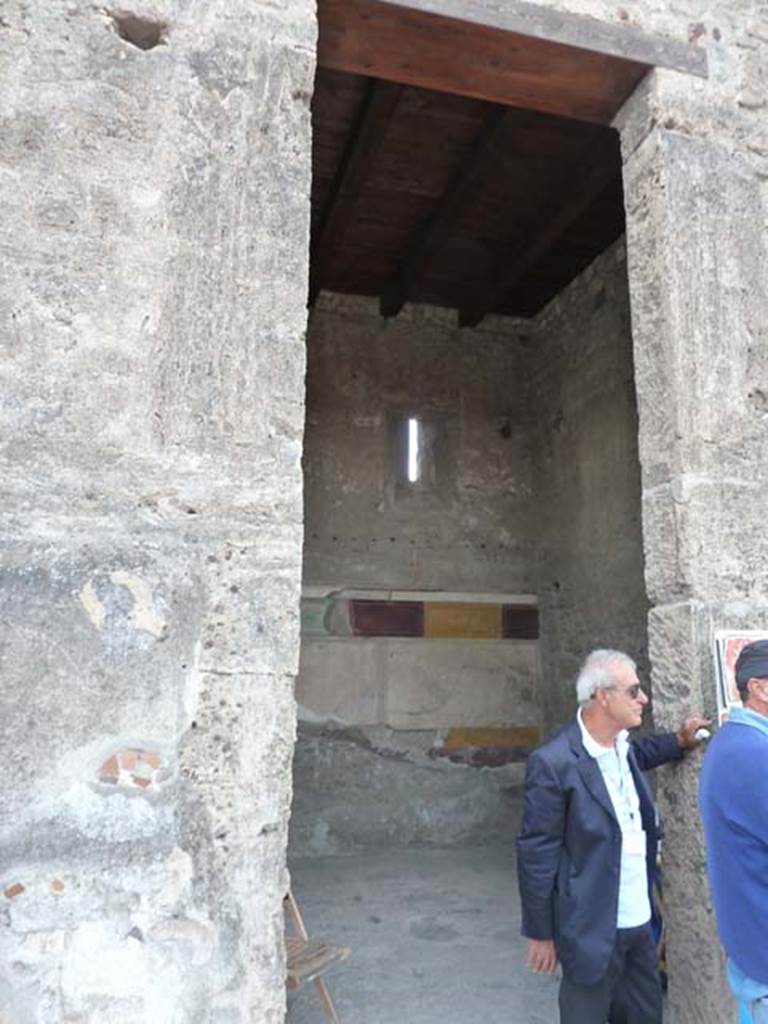
VI.12.2 Pompeii. September 2015. Doorway to third room 32 on west side of atrium.
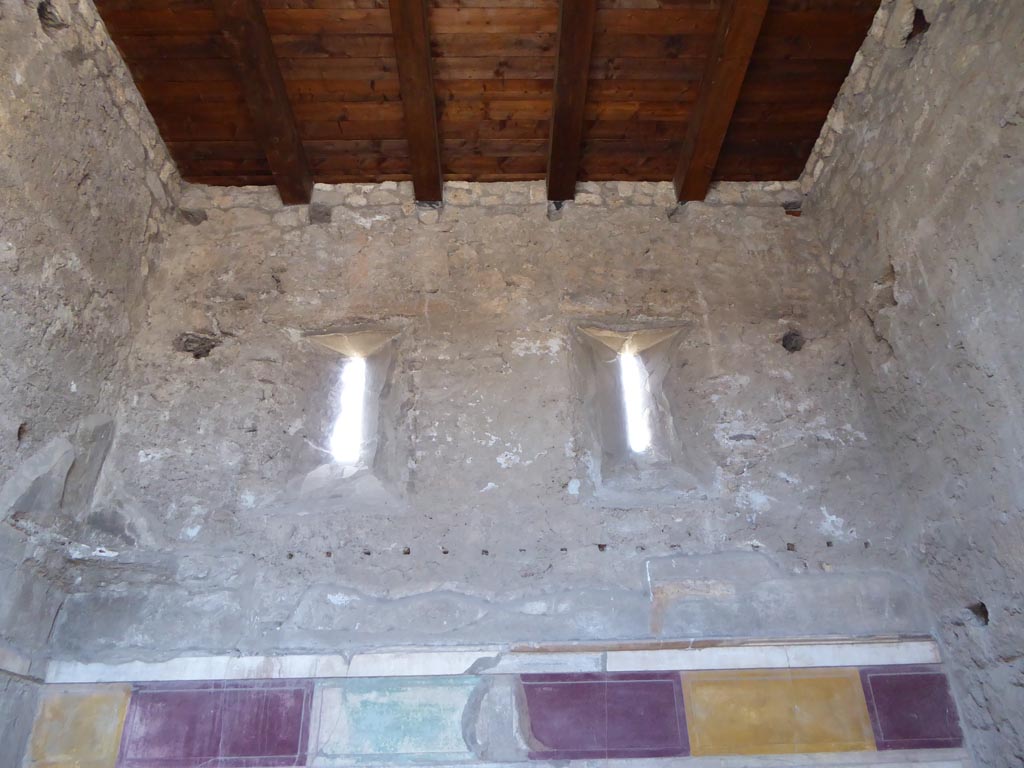
VI.12.2 Pompeii. September 2015. Room 32, looking through doorway towards upper west wall.
Foto
Annette Haug, ERC Grant 681269 DÉCOR.
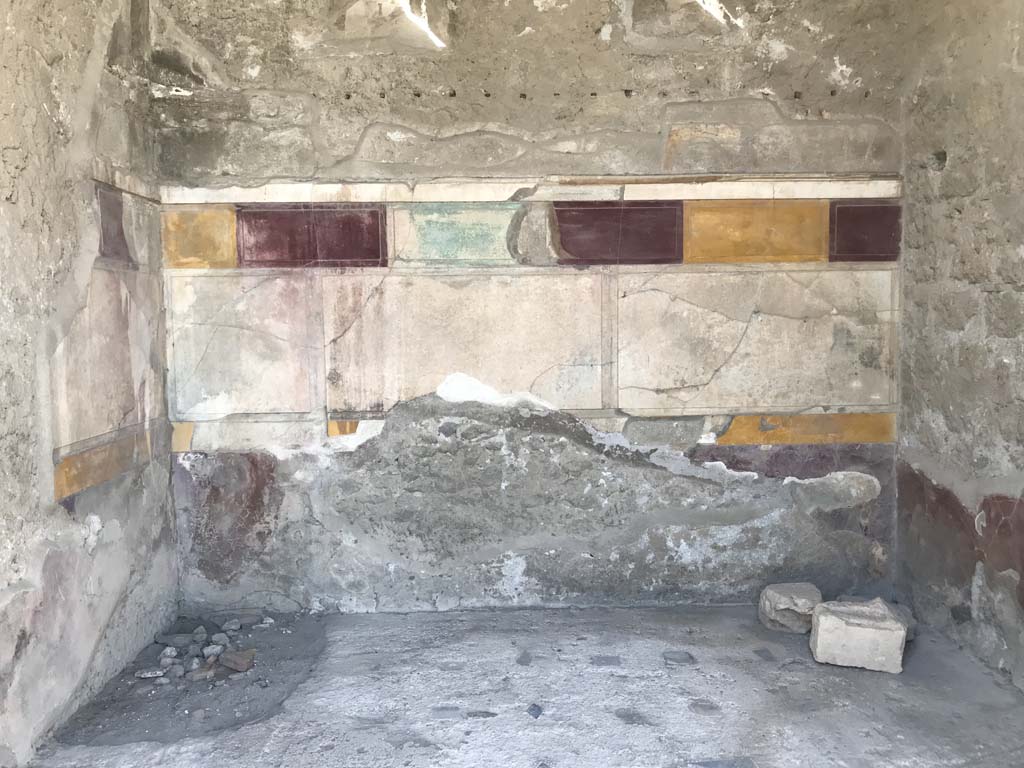
VI.12.2 Pompeii. April 2019. Looking west into third room 32
on west side of atrium. Photo courtesy of Rick Bauer.
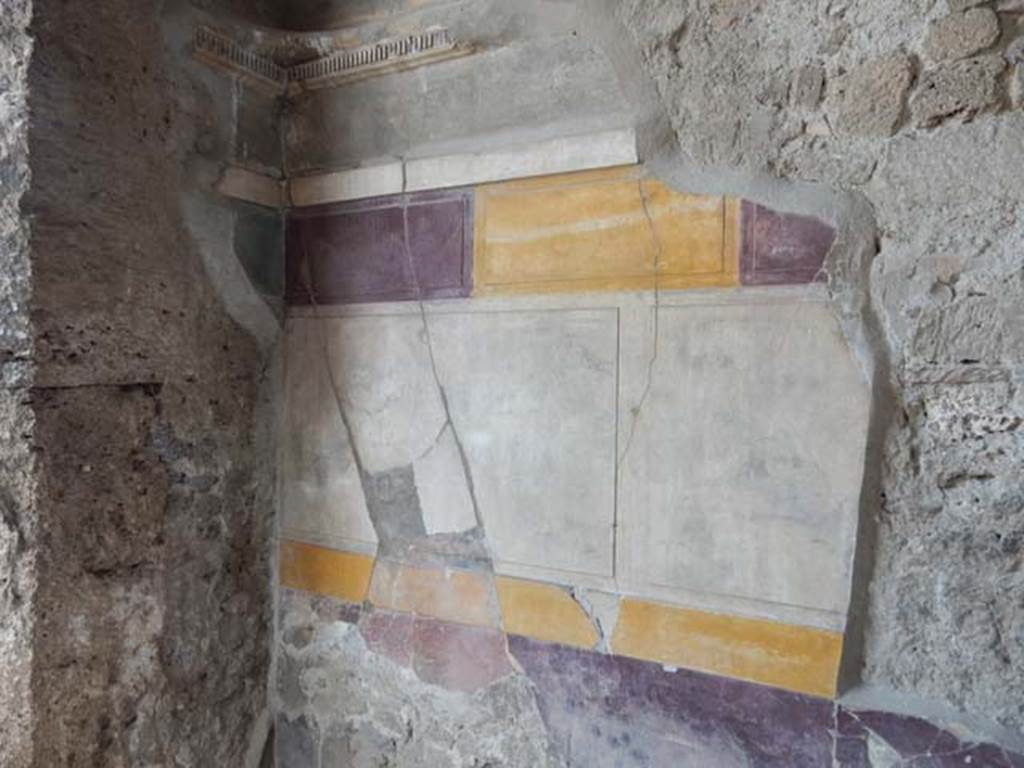
VI.12.2 Pompeii. May 2015.
South-east corner of south wall of third room 32 on west side of atrium. Photo courtesy of Buzz Ferebee.
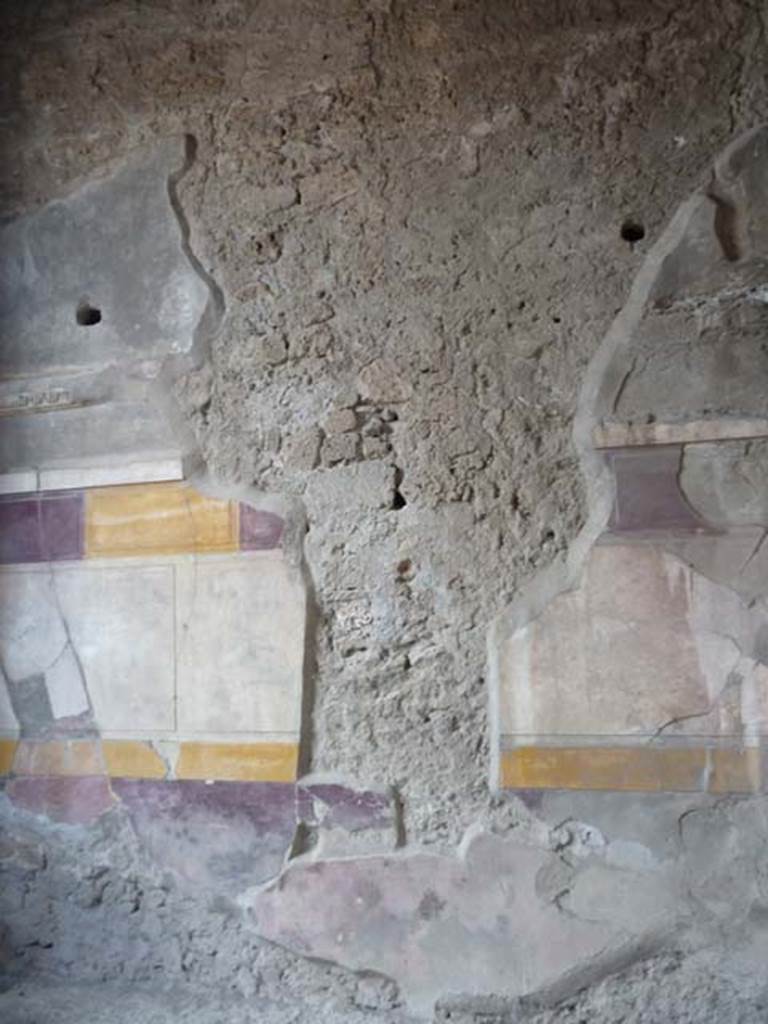
VI.12.2 Pompeii. September 2015. South wall of third room 32 on west side of atrium.
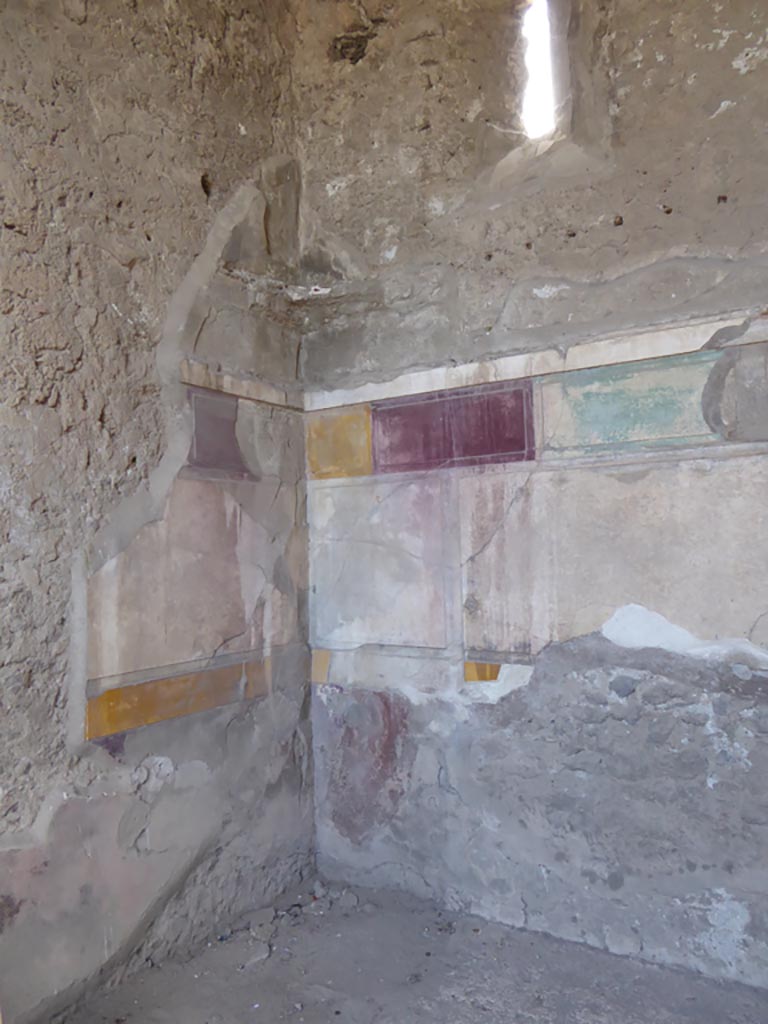
VI.12.2 Pompeii. September 2015. Room 32, south-west corner.
Foto
Annette Haug, ERC Grant 681269 DÉCOR.
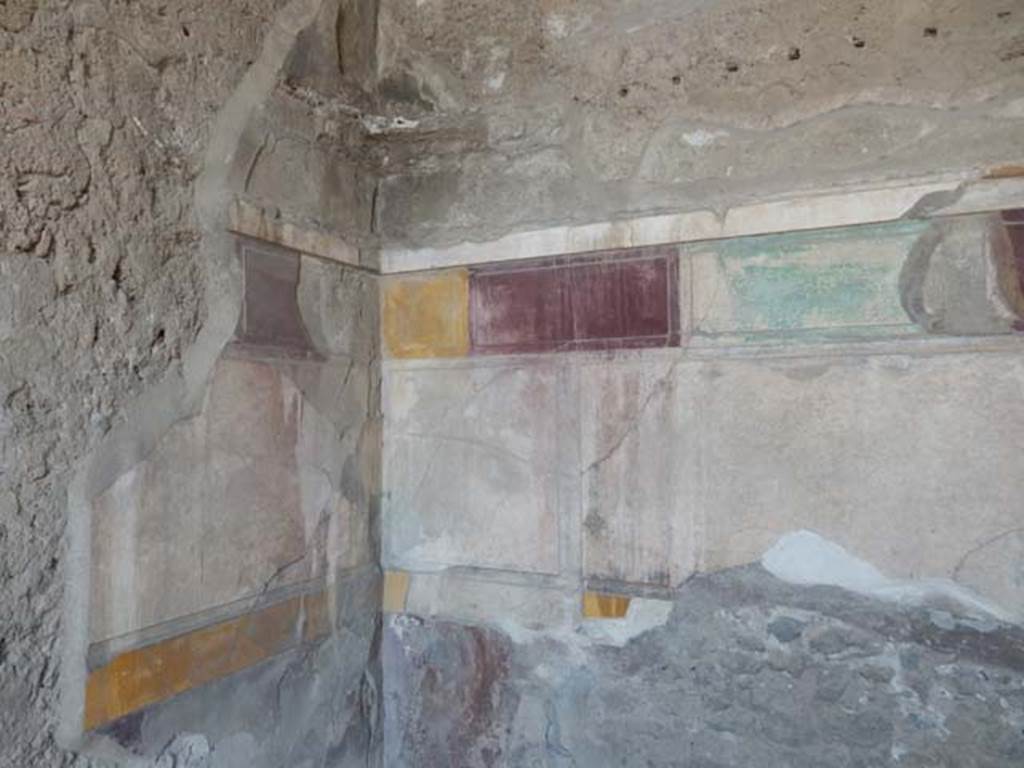
VI.12.2 Pompeii. May 2015. South-west corner of third room 32 on west side of atrium. Photo courtesy of Buzz Ferebee.
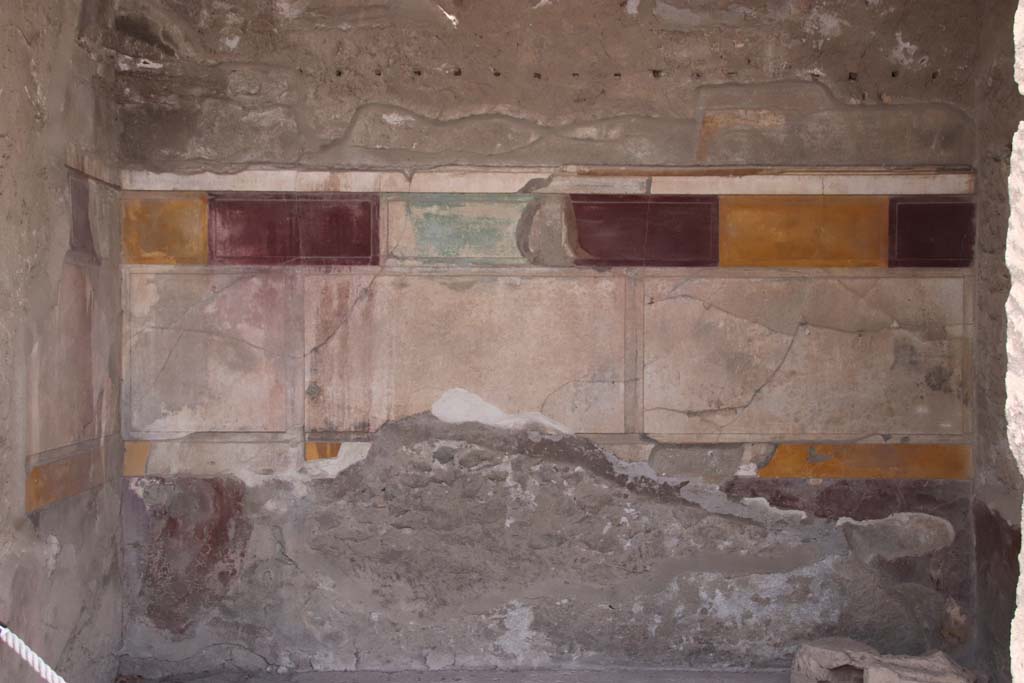
VI.12.2 Pompeii. September 2021. West
wall of third room 32 on west side of atrium. Photo courtesy of Klaus Heese.
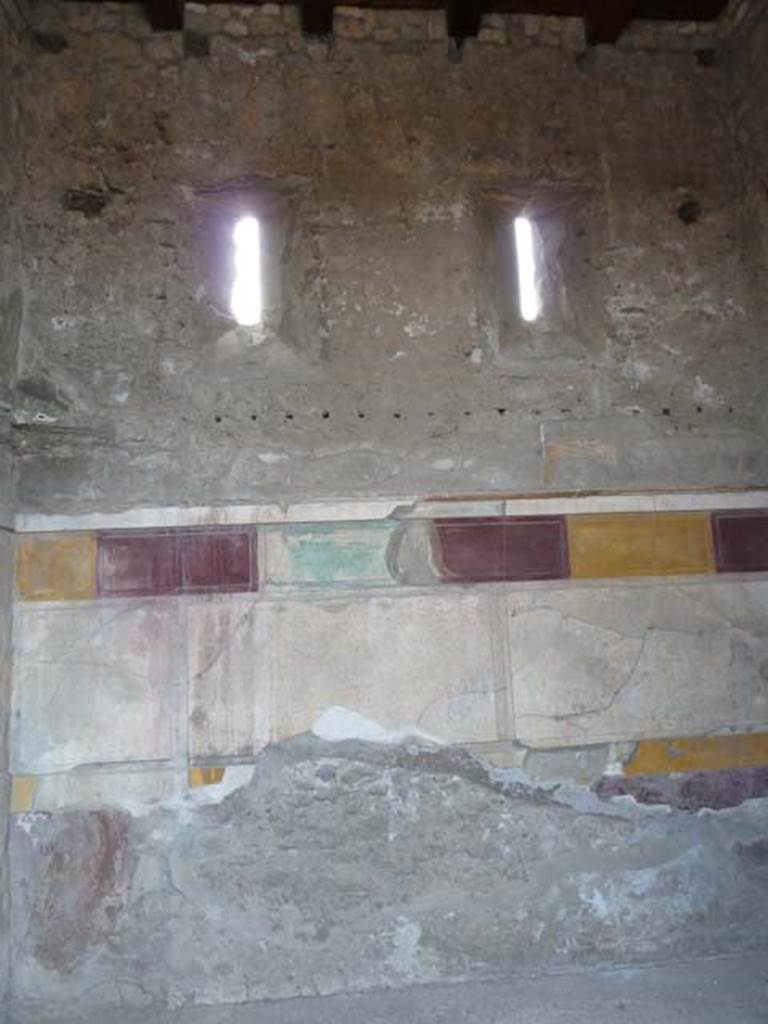
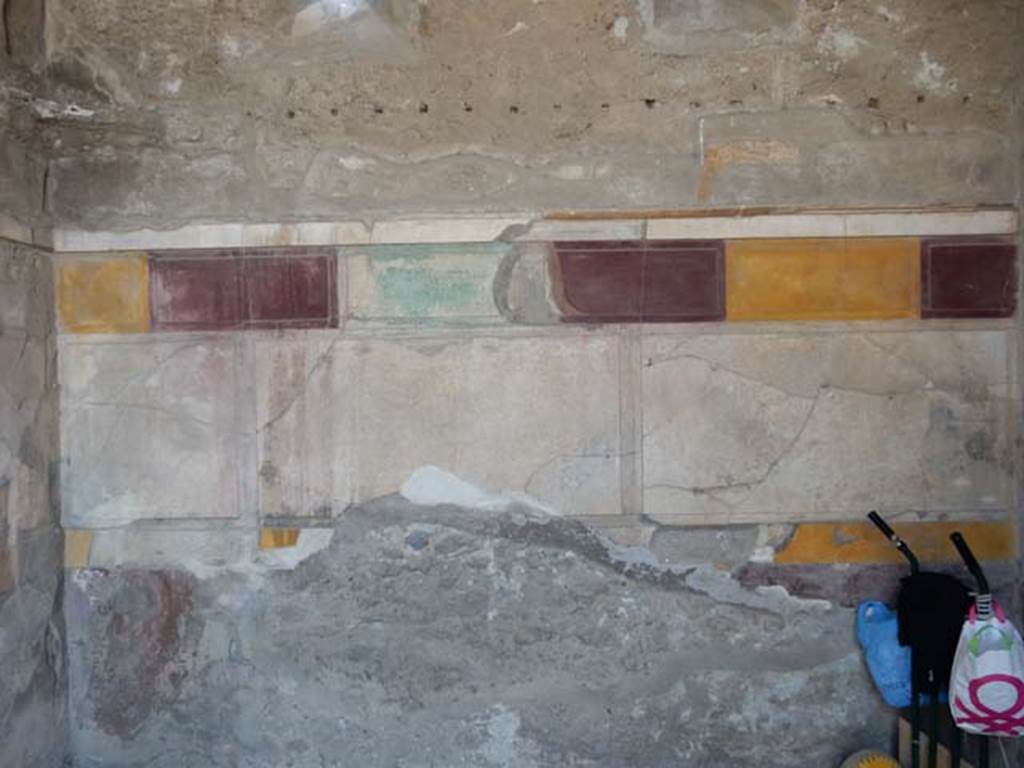
VI.12.2 Pompeii. September 2015.
West wall of third room 32 on west side of atrium, with windows in upper wall onto Vicolo del Fauno.
VI.12.2 Pompeii. May 2015. West wall of third room 32 on west side of atrium. Photo courtesy of Buzz Ferebee.
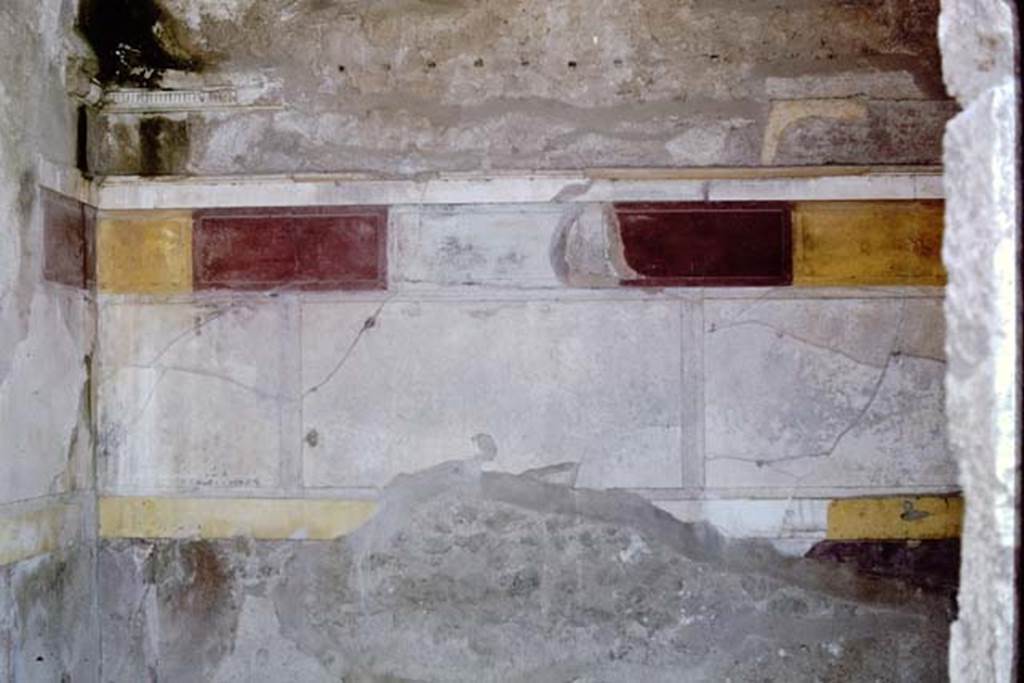
VI.12.2 Pompeii. 1961. West wall of third room 32 on west side of atrium. Photo by Stanley A. Jashemski.
Source: The Wilhelmina and Stanley A. Jashemski archive in the University of Maryland Library, Special Collections (See collection page) and made available under the Creative Commons Attribution-Non-Commercial License v.4. See Licence and use details.
J61f0435
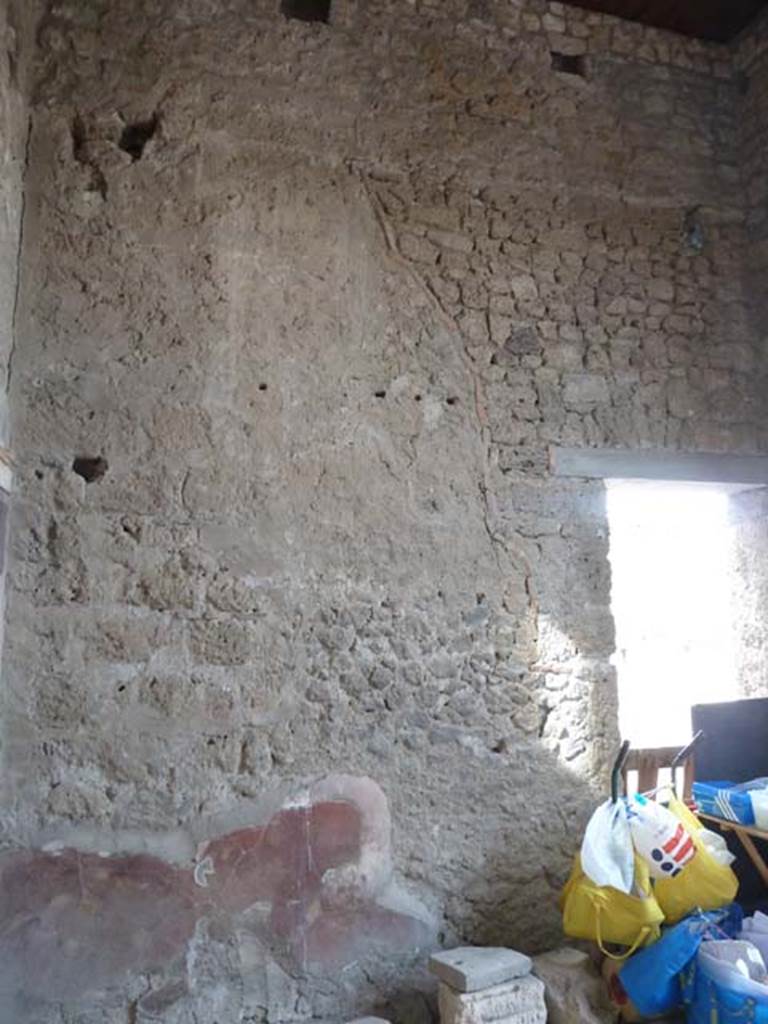
VI.12.2 Pompeii. September 2015.
North wall of third room 32 on west side of atrium, with doorway to west ala.
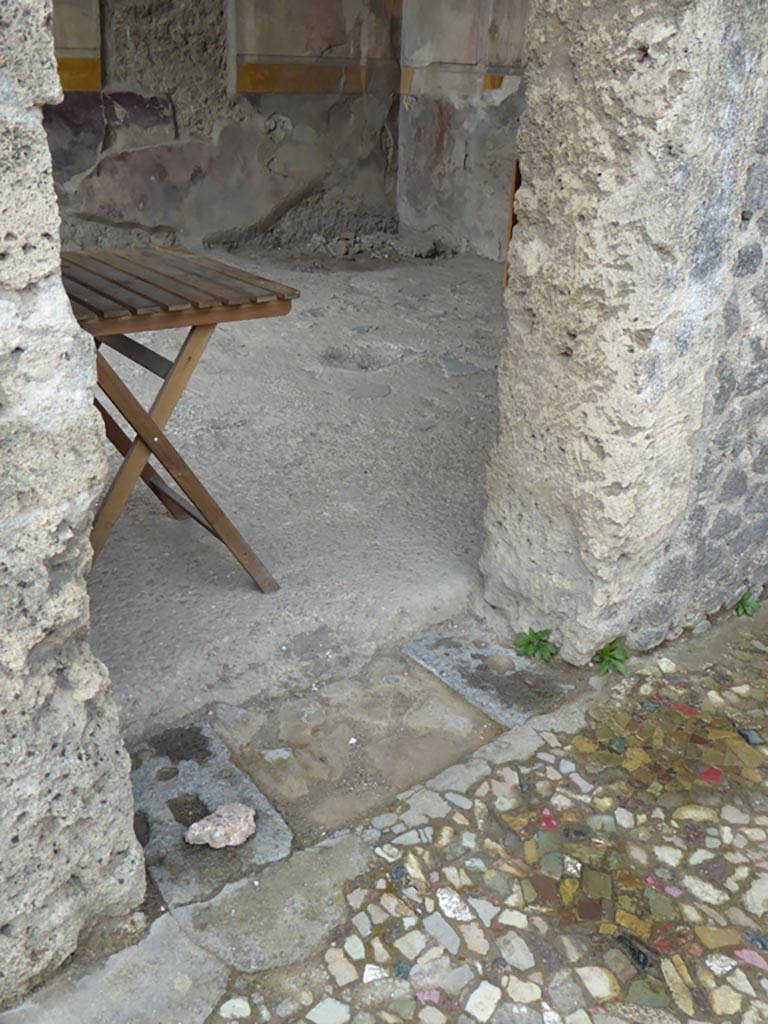
VI.12.2 Pompeii. September 2017. Looking south towards doorway threshold into room 32, from West Ala.
Foto Annette Haug, ERC Grant 681269 DÉCOR.
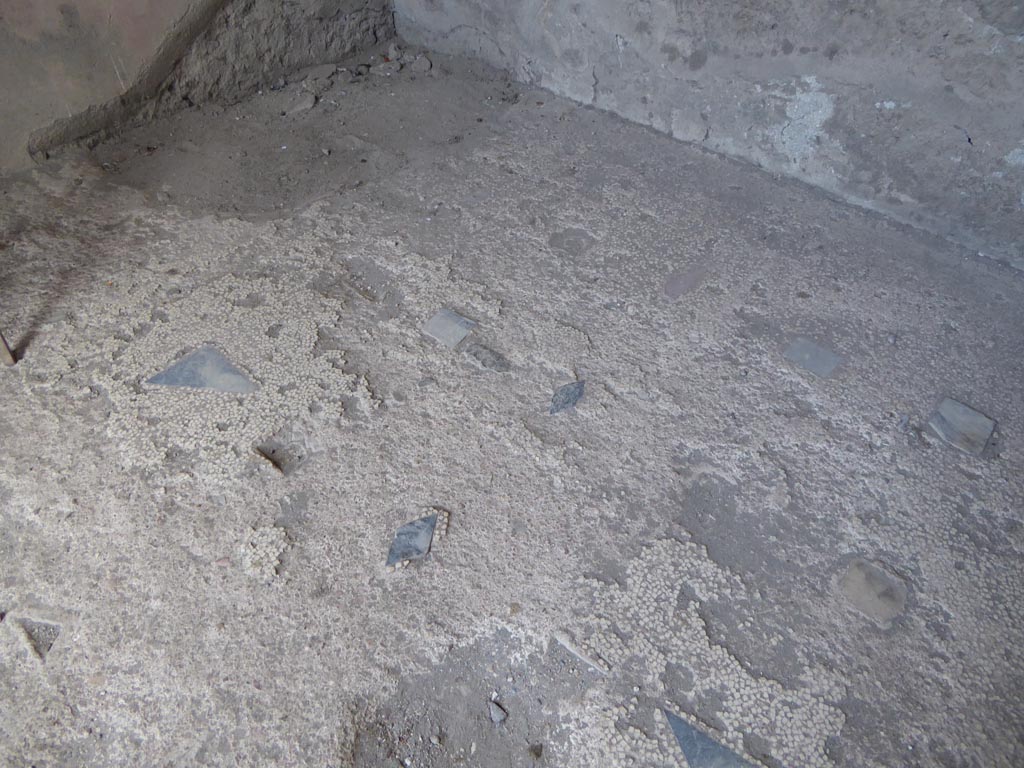
VI.12.2 Pompeii. September 2015. Room 32, remains of flooring.
Foto
Annette Haug, ERC Grant 681269 DÉCOR.
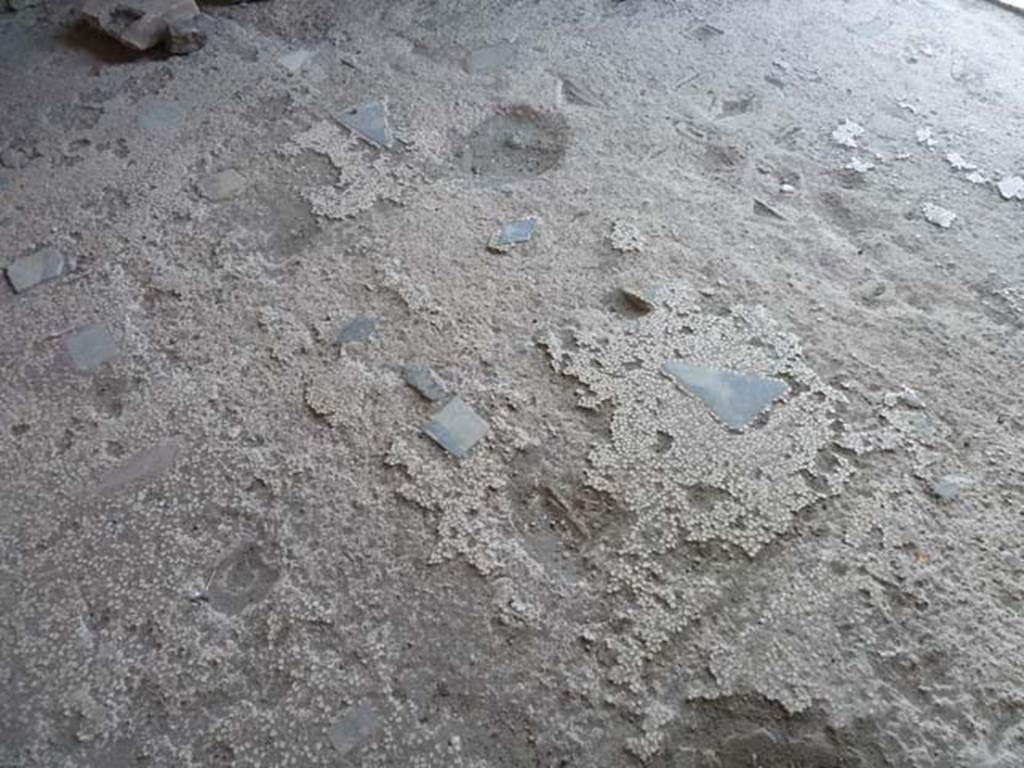
VI.12.2 Pompeii. September 2015. Remains of floor of third room 32 on west side of atrium.
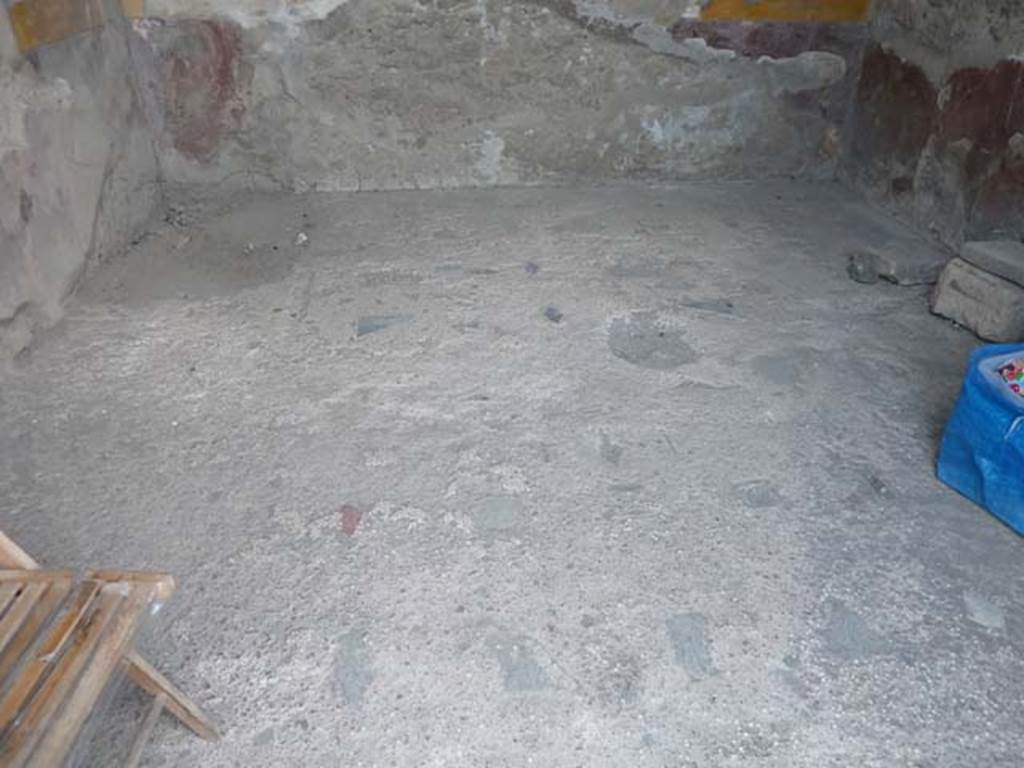
VI.12.2 Pompeii. September 2015. Floor of third room 32 on west side of atrium.
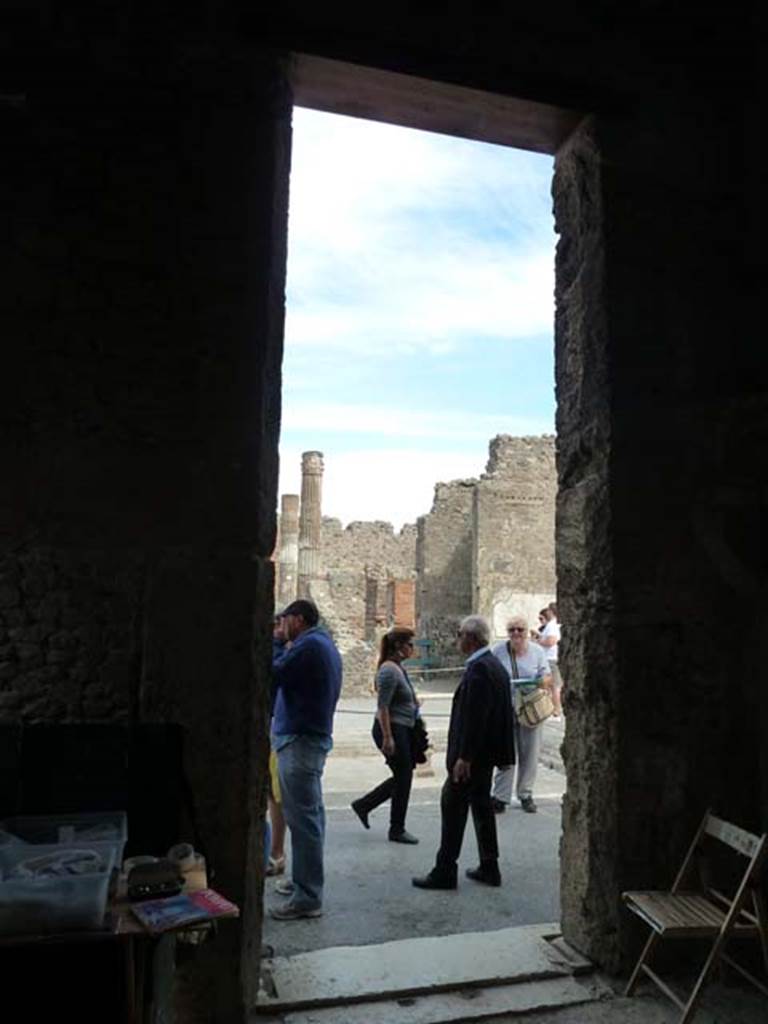
VI.12.2 Pompeii. September 2015. East wall with doorway of third room 32 on west side of atrium.
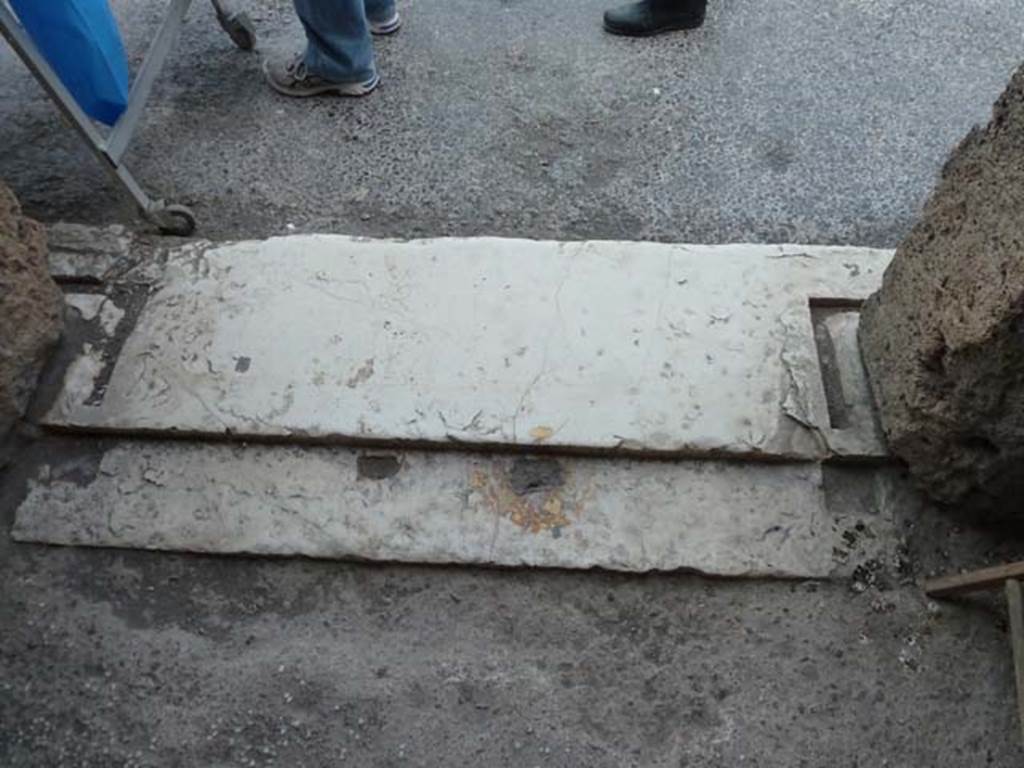
VI.12.2 Pompeii. September 2015. Doorway threshold of third room 32 on west side of atrium.
Part 5 Part 6 Part 7 Part 8 Part 9 Part 10 Part 11 Part 12 Part 1 Part 2 Part 3 Plan