VI.12.2
Pompeii. Casa del Fauno or House of the Faun.
Linked to VI.12.1, VI.12.3,
VI.12.5, VI.12.7 and VI.12.8.
Excavated 1829 to 1833, 1900, 1930, 1960. Bombed 1943.
Reconstructed 1945. (Strada della Fortuna 55).
Part 1 Part 2 Part 3
Part 4 Part 5 Part 6
Part 7 Part 8
Part 9 Part 10 Part 11 Part 12 Plan
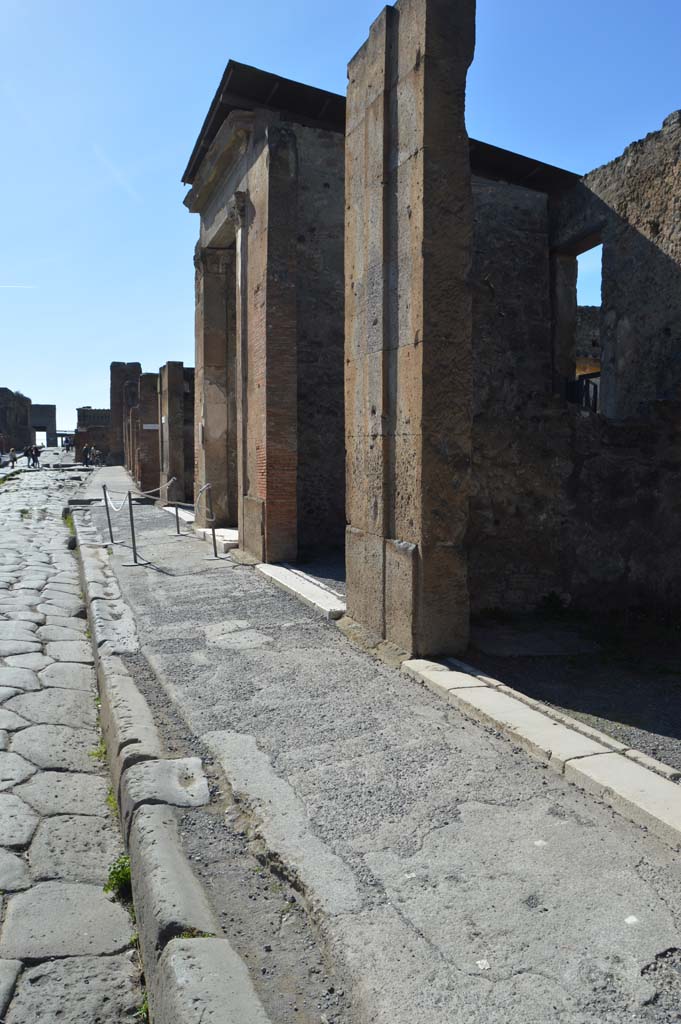
VI.12.2 Pompeii. March
2019.
Looking west on Via
della Fortuna, from VI.12.4, on right, towards entrance at VI.12.2.
Foto
Taylor Lauritsen, ERC Grant 681269 DÉCOR.
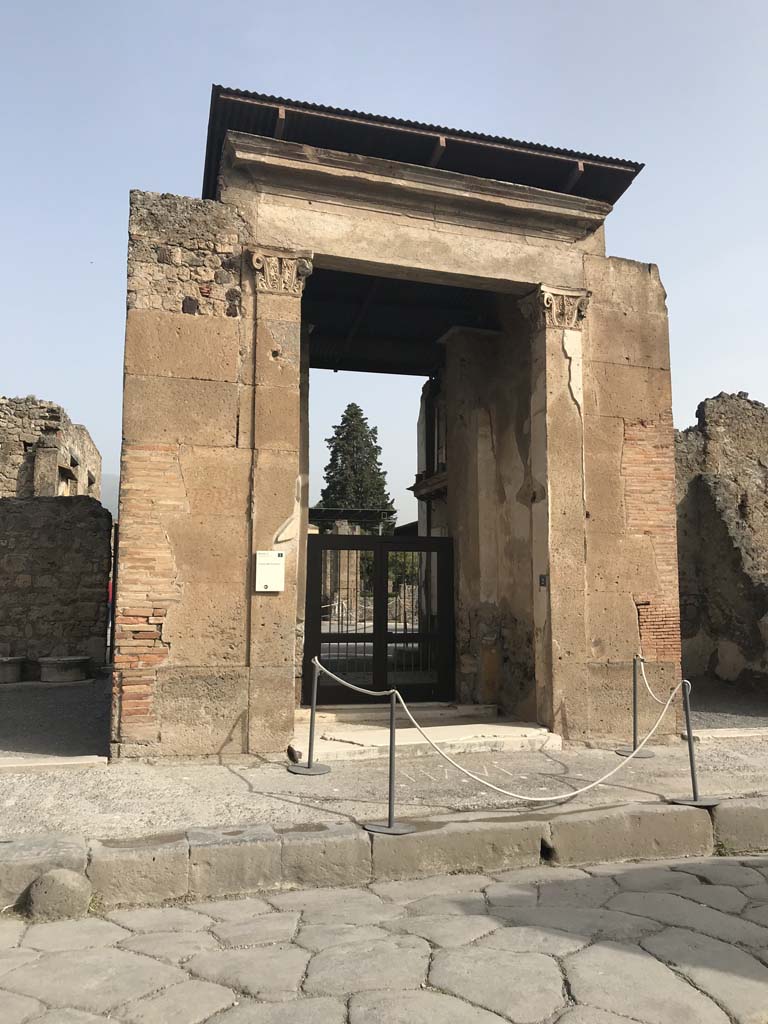
VI.12.2 Pompeii. April 2019. Entrance doorway on Via della Fortuna. Photo courtesy of Rick Bauer.
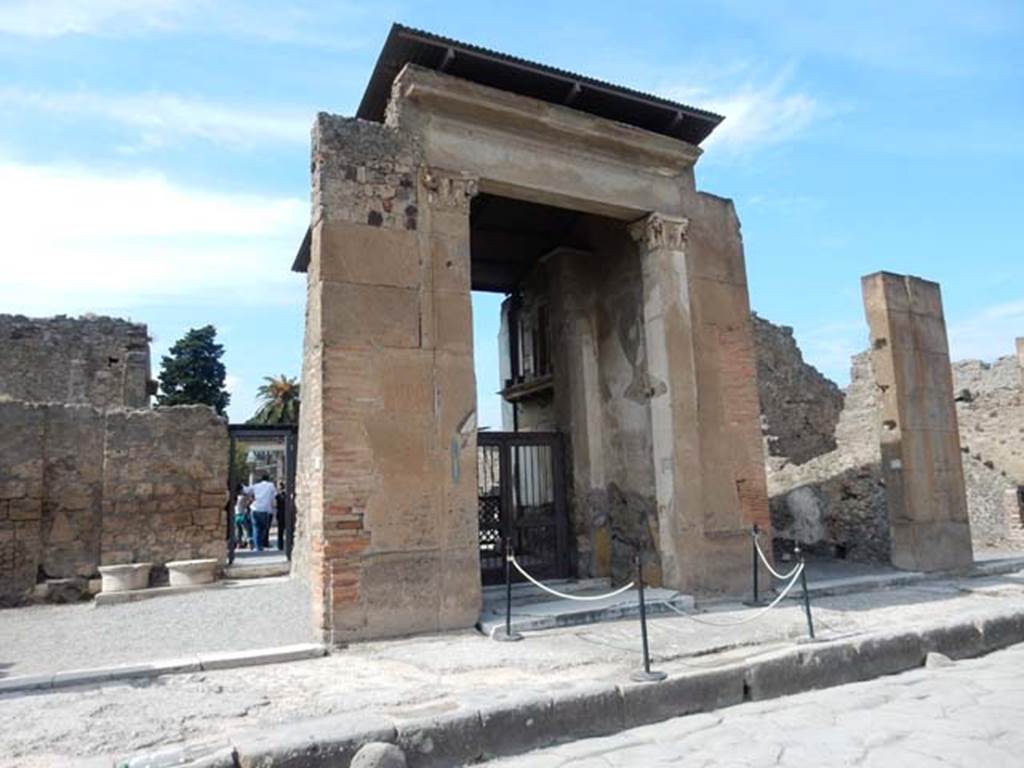
VI.12.2 Pompeii. May 2015. Entrance on Via della Fortuna. Photo courtesy of Buzz Ferebee.
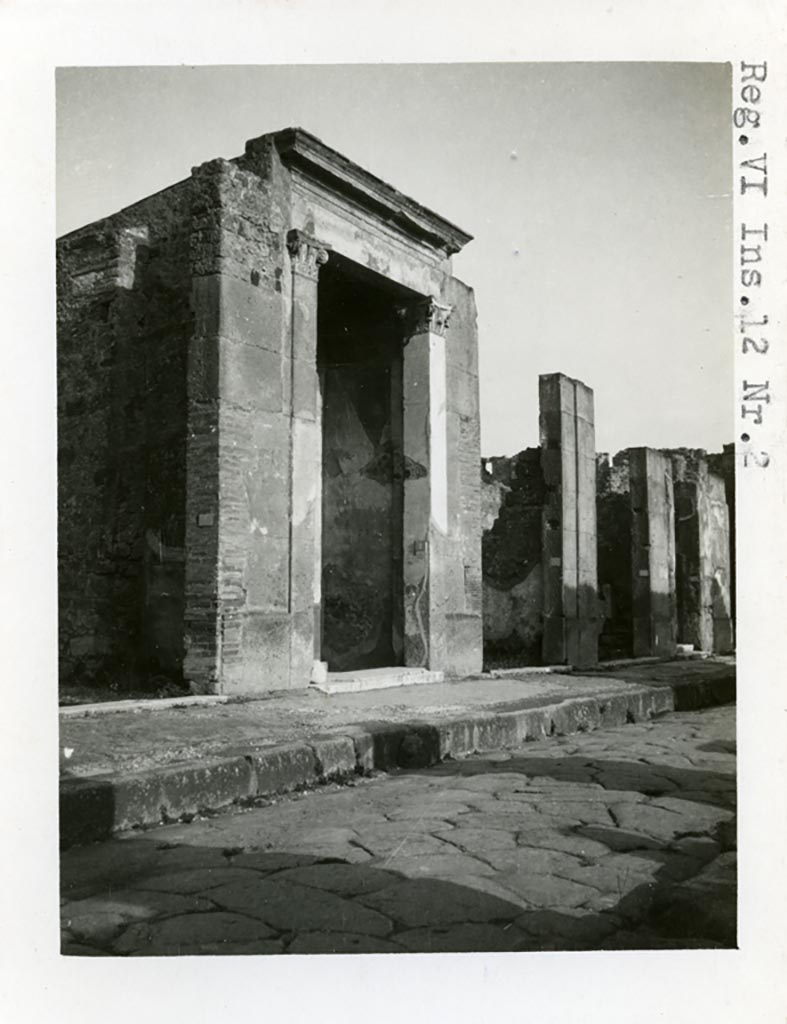
VI.12.2 Pompeii. pre-1937-39.
Entrance doorway on Via della Fortuna.
Photo courtesy of American Academy in Rome, Photographic Archive. Warsher collection no. 1415a.
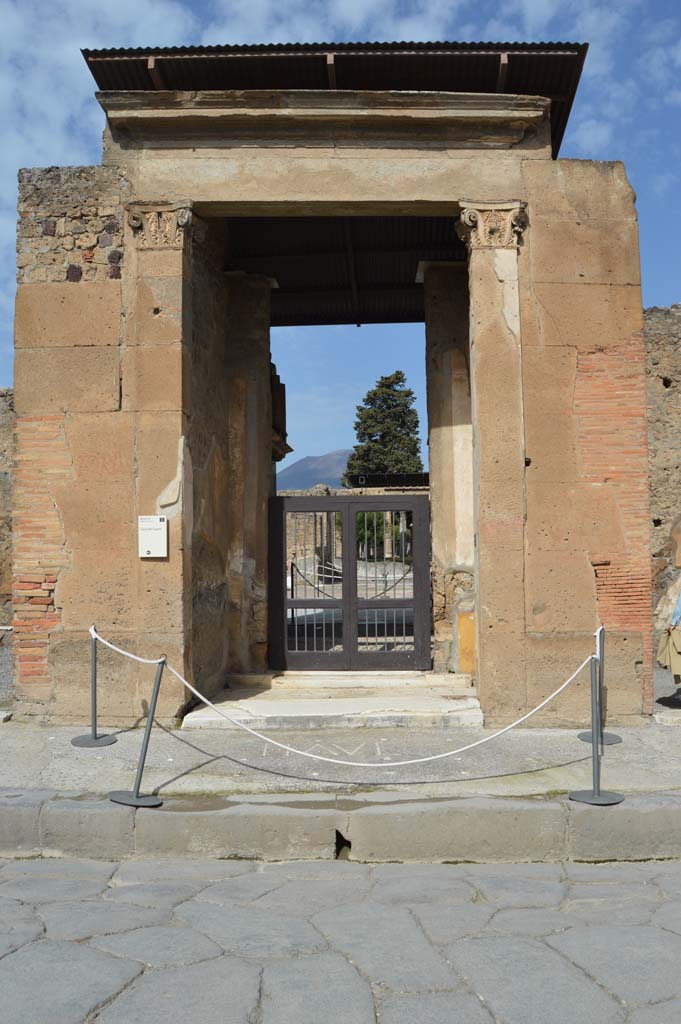
VI.12.2 Pompeii. March
2018. Entrance on Via della
Fortuna.
Foto
Taylor Lauritsen, ERC Grant 681269 DÉCOR.
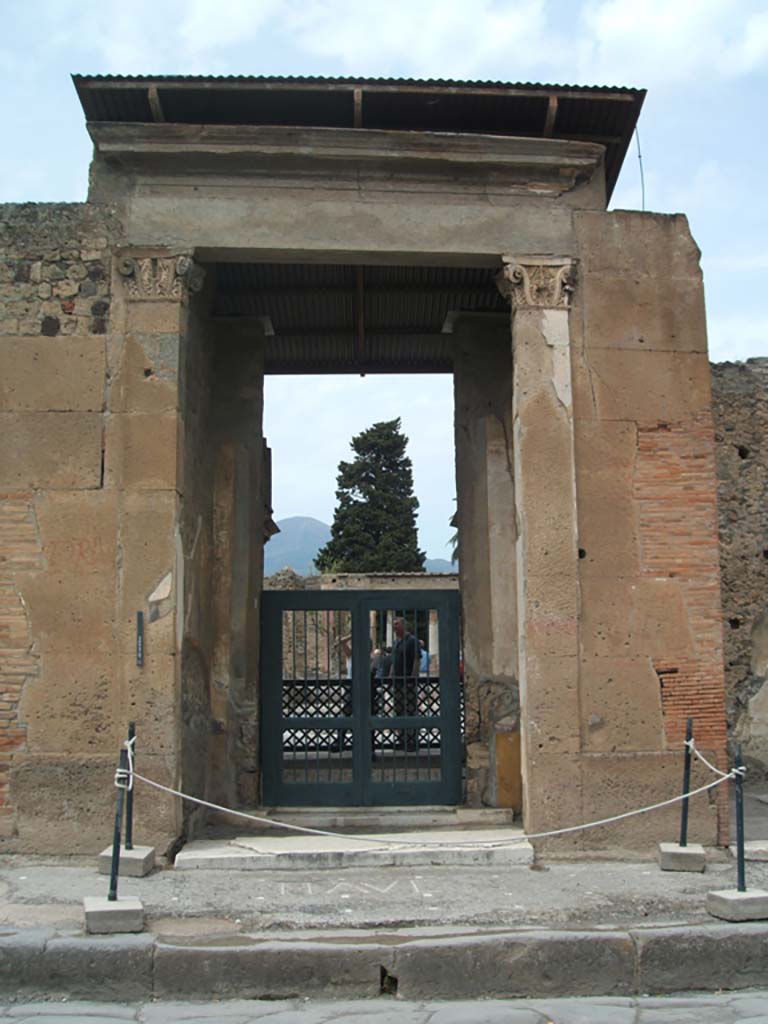
VI.12.2 Pompeii. May
2005. Entrance on Via della Fortuna.
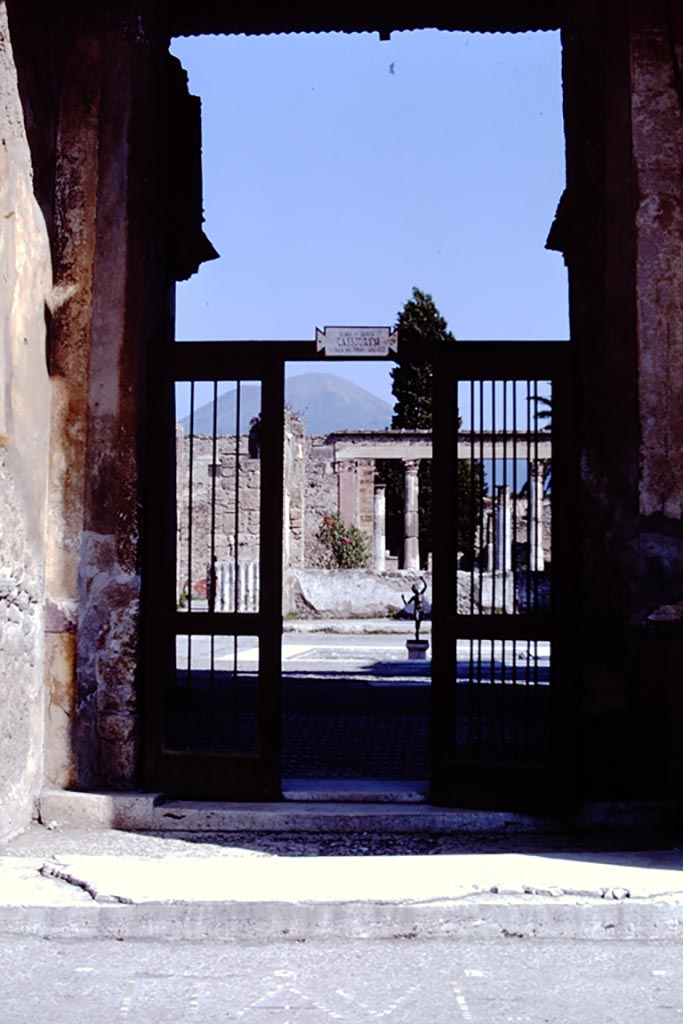
VI.12.2 Pompeii. 1968.
Looking north through entrance doorway on Via della Fortuna. Photo by Stanley A. Jashemski.
Source: The Wilhelmina and Stanley A. Jashemski archive in the University of Maryland Library, Special Collections (See collection page) and made available under the Creative Commons Attribution-Non-Commercial License v.4. See Licence and use details.
J68f1252
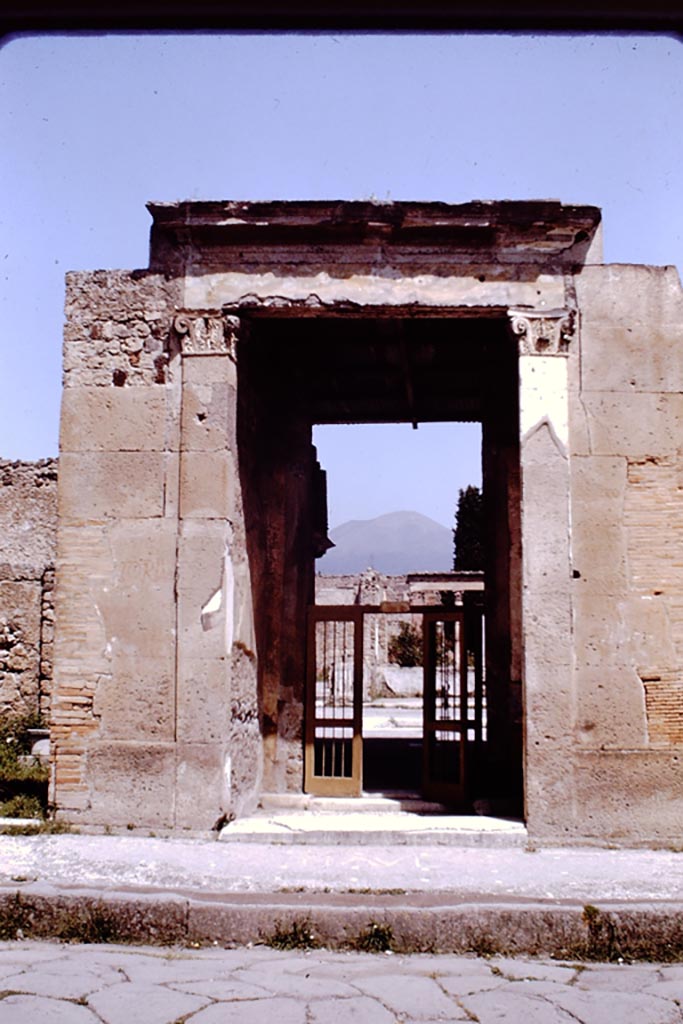
VI.12.2 Pompeii. 1964. Looking north to entrance doorway. Photo by Stanley A. Jashemski.
Source: The Wilhelmina and Stanley A. Jashemski archive in the University of Maryland Library, Special Collections (See collection page) and made available under the Creative Commons Attribution-Non-Commercial License v.4. See Licence and use details.
J64f1087
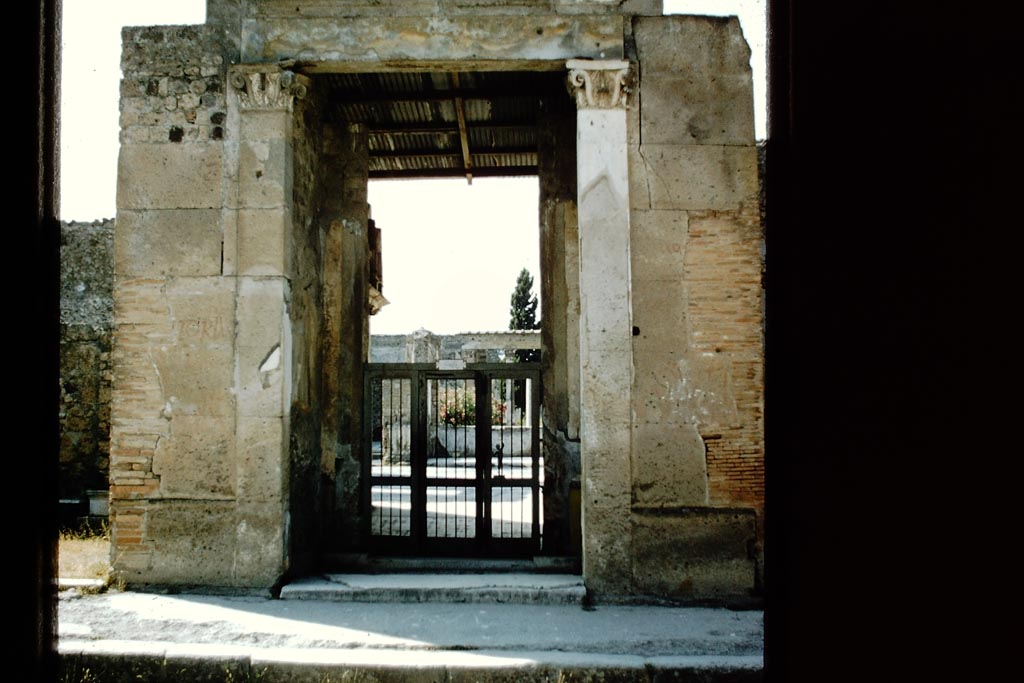
VI.12.2 Pompeii. 1957. Looking north to entrance doorway. Photo by Stanley A. Jashemski.
Source: The Wilhelmina and Stanley A. Jashemski archive in the University of Maryland Library, Special Collections (See collection page) and made available under the Creative Commons Attribution-Non-Commercial License v.4. See Licence and use details.
J57f0408
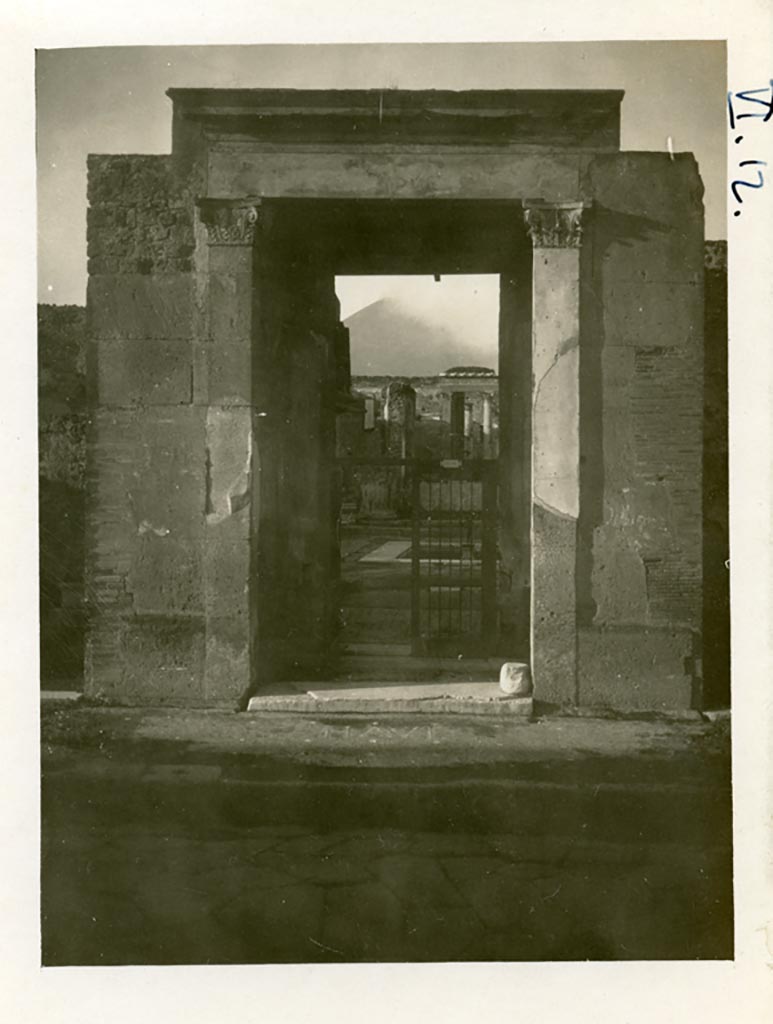
VI.12.2 Pompeii. pre-1937-39. Looking north to entrance doorway.
Photo courtesy of American Academy in Rome, Photographic Archive. Warsher collection no. 1415.
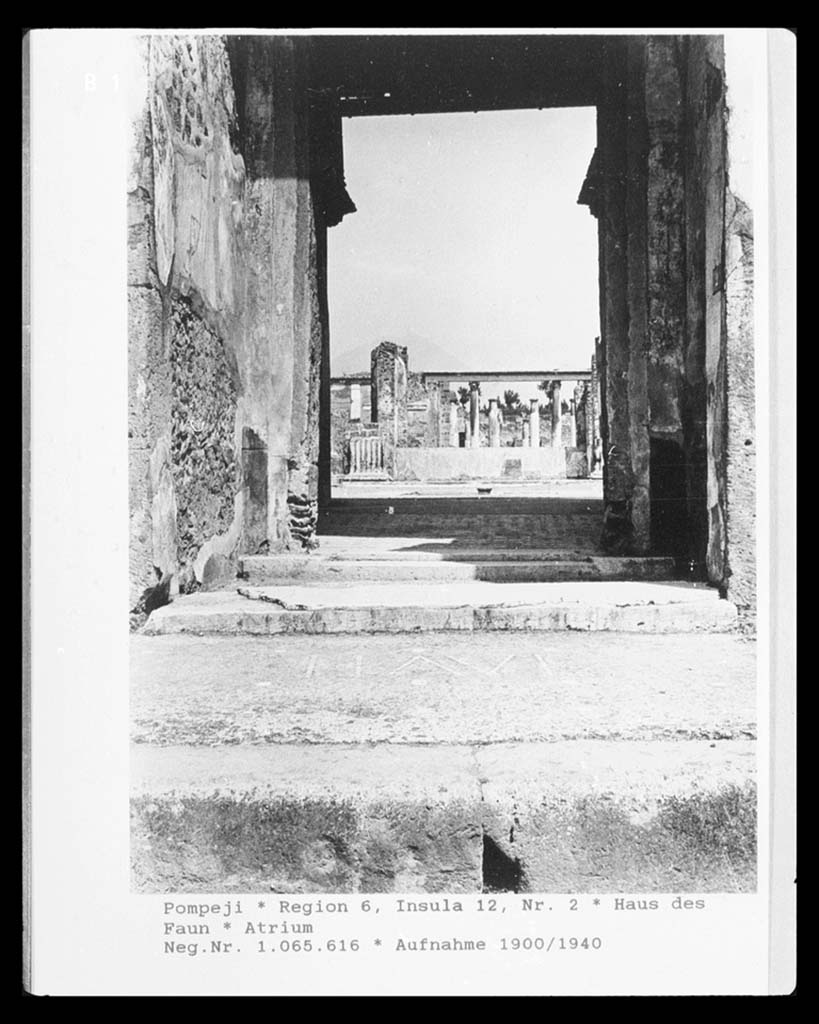
VI.12.2 Pompeii. 1895-1920? Entrance and vestibule, looking north to atrium.
Photo ©
Bildarchiv Foto Marburg / Foto: unbekannt; Aufn.-Datum: um 1895/1920?
Aufnahme-Nr. 1.065.616 (Vorschaubild).
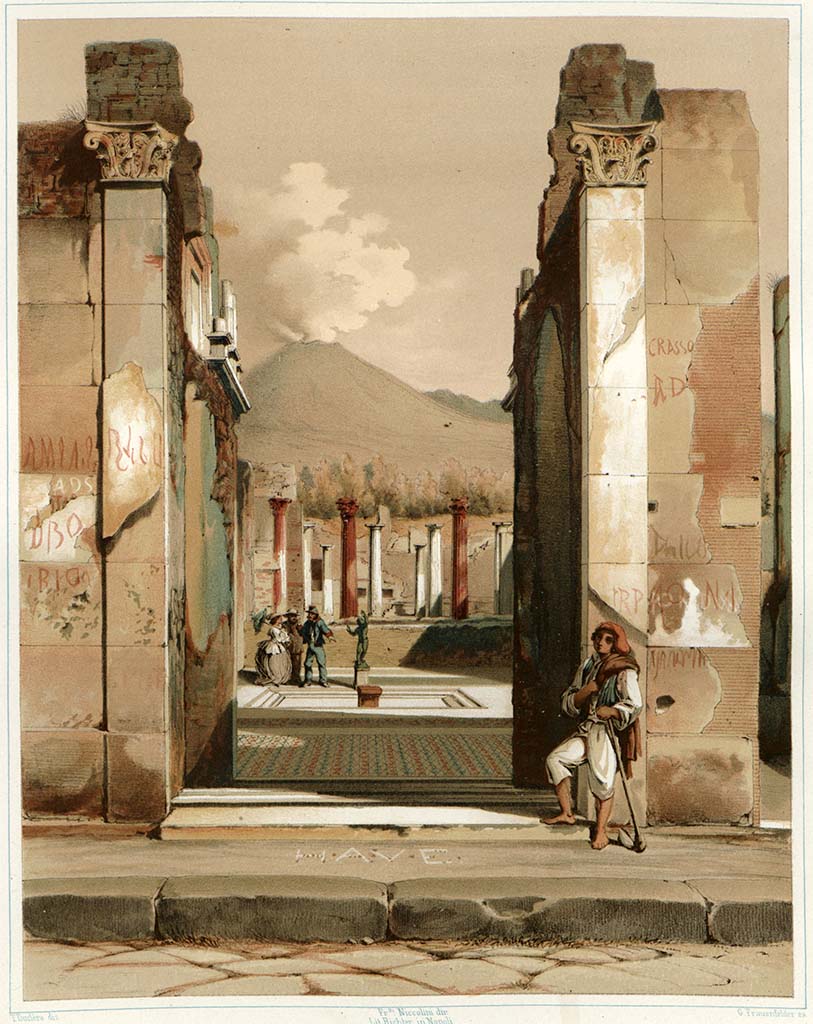
VI.12.2 Pompeii. Painting by T. Duclère showing entrance doorway
and remaining graffiti.
See Niccolini F, 1854.
Le case ed i monumenti di Pompei: Volume
Primo. Napoli, Casa detta del Fauno, Tav. IX.
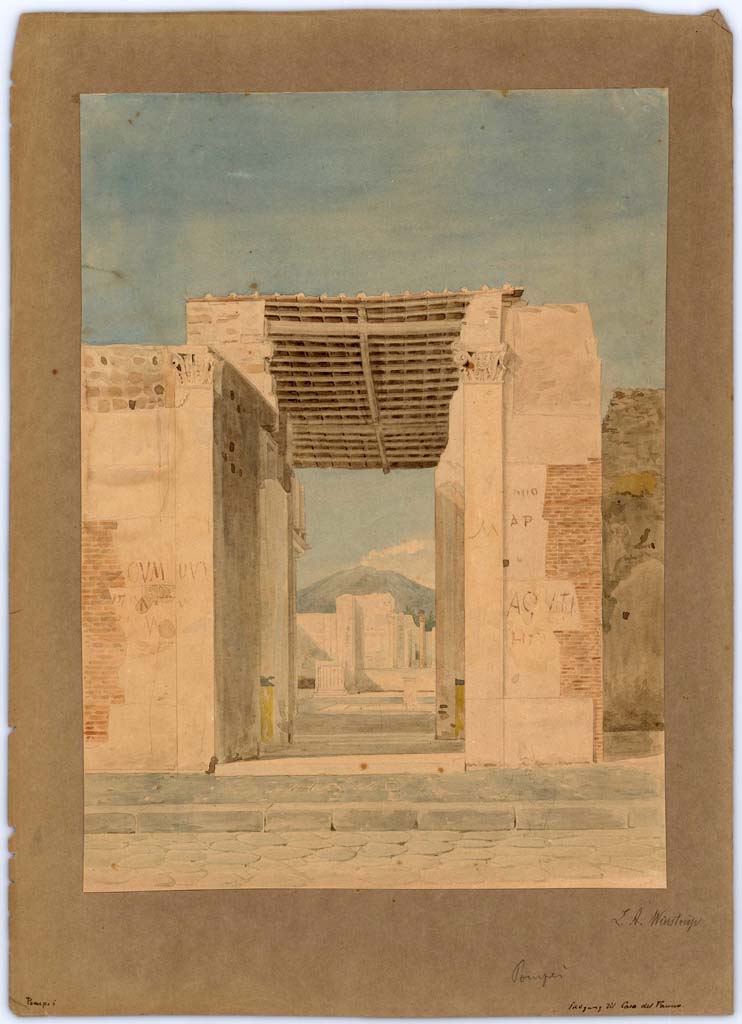
VI.12.2 Pompeii. 1849. Looking north towards entrance
doorway, painting by Laurits Albert
Winstrup.
Photo © Danmarks
Kunstbibliotek, inventory number ark_6083.
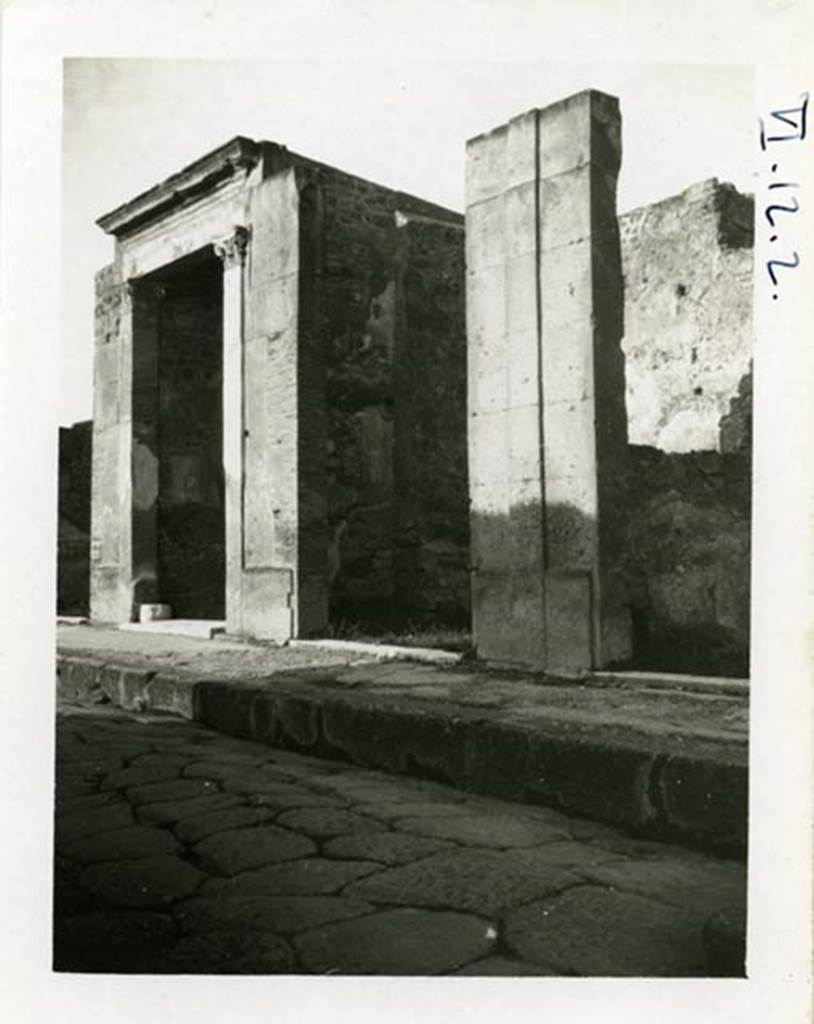
VI.12.2 Pompeii. pre-1937-39. Looking north-west on Via della Fortuna towards the entrance doorway.
Photo courtesy of American Academy in Rome, Photographic Archive. Warsher collection no. 1415b.
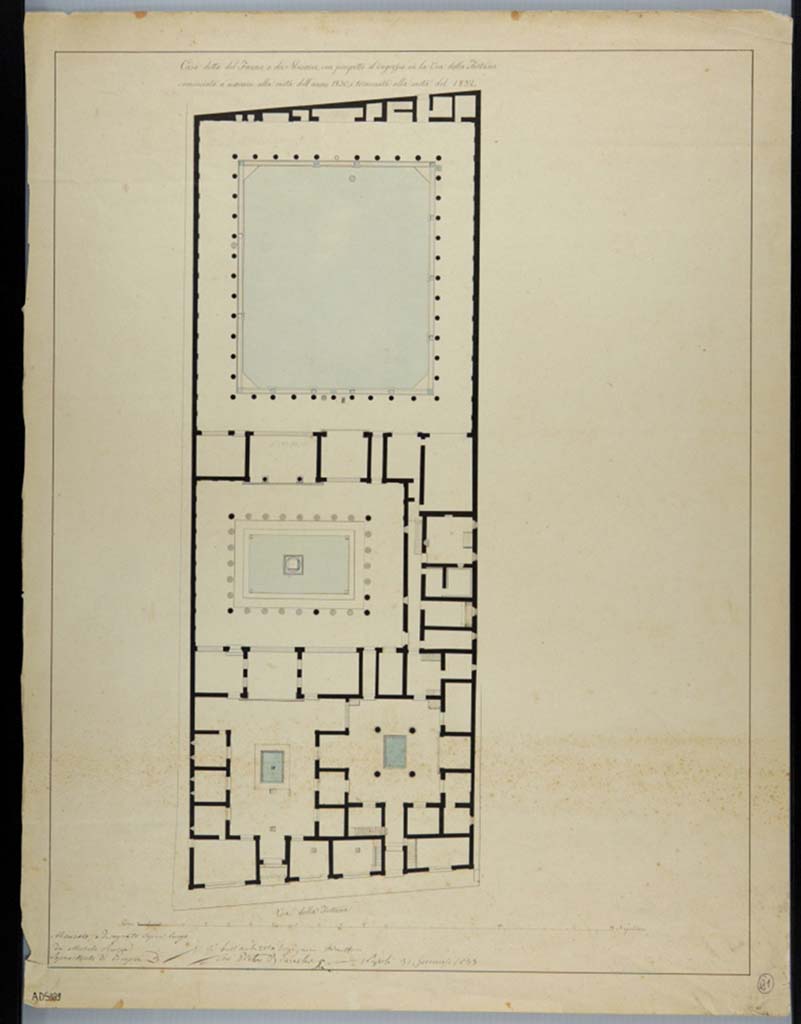
VI.12.2 and VI.12.5 Pompeii. Drawing of plan showing both houses by Michele Rusca.
Now in Naples Archaeological Museum. Inventory number ADS 389.
Photo © ICCD. https://www.catalogo.beniculturali.it
Utilizzabili alle
condizioni della licenza Attribuzione - Non commerciale - Condividi
allo stesso modo 2.5 Italia (CC BY-NC-SA 2.5 IT)
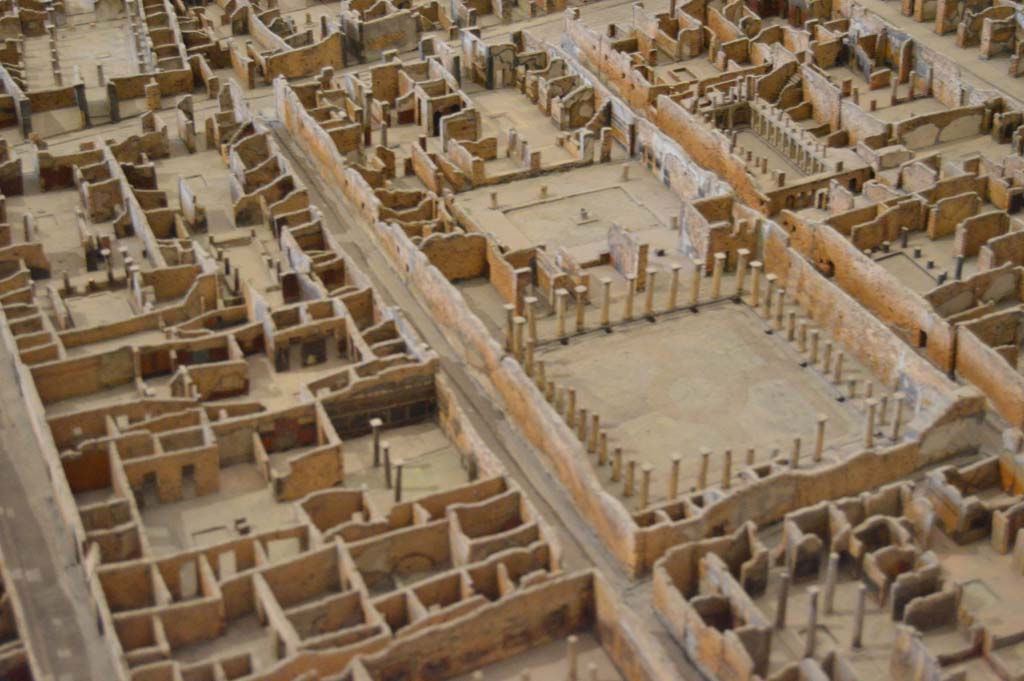
VI.12.5
and VI.12.2 Pompeii, in centre. Detail
from model in Naples Archaeological Museum.
Looking south from
rear peristyle towards middle peristyle, and atriums of both linked houses,
with entrances onto Via della Fortuna, at top.
Foto Taylor Lauritsen, ERC Grant 681269 DÉCOR.
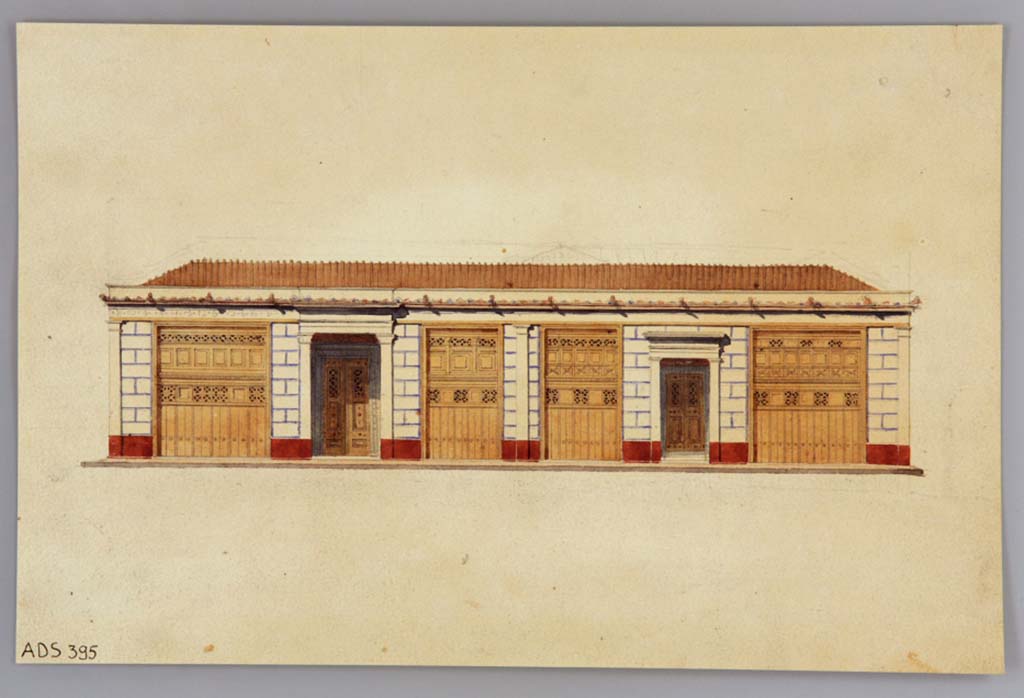
VI.12.1/2/3/4/5 and 6, Pompeii. Drawing by Pasquale Maria Veneri, of his idea of the reconstruction of the south exterior façade.
Now in Naples Archaeological Museum. Inventory number ADS 395.
Photo © ICCD. https://www.catalogo.beniculturali.it
Utilizzabili alle
condizioni della licenza Attribuzione - Non commerciale - Condividi
allo stesso modo 2.5 Italia (CC BY-NC-SA 2.5 IT)
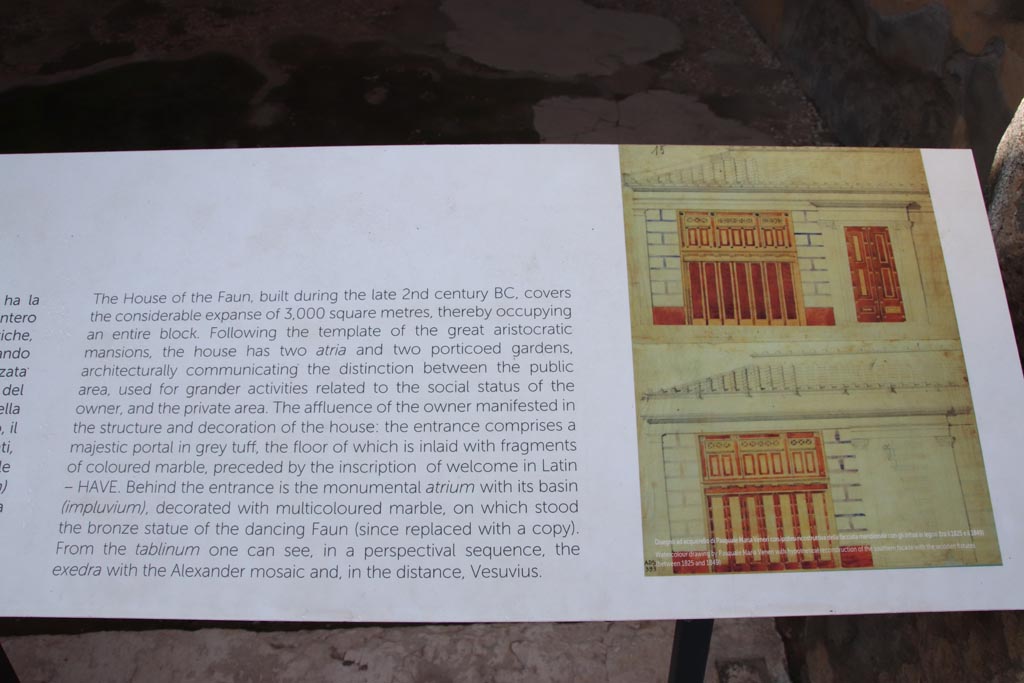
VI.12.2 Pompeii. October 2023. Description card. Photo
courtesy of Klaus Heese.
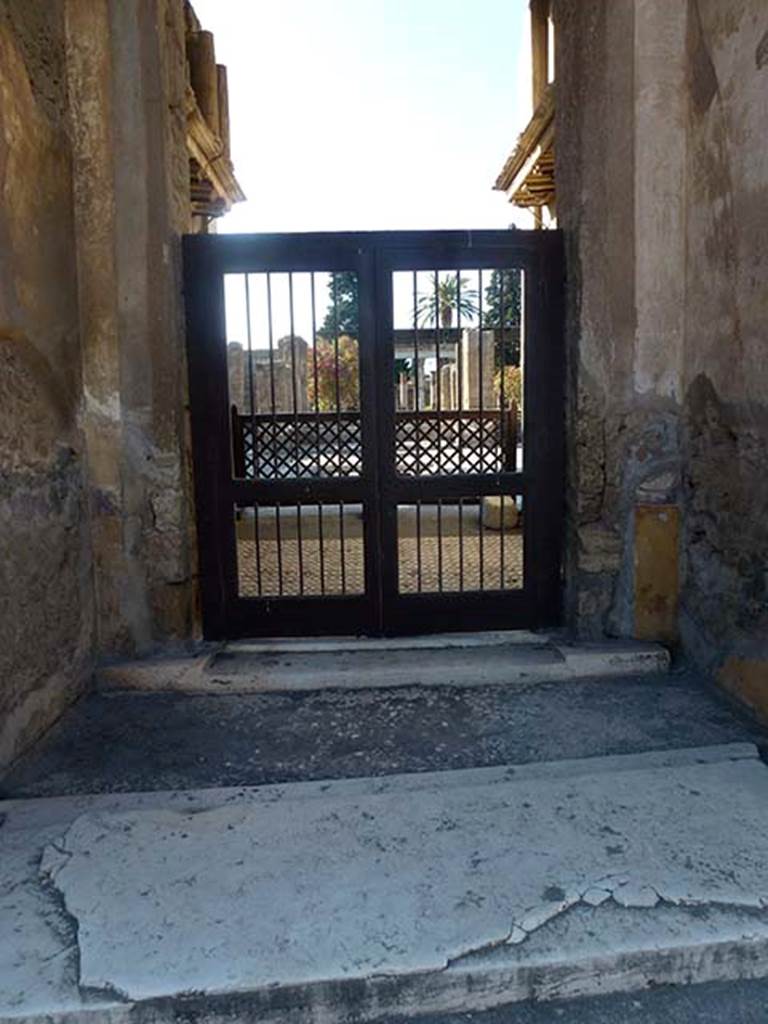
VI.12.2 Pompeii. June 2012. Looking north through entrance doorway. Photo courtesy of Michael Binns.
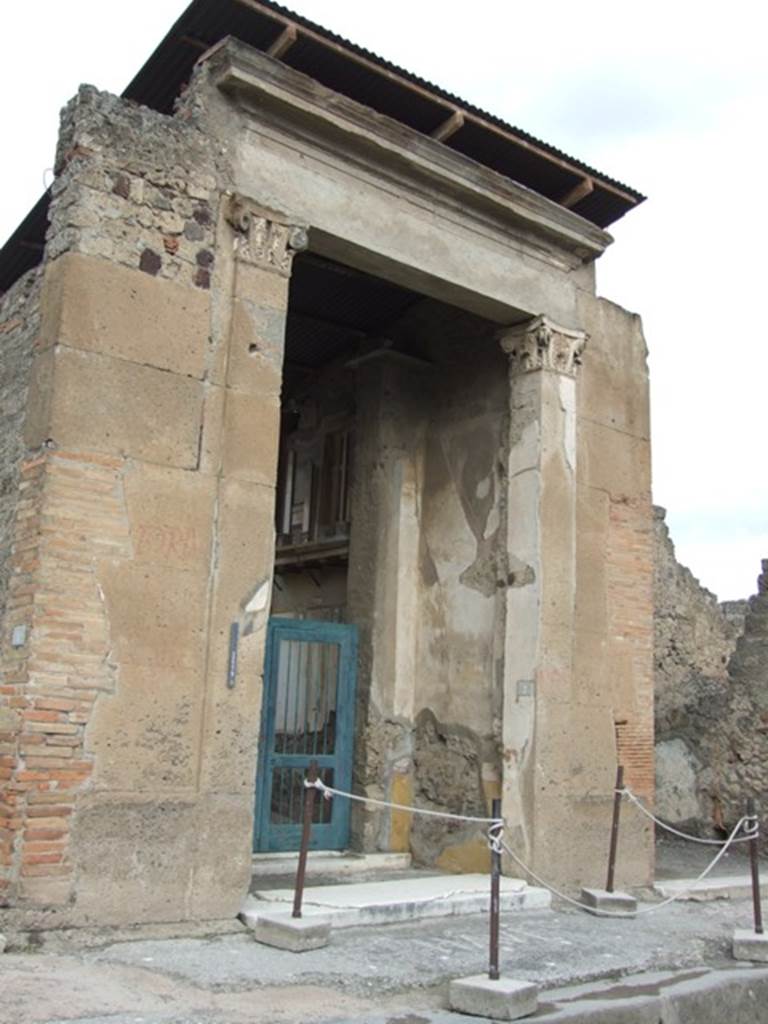
VI.12.2 Pompeii. December 2007. Entrance with HAVE (Welcome) written in the pavement.
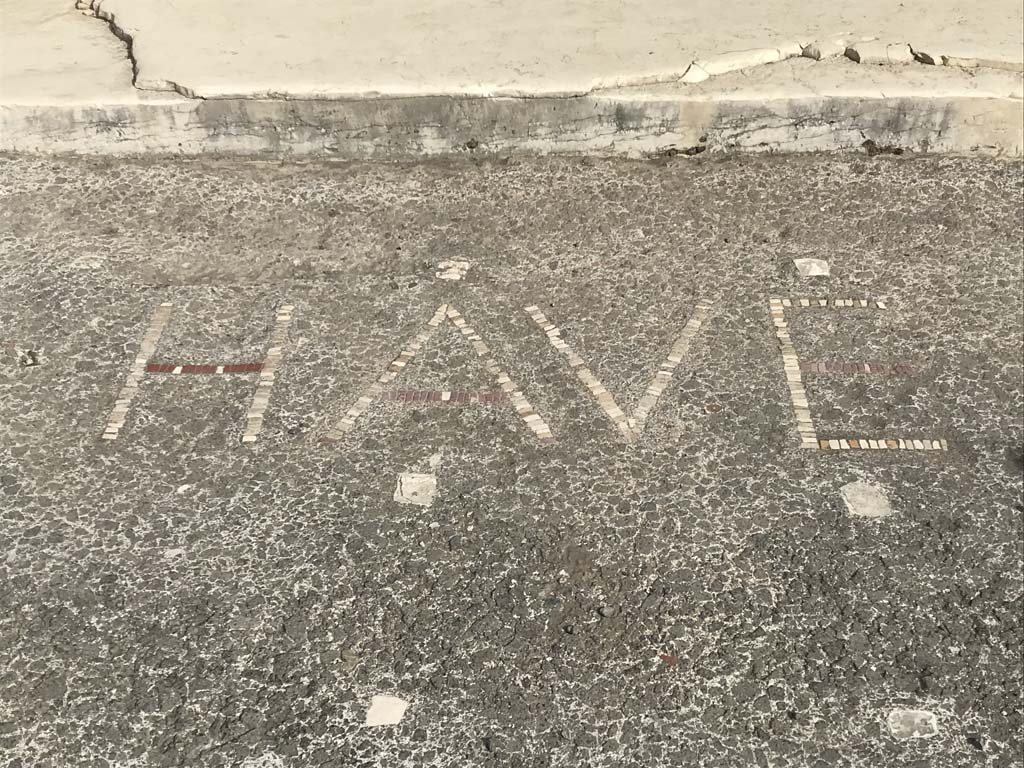
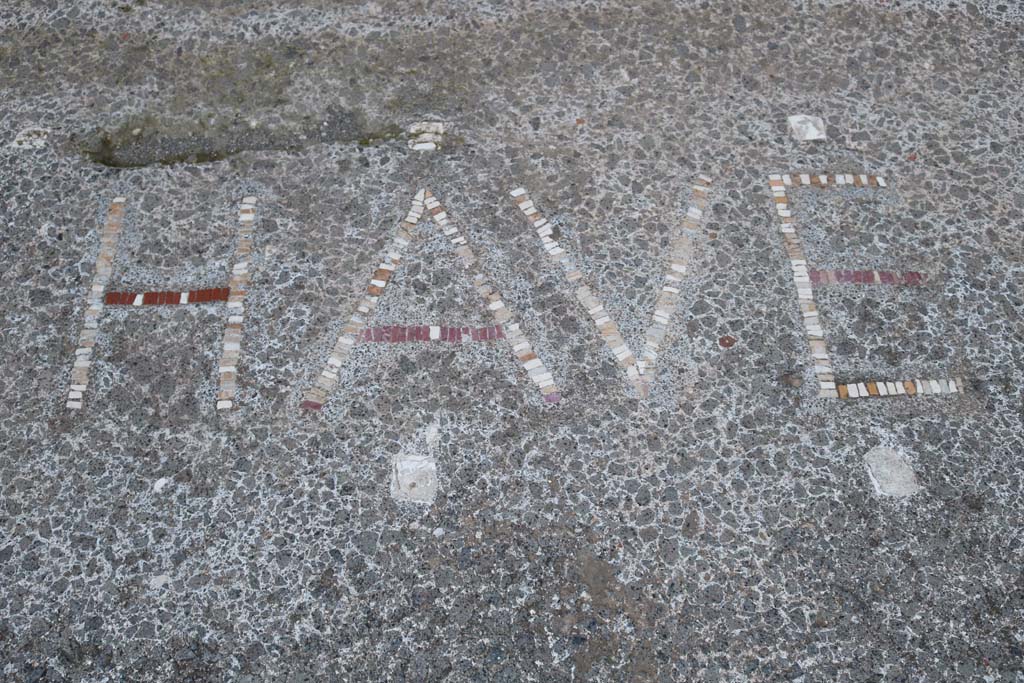
VI.12.2 Pompeii. December 2018. Detail of wording HAVE. Photo courtesy of Aude Durand.
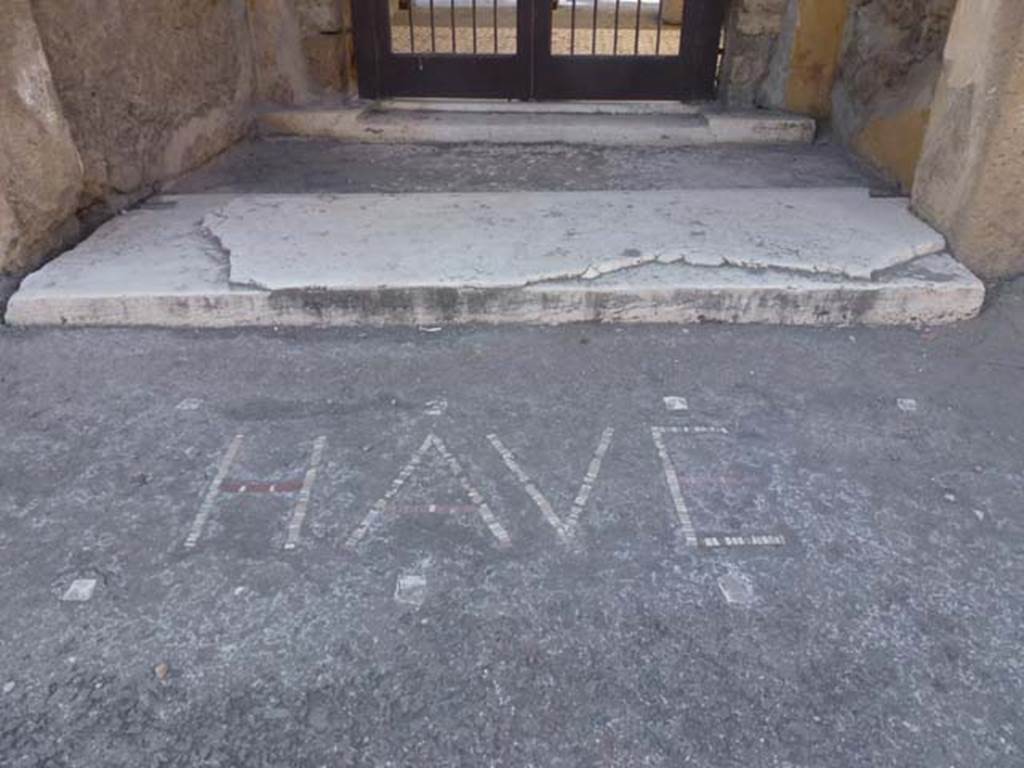
VI.12.2 Pompeii. June 2012. Entrance threshold or sill, with HAVE (Welcome) written in the pavement. Photo courtesy of Michael Binns.
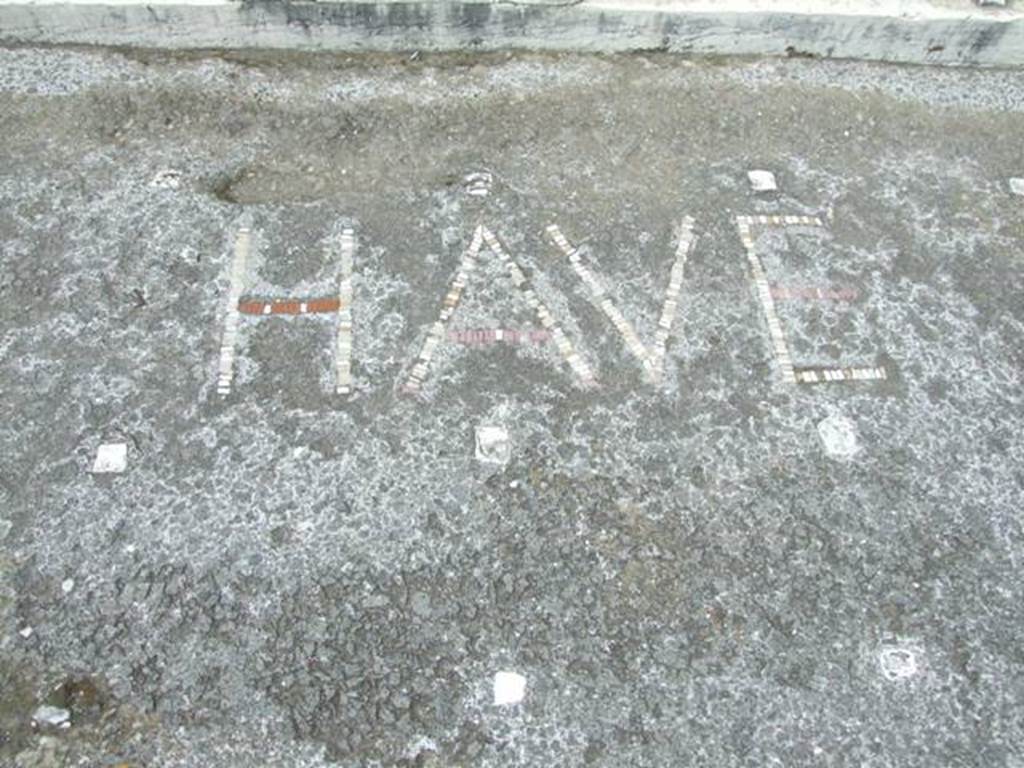
VI.12.2 Pompeii. March 2009. HAVE mosaic written in the pavement.
![VI.12.2 Pompeii. December 2007. Red painted graffiti to left of entrance. According to Varone and Stefani, many graffiti were found on this side of the doorway. The only one still partly readable, being CIL IV 2886. See Varone, A. and Stefani, G., 2009. Titulorum Pictorum Pompeianorum, Rome: L’erma di Bretschneider, (p.322-328)
According to Epigraphik-Datenbank Clauss/Slaby (See www.manfredclauss.de), CIL IV 2886 read as –
[M(arcum) Ar]torium I[Iv(irum)] v(irum) [b(onum)] [CIL IV 2886]](6%2012%2002%20p1_files/image033.jpg)
VI.12.2 Pompeii. December 2007. Red painted graffiti to left of entrance.
According to Varone and Stefani, many graffiti were found on this side of the doorway.
The only one still partly readable, being CIL IV 2886.
See Varone, A. and Stefani, G., 2009. Titulorum Pictorum Pompeianorum, Rome: L’erma di Bretschneider, (p.322-328)
According to Epigraphik-Datenbank Clauss/Slaby (See www.manfredclauss.de), CIL IV 2886 read as –
[M(arcum)
Ar]torium I[Iv(irum)] v(irum) [b(onum)]
[CIL IV 2886]
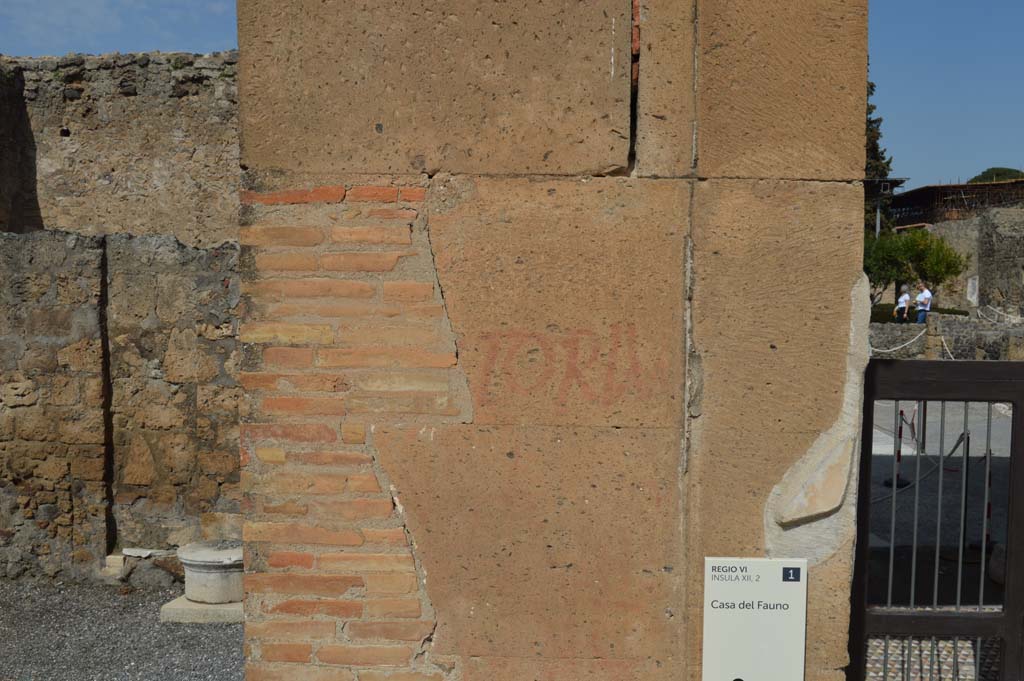
VI.12.2 Pompeii. March
2018. Pilaster on west (left) side of entrance doorway.
Foto Taylor Lauritsen, ERC
Grant 681269 DÉCOR.
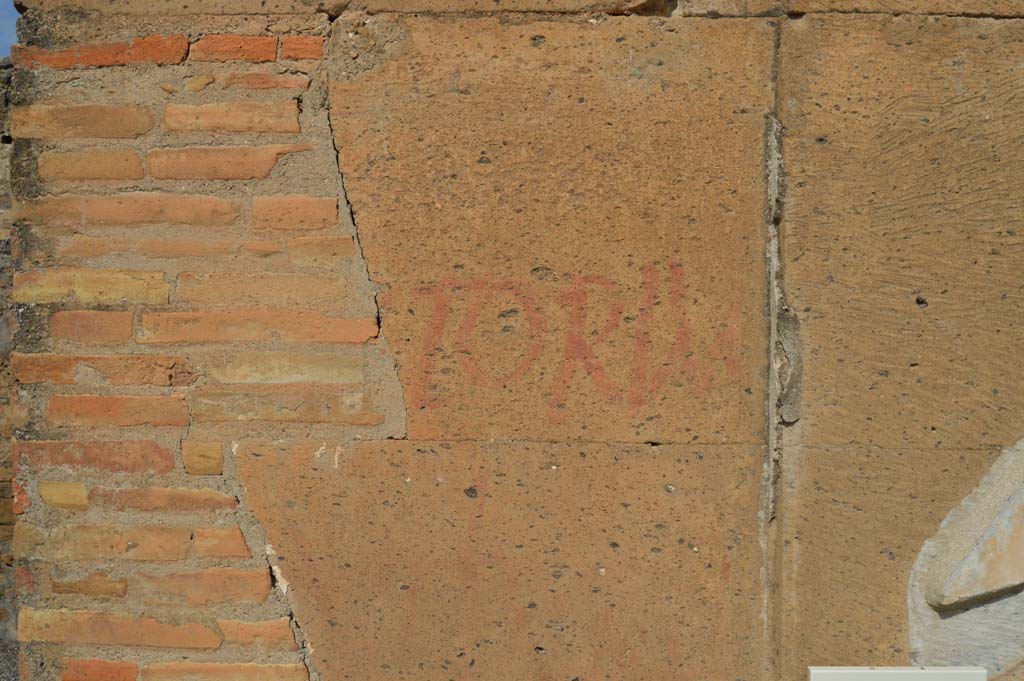
VI.12.2 Pompeii. March 2018. Detail of remaining graffiti on
pilaster on west (left) side of entrance doorway.
Foto Taylor Lauritsen, ERC
Grant 681269 DÉCOR.
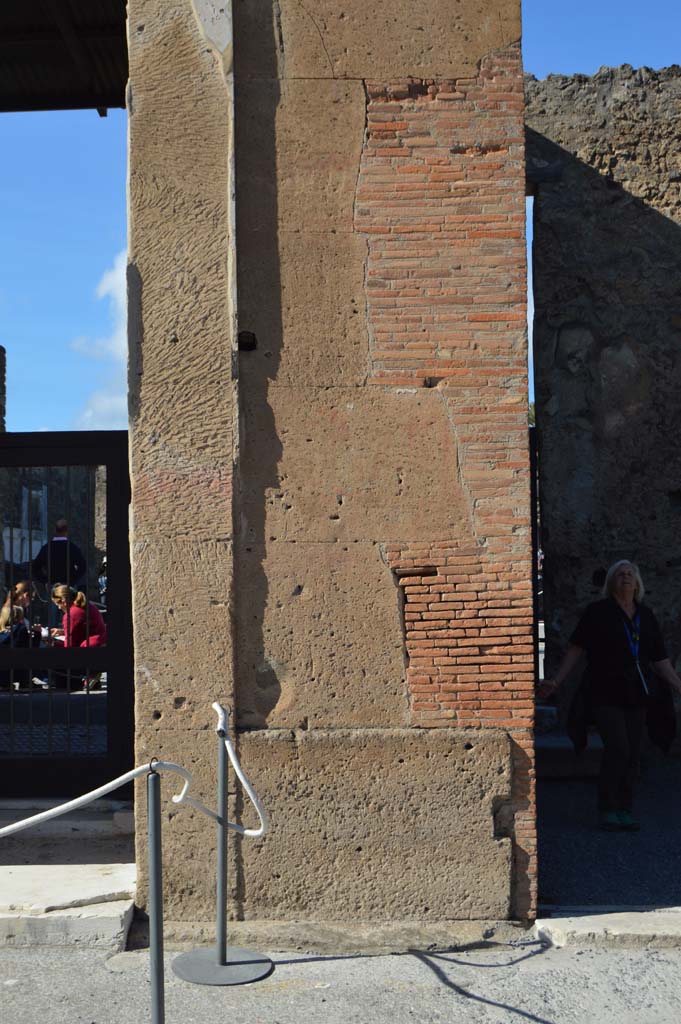
VI.12.2 Pompeii. March
2019. Pilaster on east (right) side of entrance doorway.
Foto
Taylor Lauritsen, ERC Grant 681269 DÉCOR.
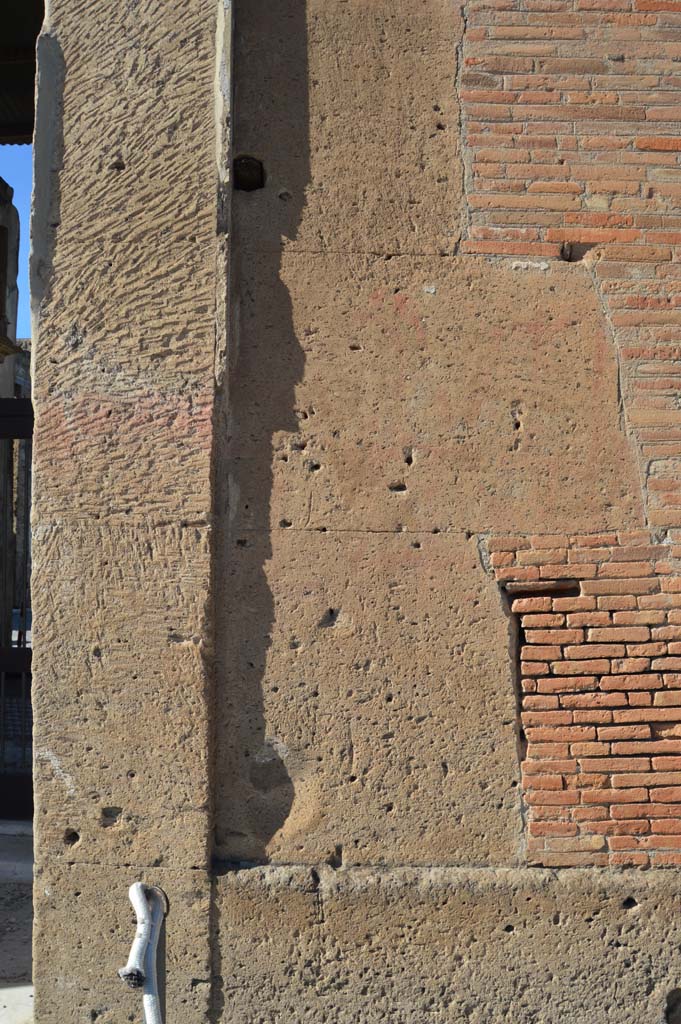
VI.12.2 Pompeii. March
2019. Detail from pilaster on east (right) side of entrance doorway.
Foto Taylor Lauritsen, ERC
Grant 681269 DÉCOR
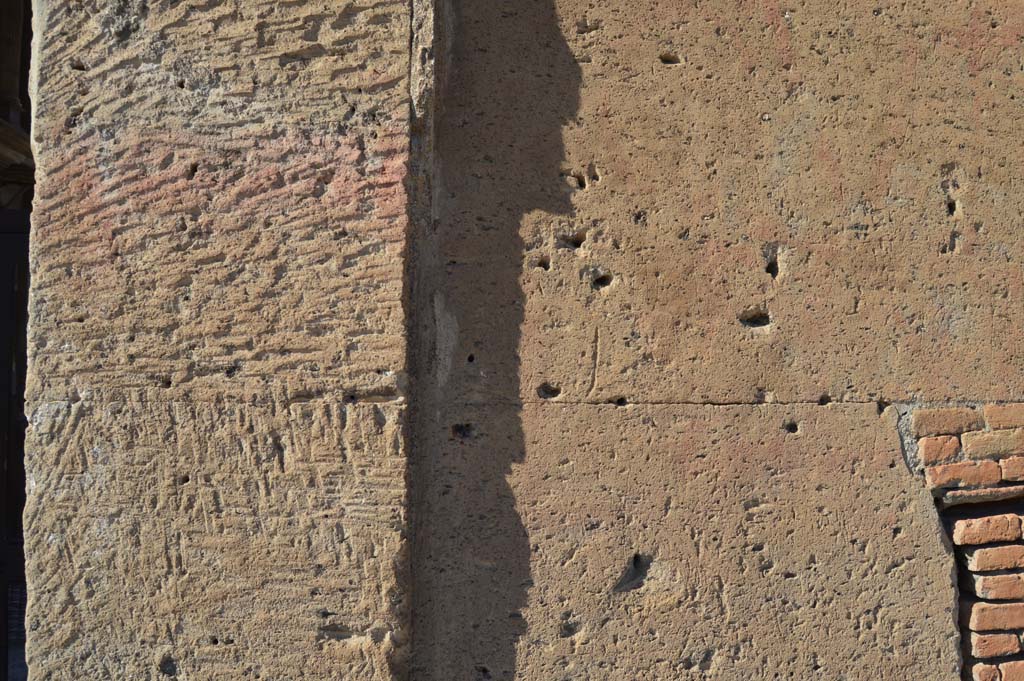
VI.12.2 Pompeii. March 2019. Detail from pilaster on east (right)
side of entrance doorway.
Foto Taylor Lauritsen, ERC
Grant 681269 DÉCOR
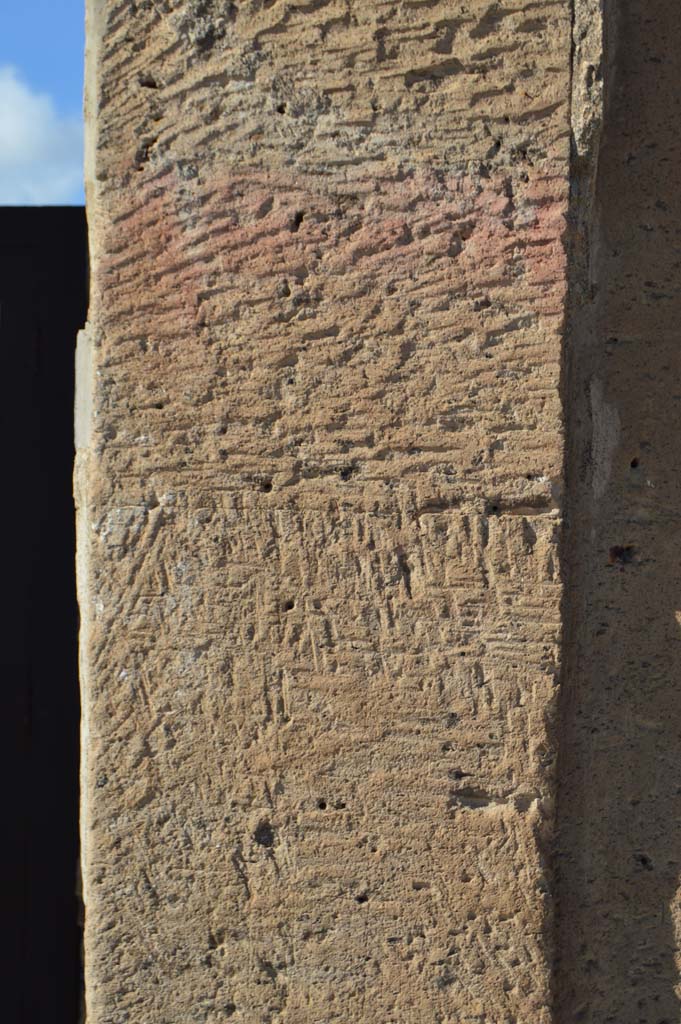
VI.12.2 Pompeii. March
2019. Detail from pilaster on east (right) side of entrance doorway.
Foto Taylor Lauritsen, ERC
Grant 681269 DÉCOR
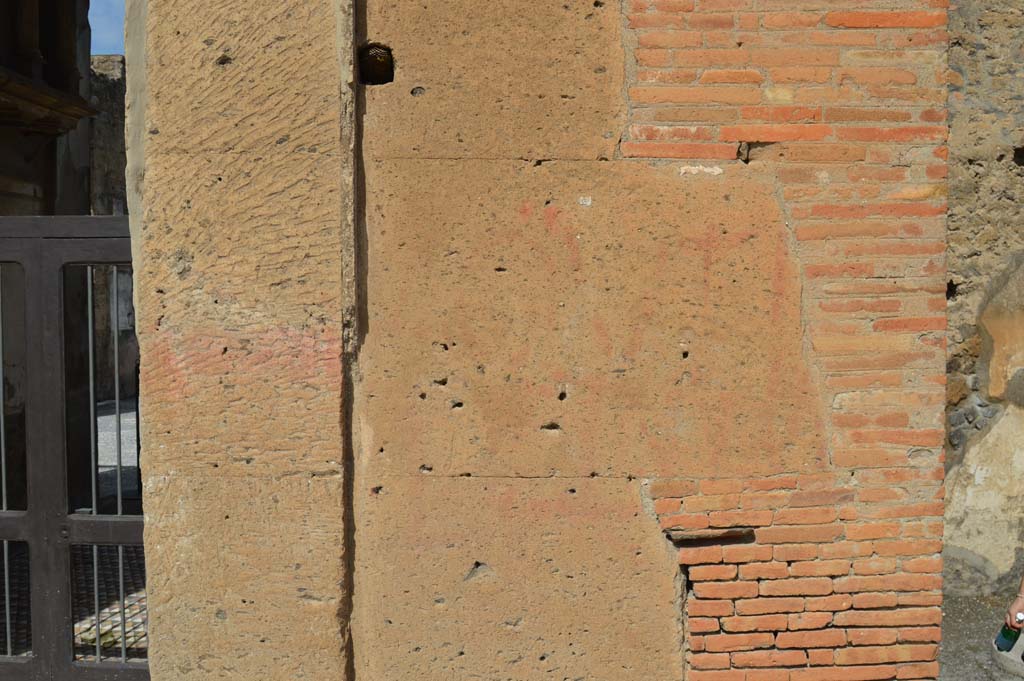
VI.12.2 Pompeii. March
2018. Detail of remaining red painted graffiti on pilaster on east (right) side
of entrance doorway.
Foto
Taylor Lauritsen, ERC Grant 681269 DÉCOR.
![VI.12.2 Pompeii. December 2007. Red painted graffiti to right of entrance. According to Varone and Stefani, many graffiti were found on this side of the doorway. The only two still very faintly readable, being CIL IV 2882 (at the top) and CIL IV 14 (in the middle). See Varone, A. and Stefani, G., 2009. Titulorum Pictorum Pompeianorum, Rome: L’erma di Bretschneider, (p.322-328)
According to Epigraphik-Datenbank Clauss/Slaby (See www.manfredclauss.de), these read as –
] Homo[3]
[3]art[ [CIL IV 15 = CIL IV 2882]
[3] Aquti(um) [3] [CIL IV 14]](6%2012%2002%20p1_files/image042.jpg)
VI.12.2 Pompeii. December 2007. Red painted graffiti to right of entrance.
According to Varone and Stefani, many graffiti were found on this side of the doorway.
The only two still very faintly readable, being CIL IV 2882 (at the top) and CIL IV 14 (in the middle).
See Varone, A. and Stefani, G., 2009. Titulorum Pictorum Pompeianorum, Rome: L’erma di Bretschneider, (p.322-328)
According to Epigraphik-Datenbank Clauss/Slaby (See www.manfredclauss.de), these read as –
] Homo[3]
[3]art[ [CIL IV 15 = CIL IV
2882]
[3] Aquti(um) [3] [CIL IV 14]
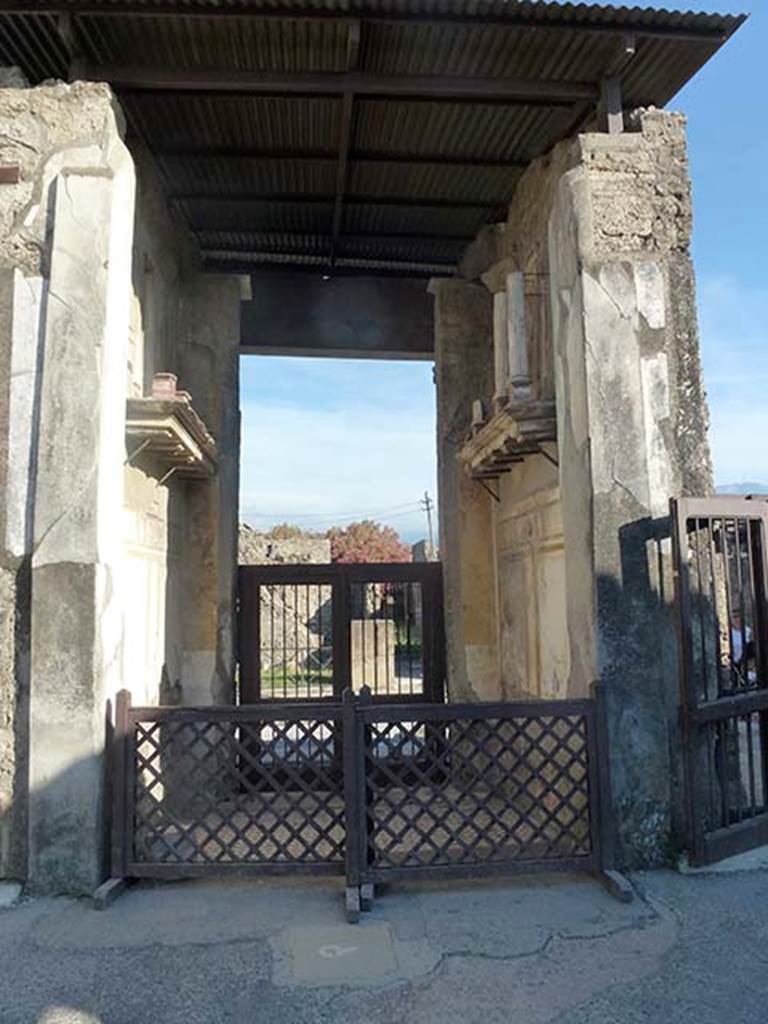
VI.12.2 Pompeii. June 2012. Looking south towards entrance doorway. Photo courtesy of Michael Binns.
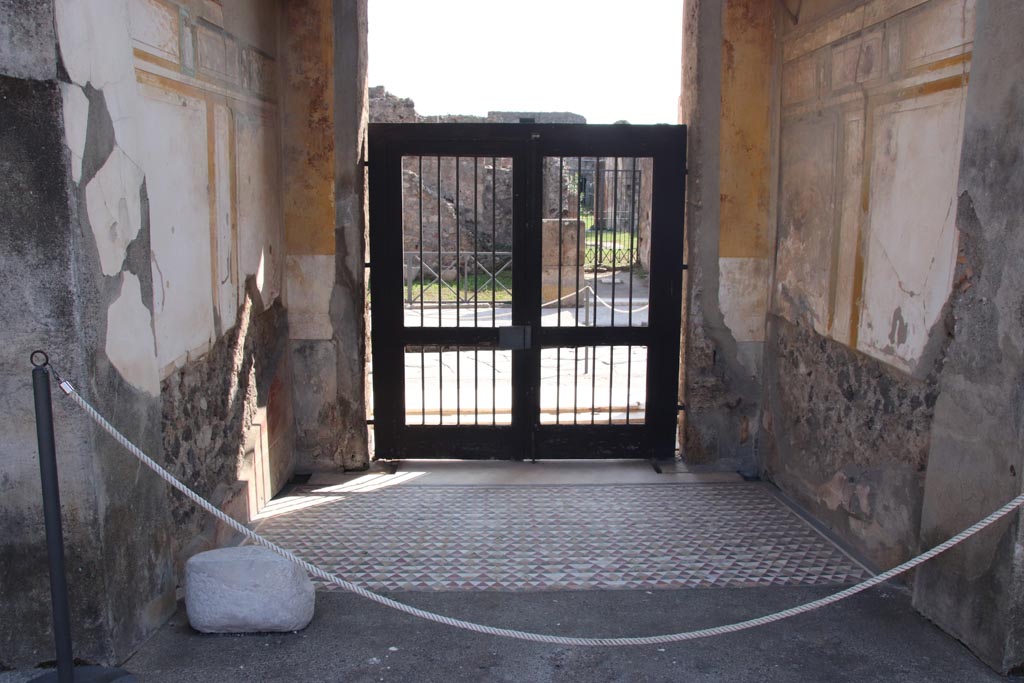
VI.12.2 Pompeii. October 2023. Looking south through entrance
doorway. Photo courtesy of Klaus Heese.
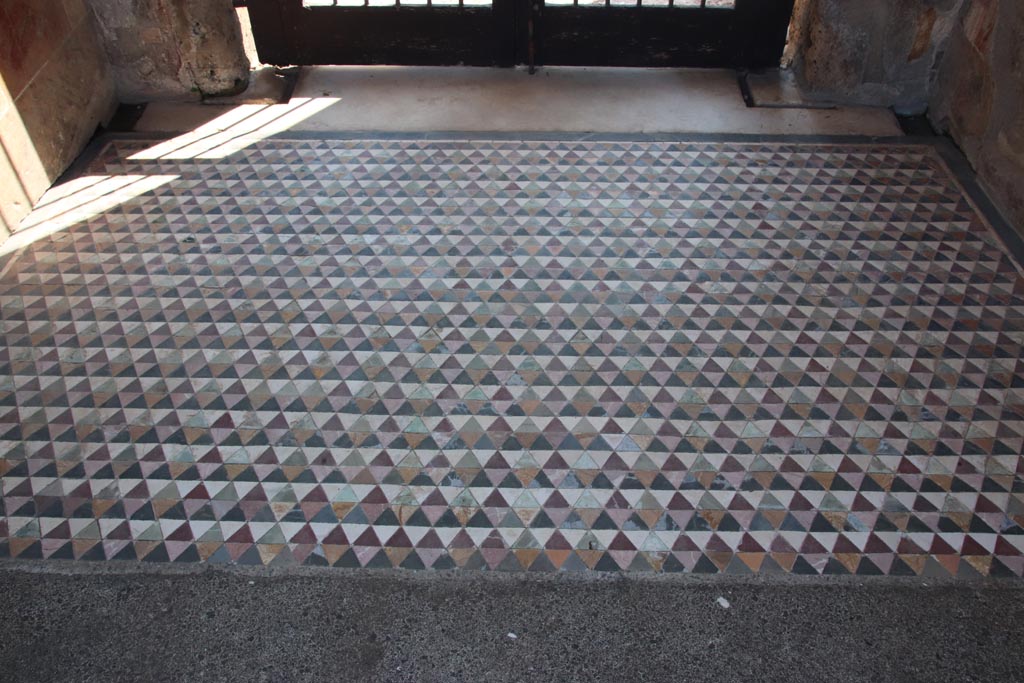
VI.12.2 Pompeii. October 2022. Entrance corridor/fauces, looking south from interior.
The flooring is made of small triangular pieces of marble and slate – red, yellow, green, white and black. Photo courtesy of Klaus Heese.
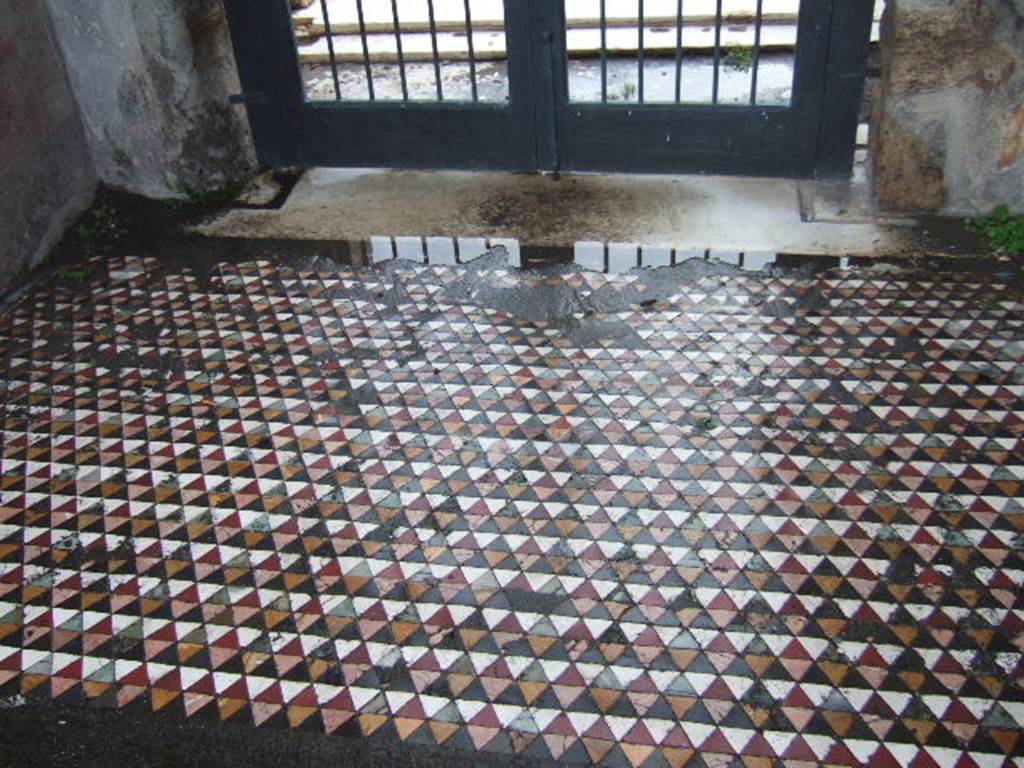
VI.12.2 Pompeii. December 2005. Entrance corridor, or fauces, floor.
Made of small triangular pieces of marble and slate – red, yellow, green, white and black.
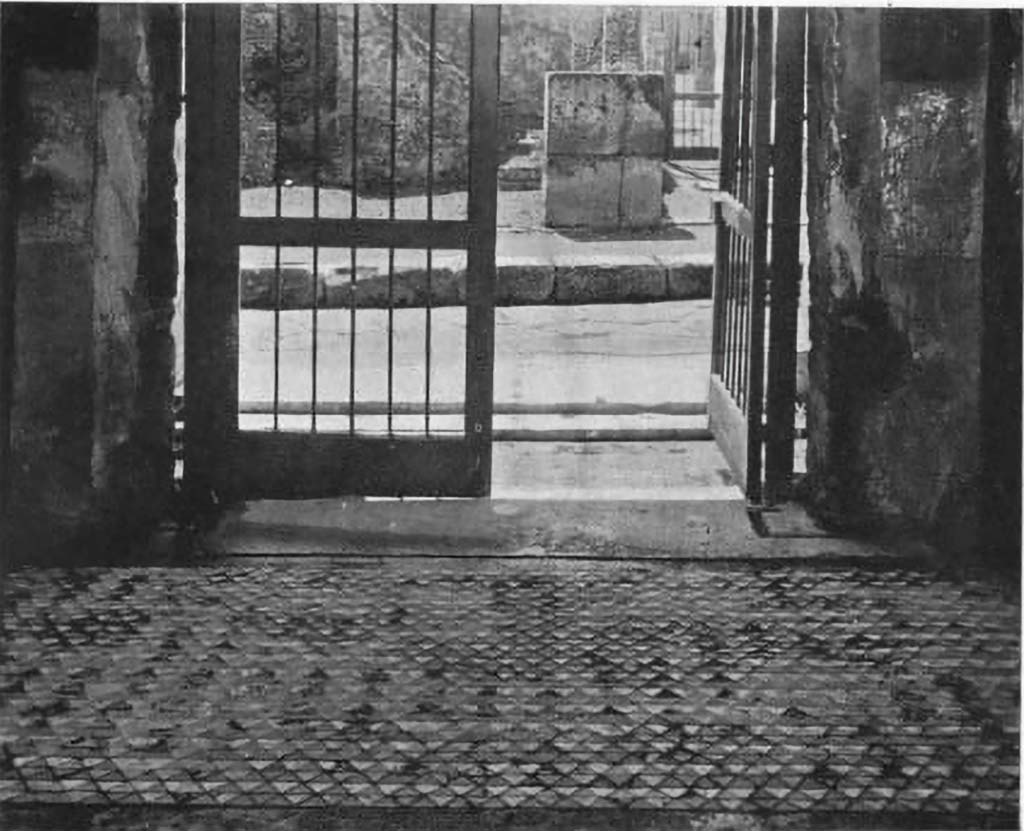
VI.12.2 Pompeii. c.1930. Entrance corridor,
looking south to open doorway.
See Blake, M., (1930). The pavements of the
Roman Buildings of the Republic and Early Empire. Rome, MAAR, 8, (p. 39,
& Pl. 6, tav.3).
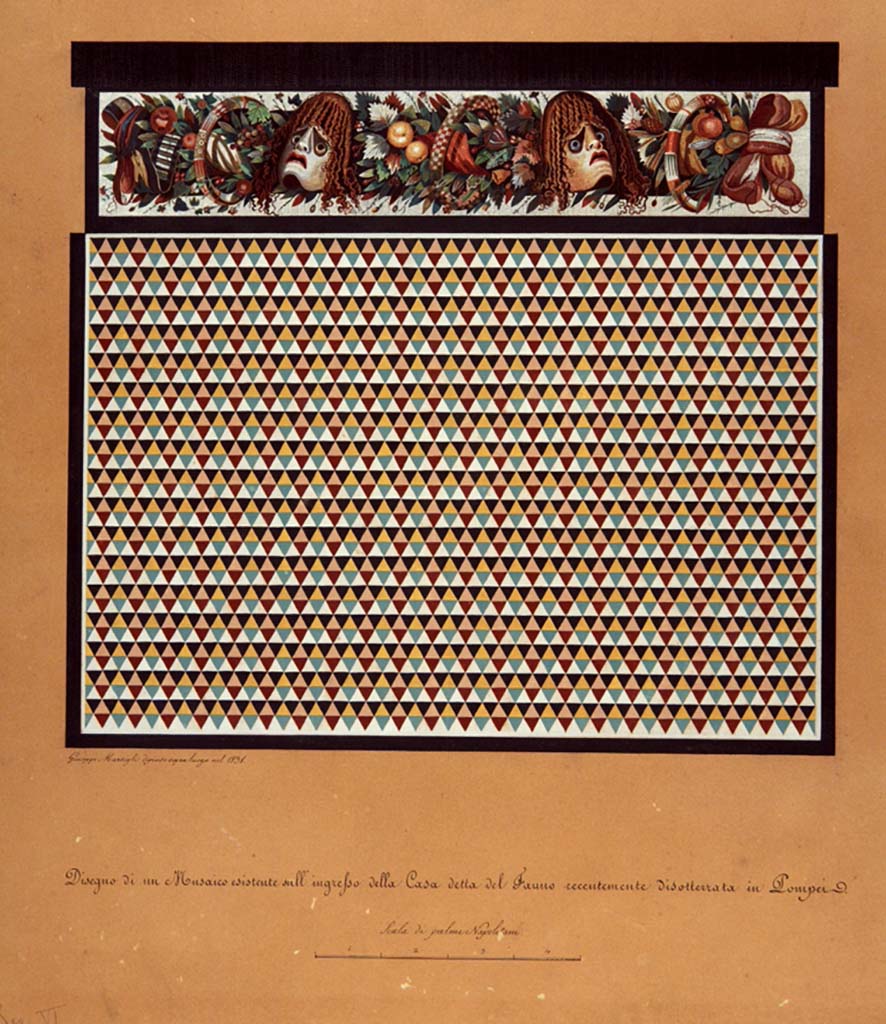
VI.12.2 Pompeii. Painting by Giuseppe Marsigli, 1831, entitled design of a mosaic existing at the entrance of the house called “of the faun”.
This painting included the opus sectile flooring of the vestibule together with the threshold leading into the atrium.
Now in Naples Archaeological Museum. Inventory number ADS 396.
Photo © ICCD. https://www.catalogo.beniculturali.it
Utilizzabili alle condizioni della licenza Attribuzione
- Non commerciale - Condividi allo stesso modo 2.5 Italia (CC BY-NC-SA 2.5 IT)
The threshold was then cut and detached and taken to Naples Archaeological Museum. Inventory number 9994.
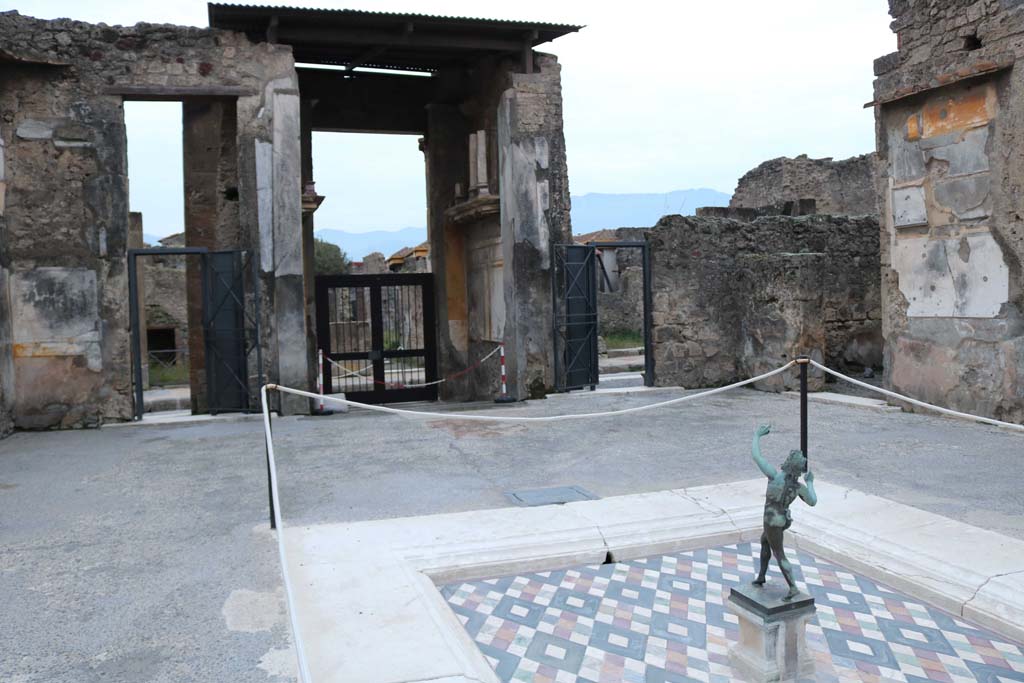
VI.12.2 Pompeii. December 2018.
Looking south-east across impluvium in atrium, towards entrance doorway, in centre. Photo courtesy of Aude Durand.
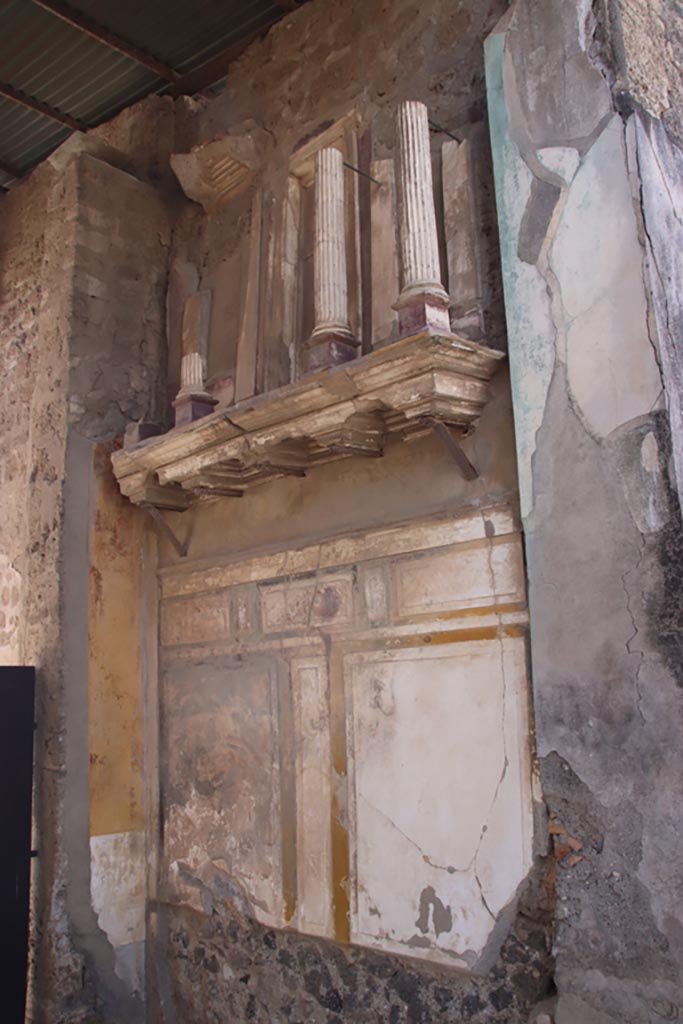
VI.12.2 Pompeii. October 2023.
Entrance fauces/corridor, looking towards west wall with shelf, on which is placed a façade with small columns.
Photo courtesy of Klaus Heese.
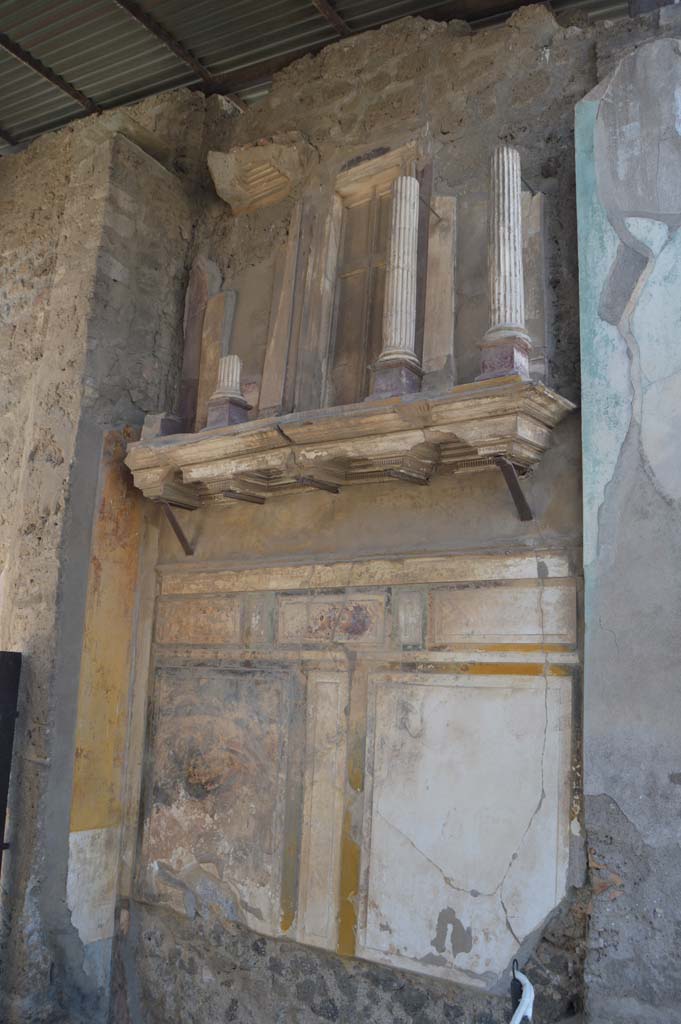
VI.12.2 Pompeii. October 2017.
Entrance fauces/corridor, looking towards west wall with shelf, on which is placed a façade with small columns.
Foto Taylor Lauritsen, ERC
Grant 681269 DÉCOR.
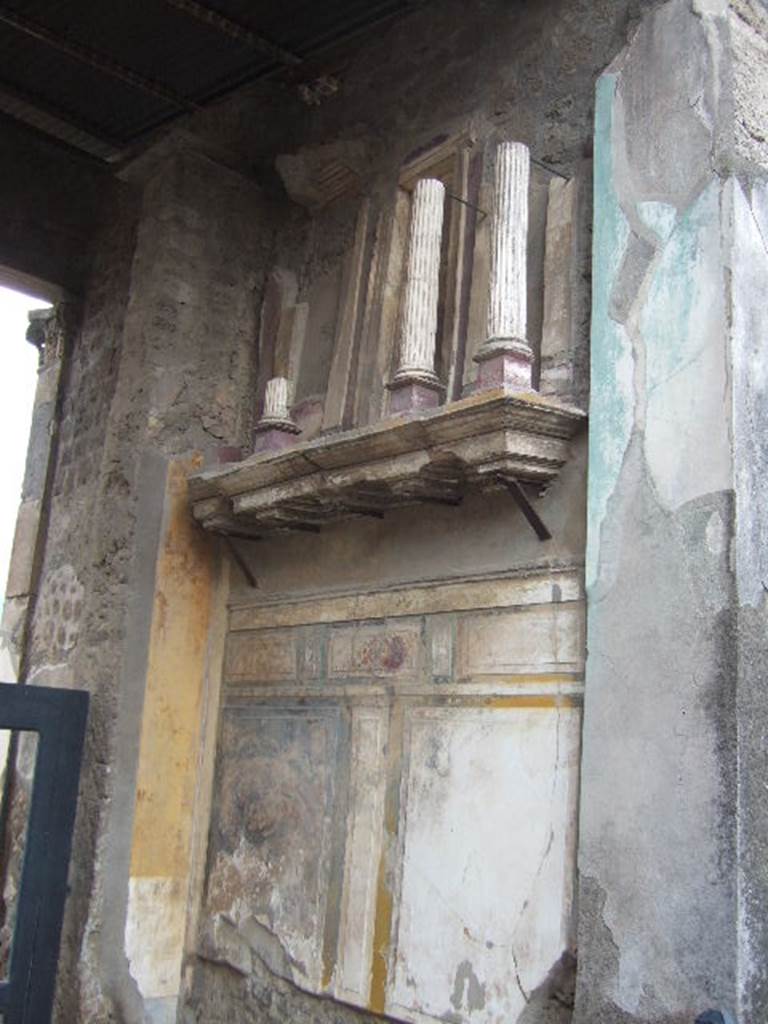
VI.12.2 Pompeii. December 2005.
Entrance fauces. West wall with shelf, on which is placed a façade with small columns.
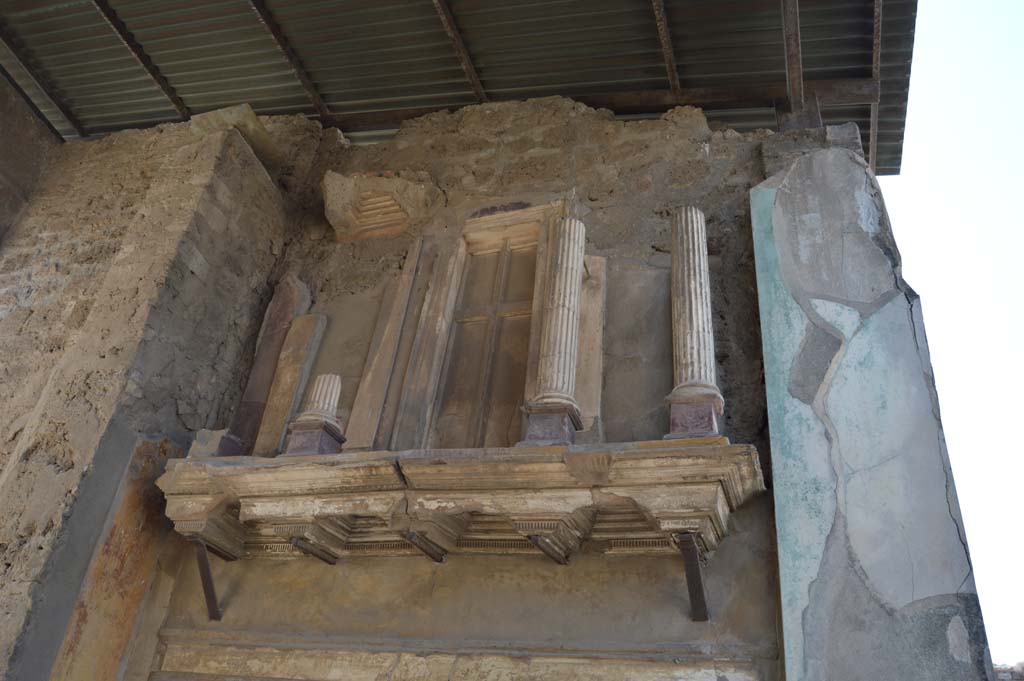
VI.12.2 Pompeii. October 2017.
Entrance fauces/corridor,
upper west wall with shelf and façade with small columns and a false door.
Foto Taylor Lauritsen, ERC
Grant 681269 DÉCOR.
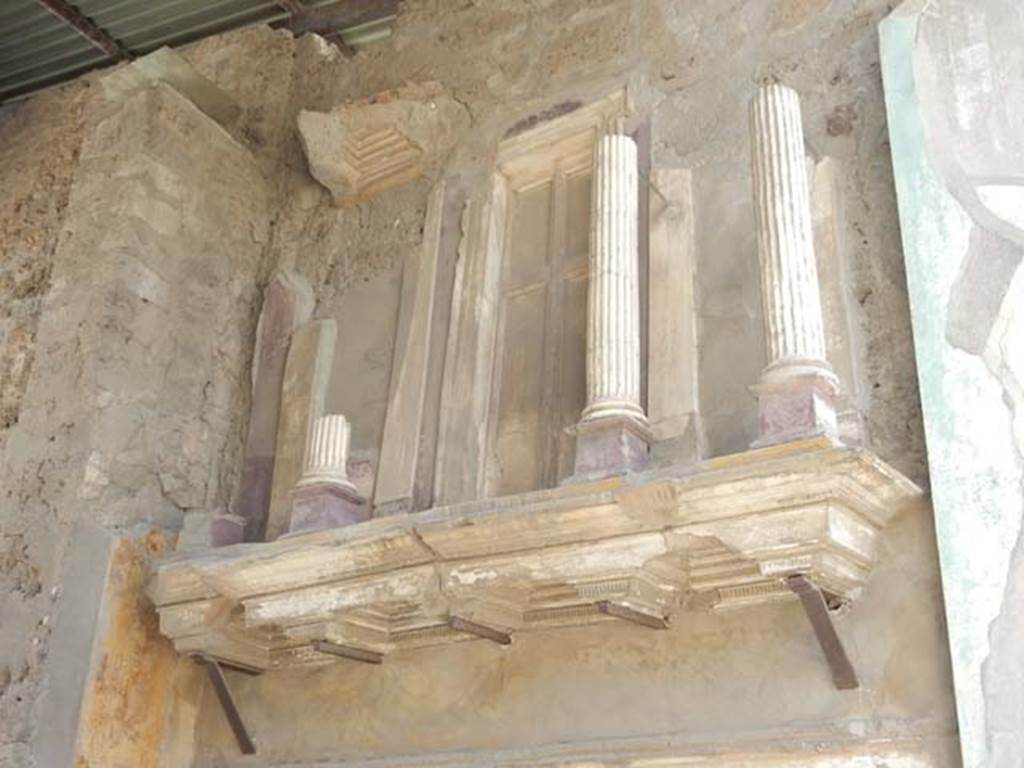
VI.12.2 Pompeii. May 2015.
Entrance fauces, upper west wall with shelf and façade with small columns. Photo courtesy of Buzz Ferebee.
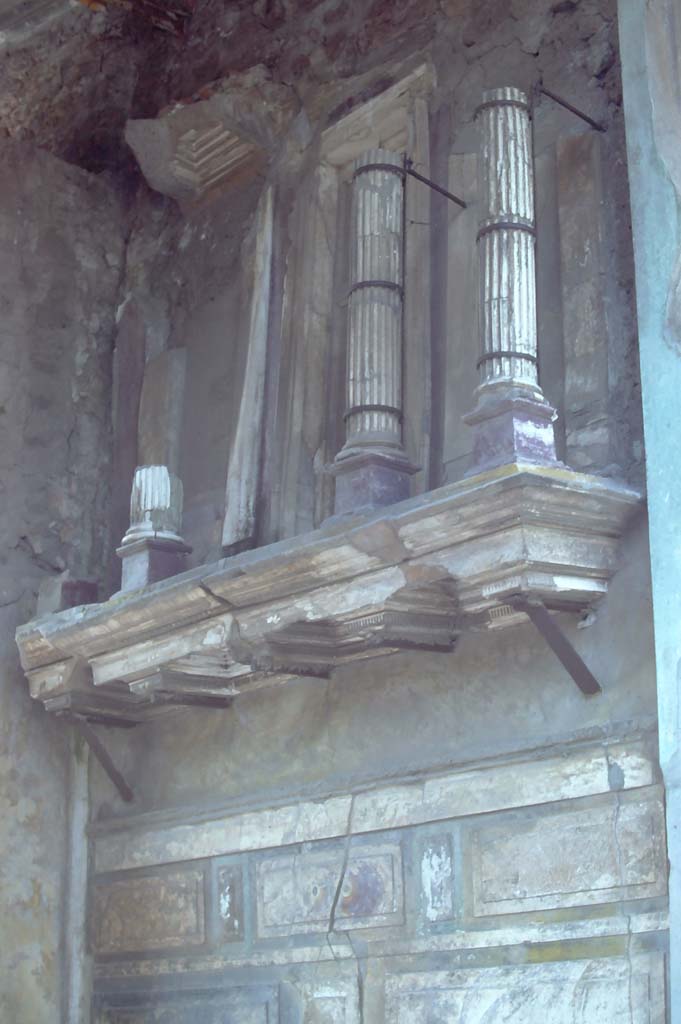
VI.12.2 Pompeii, 7th August 1976. Entrance fauces, upper
west wall with shelf and façade with small columns.
Photo courtesy of Rick Bauer, from Dr George Fay’s slides
collection.
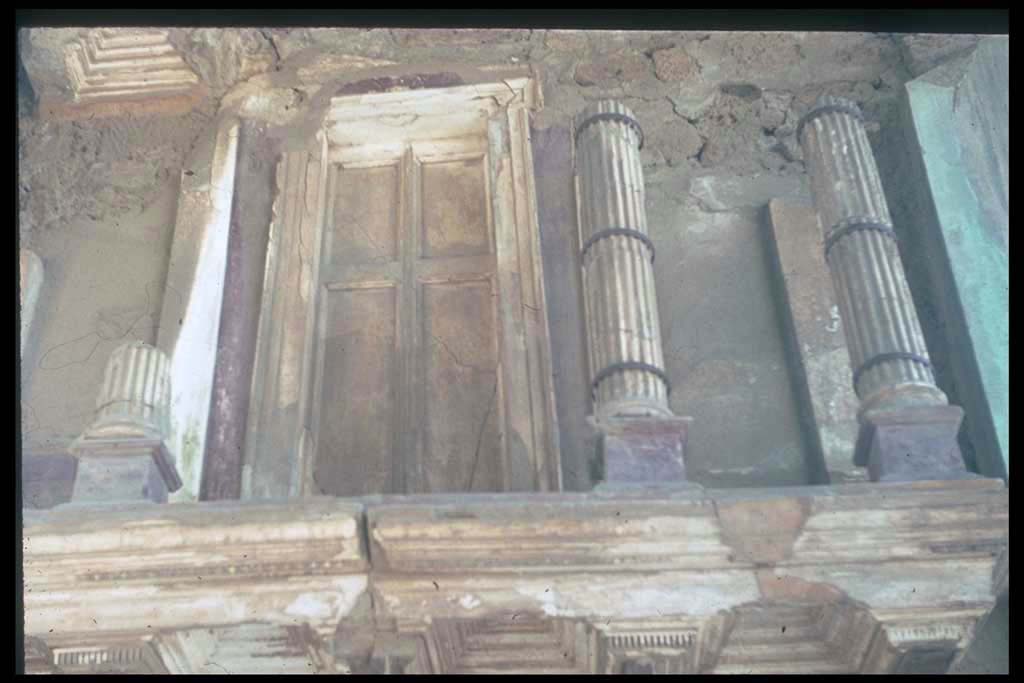
VI.12.2 Pompeii. Fauces. Small columns on west side.
Photographed 1970-79 by Günther Einhorn, picture courtesy of his son Ralf Einhorn.
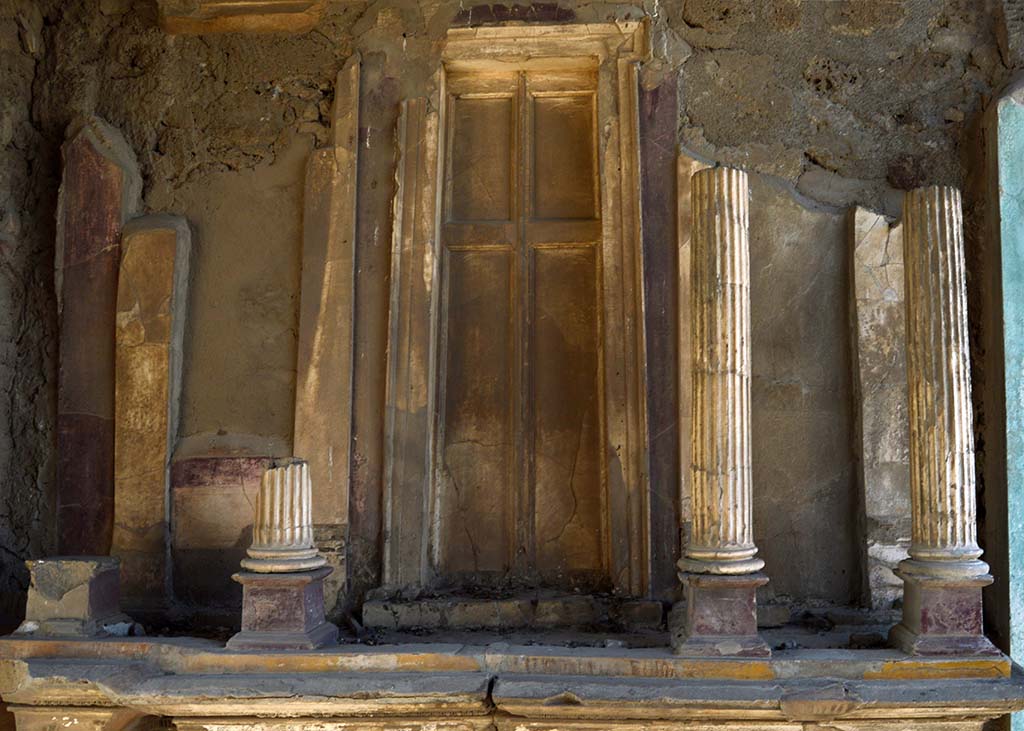
VI.12.2 Pompeii.
October 2017. False door on upper west side of entrance corridor.
Foto
Taylor Lauritsen, ERC Grant 681269 DÉCOR.
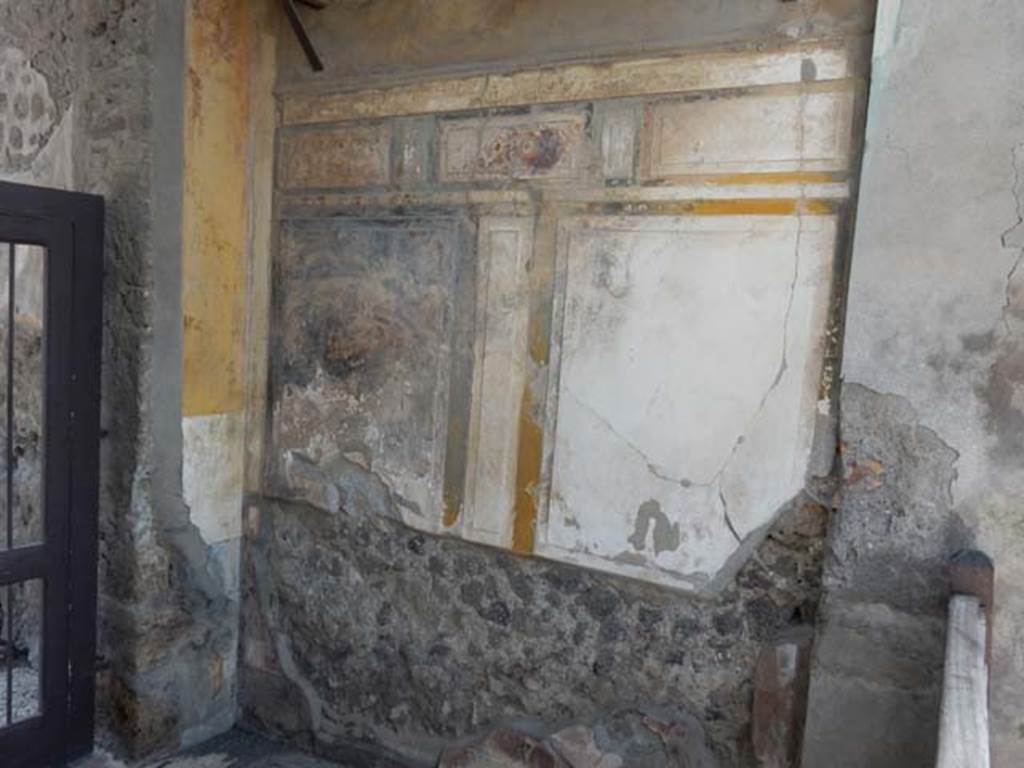
VI.12.2 Pompeii. May 2015. Entrance fauces, lower west wall. Photo courtesy of Buzz Ferebee.
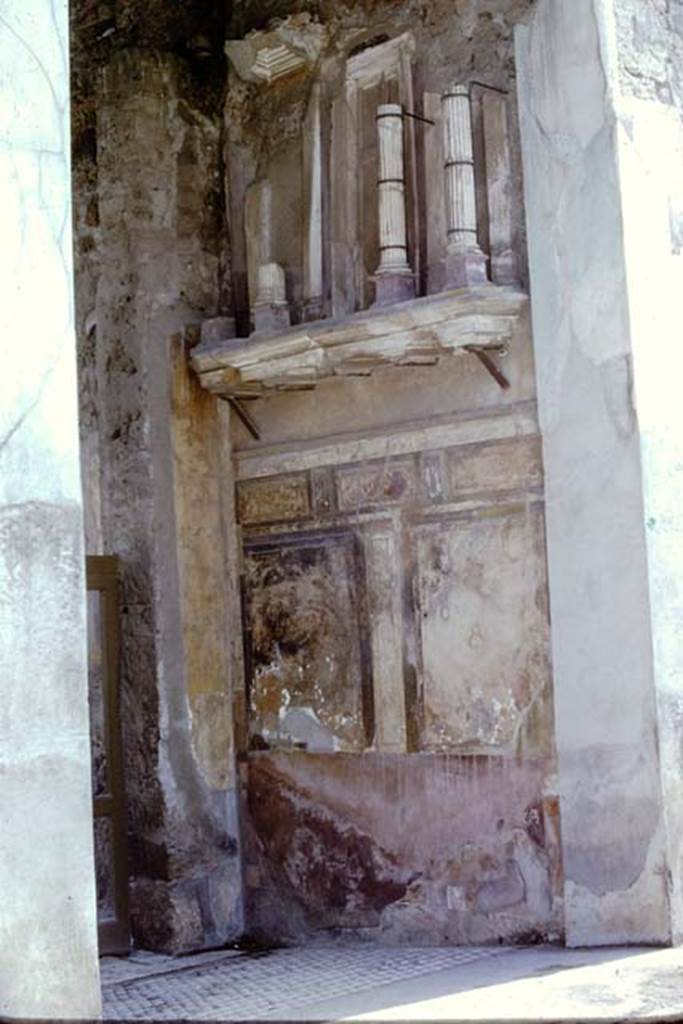
VI.12.2 Pompeii. 1961. West side of entrance fauces. Photo by Stanley A. Jashemski.
Source: The Wilhelmina and Stanley A. Jashemski archive in the University of Maryland Library, Special Collections (See collection page) and made available under the Creative Commons Attribution-Non-Commercial License v.4. See Licence and use details.
J61f0433
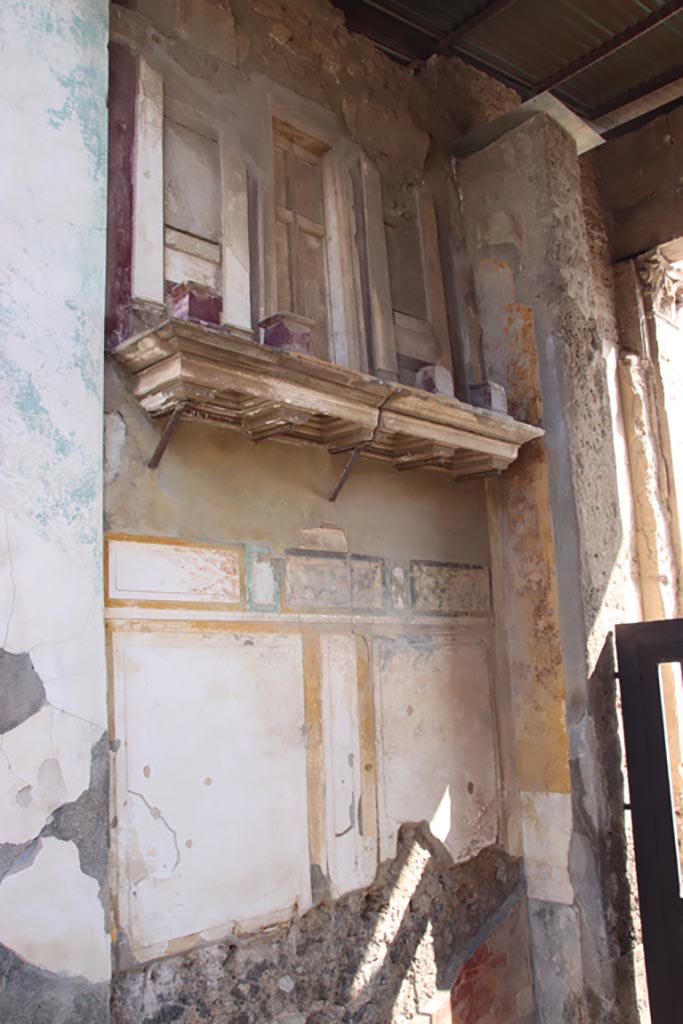
VI.12.2 Pompeii. October 2023.
Entrance fauces. East wall with shelf, on which is placed a façade with small columns.
Photo courtesy of Klaus Heese.
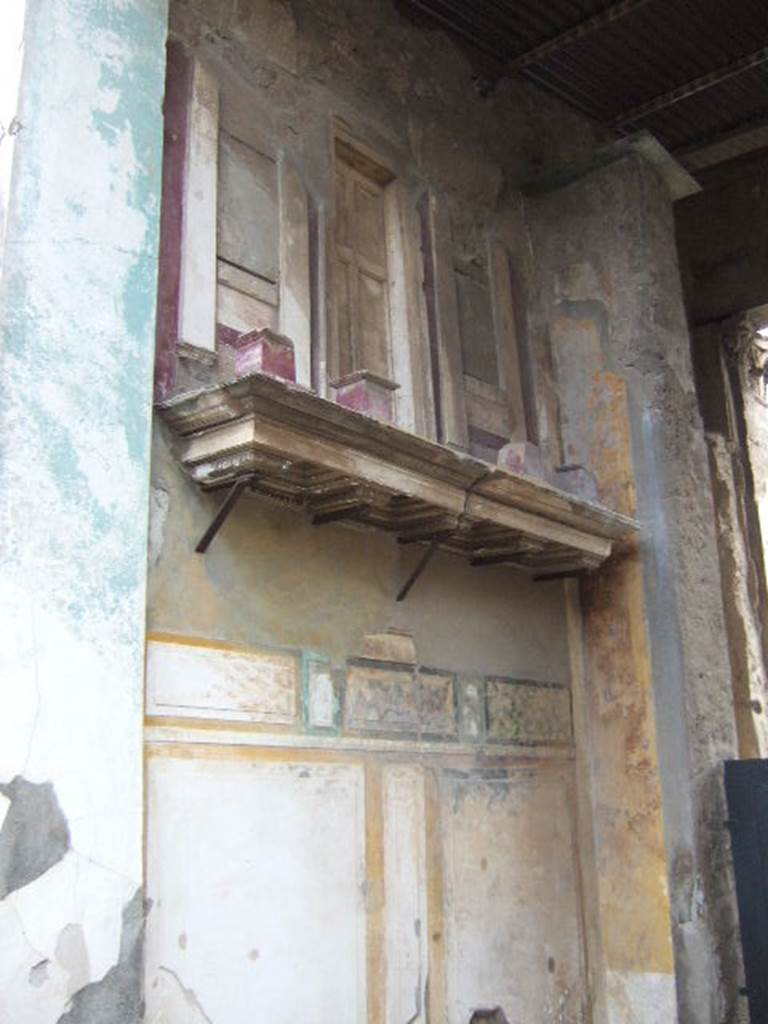
VI.12.2 Pompeii. December 2005.
Entrance fauces. East wall with shelf, on which is placed a façade with small columns.
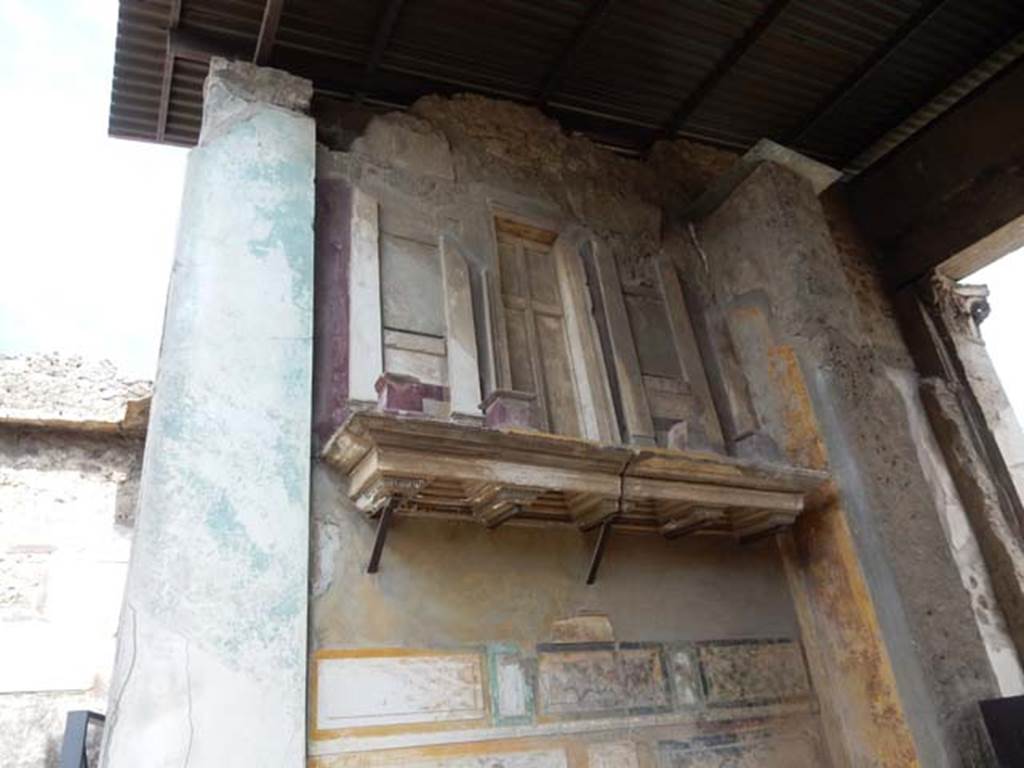
VI.12.2 Pompeii. May 2015. Entrance fauces, upper east wall with shelf and façade with small columns. Photo courtesy of Buzz Ferebee.
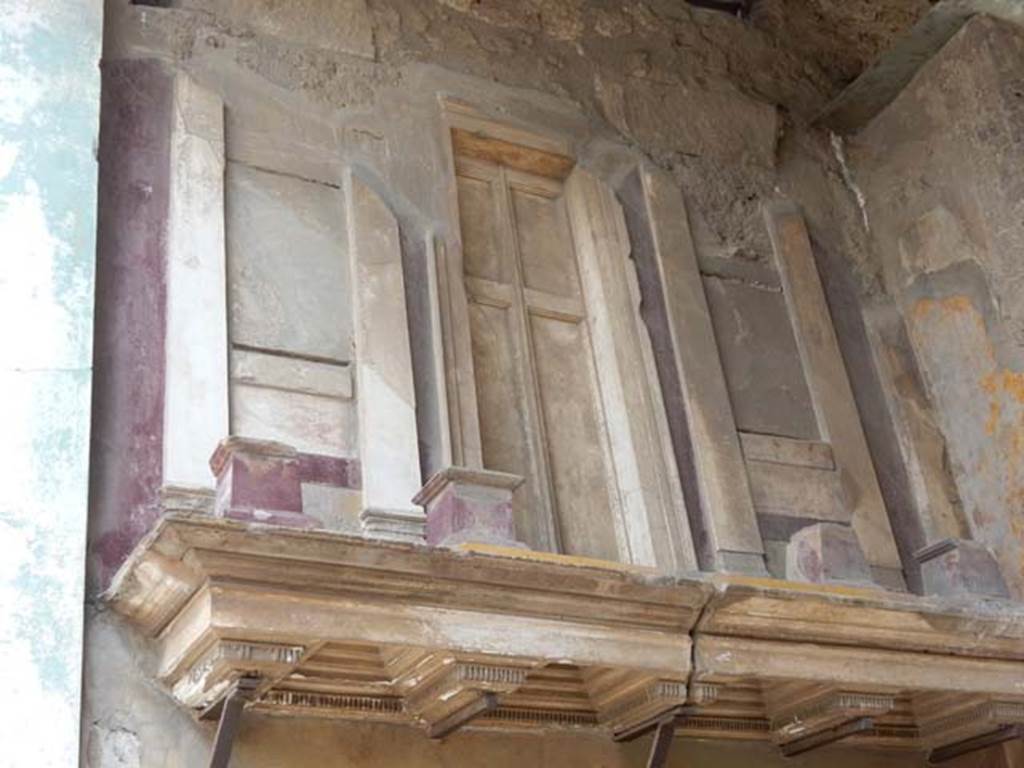
VI.12.2 Pompeii. May 2015.
Entrance fauces, detail of upper east wall with shelf and façade with small columns. Photo courtesy of Buzz Ferebee.
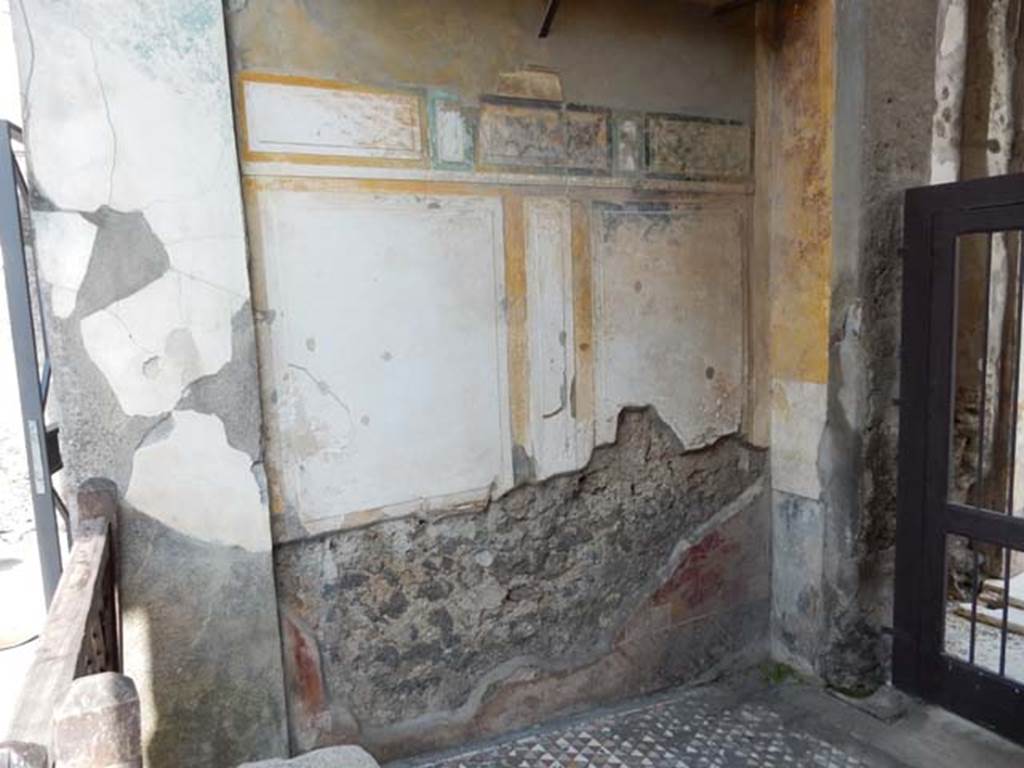
VI.12.2 Pompeii. May 2015. Entrance fauces, lower east wall. Photo courtesy of Buzz Ferebee.
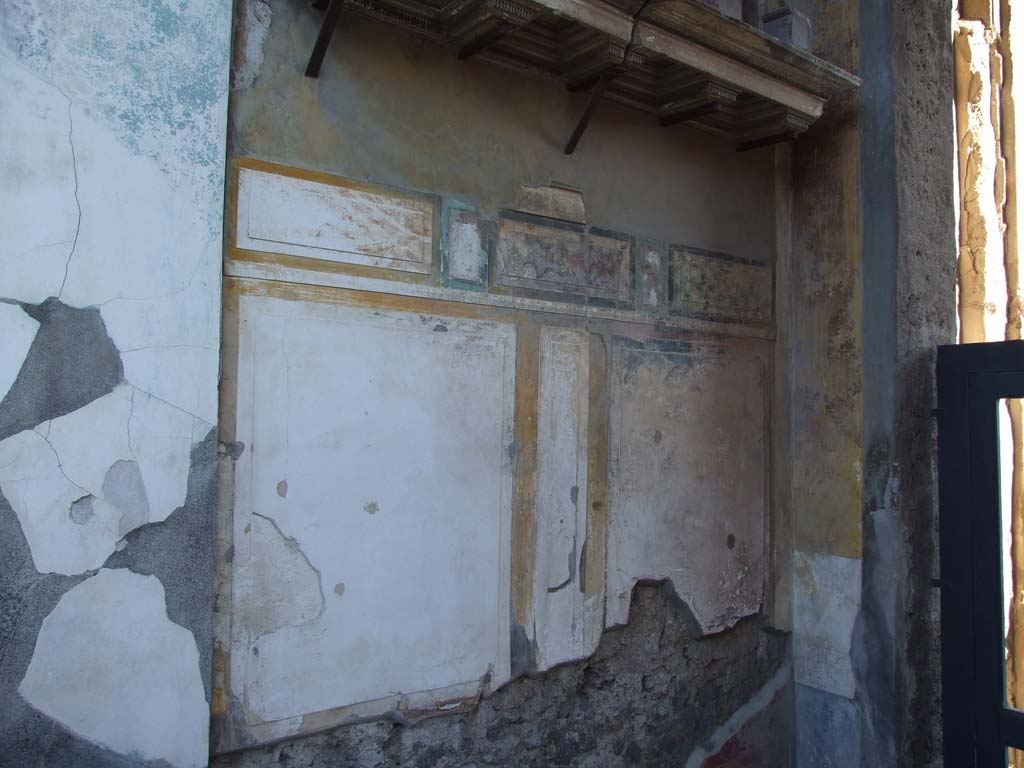
VI.12.2 Pompeii. December 2006. East wall of entrance fauces.
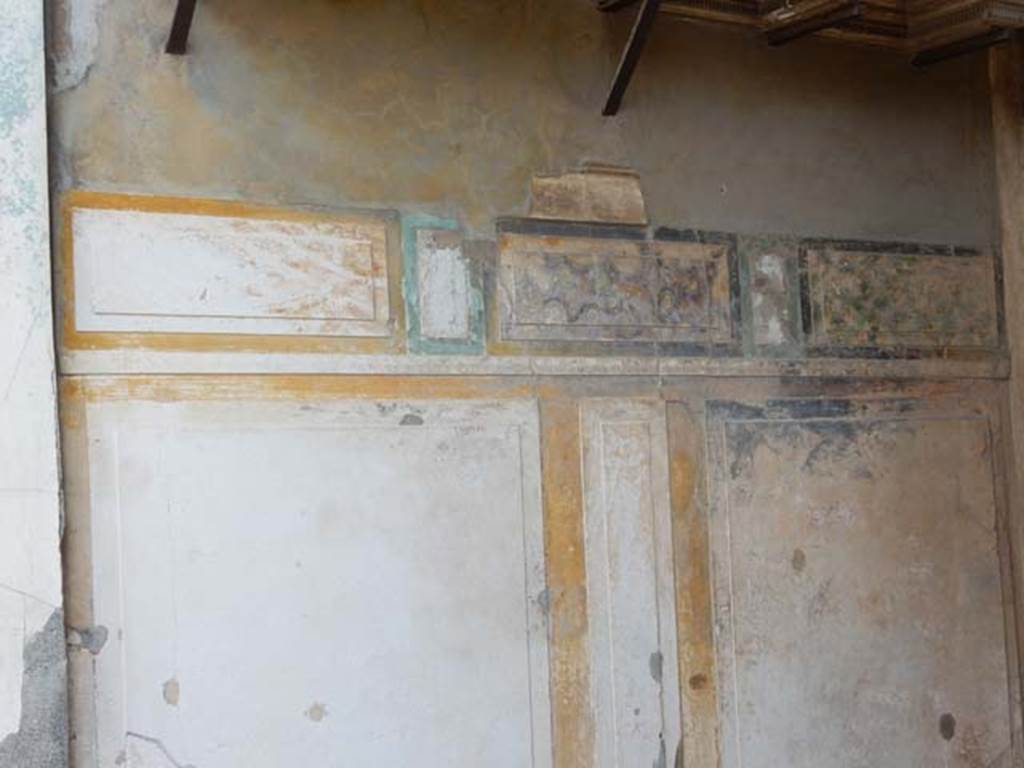
VI.12.2 Pompeii. May 2015. Entrance fauces, detail from lower east wall. Photo courtesy of Buzz Ferebee.
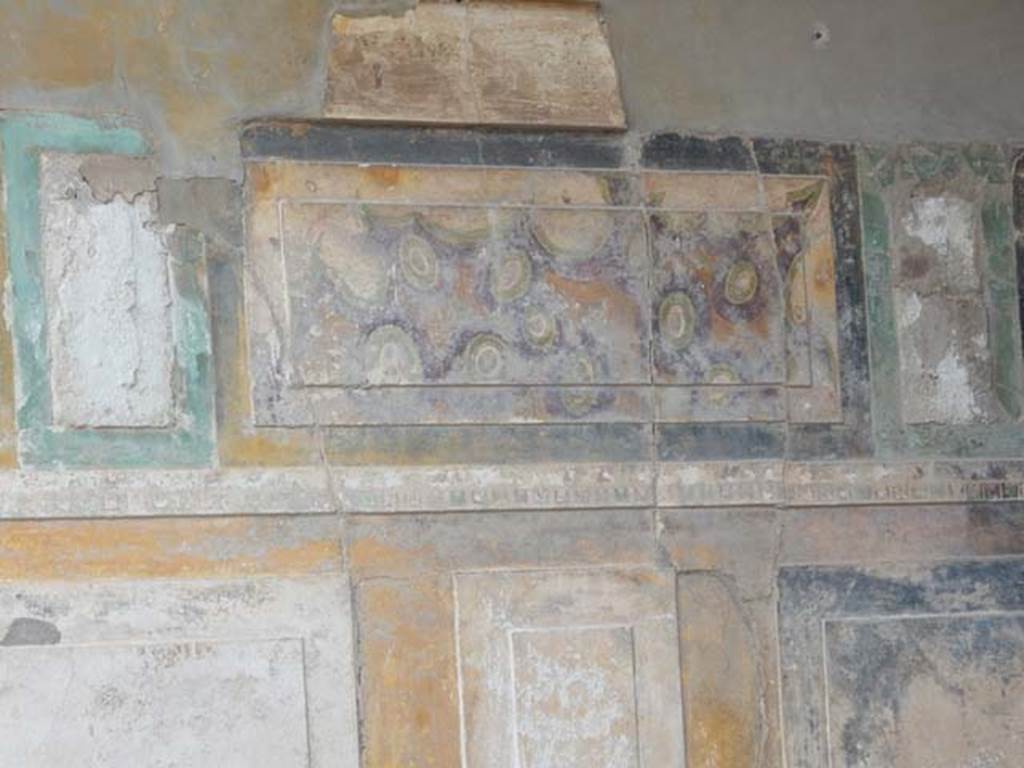
VI.12.2 Pompeii. May 2015. Entrance fauces, detail from lower east wall. Photo courtesy of Buzz Ferebee.
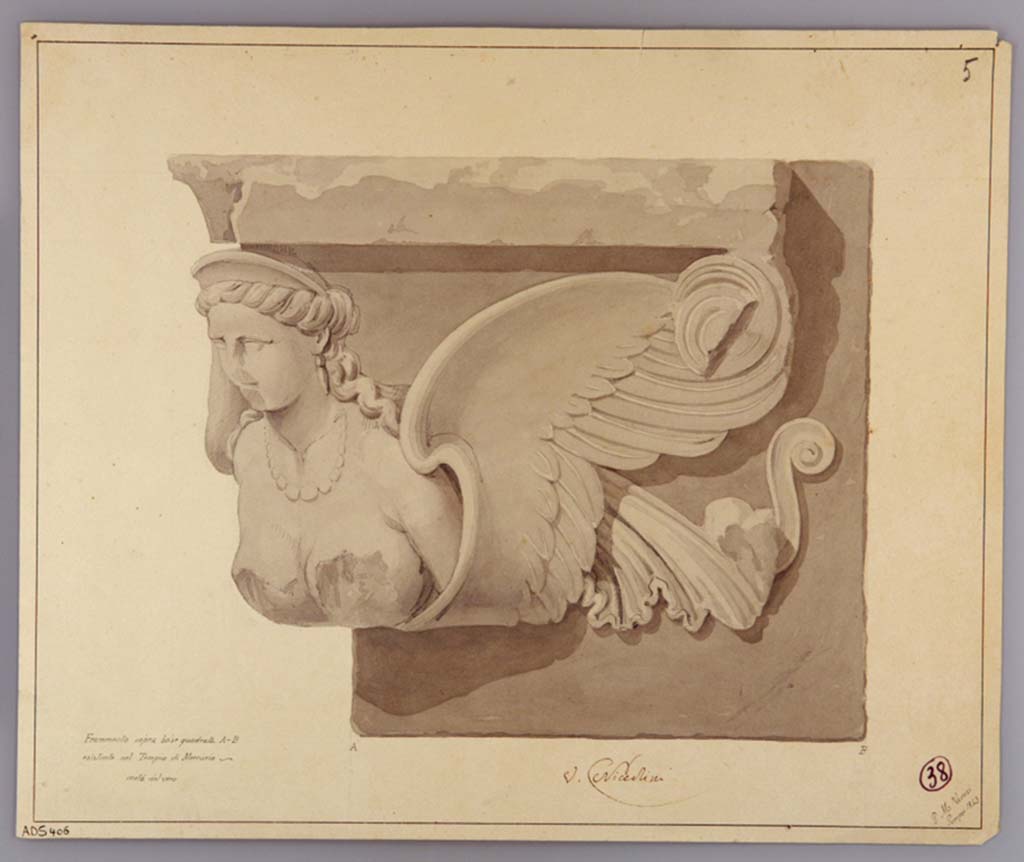
VI.12.2 Pompeii. Drawing by Pasquale Maria Veneri, 1843, of a “fragment on a base” seen and drawn in the Temple of Mercury, which was used as a deposit.
Now in Naples Archaeological Museum. Inventory number ADS 406.
Photo © ICCD. https://www.catalogo.beniculturali.it
Utilizzabili alle condizioni della licenza Attribuzione
- Non commerciale - Condividi allo stesso modo 2.5 Italia (CC BY-NC-SA 2.5 IT)
This capital was found somewhere in the House of the Faun.
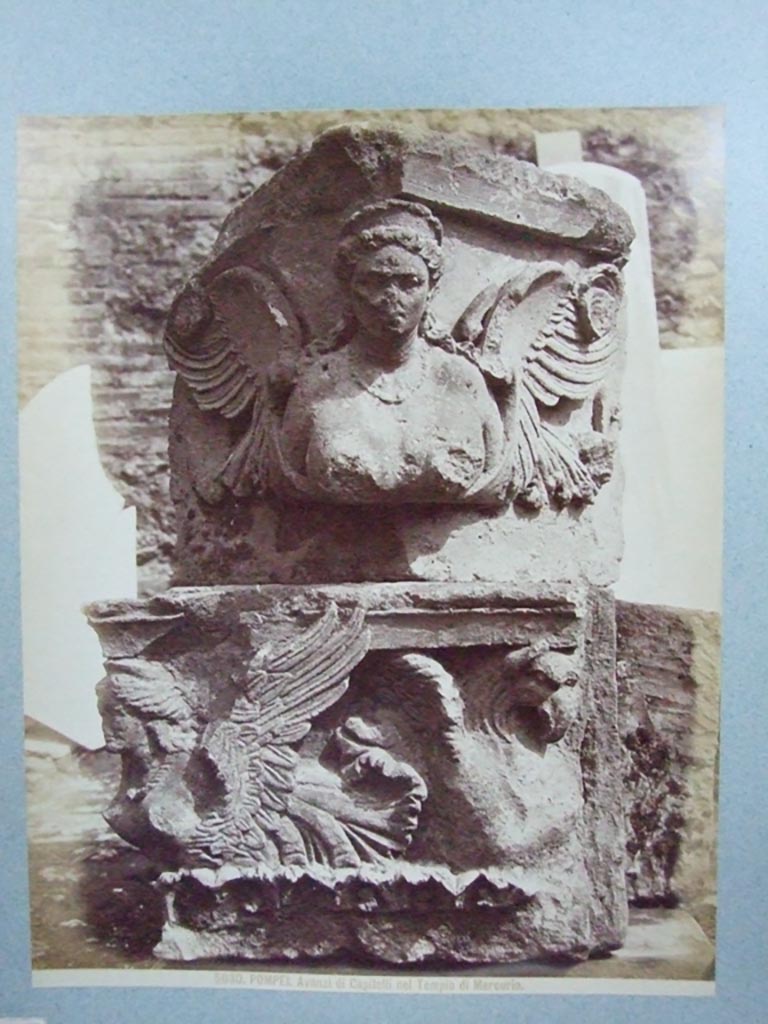
VI.12.2 Pompeii and IX.1.20 Pompeii. House capitals being stored in Temple of Mercury.
Old undated photograph numbered 5030 courtesy of the Society of Antiquaries, Fox Collection.
The upper “fragment” was found in the House of the Faun.
The lower capital is from the entrance of IX.1.20.
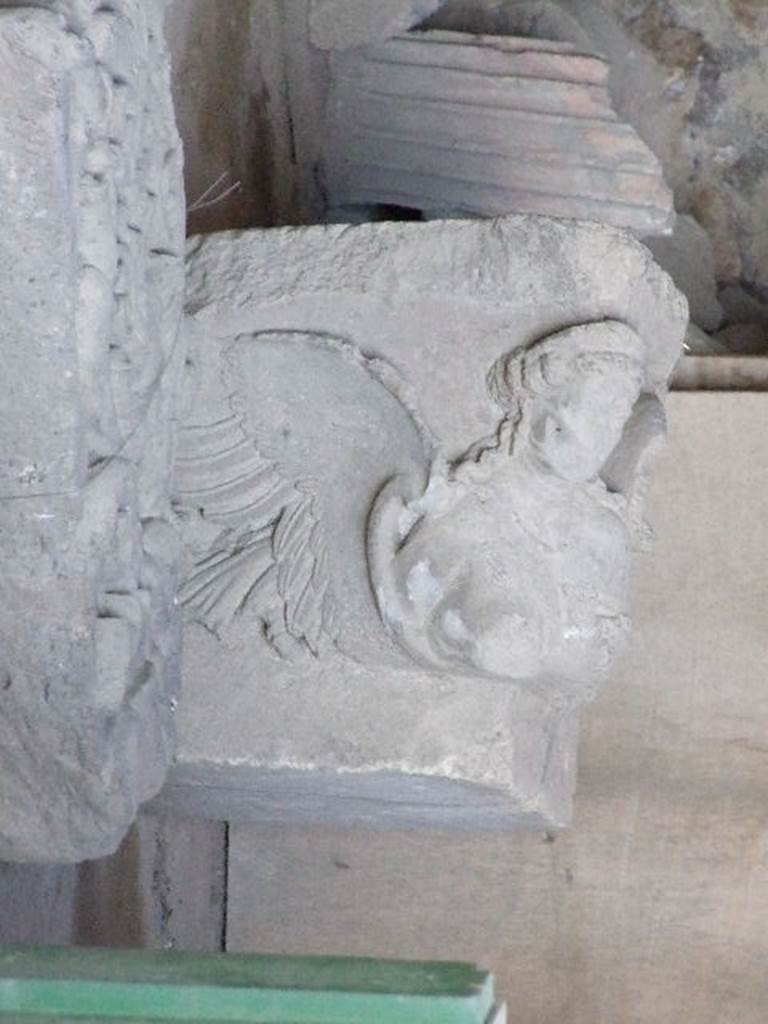
VI.12.2 Pompeii December 2006.
Items in storage in Granaio (VII.7.29), “fragment on a base” from House of the Faun, VI.12.2/5.
Part 2 Part 3
Part 4 Part 5 Part 6
Part 7 Part 8 Part 9
Part 10 Part 11 Part 12
Plan