VIII.2.16 Pompeii. Casa dei Mosaici
Geometrici or House of the Geometric Mosaics.
Linked to VIII.2.14. First excavated 1826. Further excavation 2013.
Part 2 Part 3 Part 4
Part 5 Part 6 – 2013 excavations
Part 1
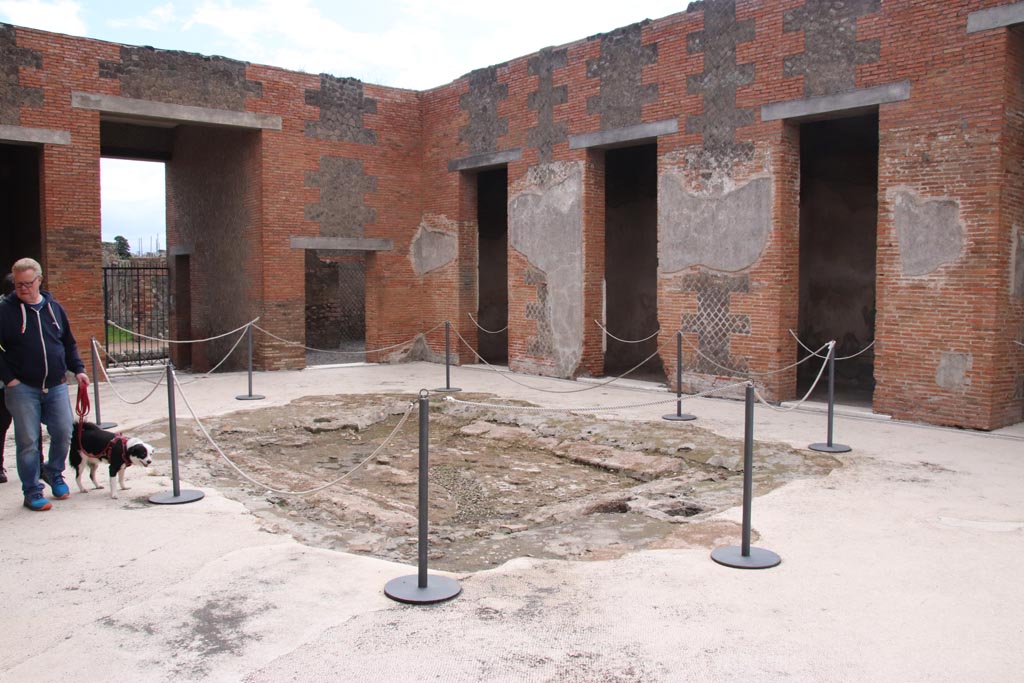
VIII.2.16 Pompeii. May 2024.Doorway in south wall in south-east corner. Photo courtesy of Klaus Heese.
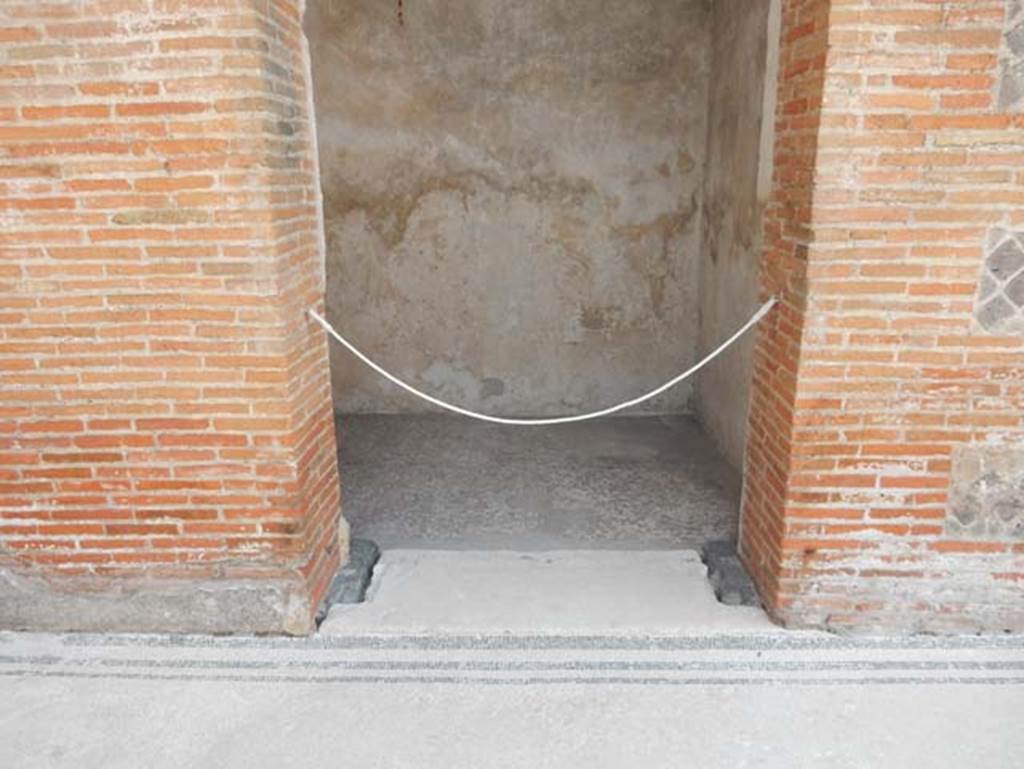
VIII.2.16 Pompeii. May 2017. Doorway to cubiculum in south-east corner of atrium. Photo courtesy of Buzz Ferebee.
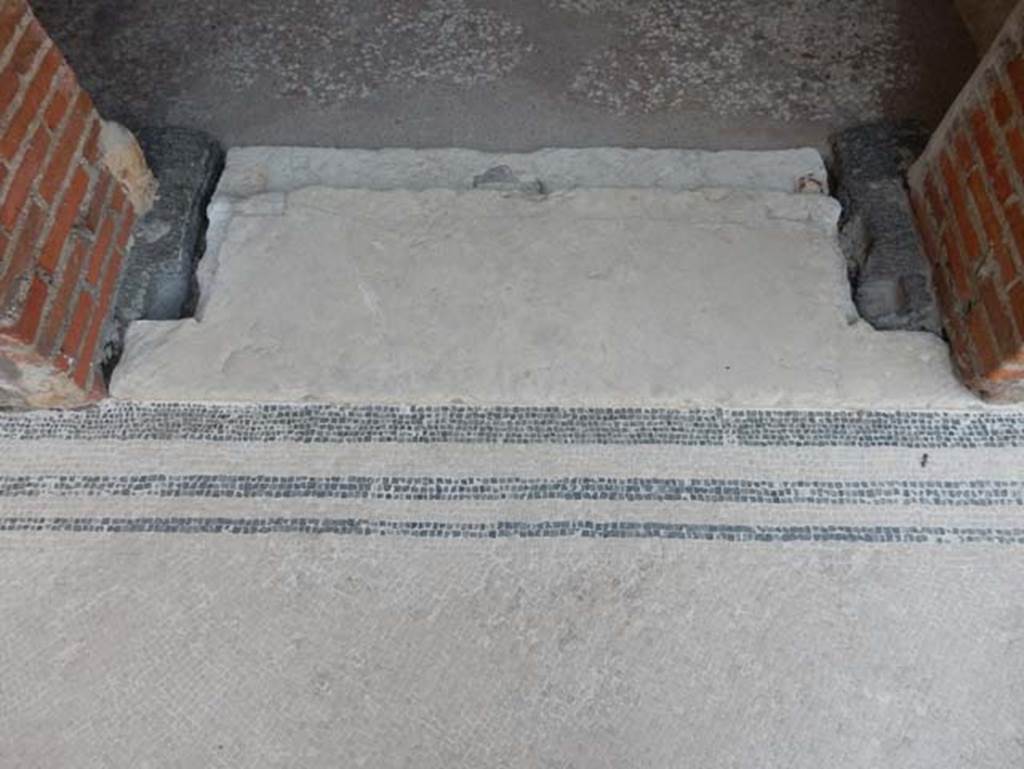
VIII.2.16 Pompeii. May 2017.
Threshold of doorway to cubiculum in south-east corner of atrium, a single slab of limestone. Photo courtesy of Buzz Ferebee.
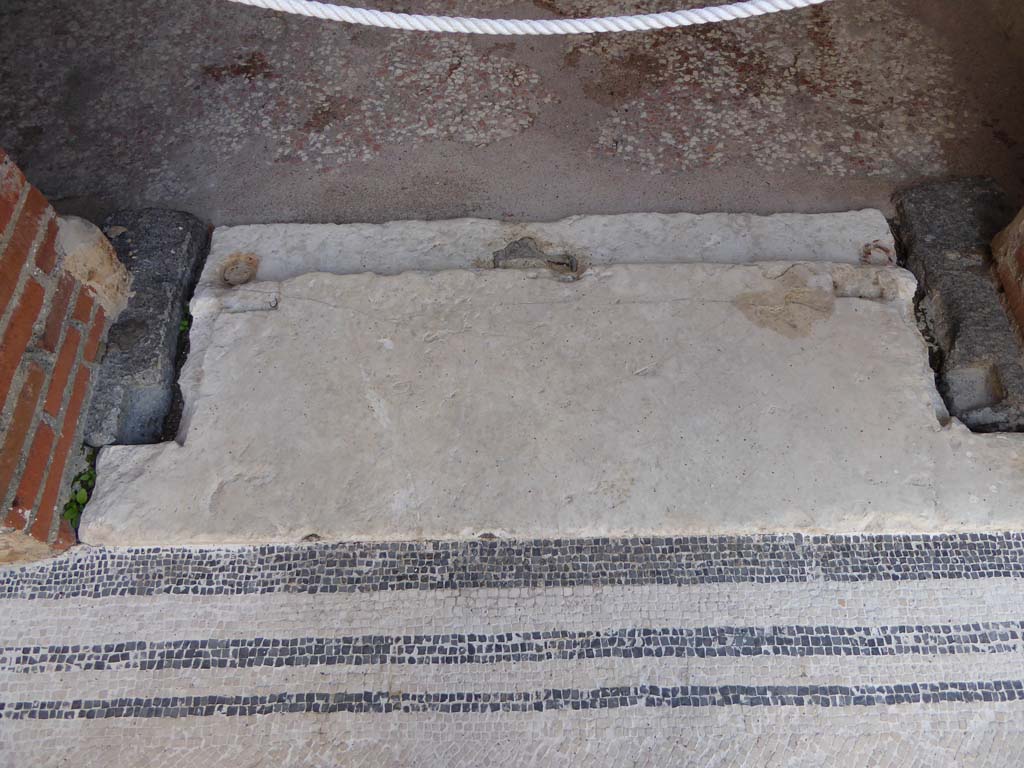
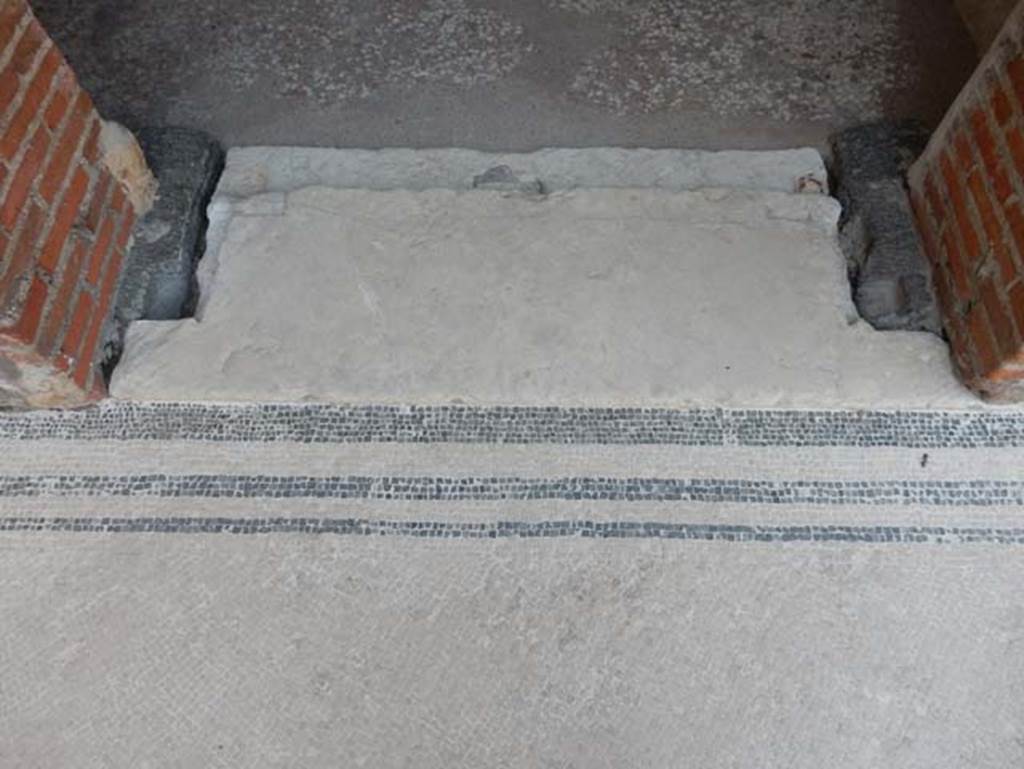
VIII.2.16 Pompeii. January 2017.
Threshold of doorway into cubiculum in south-east corner of atrium.
Foto
Annette Haug, ERC Grant 681269 DÉCOR
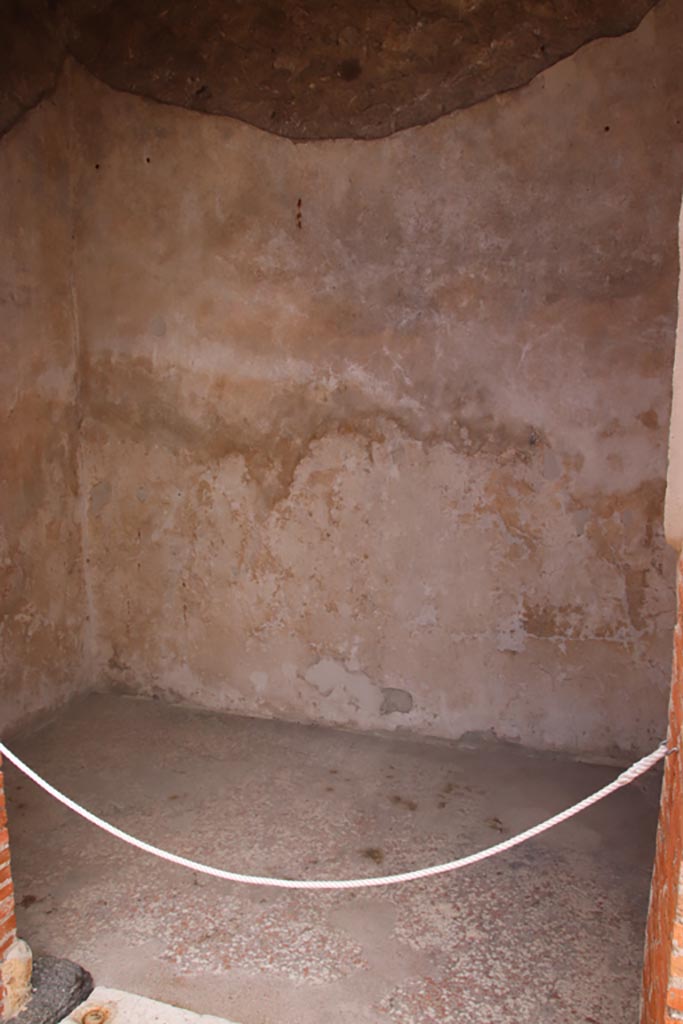
VIII.2.16 Pompeii. May 2024.
Looking south across flooring from doorway. Photo courtesy of
Klaus Heese.
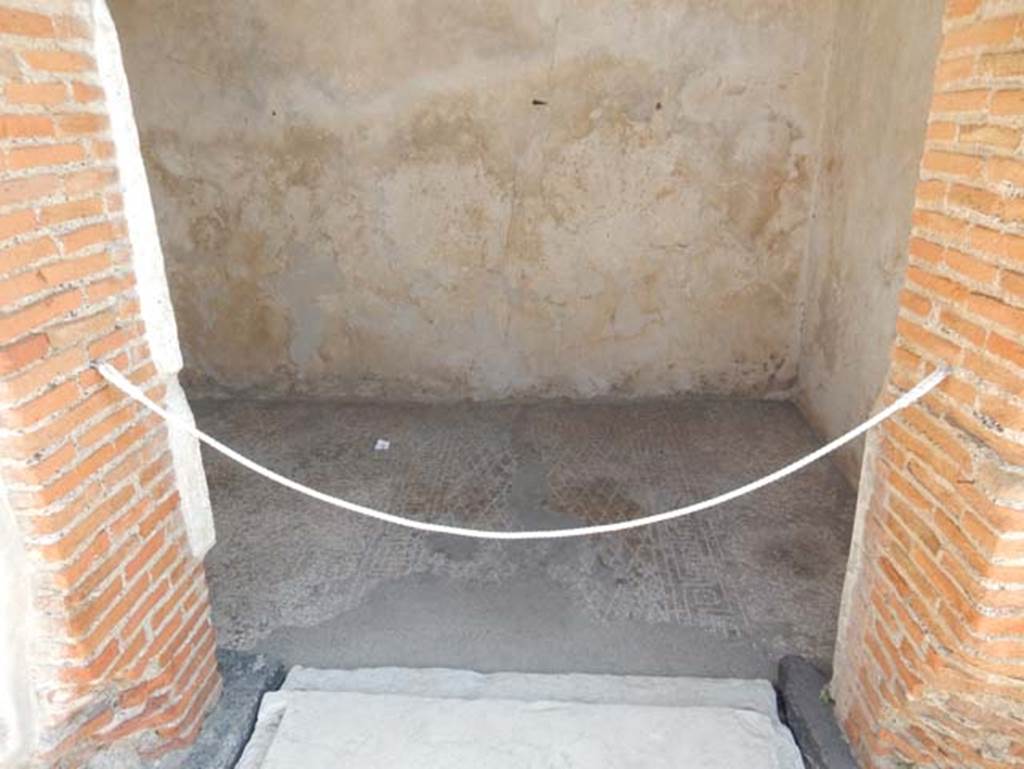
VIII.2.16 Pompeii. November 2017. Looking south across flooring
from doorway.
Foto Annette Haug, ERC Grant 681269 DÉCOR.
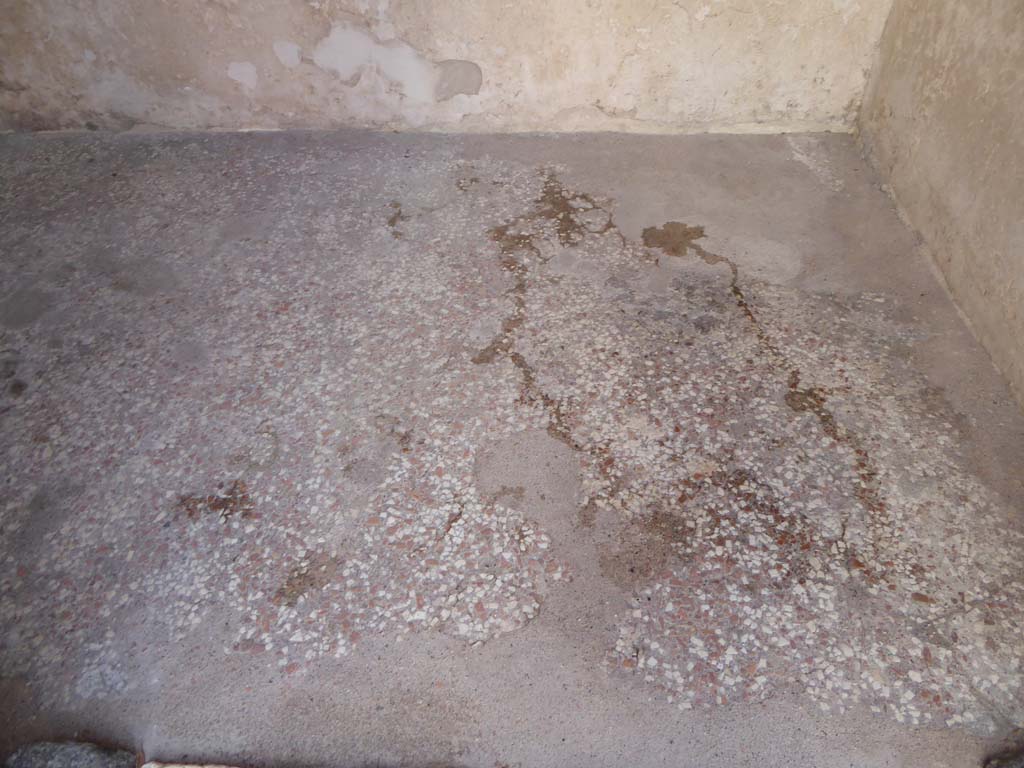
VIII.2.16 Pompeii. January
2017. Looking south across flooring from doorway.
Foto Annette Haug, ERC Grant 681269 DÉCOR
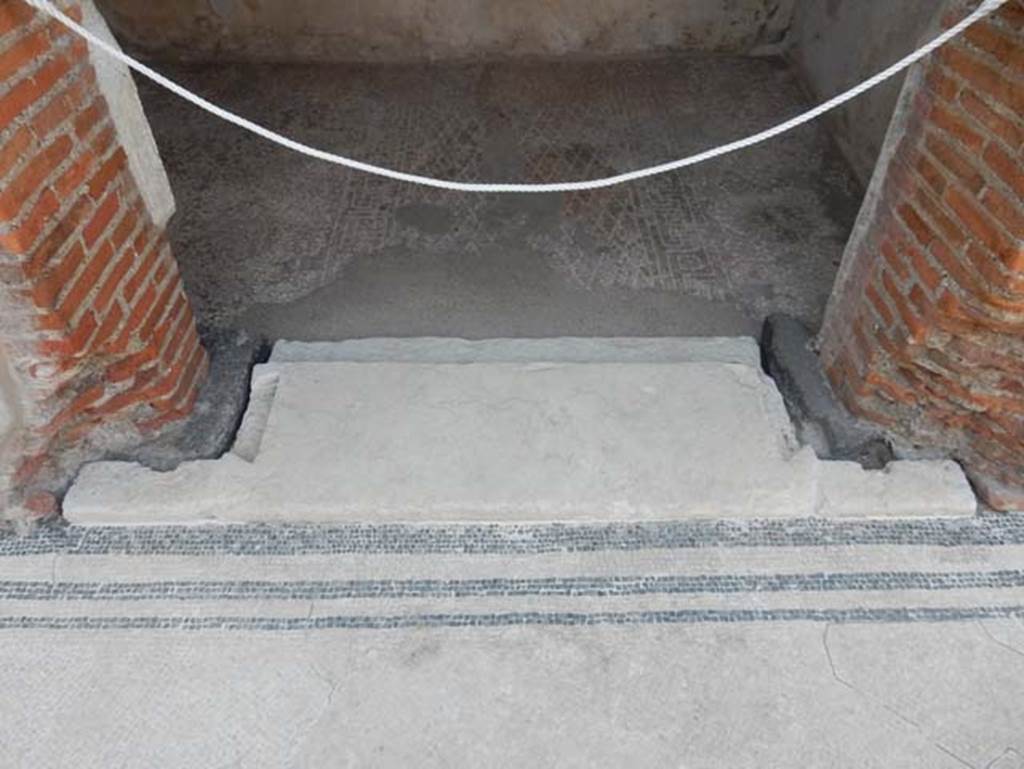
VIII.2.16 Pompeii. May 2024.
Doorway to cubiculum in centre of south wall of atrium.
Photo courtesy of Klaus Heese.
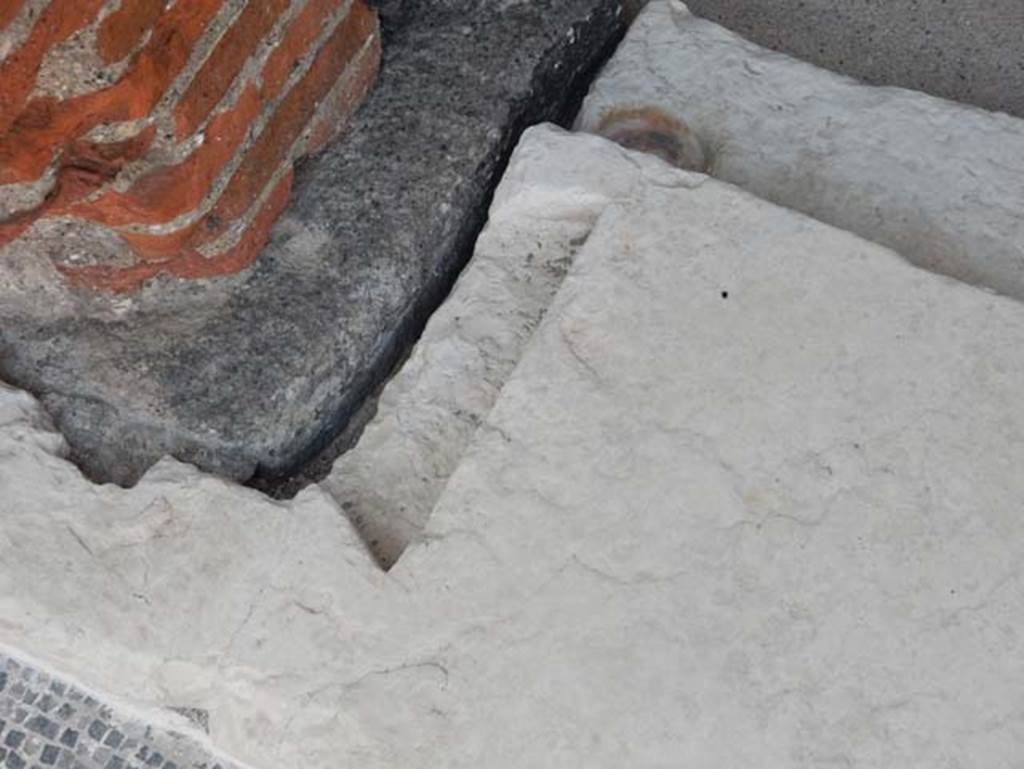
VIII.2.16 Pompeii. May 2018. Doorway to cubiculum in centre of south wall of atrium. Photo courtesy of Buzz Ferebee.
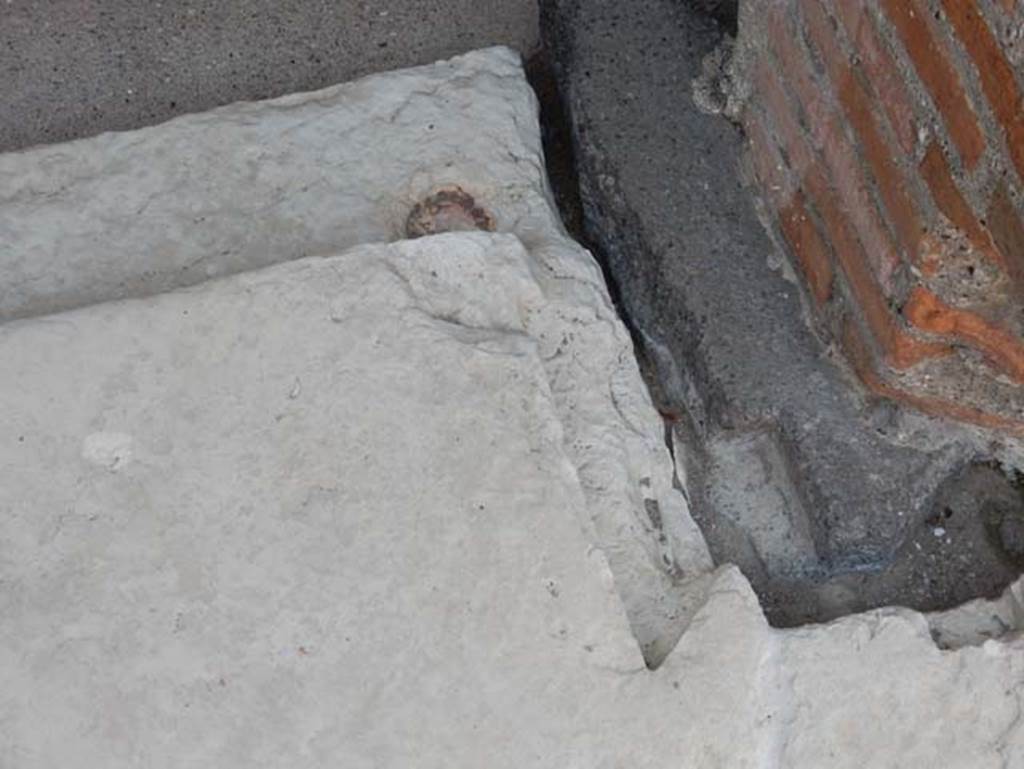
VIII.2.16 Pompeii. May 2017. Threshold to doorway of cubiculum in centre of south wall of atrium. Photo courtesy of Buzz Ferebee.
The indents in the limestone threshold clearly show that the doorway was fitted with wooden door-jambs and that its doors opened inside the room, where the floor decoration clearly defined the antecamera and the bed alcove.
The floor is seen with a “carpet” outline of white tesserae in a diamond shaped net design with a border of meanders alternating with squares and a single central tessera.
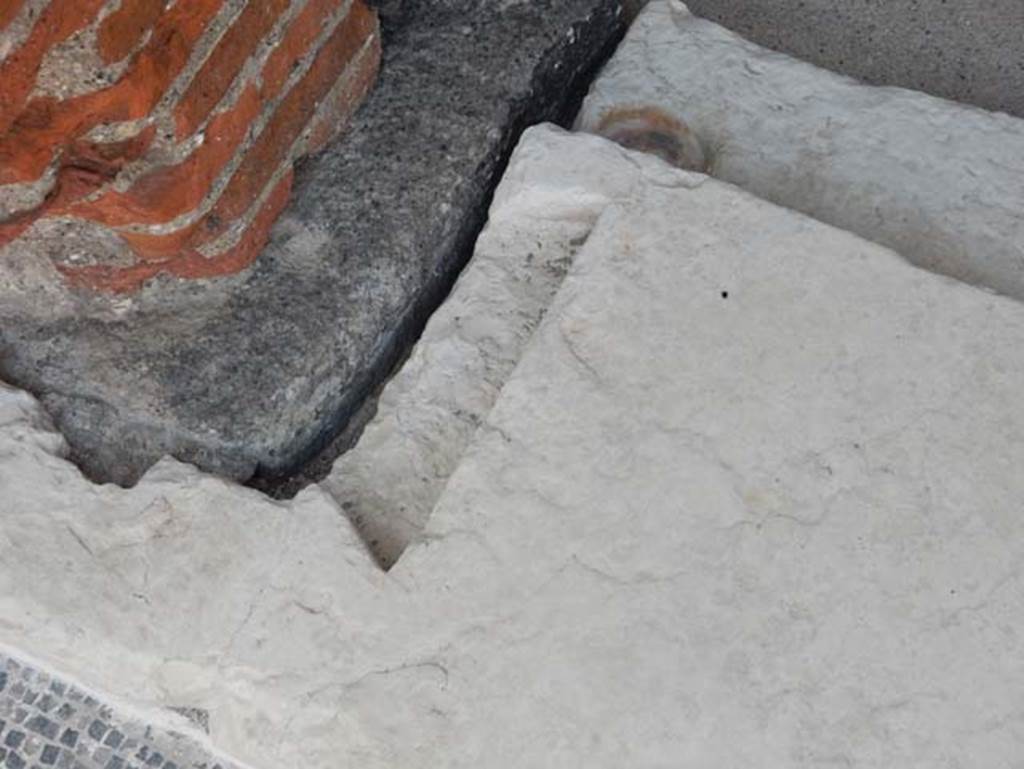
VIII.2.16 Pompeii. May 2017. Detail of east side of doorway threshold to central cubiculum. Photo courtesy of Buzz Ferebee.
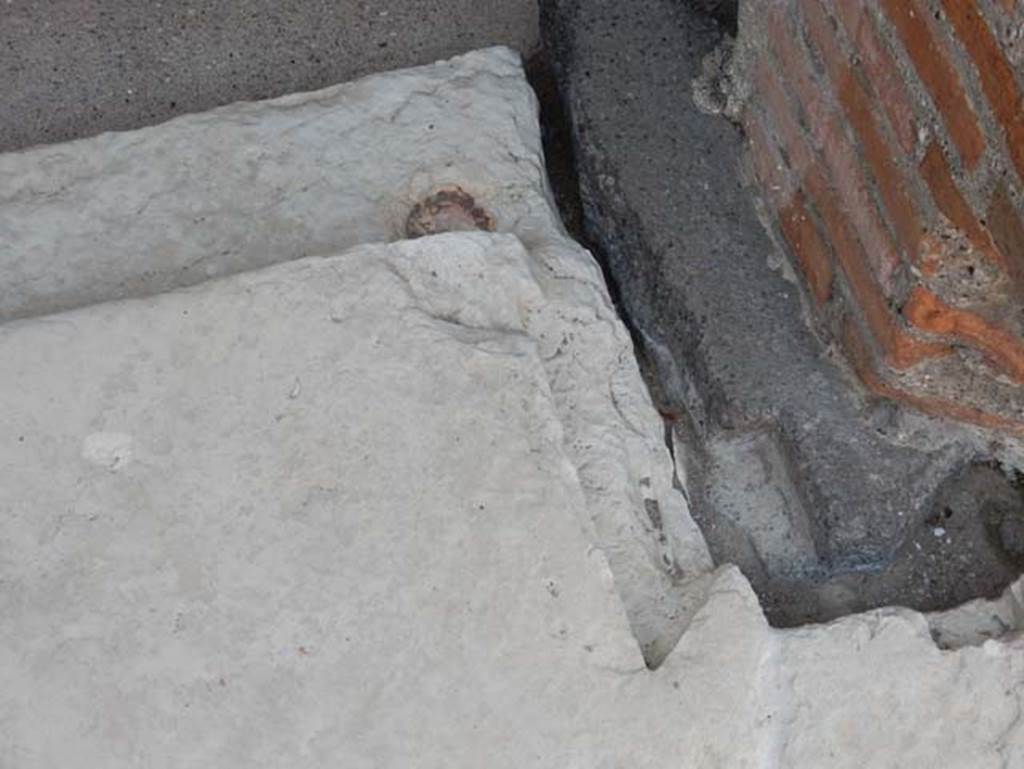
VIII.2.16 Pompeii. May 2017. Detail of west side of doorway threshold to central cubiculum. Photo courtesy of Buzz Ferebee.
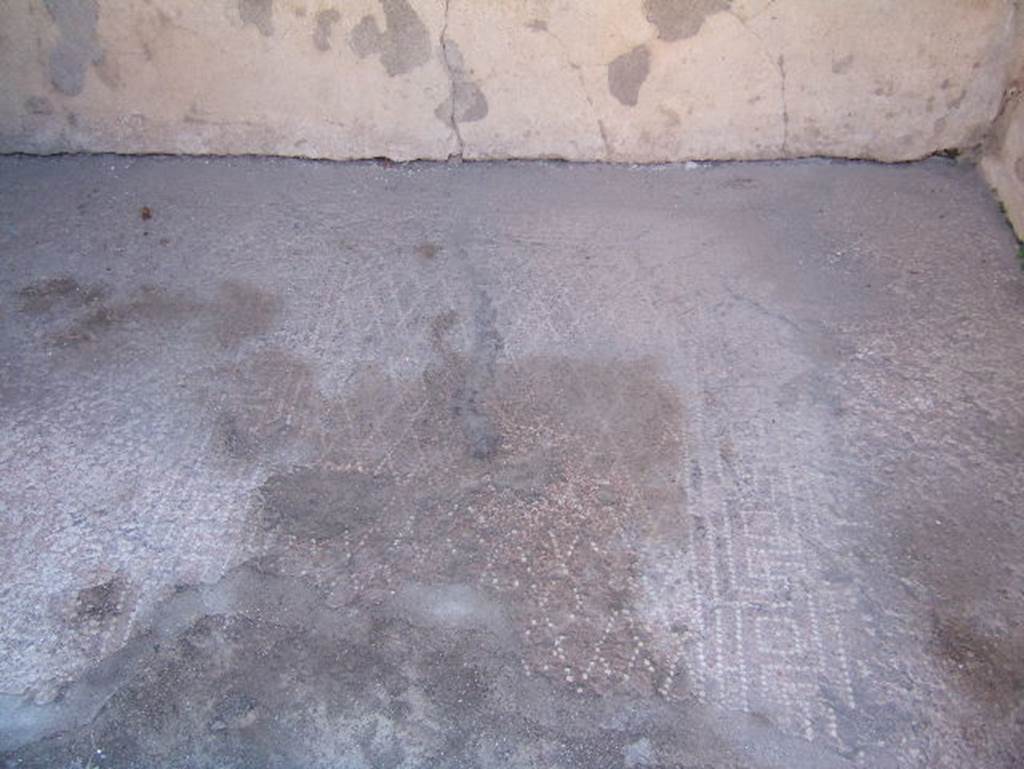
VIII.2.16 Pompeii. May 2024. Decorated floor in cubiculum. Photo courtesy of Klaus Heese.
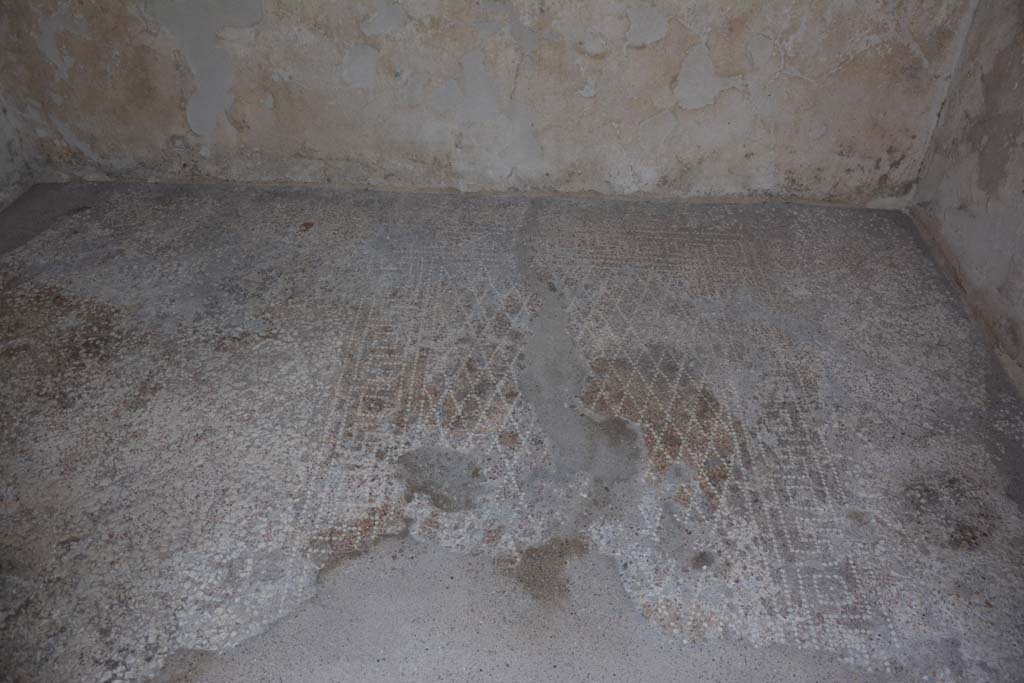
VIII.2.16 Pompeii. November 2017. Looking south across floor
decoration in cubiculum, showing “carpet” design in tesserae.
Foto Annette Haug, ERC Grant 681269 DÉCOR.
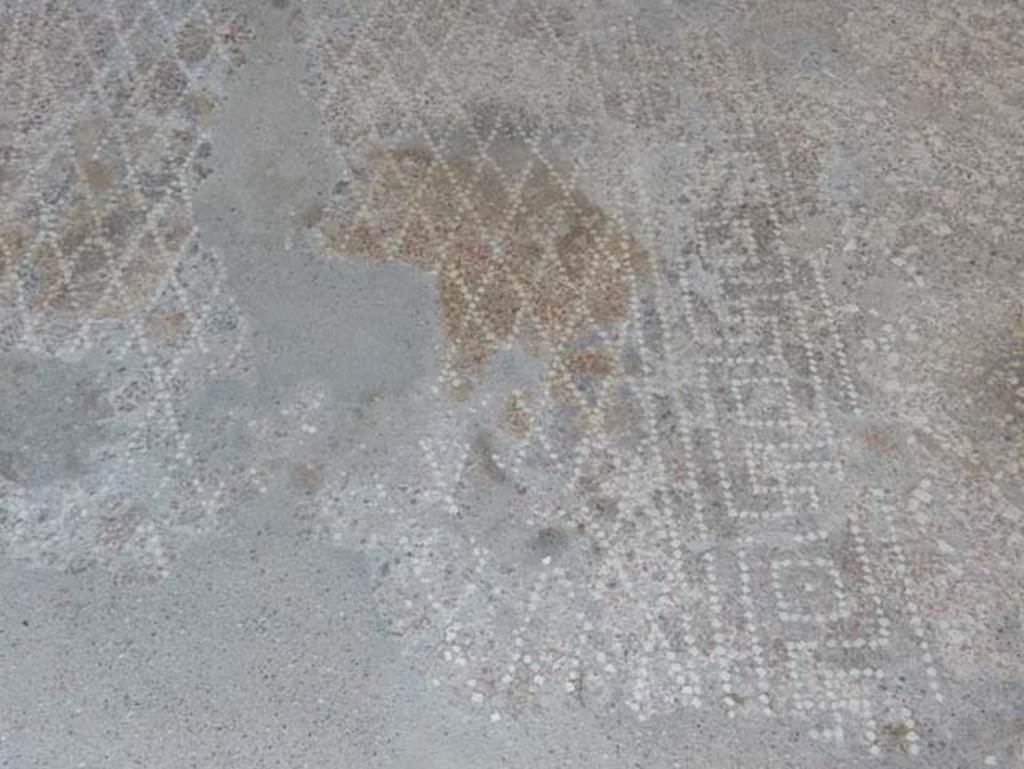
VIII.2.16 Pompeii. May 2018. Floor decoration in cubiculum, showing “carpet” design in tesserae. Photo courtesy of Buzz Ferebee.
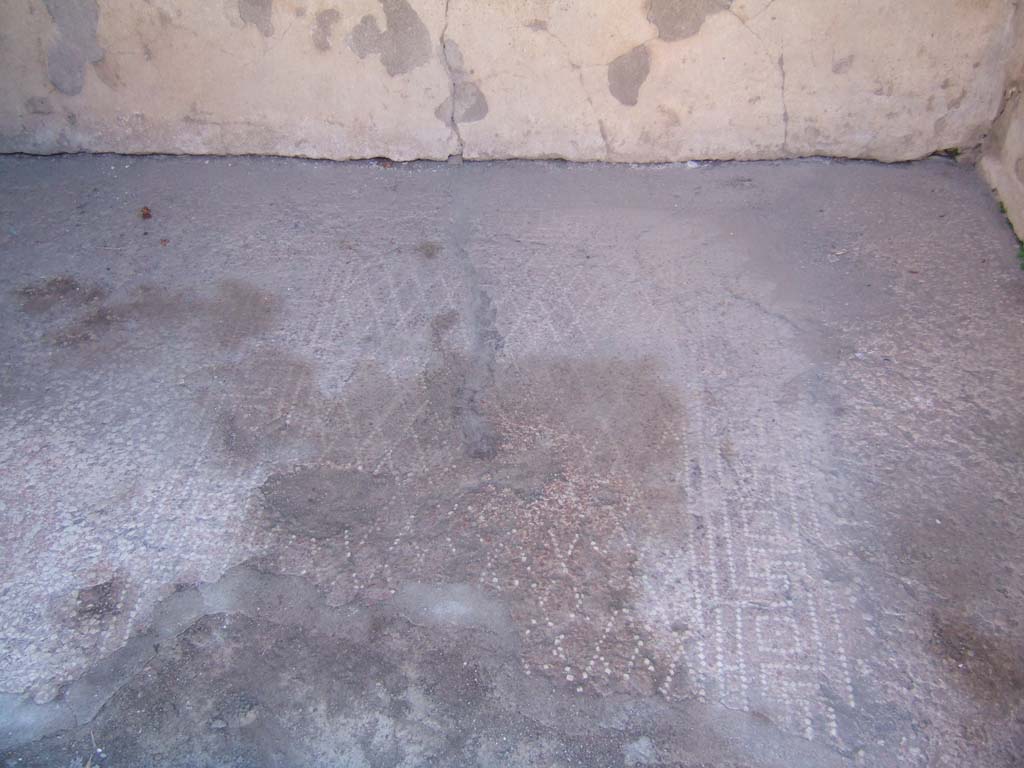
VIII.2.16 Pompeii. September 2005. Cubiculum on south side of atrium, with decorated floor.
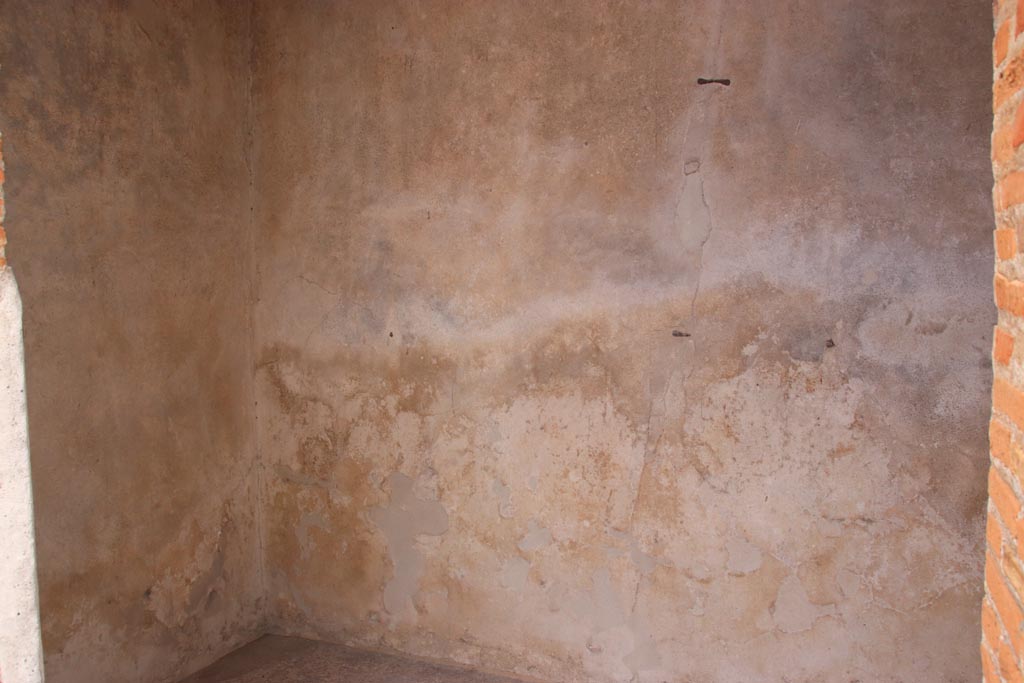
VIII.2.16 Pompeii. May 2024. Looking towards south-east corner of cubiculum. Photo courtesy of Klaus Heese.
VIII.2.16 Pompeii. November 2017. Looking south-east across
flooring.
Foto Annette Haug, ERC Grant 681269 DÉCOR.
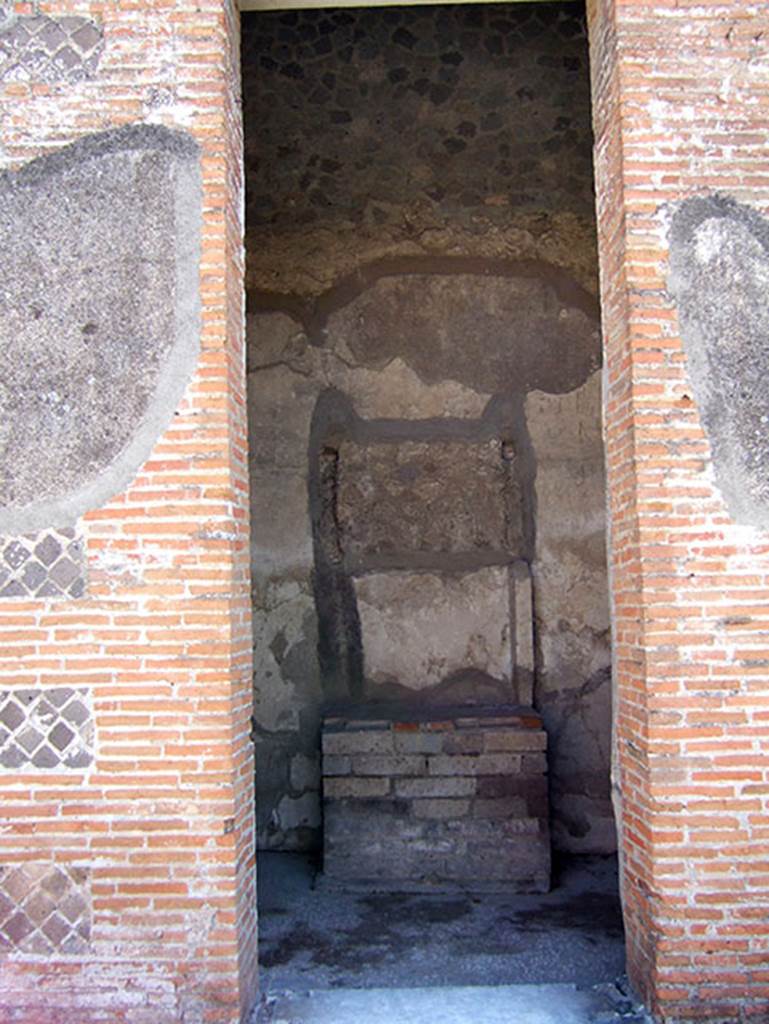
VIII.2.16 Pompeii. December 2018.
Looking south
through doorway to room on south side of atrium, with household shrine.
Photo courtesy of Aude Durand.
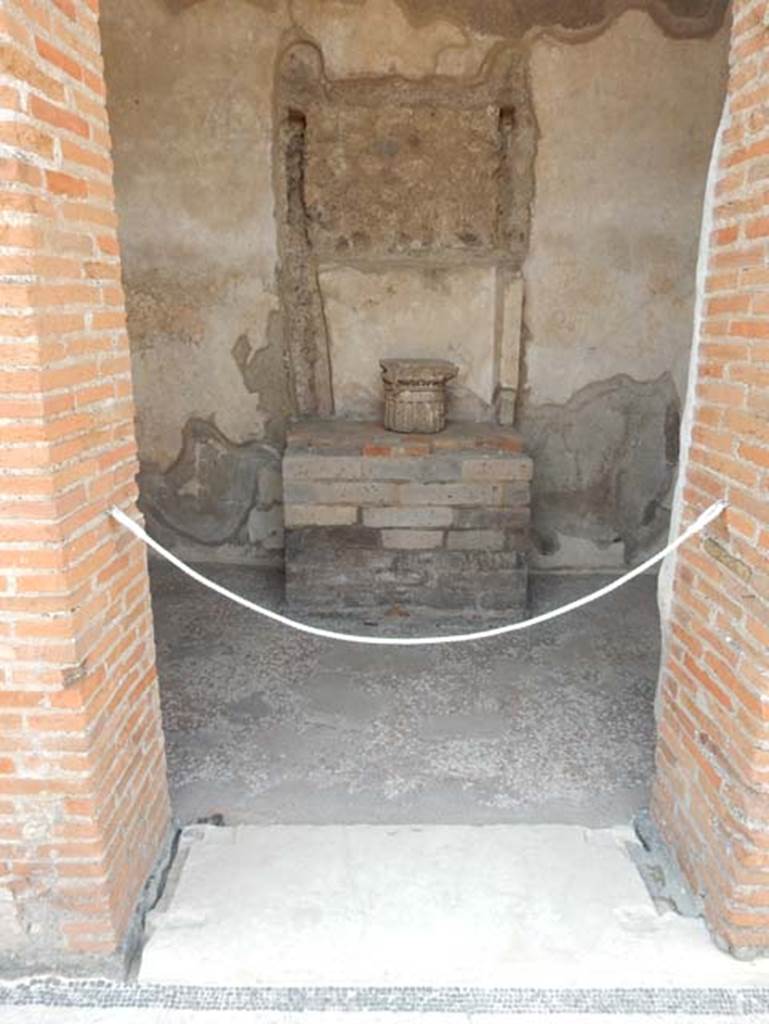
VIII.2.16 Pompeii. May 2017.
Doorway to room on south side of atrium, with household shrine. Photo courtesy of Buzz Ferebee.
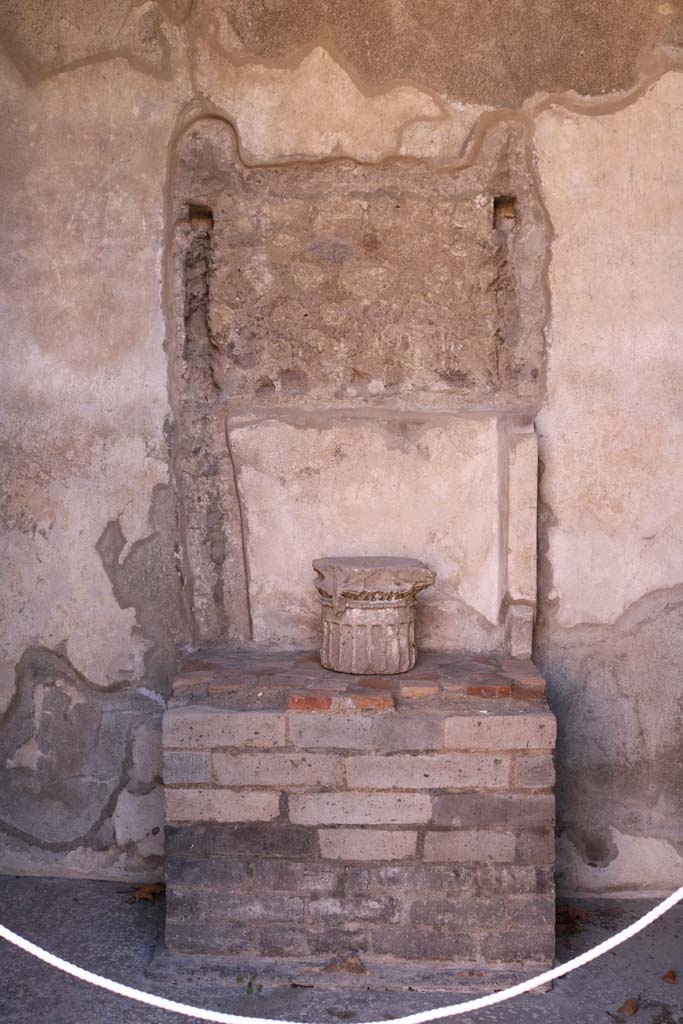
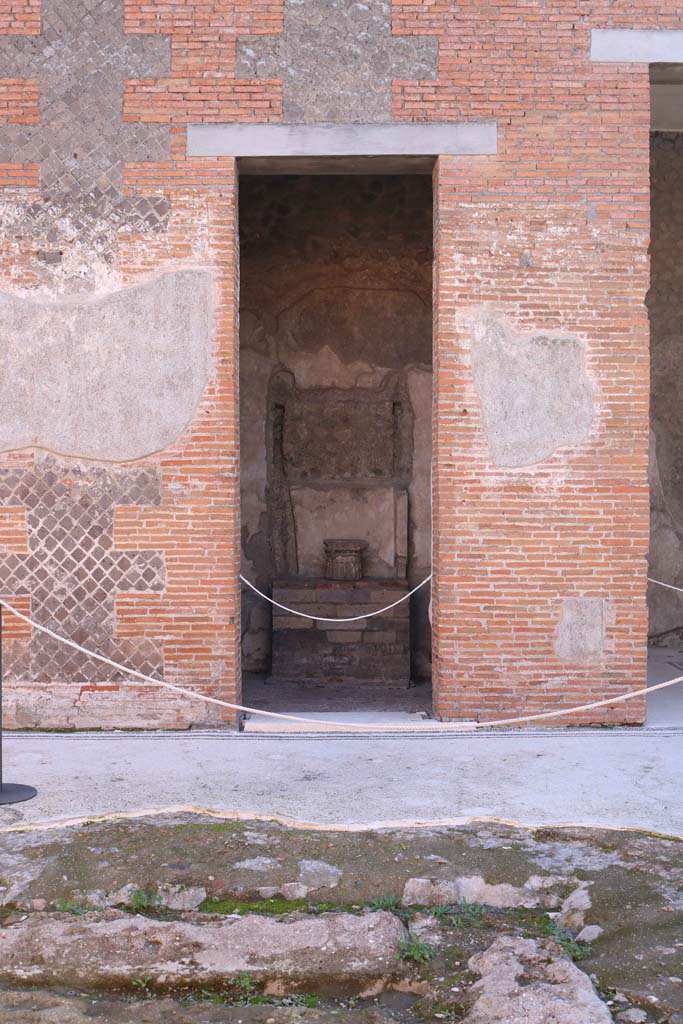
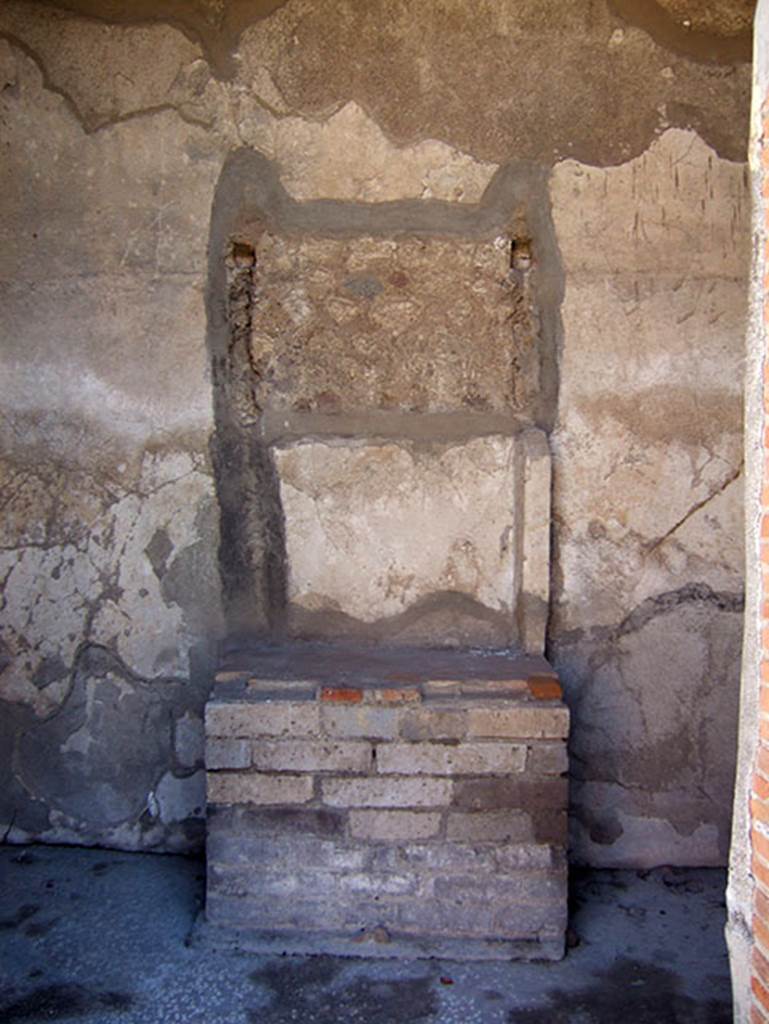
VIII.2.16 Pompeii. September 2005.
Doorway to room on south side of atrium, with household shrine.
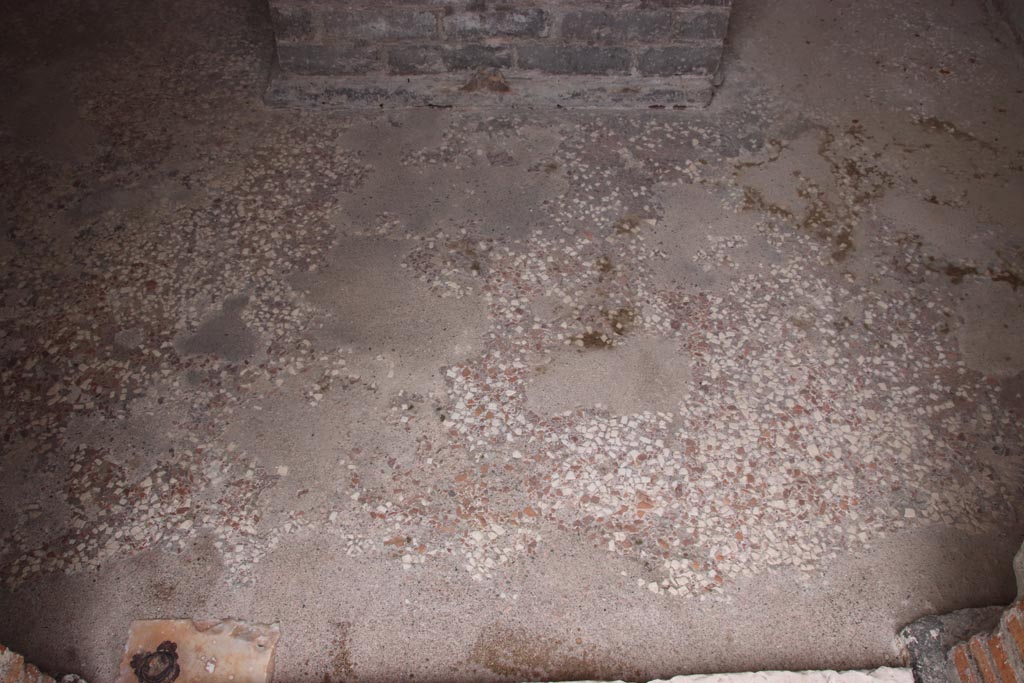
VIII.2.16 Pompeii. May 2024. Detail of flooring in room with
household shrine. Photo courtesy of Klaus Heese.
VIII.2.16 Pompeii. September 2019. Detail of flooring in room with
household shrine.
Foto Annette Haug, ERC Grant 681269 DÉCOR.
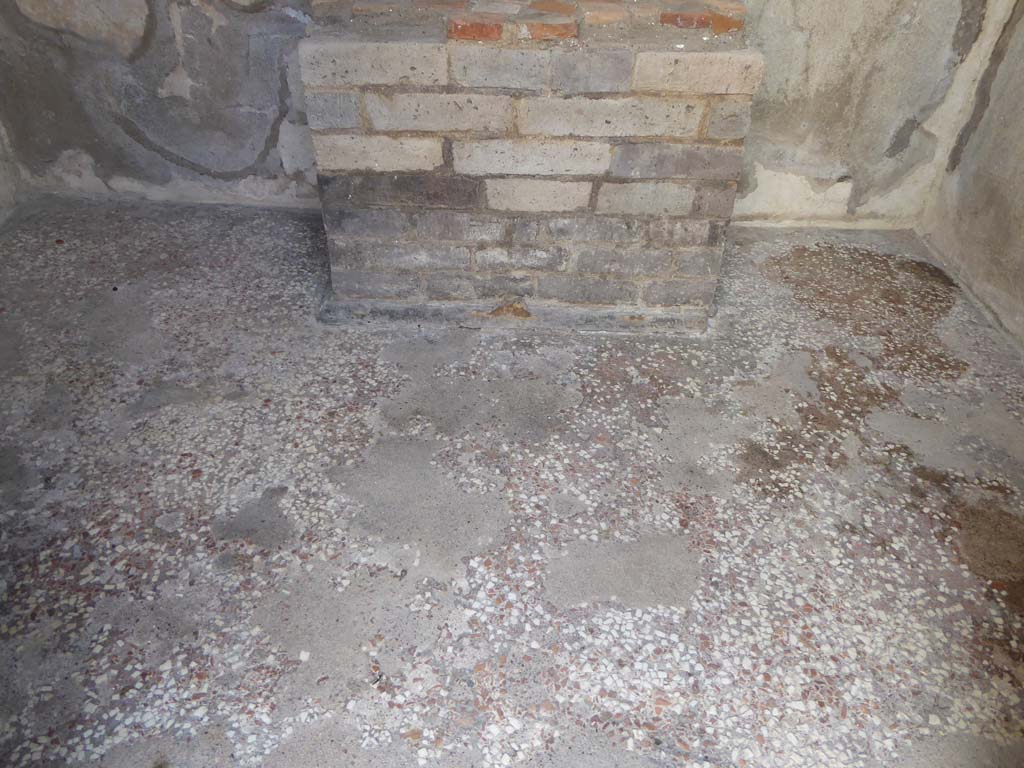
VIII.2.16 Pompeii. January 2017. Detail of flooring in room with
household shrine.
Foto Annette Haug, ERC Grant 681269 DÉCOR
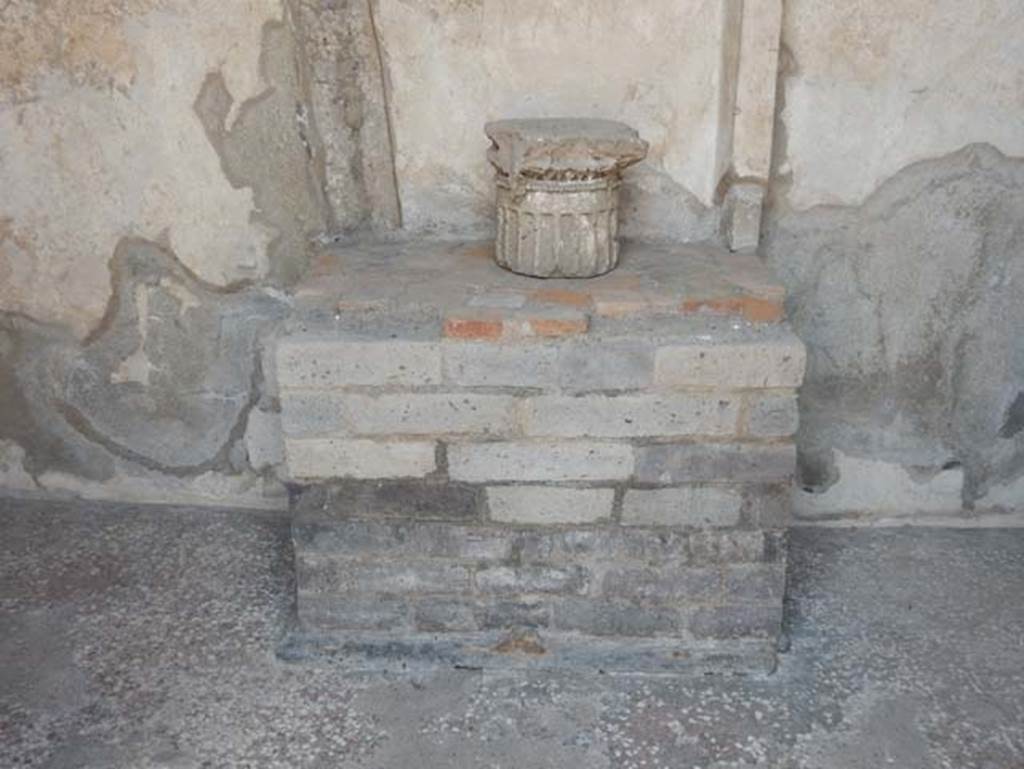
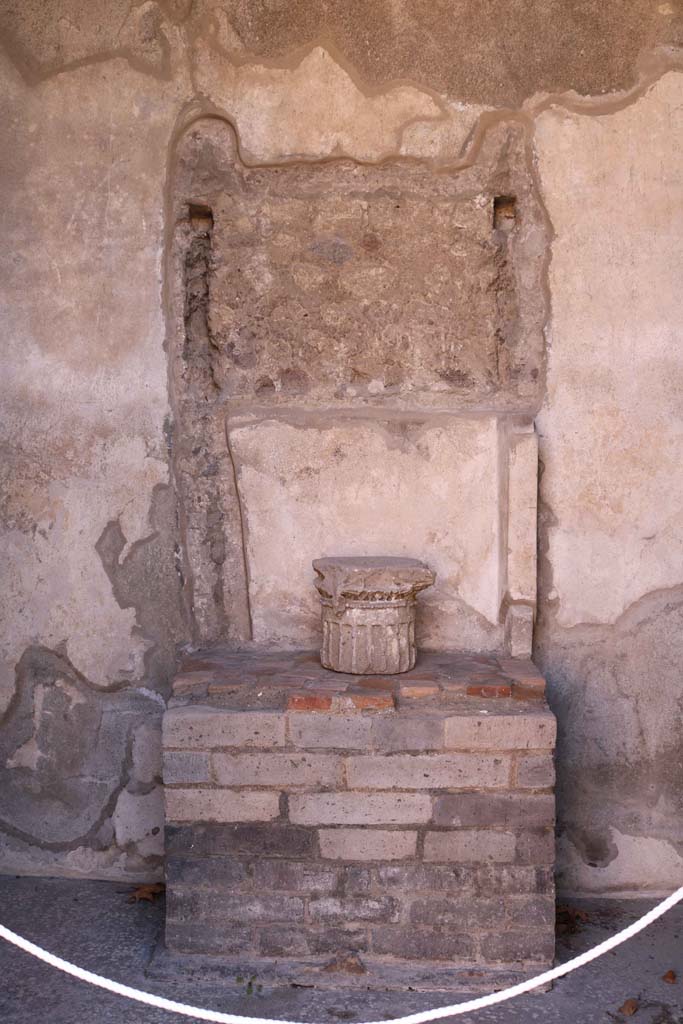
VIII.2.16 Pompeii. December 2018.
Looking towards south wall with household shrine. Photo courtesy of Aude Durand.
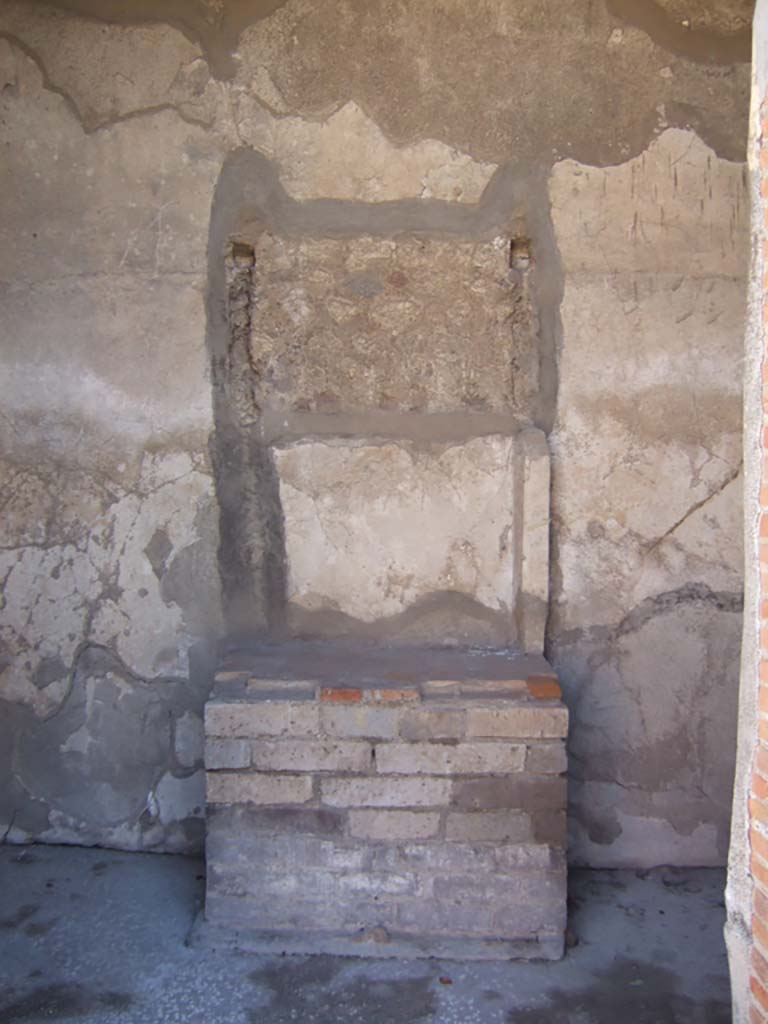
VIII.2.16 Pompeii. September 2005. Remains of aedicula household shrine.
According to Boyce, in the third small room on the south of the atrium, against the south wall stand the ruins of an aedicula.
A masonry podium that was ornamented along the upper edge with a stucco cornice, supported the shrine.
The shrine was built of tufa and coated with white stucco contemporary with the walls of the room.
This was spread not long before the catastrophe.
The inside of the aedicula was divided into two storeys, each supported by two columns and two antae.
The roof was flat and adorned with terracotta antefixes.
One of these was preserved and represented a male face in the centre of a kind of palmette.
Nearby was found a small tufa altar.
See Notizie degli Scavi di Antichità, 1893, p.
48.
See Boyce G. K., 1937. Corpus of the Lararia of Pompeii. Rome: MAAR 14. (p.74, no.343)
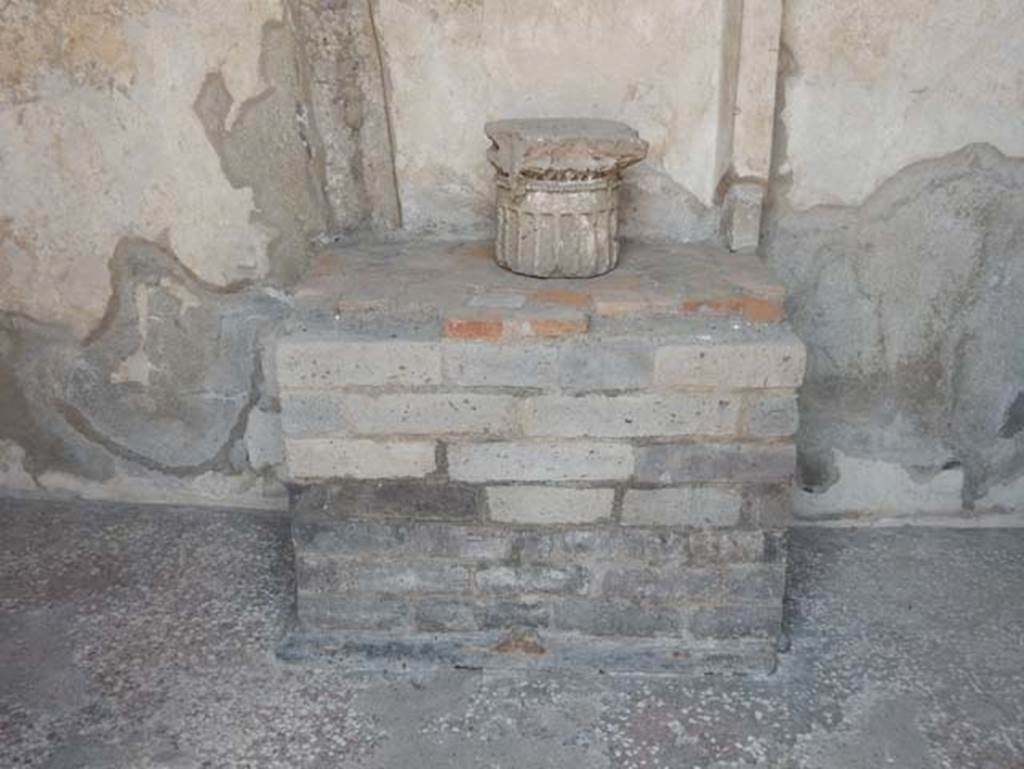
VIII.2.16 Pompeii. May 2017. Detail of masonry podium. Photo courtesy of Buzz Ferebee.
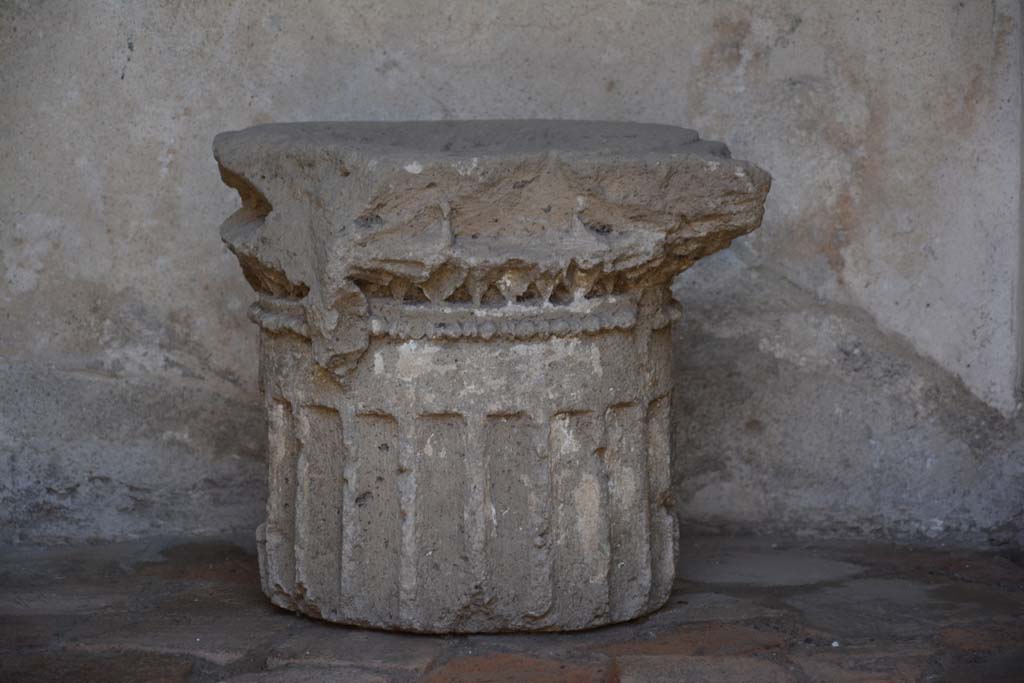
VIII.2.16 Pompeii.
September 2019. Column capital.
Foto Annette Haug, ERC Grant 681269 DÉCOR.
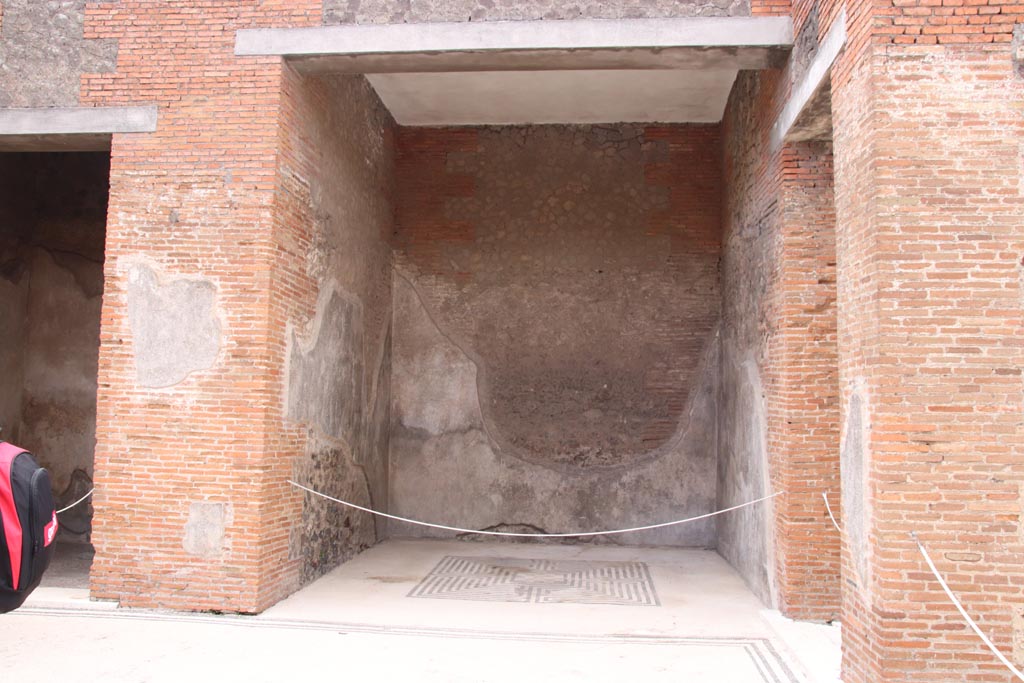
VIII.2.16 Pompeii. May 2024. Looking towards south ala. Photo courtesy of Klaus Heese.
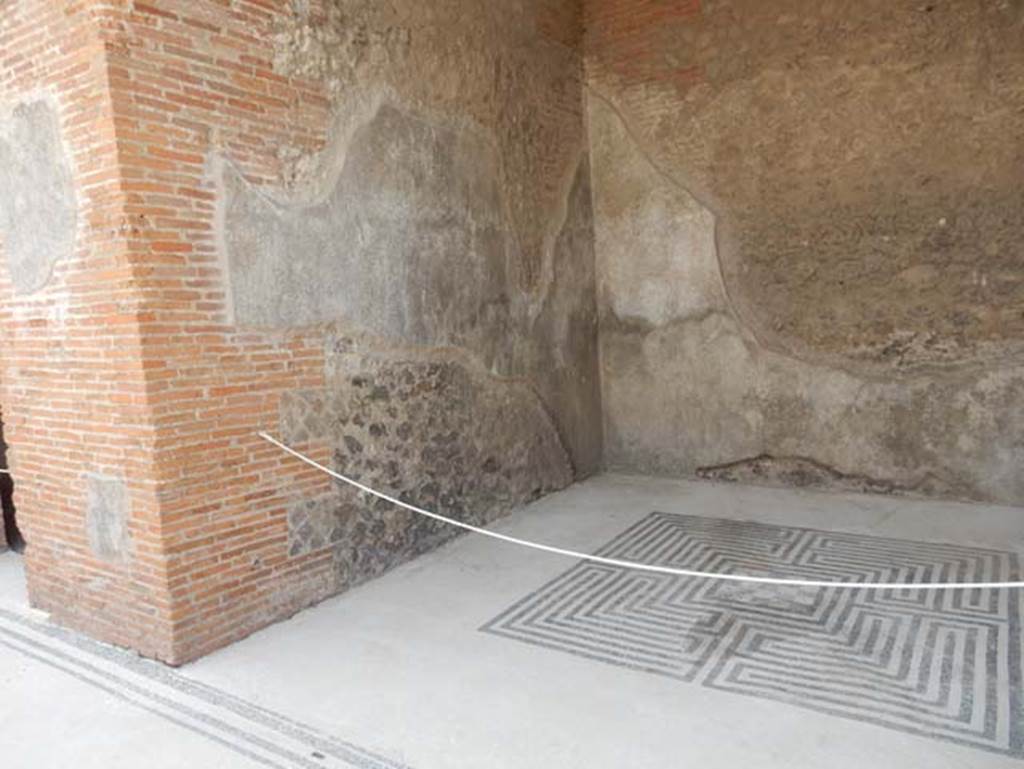
VIII.2.16 Pompeii. May 2017. Ala on south side of atrium, looking towards south-east corner. Photo courtesy of Buzz Ferebee.
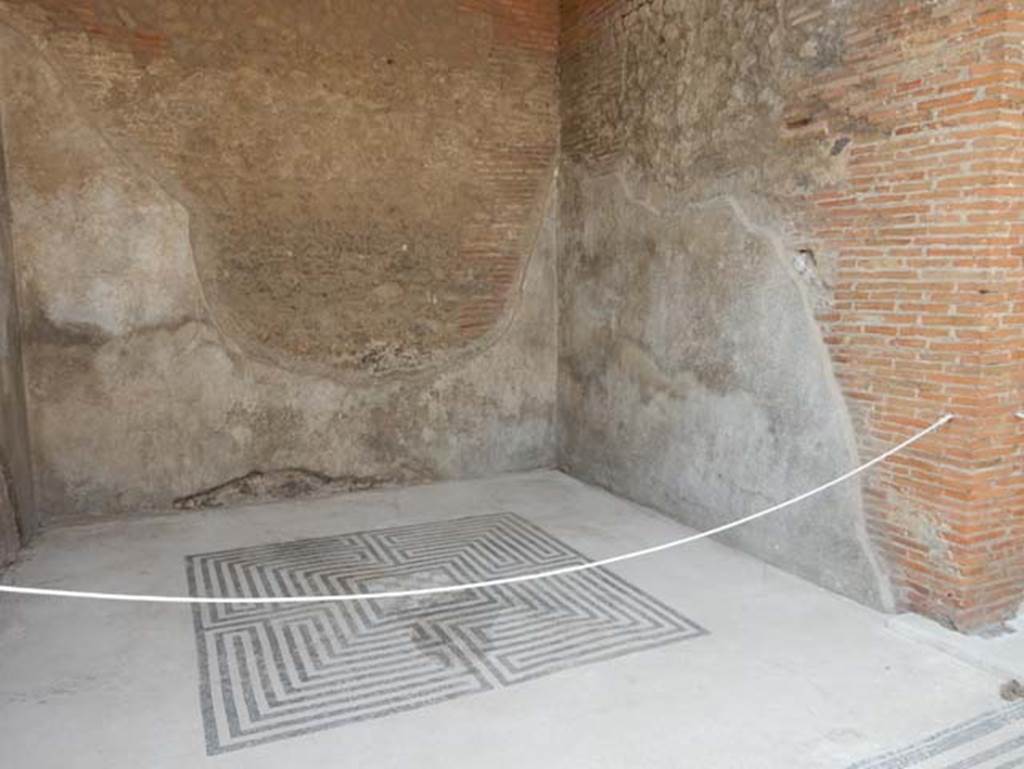
VIII.2.16 Pompeii. May 2017. Ala on south side of atrium, looking towards south-west corner. Photo courtesy of Buzz Ferebee.
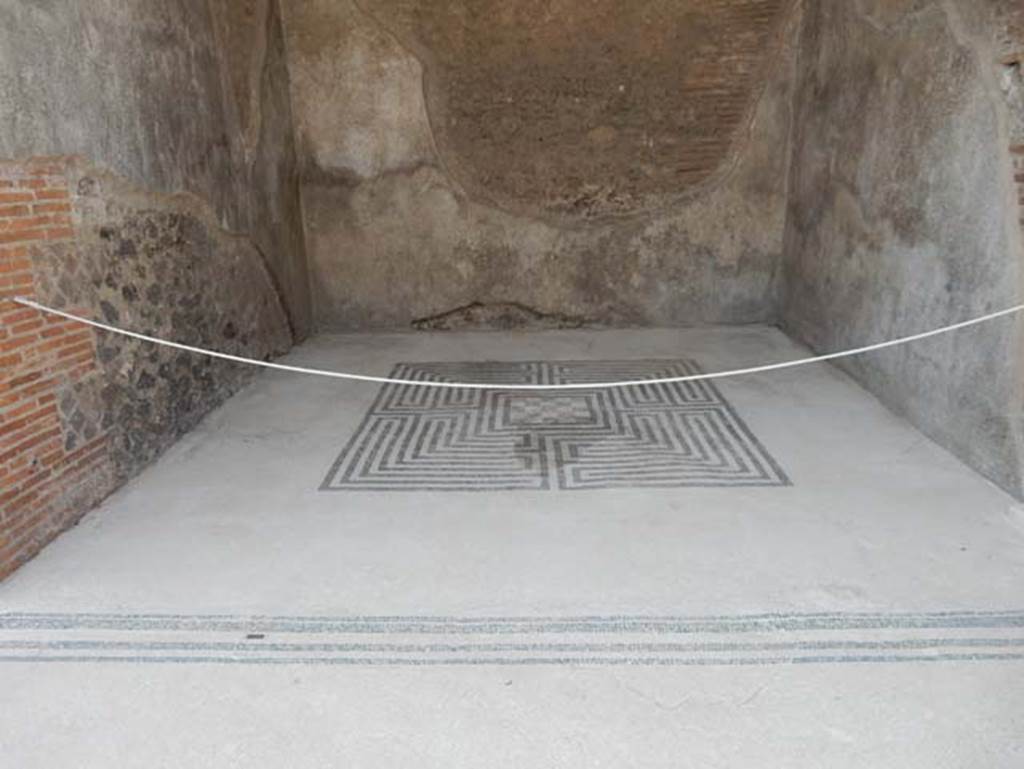
VIII.2.16 Pompeii. May 2017.
Ala on south side of atrium, looking south across mosaic floor with central motif. Photo courtesy of Buzz Ferebee.
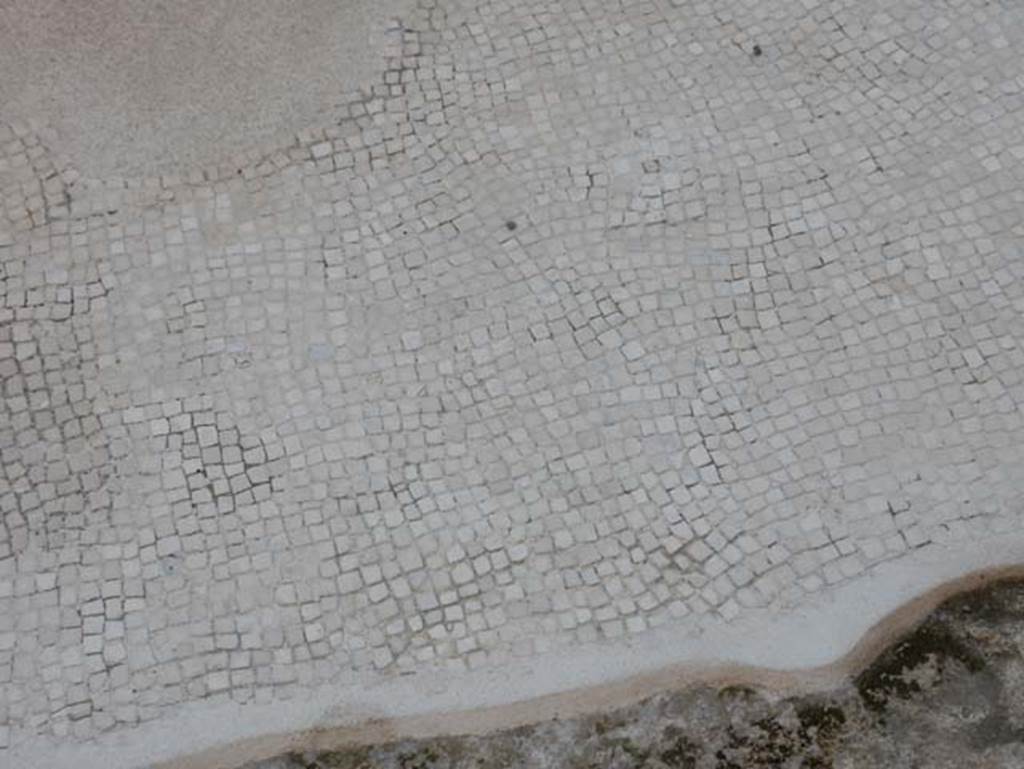
VIII.2.16 Pompeii. May 2018. White mosaic. Photo courtesy of Buzz Ferebee.
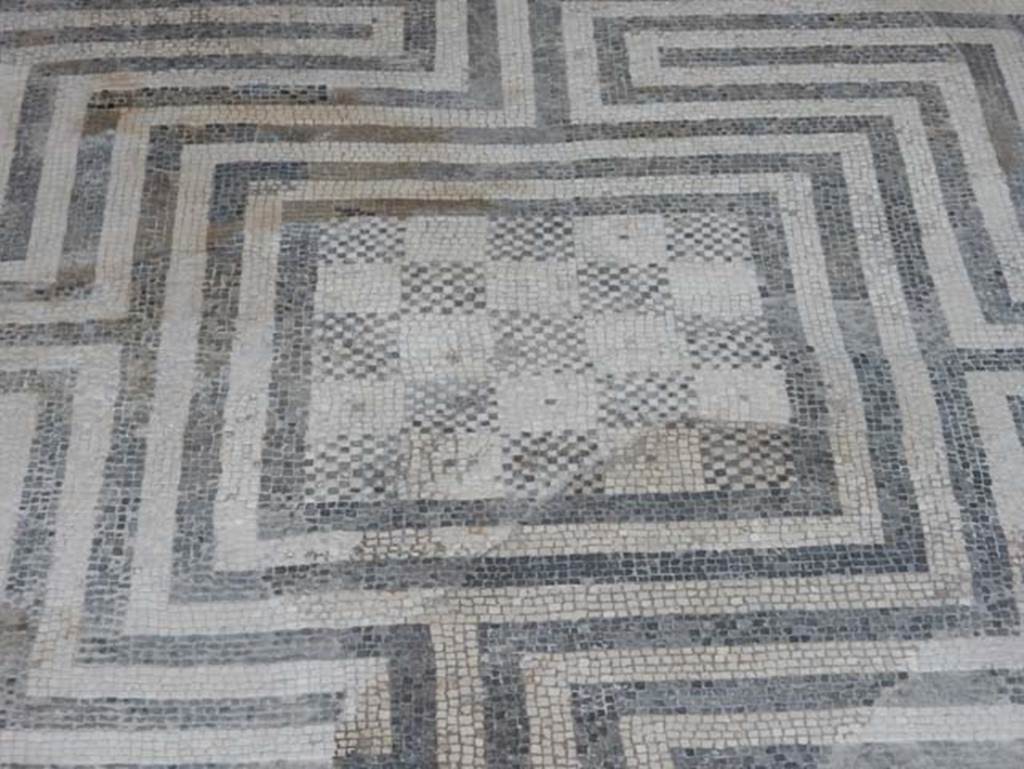
VIII.2.16 Pompeii. May 2024. Mosaic
flooring from south ala. Photo courtesy of Klaus Heese.
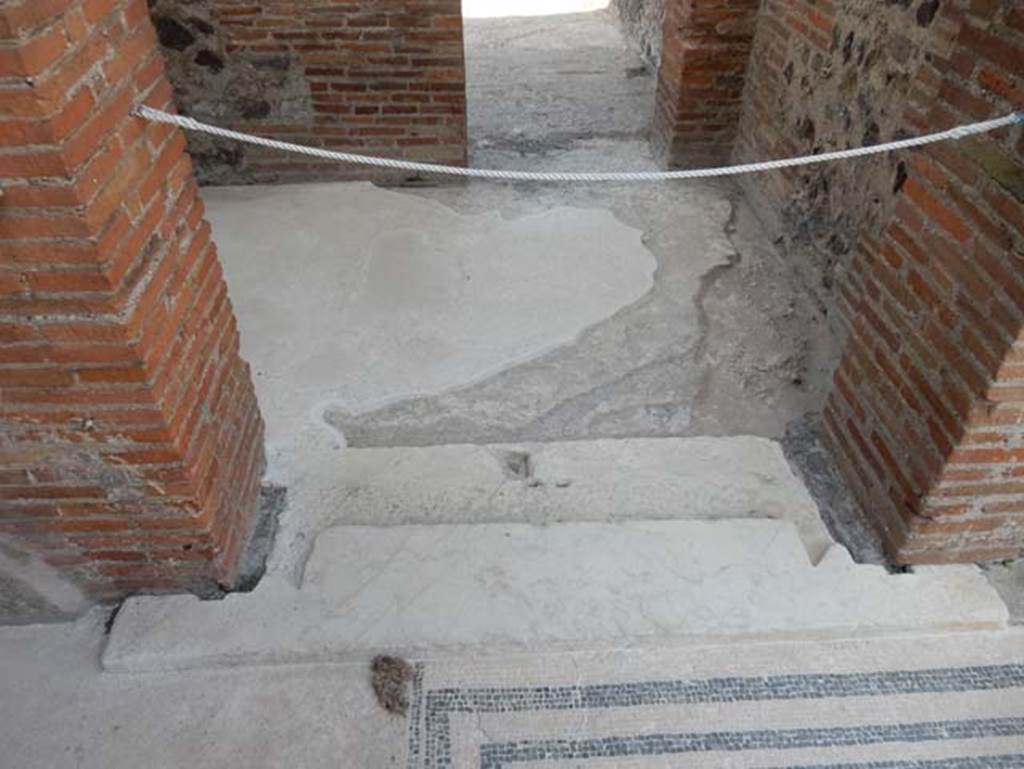
VIII.2.16 Pompeii. April 2019. Mosaic flooring in south ala. Photo
courtesy of Rick Bauer.
VIII.2.16 Pompeii. January 2017. Mosaic
flooring from south ala.
Foto Annette Haug, ERC Grant 681269 DÉCOR
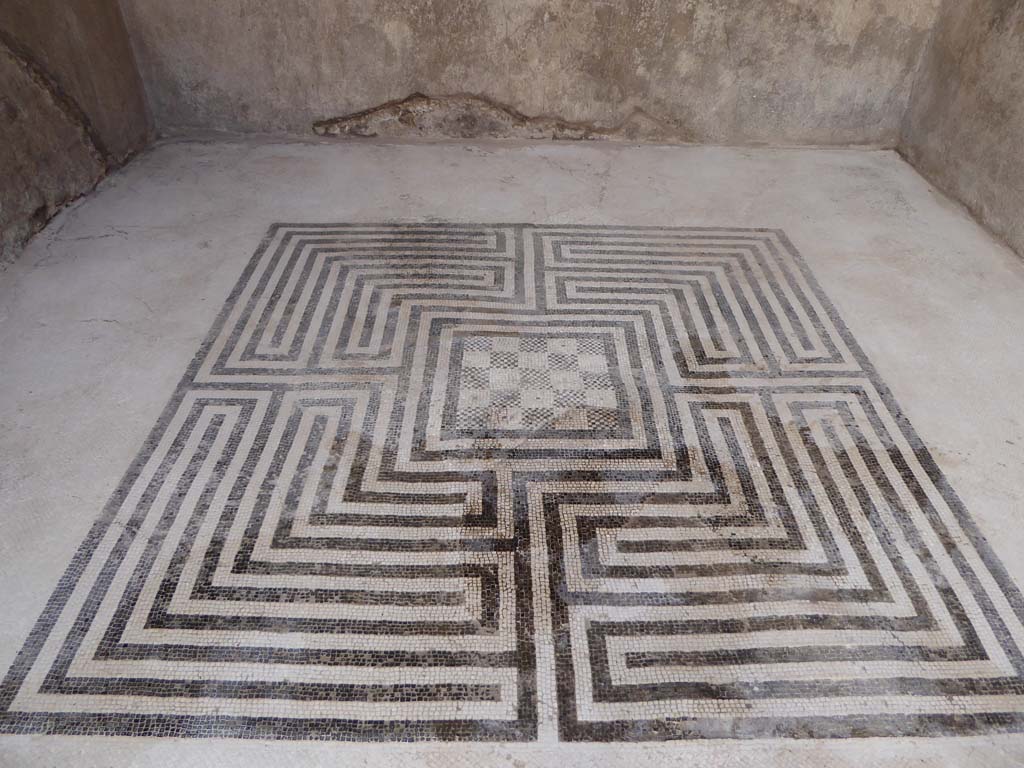
VIII.2.16 Pompeii. September 2005. Ala on south side of atrium with Labyrinth mosaic floor.
This floor was identical to the one in the ala on the north side but was better preserved.
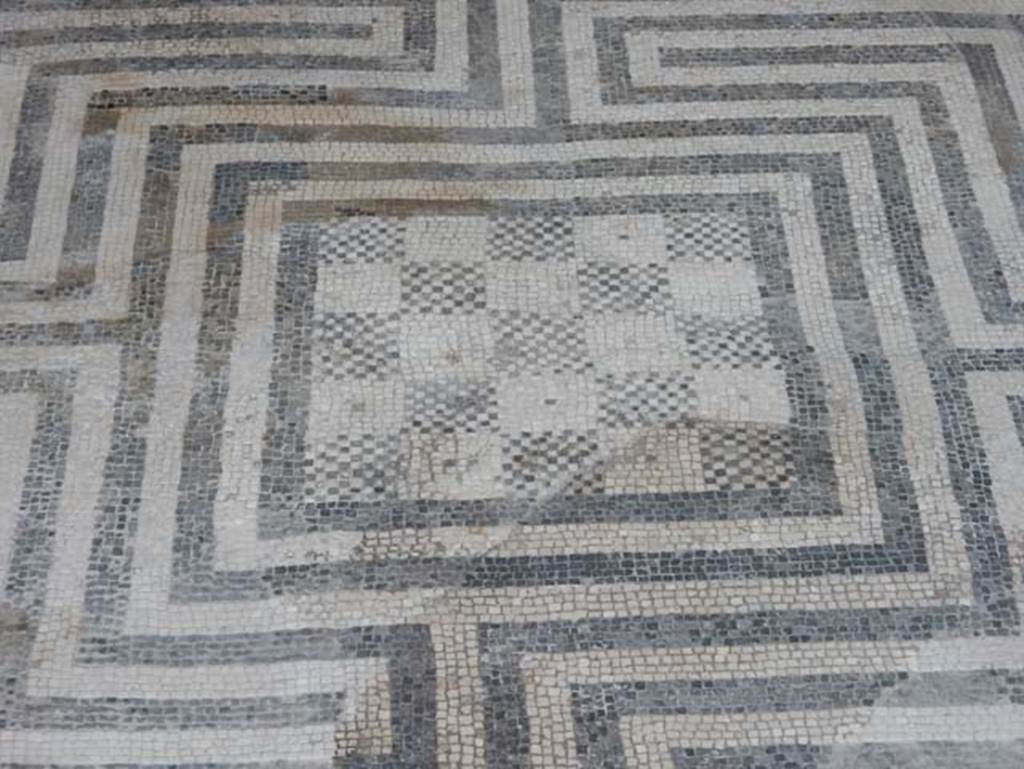
VIII.2.16 Pompeii. May 2017. Detail of central motif in south ala. Photo courtesy of Buzz Ferebee.
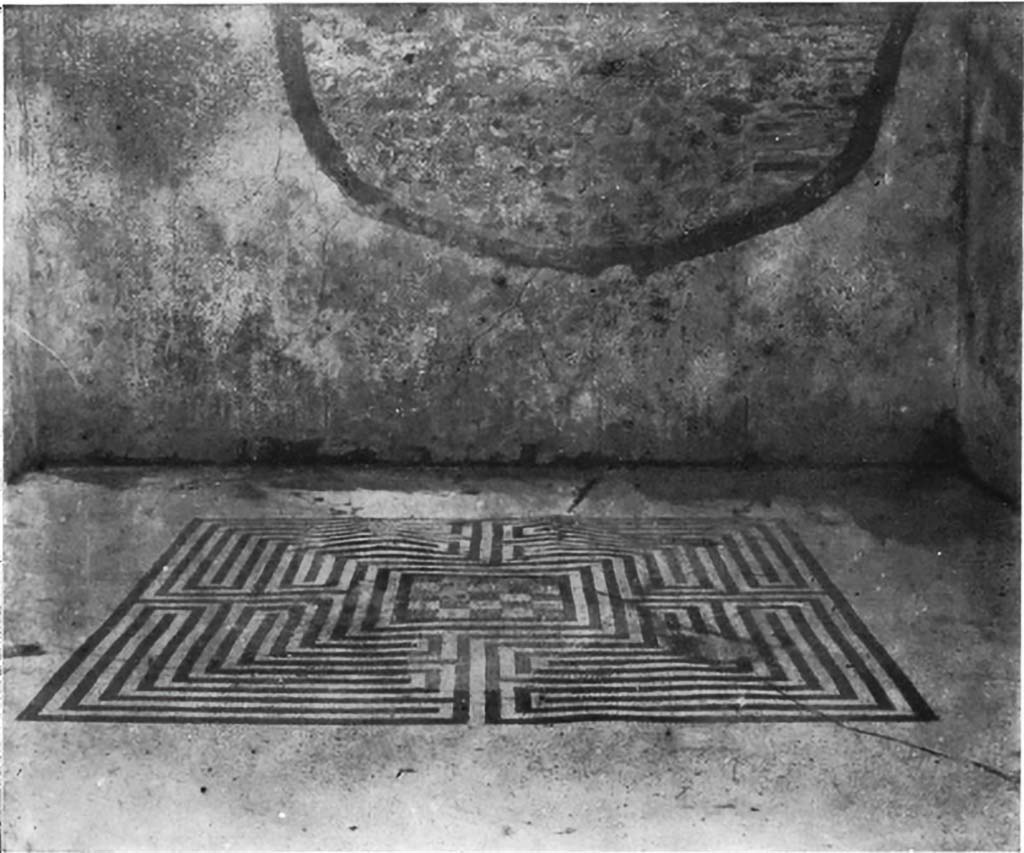
VIII.2.16 Pompeii. c.1930. Central motif from south ala.
See Blake,
M., (1930). The pavements of the Roman Buildings of the Republic and Early
Empire. Rome, MAAR, 8, (p.83, & Pl.19, tav.1).
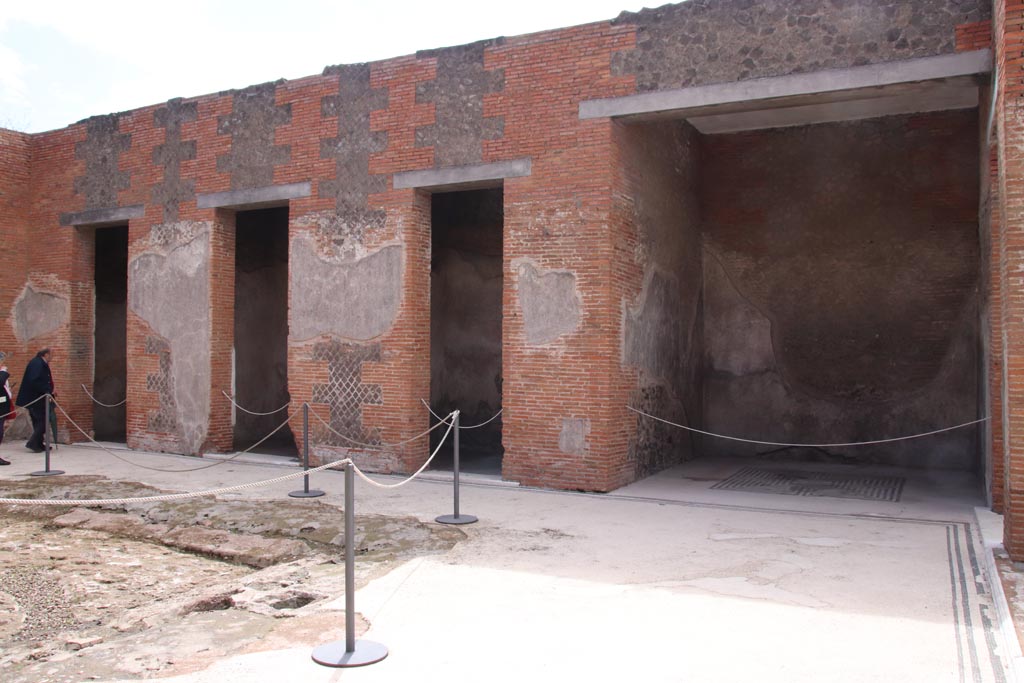
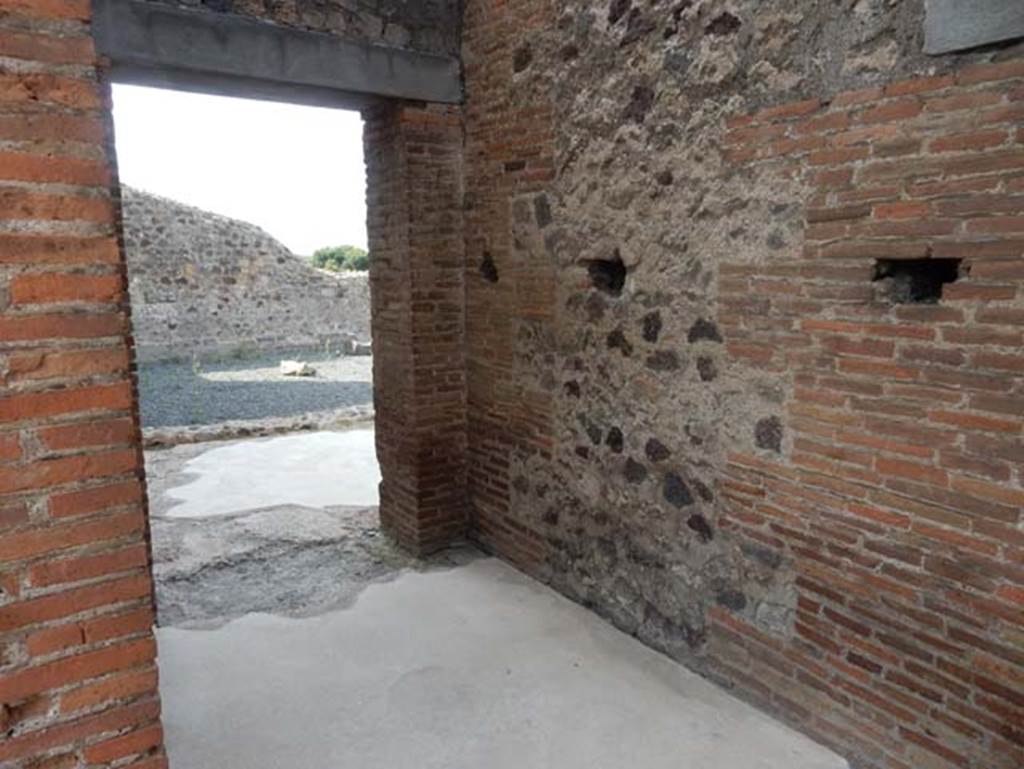
VIII.2.16 Pompeii. May 2024. Looking east along south side of atrium, from south ala, on right. Photo courtesy of Klaus Heese.
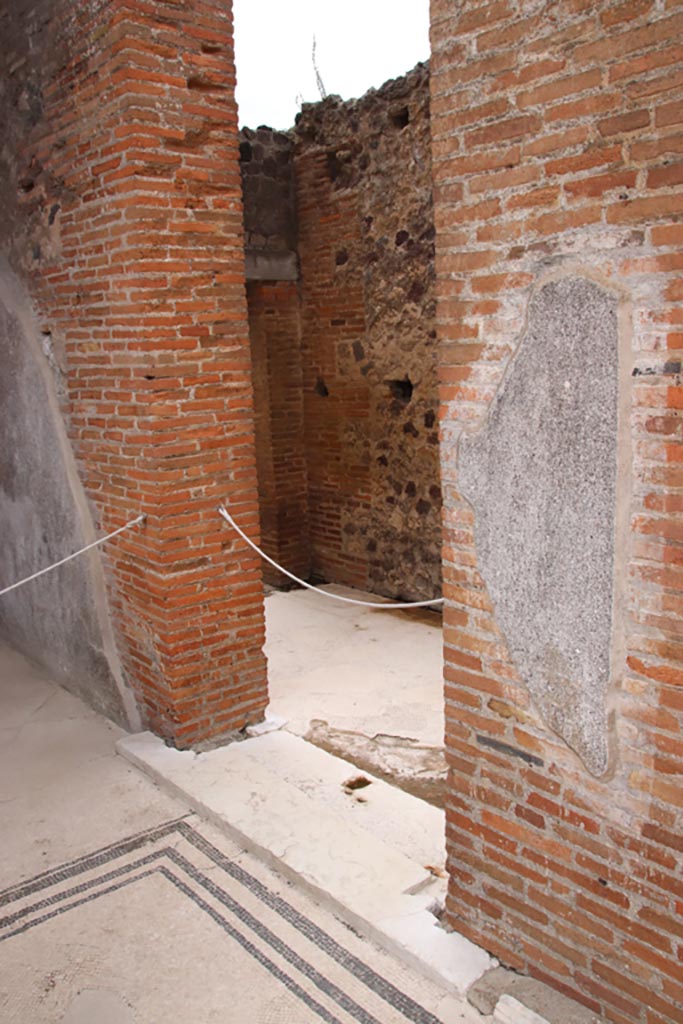
VIII.2.16 Pompeii. May 2024.
Looking through doorway in west wall in south-west corner of atrium. Photo courtesy of Klaus Heese.
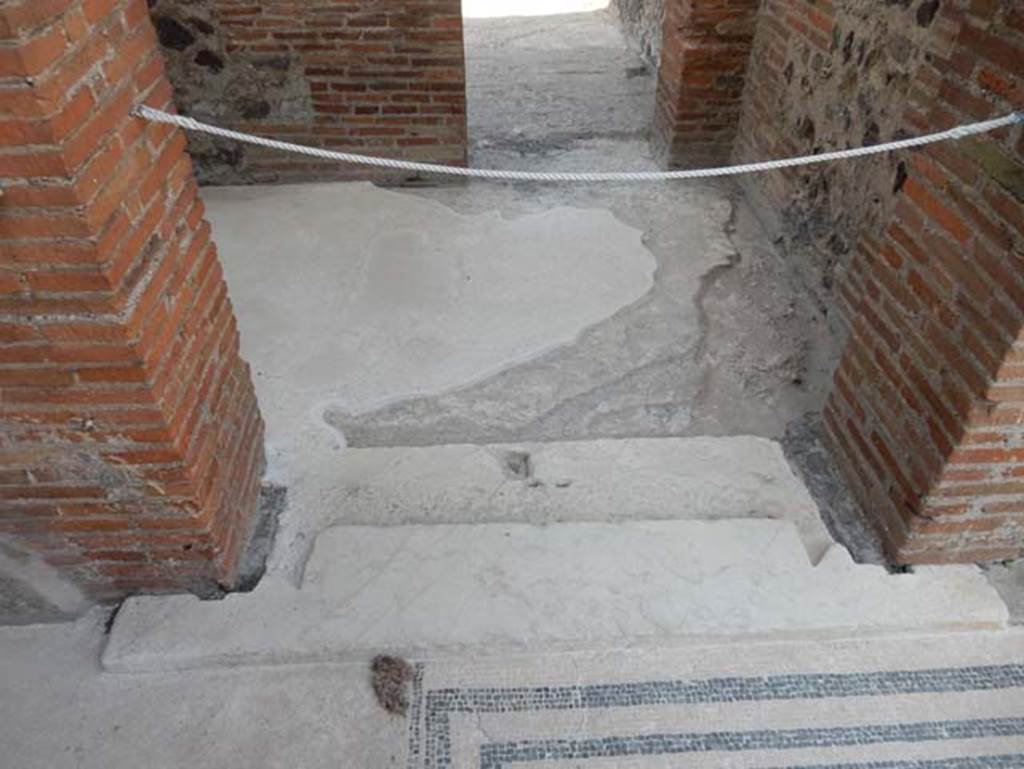
VIII.2.16 Pompeii. May 2017. Looking west through doorway in south-west corner of atrium.
This leads into a passageway and through another doorway to a room/cubiculum overlooking the east portico. Photo courtesy of Buzz Ferebee.
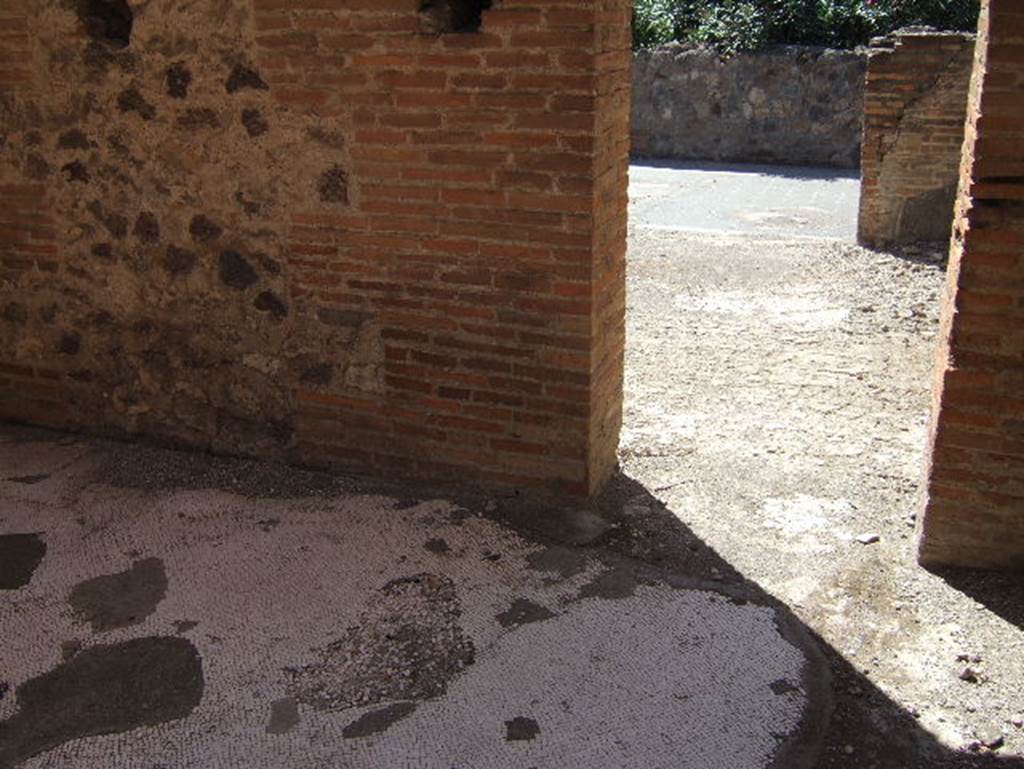
VIII.2.16 Pompeii. May 2024.
Flooring in passageway, looking south. Photo courtesy of Klaus Heese.
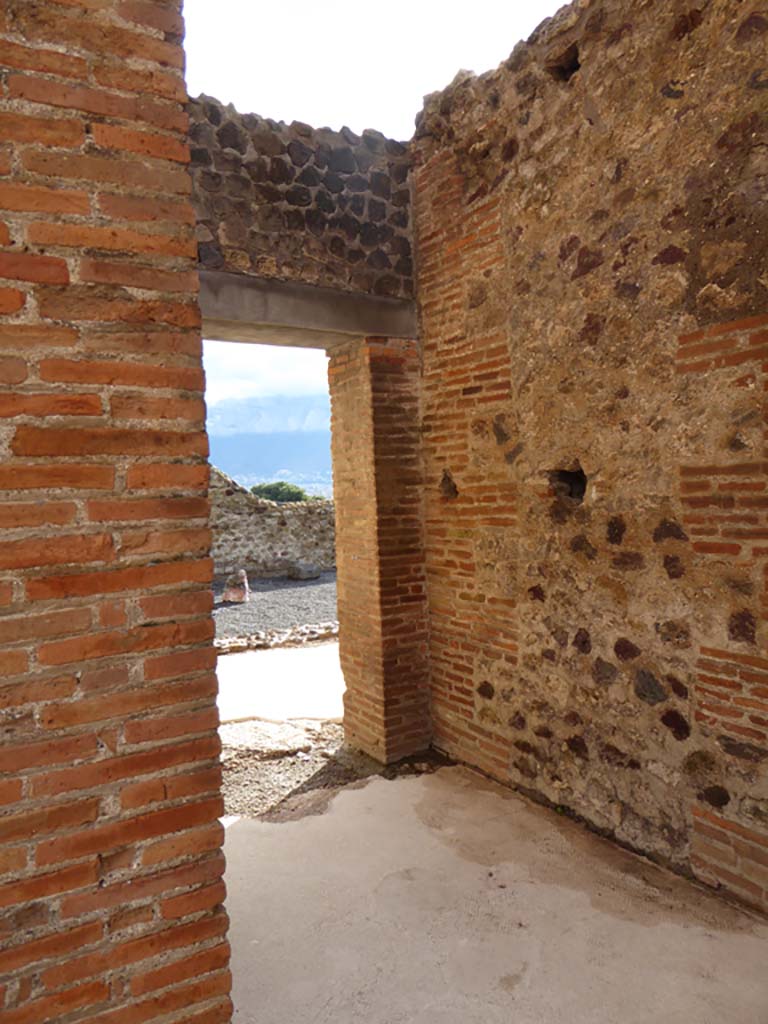
VIII.2.16 Pompeii. January 2017.
Looking south along west wall in passageway, leading to a large room which originally may have been part of VIII.2.18.
Foto Annette Haug, ERC Grant 681269 DÉCOR
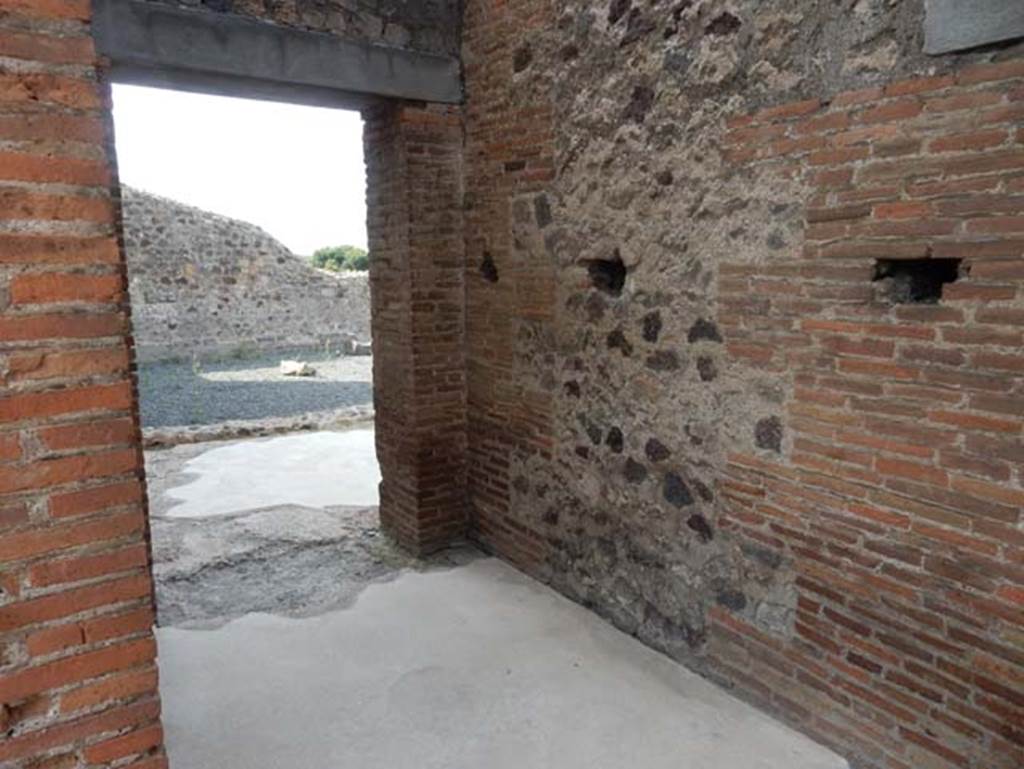
VIII.2.16 Pompeii. May 2017. Looking south along west wall in passageway towards large room. Photo courtesy of Buzz Ferebee.
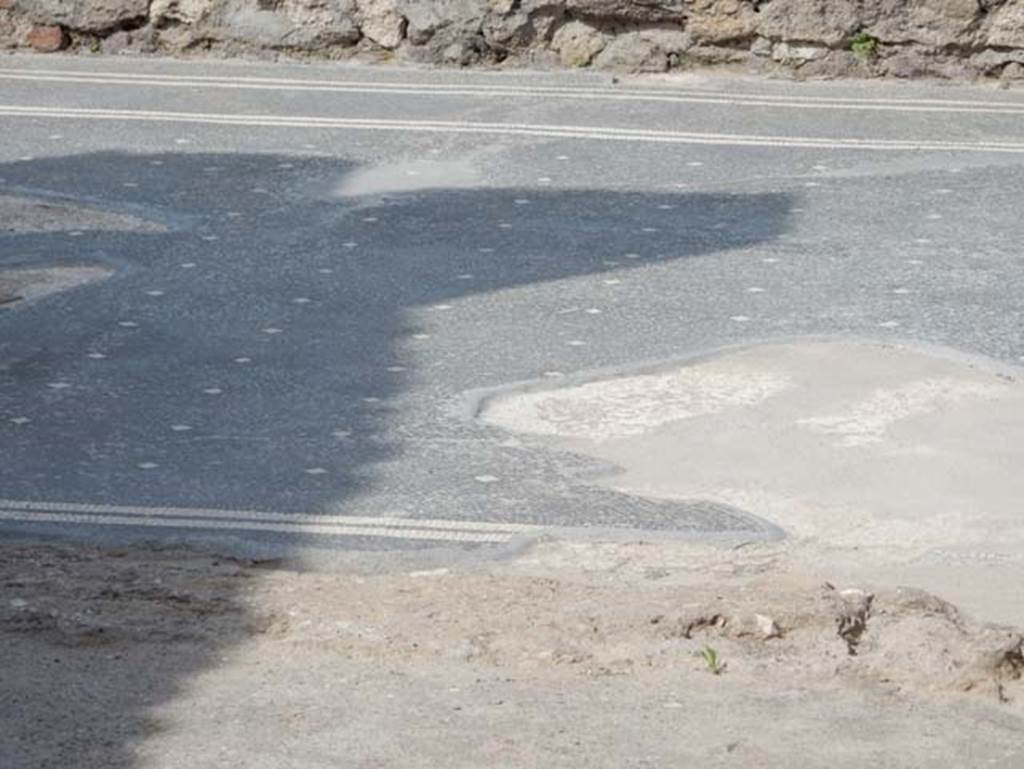
VIII.2.16 Pompeii. May 2024.
Looking south through doorway into large room which originally may have been part of VIII.2.18.
Photo courtesy of Klaus Heese.
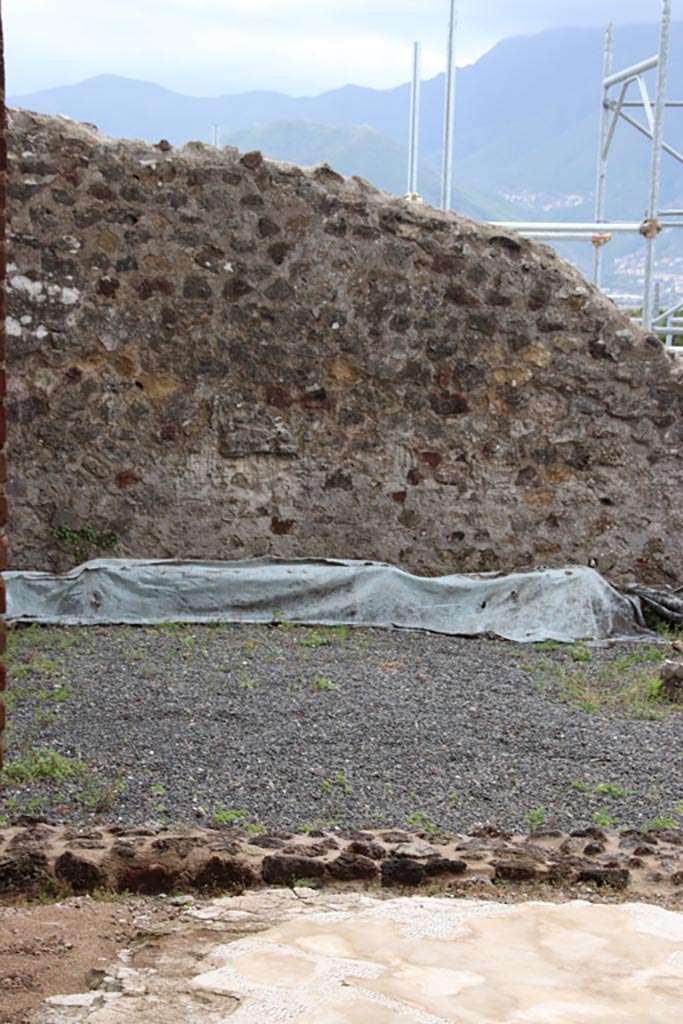
VIII.2.16 Pompeii. May 2024.
Looking south through doorway towards south wall of large room which originally may have been part of VIII.2.18.
Photo courtesy of Klaus Heese.
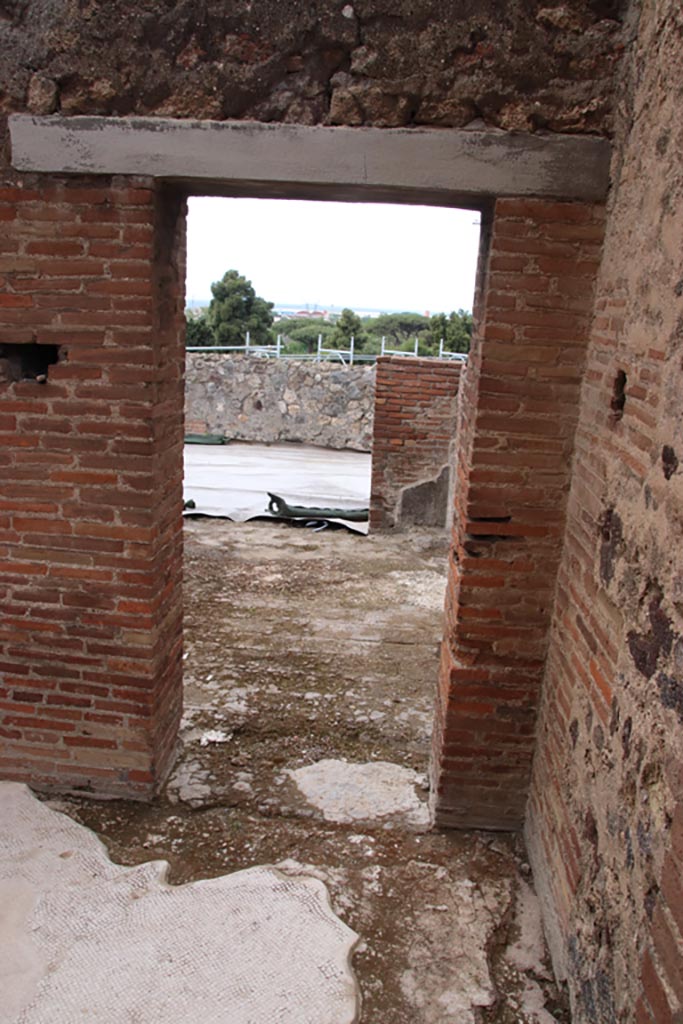
VIII.2.16 Pompeii. May 2024. Looking
west in corridor.
Doorway from corridor in south-west corner of atrium, leading to room/cubiculum opening onto east portico.
Photo courtesy of Klaus Heese.
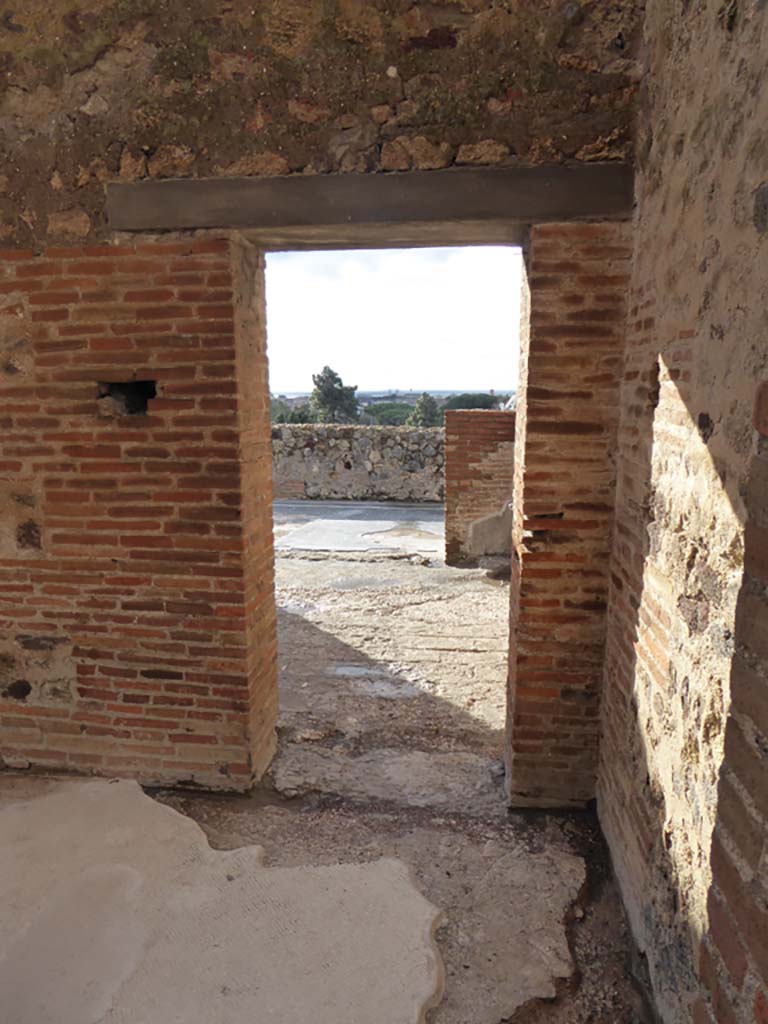
VIII.2.16 Pompeii. January 2017. Looking
west in corridor.
Doorway from corridor in south-west corner of atrium, leading to room/cubiculum opening onto east portico.
Foto Annette Haug, ERC Grant 681269 DÉCOR
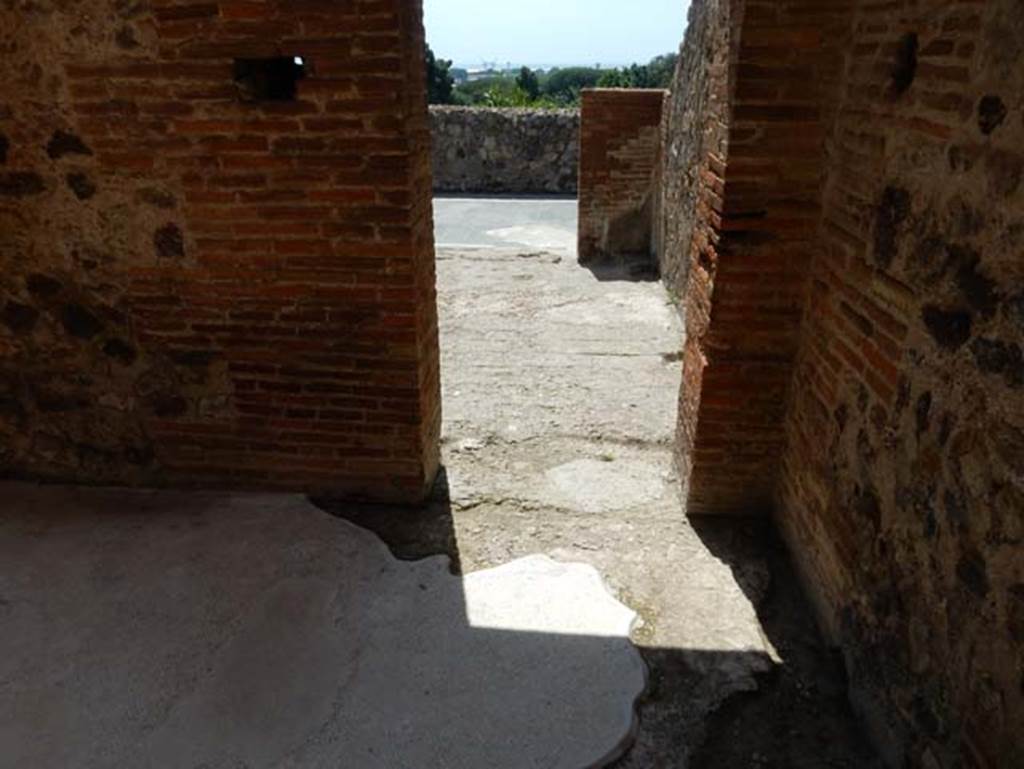
VIII.2.16 Pompeii. May 2018.
Looking west across passageway and through another doorway to a room/cubiculum overlooking the east portico.
Photo courtesy of Buzz Ferebee.
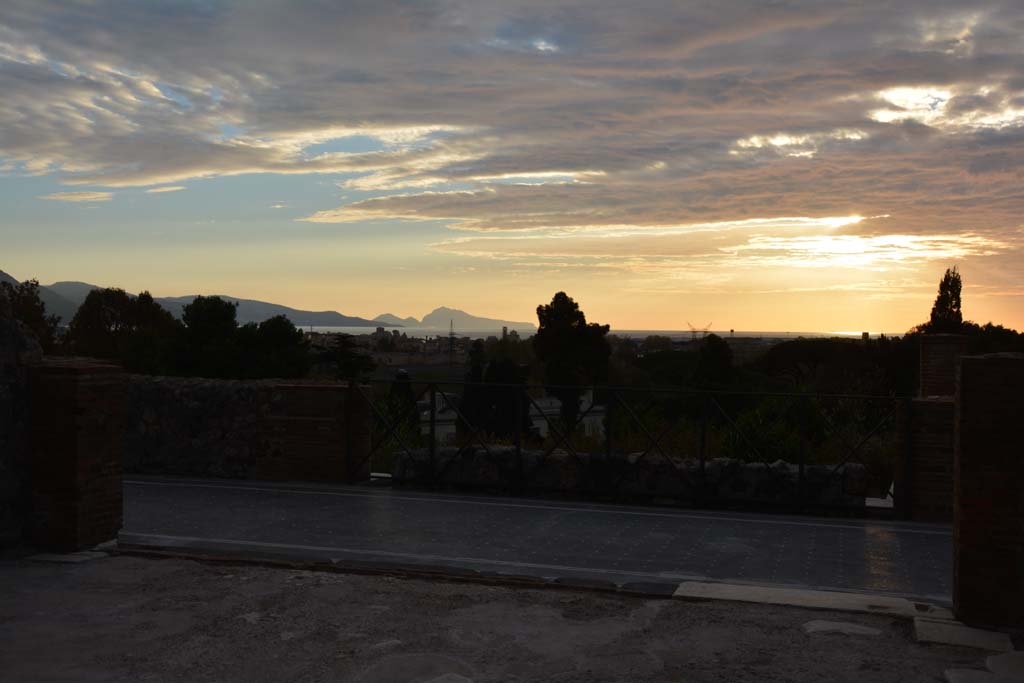
VIII.2.16 Pompeii. September 2005.
Doorway from corridor in south-west corner of atrium, leading to room/cubiculum opening onto east portico.
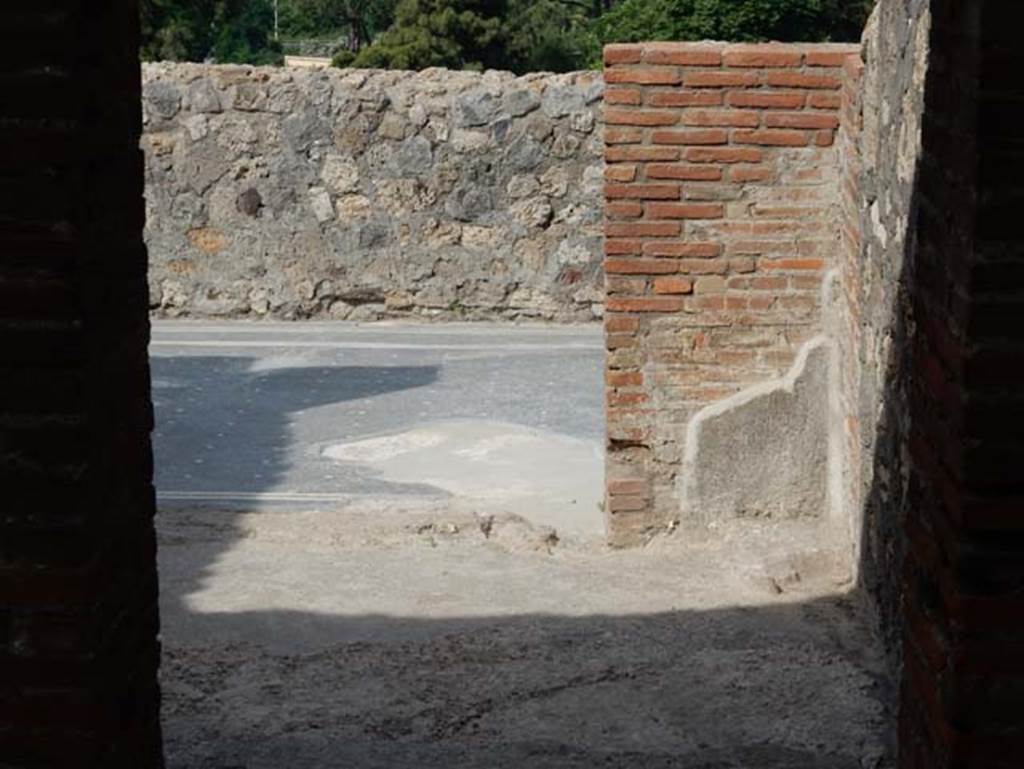
VIII.2.16 Pompeii. May 2017.
Looking west across room/cubiculum overlooking the east portico in south-west corner of atrium. Photo courtesy of Buzz Ferebee.
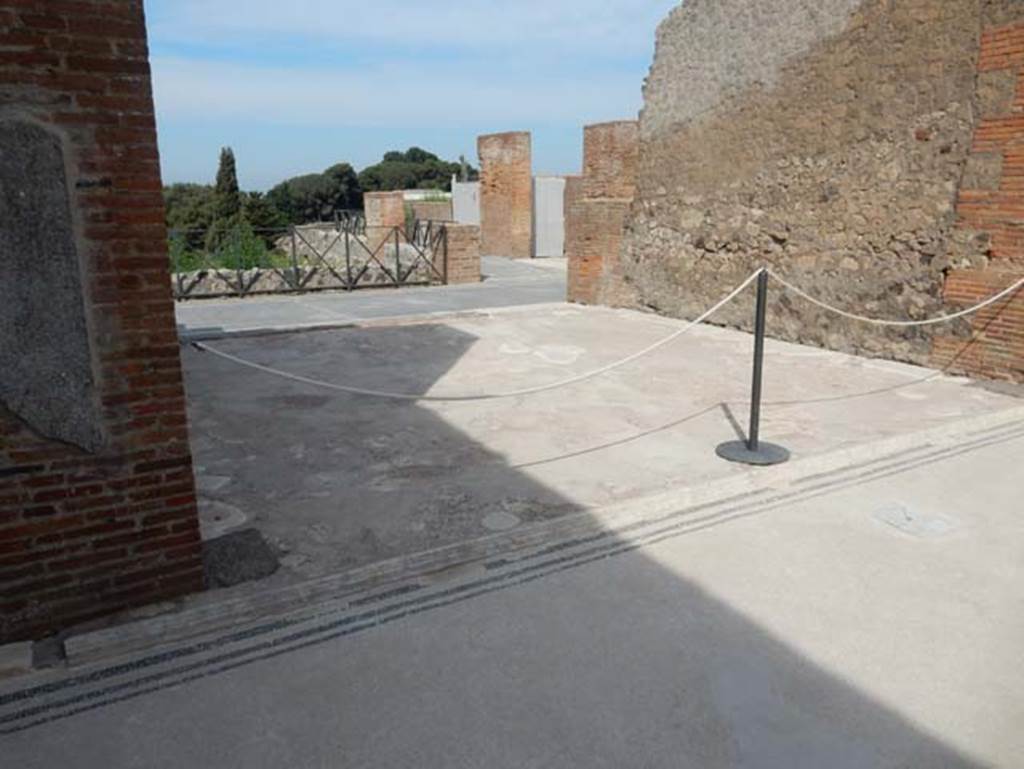
VIII.2.16 Pompeii. May 2017. Flooring of east portico. Photo courtesy of Buzz Ferebee.
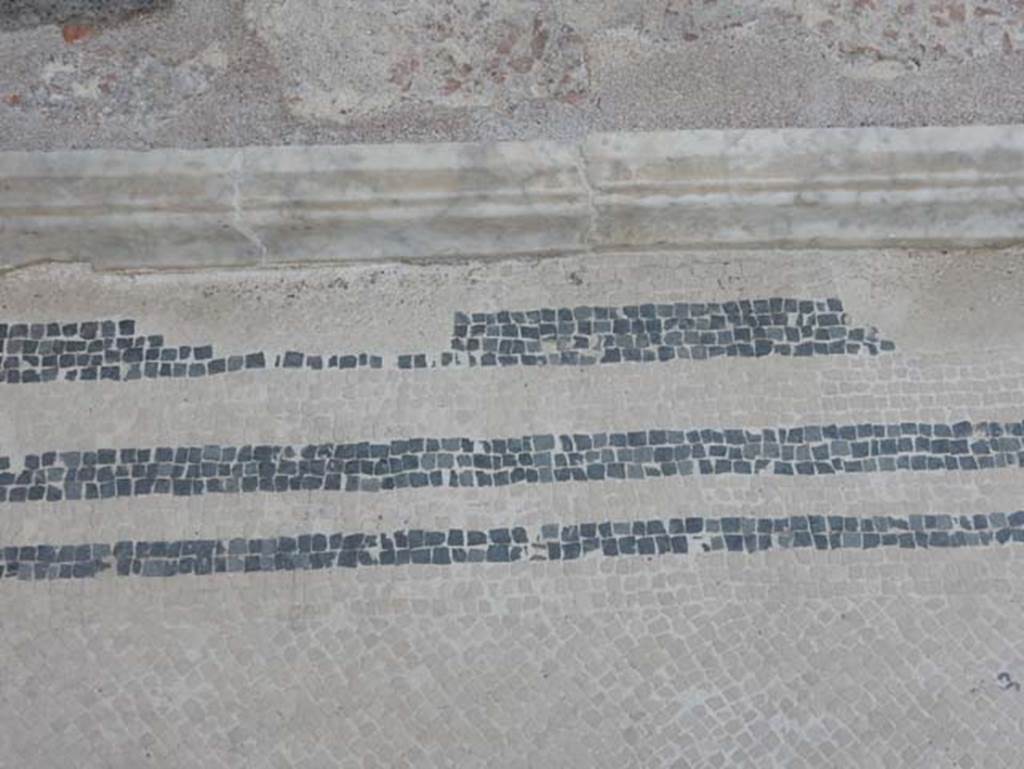
VIII.2.16 Pompeii. May 2017. Flooring of east portico. Photo courtesy of Buzz Ferebee.
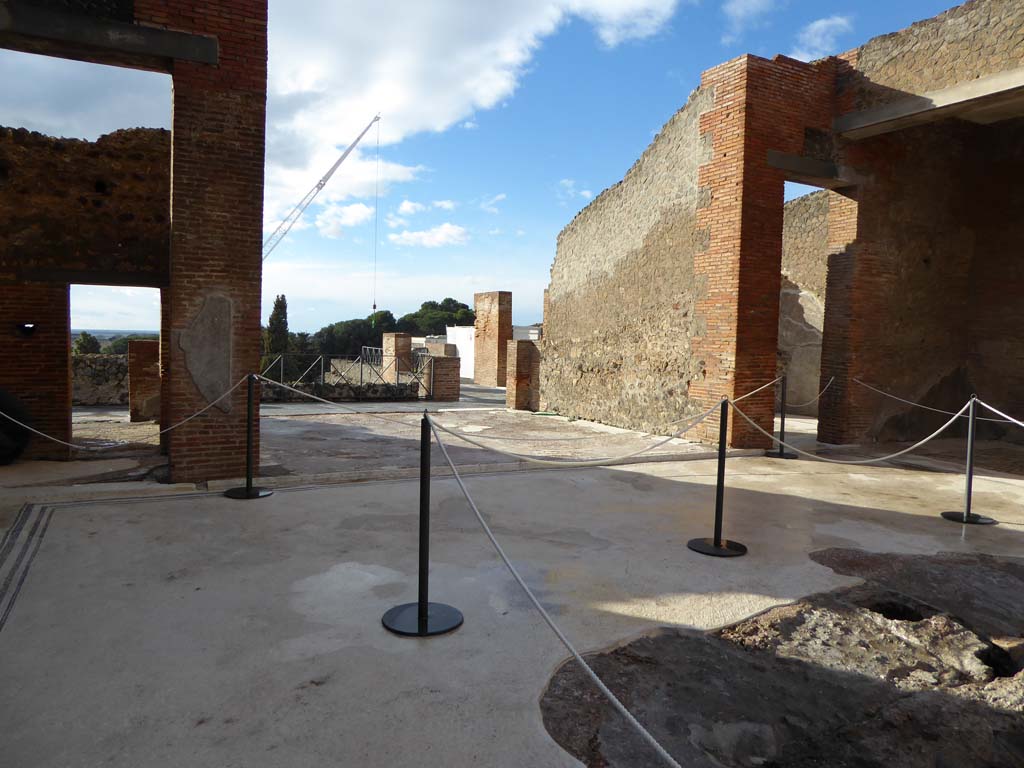
VIII.2.16 Pompeii. January 2017. Looking north-west across atrium
towards tablinum.
Foto Annette Haug, ERC Grant 681269 DÉCOR
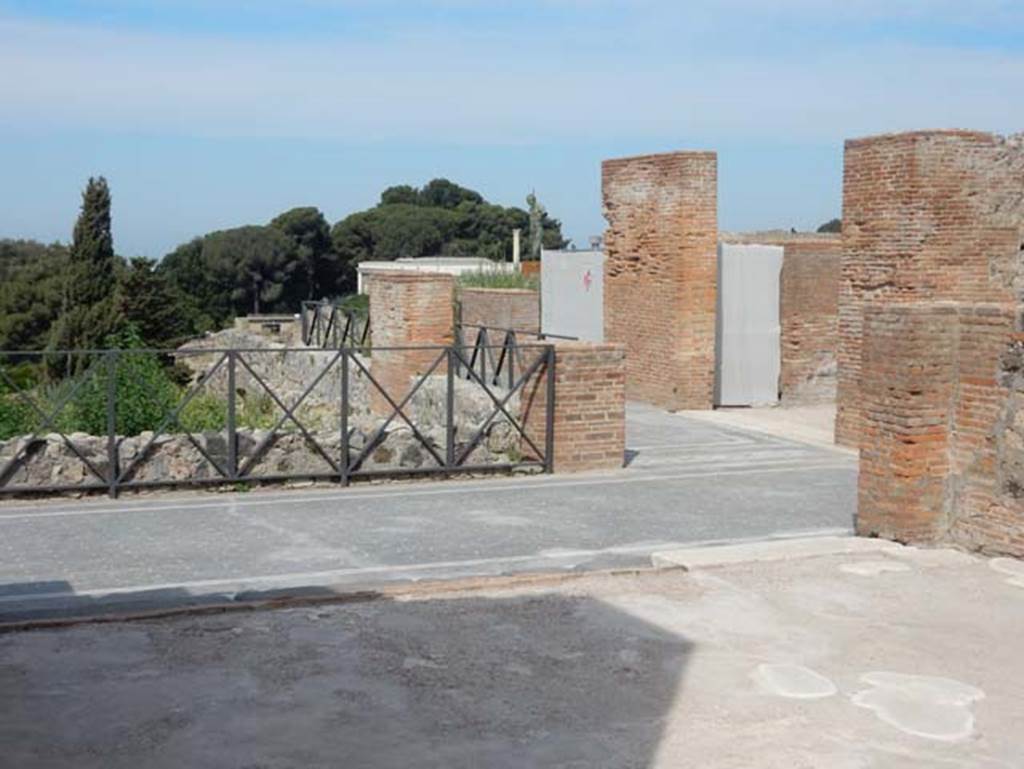
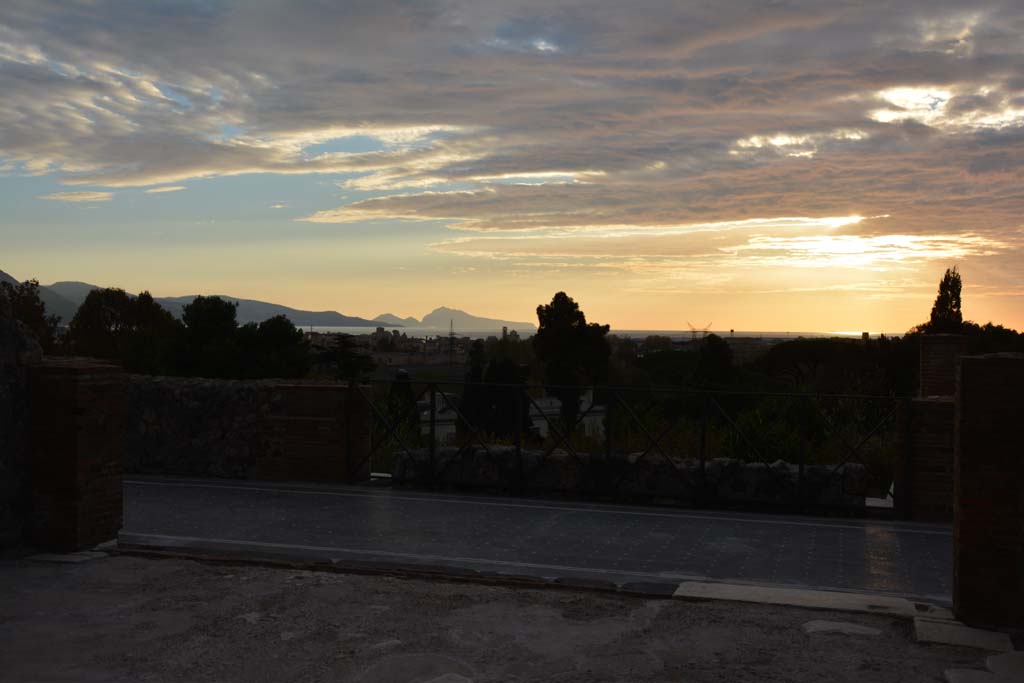
VIII.2.16 Pompeii. November 2017. Looking south-west from
atrium towards tablinum with view over the Bay towards Capri.
Foto
Annette Haug, ERC Grant 681269 DÉCOR.
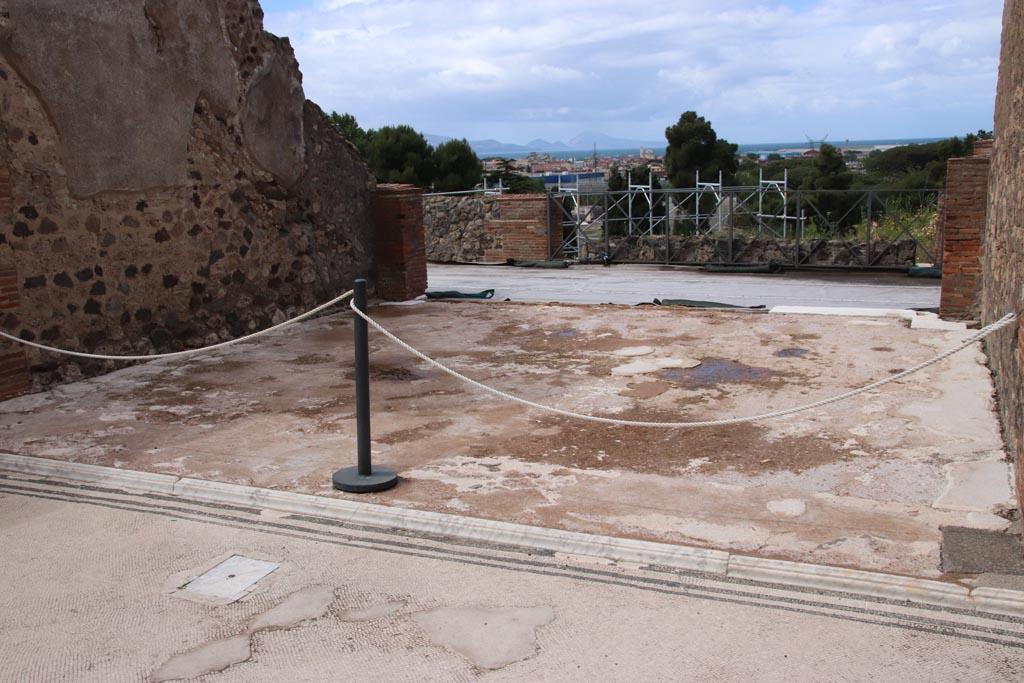
VIII.2.16 Pompeii. May 2024.
Looking south-west across tablinum, from atrium. Photo courtesy
of Klaus Heese.
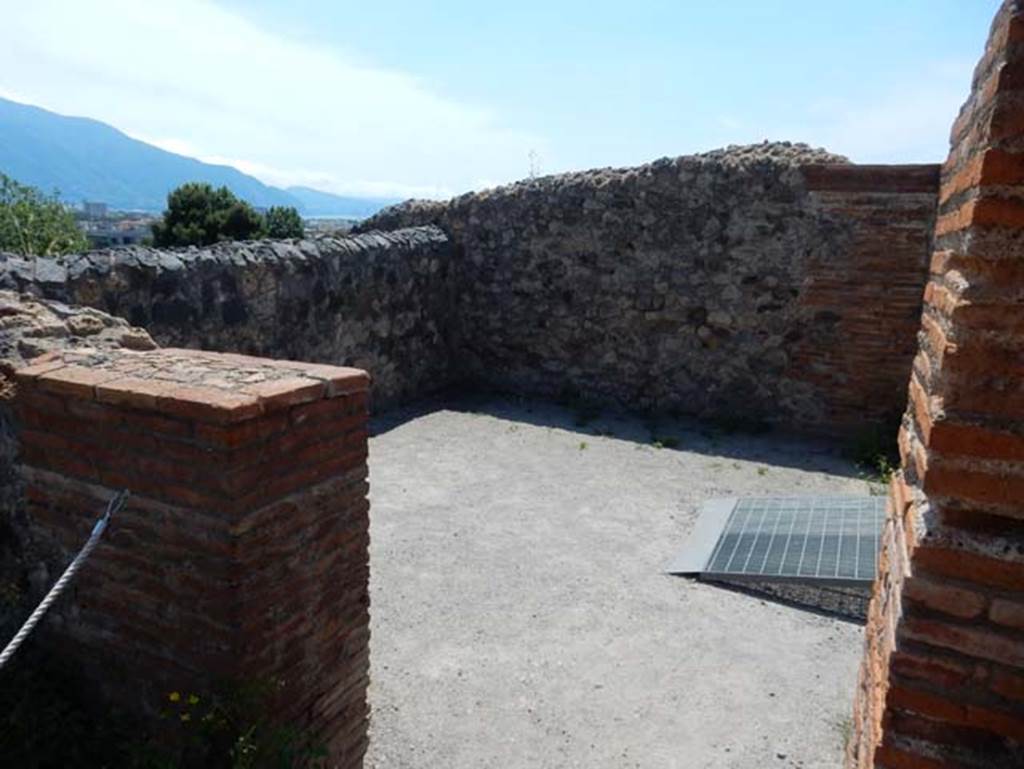
VIII.2.16 Pompeii. January 2017. Looking west across flooring in tablinum.
Foto Annette Haug, ERC Grant 681269 DÉCOR
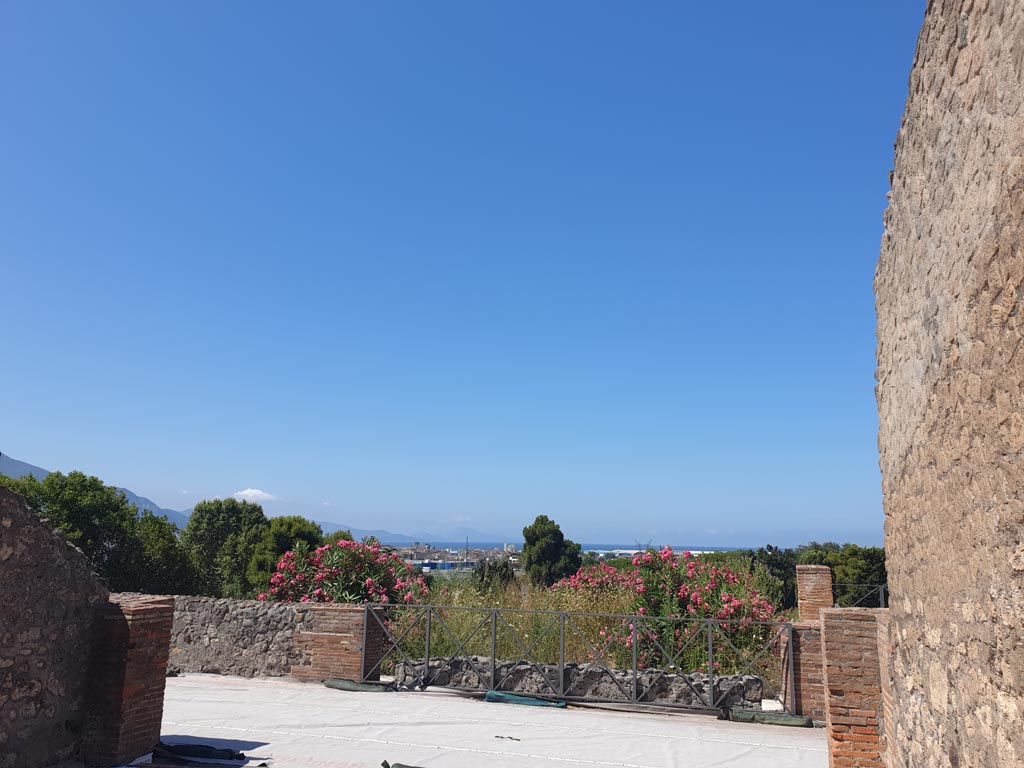
VIII.2.16 Pompeii. August 2023. Looking from tablinum across east
portico. Photo courtesy of Maribel Velasco.
Foto
Annette Haug, ERC Grant 681269 DÉCOR.
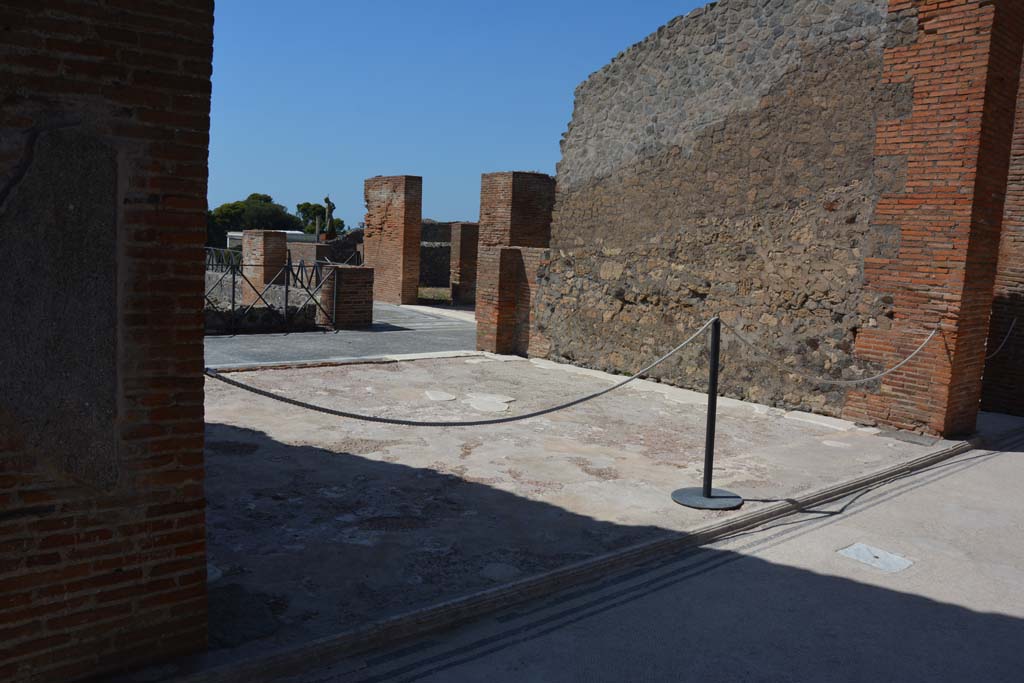
VIII.2.16
Pompeii. September 2019. Looking towards north wall of tablinum.
Foto
Annette Haug, ERC Grant 681269 DÉCOR.
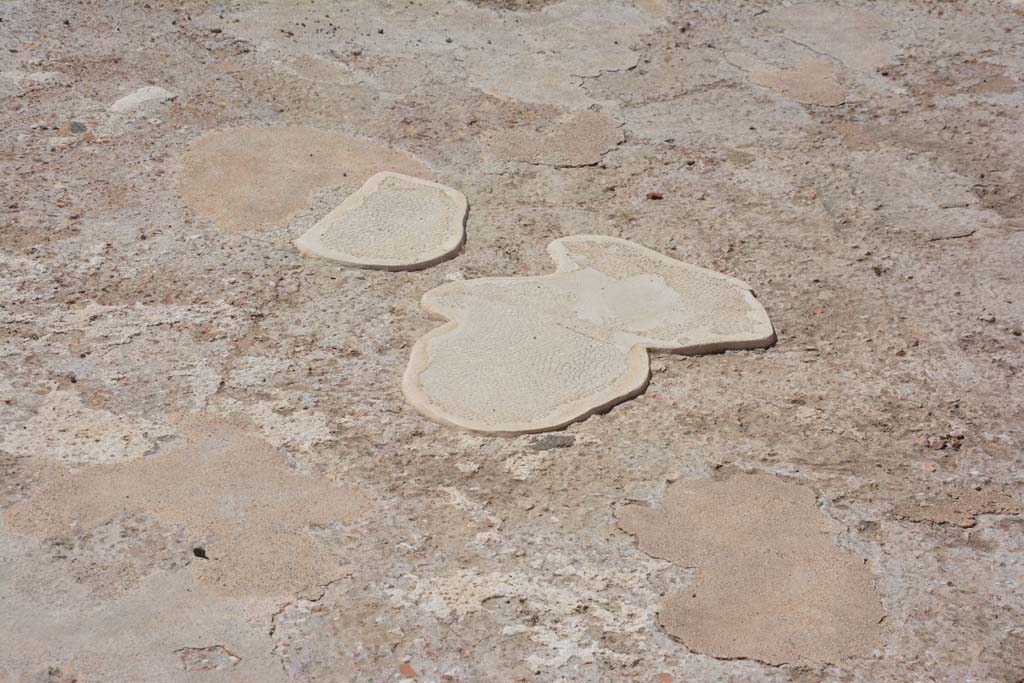
VIII.2.16
Pompeii. September 2019. Detail from flooring in tablinum.
Foto
Annette Haug, ERC Grant 681269 DÉCOR.
VIII.2.16 Pompeii. May 2017. Looking north-west across tablinum. Photo courtesy of Buzz Ferebee.
VIII.2.16 Pompeii. May 2017. Atrium flooring and edging. Photo courtesy of Buzz Ferebee.
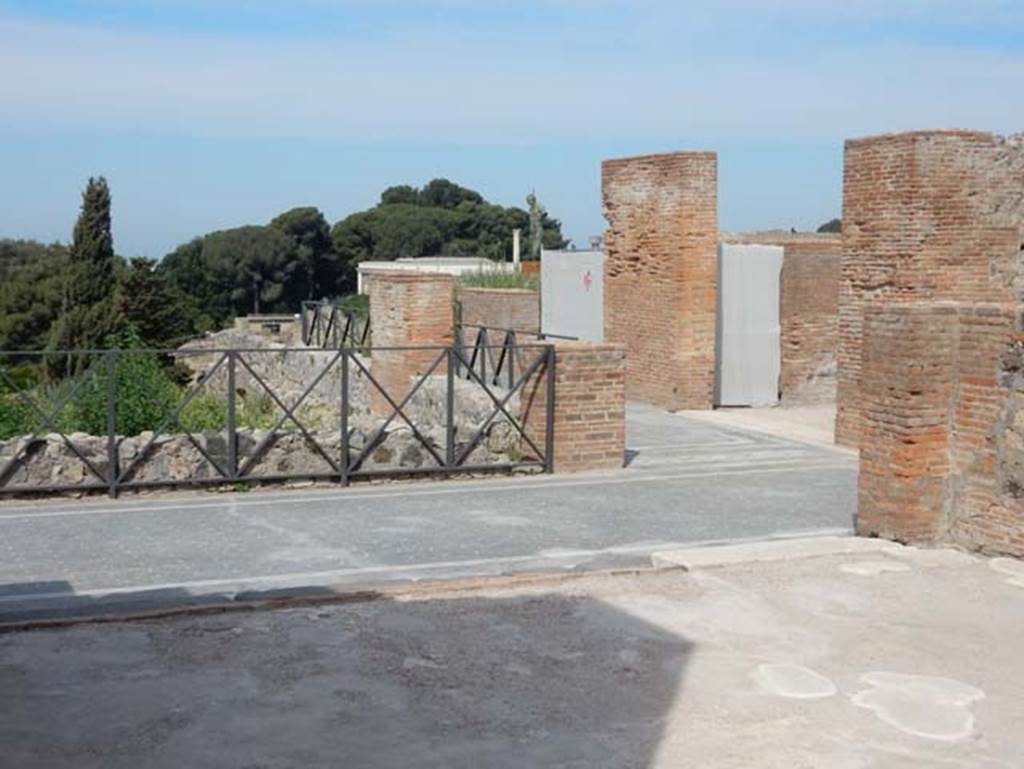
VIII.2.16 Pompeii. May 2017. Looking across the tablinum towards the east and north portico. Photo courtesy of Buzz Ferebee.
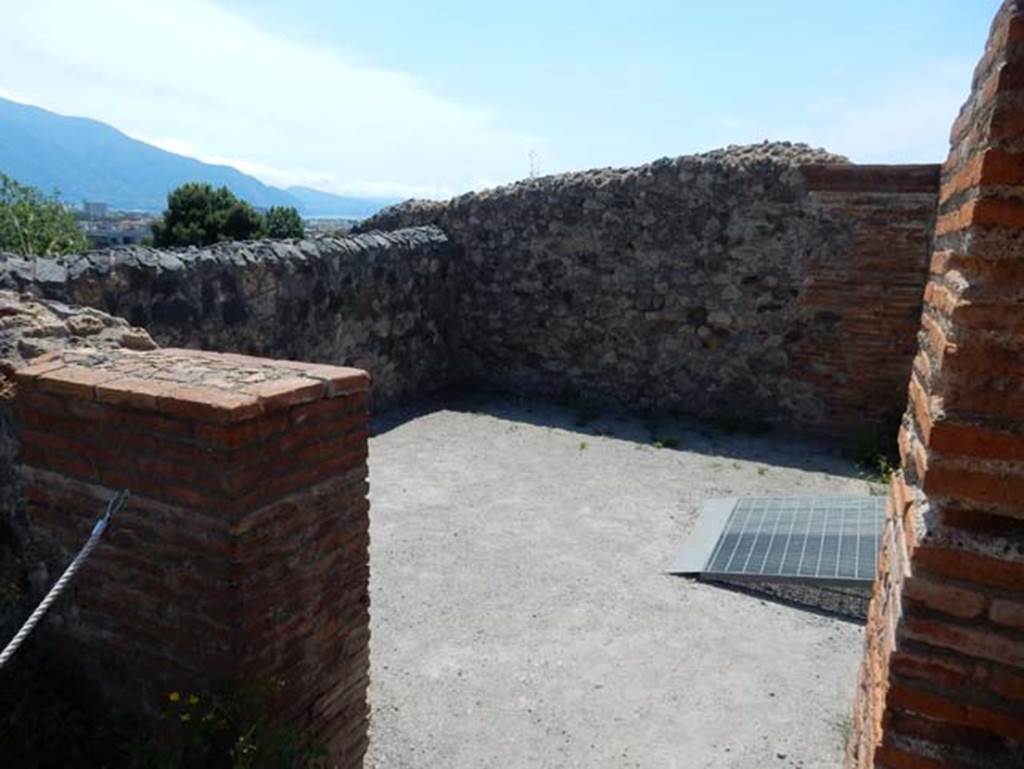
VIII.2.16 Pompeii. May 2018.
Looking west across to the view of the Sorrentine Peninsula, from room on south side. Photo courtesy of Buzz Ferebee.
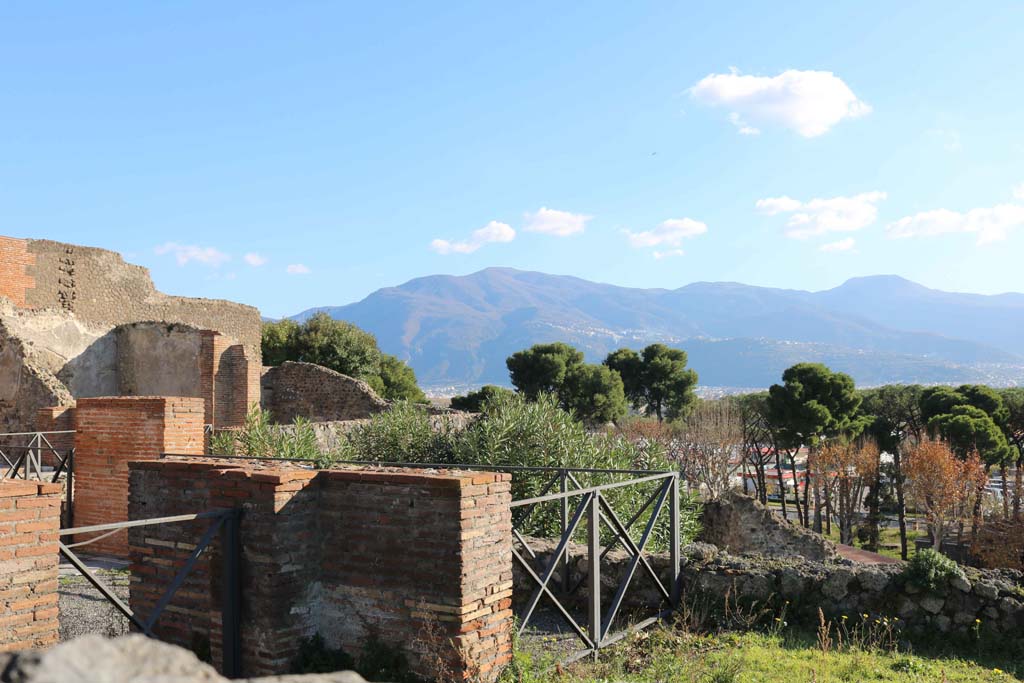
VIII.2.16 Pompeii. December 2018.
Looking
south-east towards fenced-off north portico, across terrace garden area towards
east portico. Photo courtesy of Aude Durand.
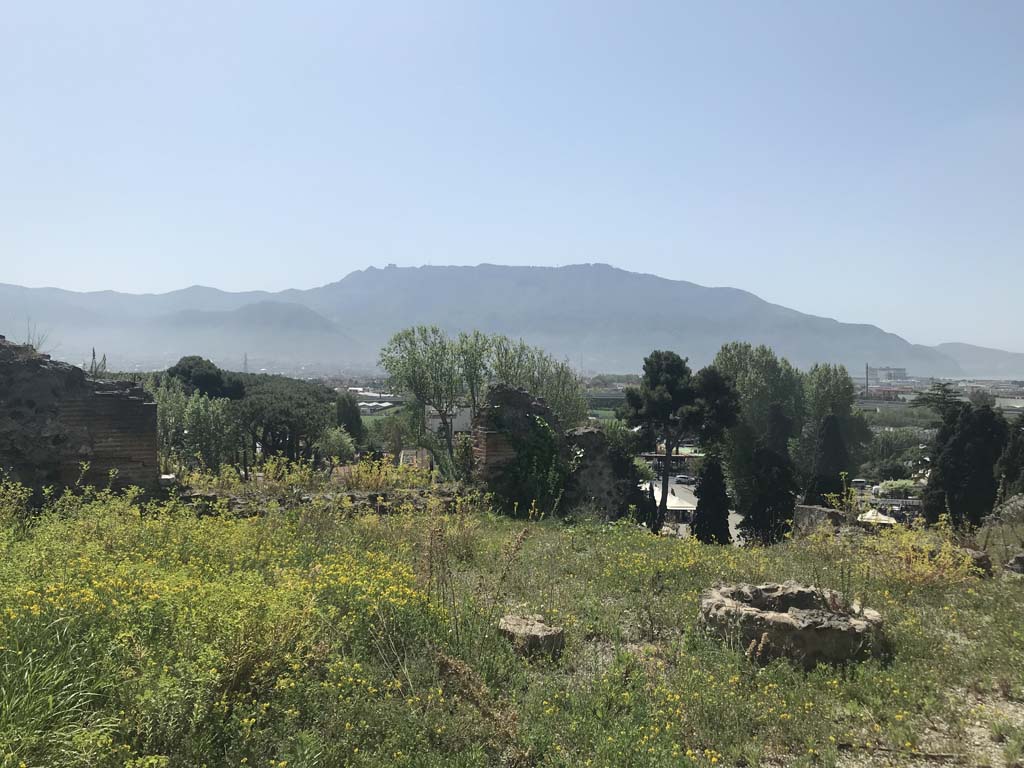
VIII.2.16 Pompeii. April 2019.
Large room on west side of peristyle, looking south through remains of large window/doorway towards the Sarno plain.
Photo courtesy of Rick Bauer.
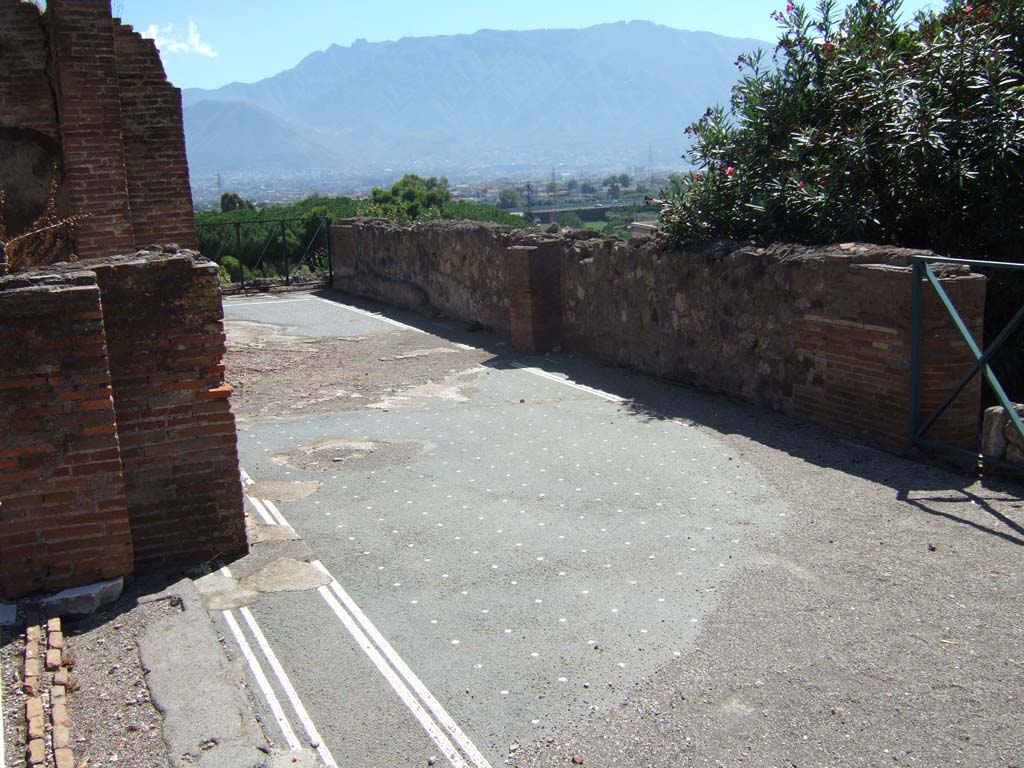
VIII.2.16 Pompeii. September 2005. Looking south along east portico of terrace garden.
According to Jashemski, this house had a terrace garden built over the volcanic ledge, with a fine view over the Bay and mountains.
Today, only a triangular portion exists.
The garden was enclosed on the east and north by a portico.
The planted area was several steps lower than the portico.
Between the two peristyles in this house (including VIII.2.14) was a large and airy room, open to each peristyle.
There were terraces on the two lower levels.
See Jashemski, W. F., 1993. The Gardens of Pompeii, Volume II: Appendices. New York: Caratzas. (p.206)
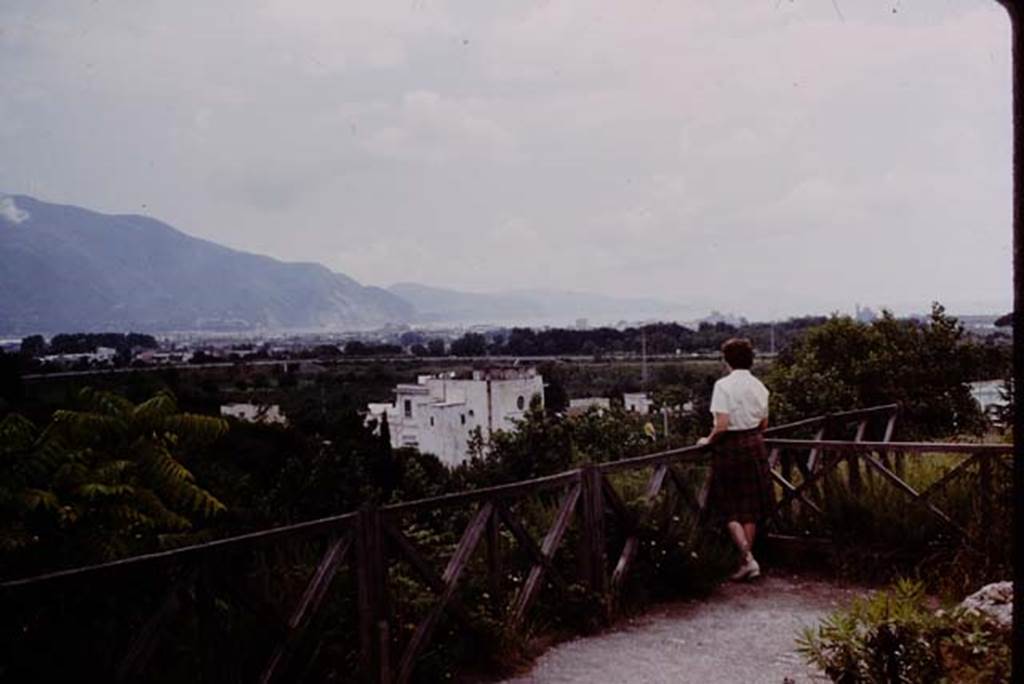
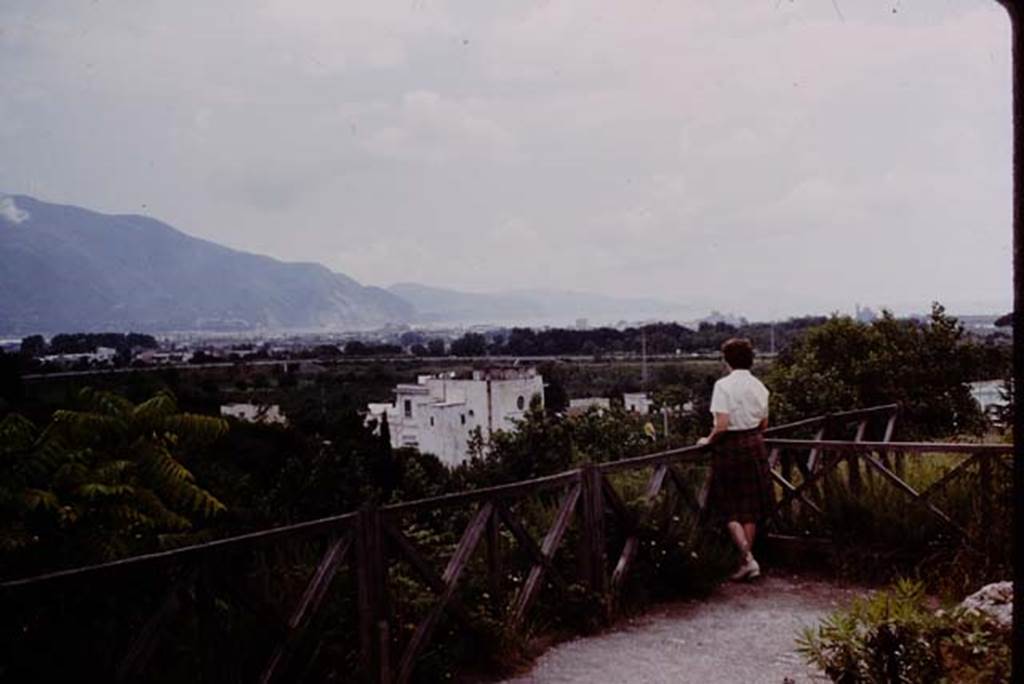
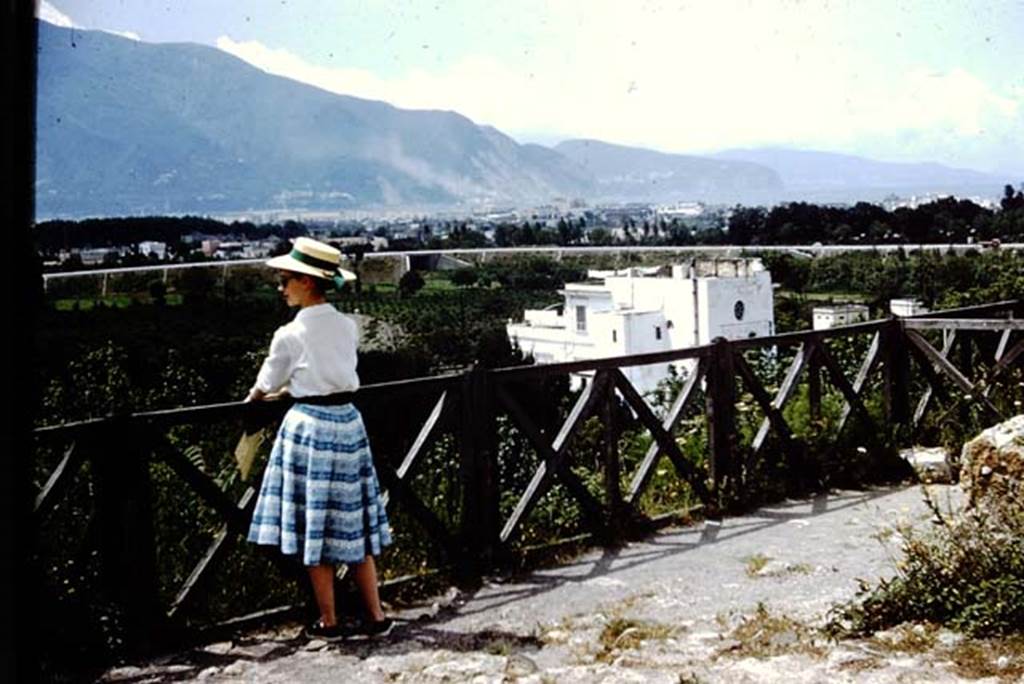
VIII.2.16 Pompeii. 1964.
Terrace at rear of house, with fine views of the Bay towards Sorrento and Capri. Photo by Stanley A. Jashemski.
Source: The Wilhelmina and Stanley A. Jashemski archive in the University of Maryland Library, Special Collections (See collection page) and made available under the Creative Commons Attribution-Non-Commercial License v.4. See Licence and use details.
J64f0987
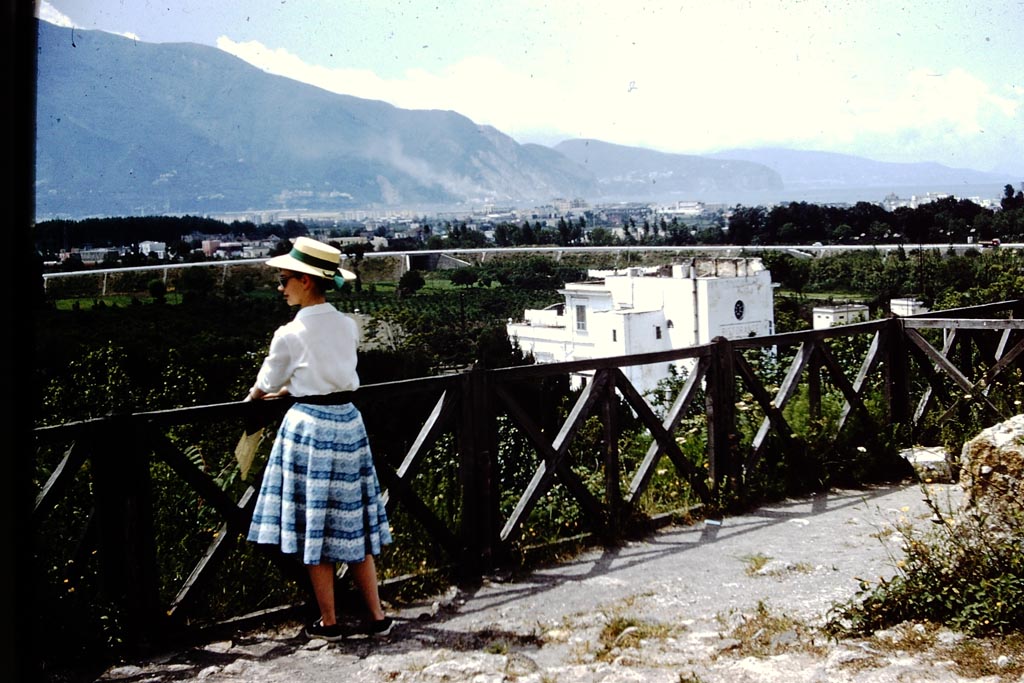
VIII.2.16 Pompeii. 1961. Terrace at rear of VIII.2. Photo by Stanley A. Jashemski.
Source: The Wilhelmina and Stanley A. Jashemski archive in the University of Maryland Library, Special Collections (See collection page) and made available under the Creative Commons Attribution-Non-Commercial License v.4. See Licence and use details.
J61f0531
Part 3 Part 4 Part 5 Part 6 – 2013 excavations Part 1