VI.6.1 Pompeii. House of Pansa or Domus Cnaei Allaei Nigidi Mai
or House of Olii, Primus and Paratus. (Insula Arriana Polliana).
Excavated 1810, 1813, 1827, 1852, 1943. Bombed in 1943.
Part 1 Part 2
Part 3 Part 4 Part 5 Part 6 Plan
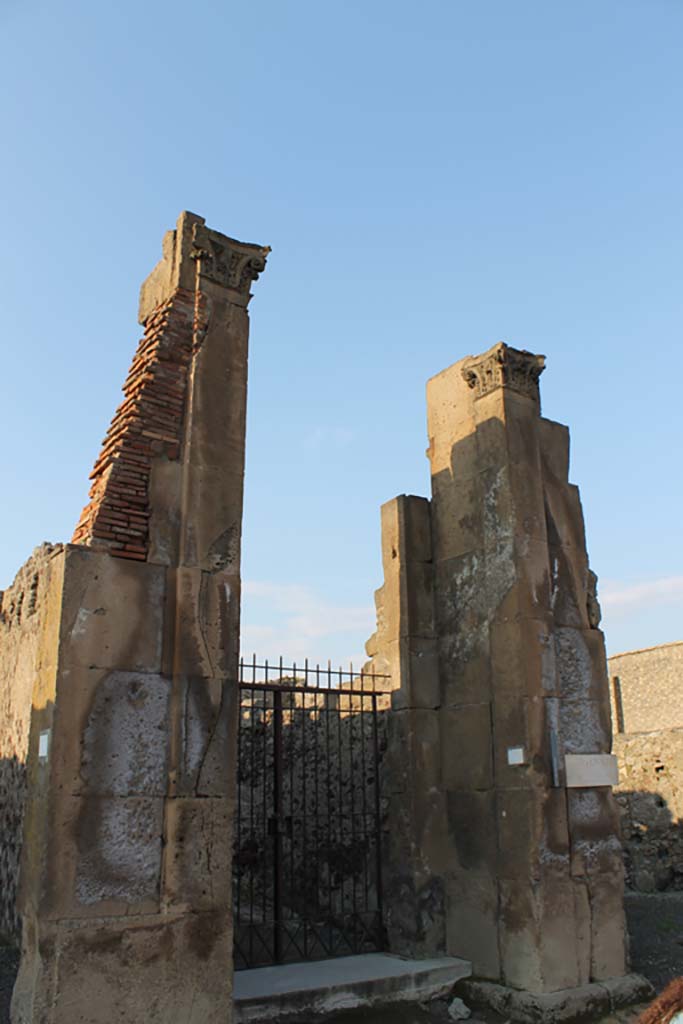
VI.6.1 Pompeii. March 2014. Entrance doorway on north side of Via delle Terme.
Foto Annette Haug, ERC
Grant 681269 DÉCOR.
According to Della Corte, this house known as House of Pansa was also known to have been owned by Cn. Alleius Nigidius Maius, in earlier times.
The identification can be made, by CIL IV 138, found on one of the external pilasters in the south-west corner of the edifice (see VI.6.18/19)
The house, in fact, appeared to have been lived in by an Olius Primus and a Paratus, in 79AD.
Found written in the vestibule were –
Olius Primus rog(at) (CIL IV 251, with note 1 on page 115)
(Olius) Paratus
rog(at) (CIL IV 250)
See Della Corte, M., 1965. Case ed Abitanti di Pompei. Napoli: Fausto Fiorentino. (p.113-115)
According to Pagano and Prisciandaro, found in August 1814 painted in red near the principal entrance and to the right of an annexed shop, were the following –
Suettium
aed(ilem) d(ignum) r(ei) p(ublicae)
Olius Primus
rog(at) [CIL IV 250]
Pansam aed(ilem)
Paratus rog(at) [CIL IV 251]
Also found painted in red, along the front of the façade of insula VI.6, were –
M(arcum) Licinium
Faustinium [CIL IV 252]
M(arcum)
C(errinium) V(atiam) a(e)d(ilem)
in Ebd [CIL IV 253]
See Pagano, M. and Prisciandaro, R., 2006. Studio sulle provenienze degli oggetti rinvenuti negli scavi borbonici del regno di Napoli. Naples: Nicola Longobardi.
(p.111, PAH I, 3,156, 57, add.274, dated 11th August 1814).
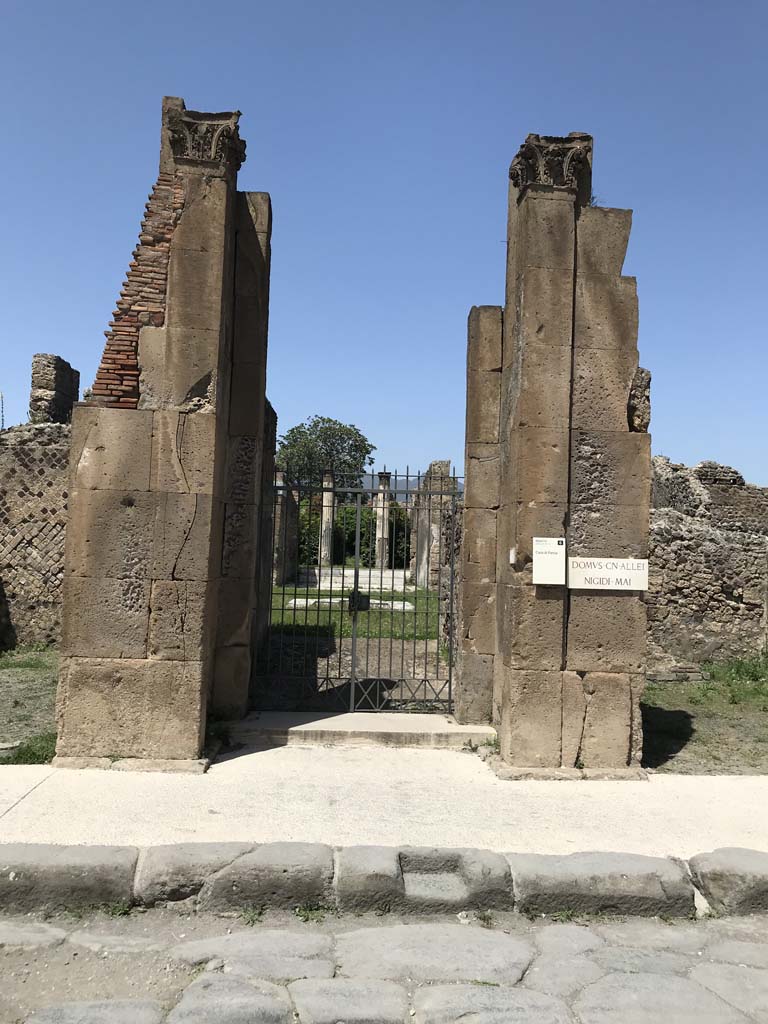
VI.6.1 Pompeii. April 2019. Looking north to entrance doorway. Photo courtesy of Rick Bauer.
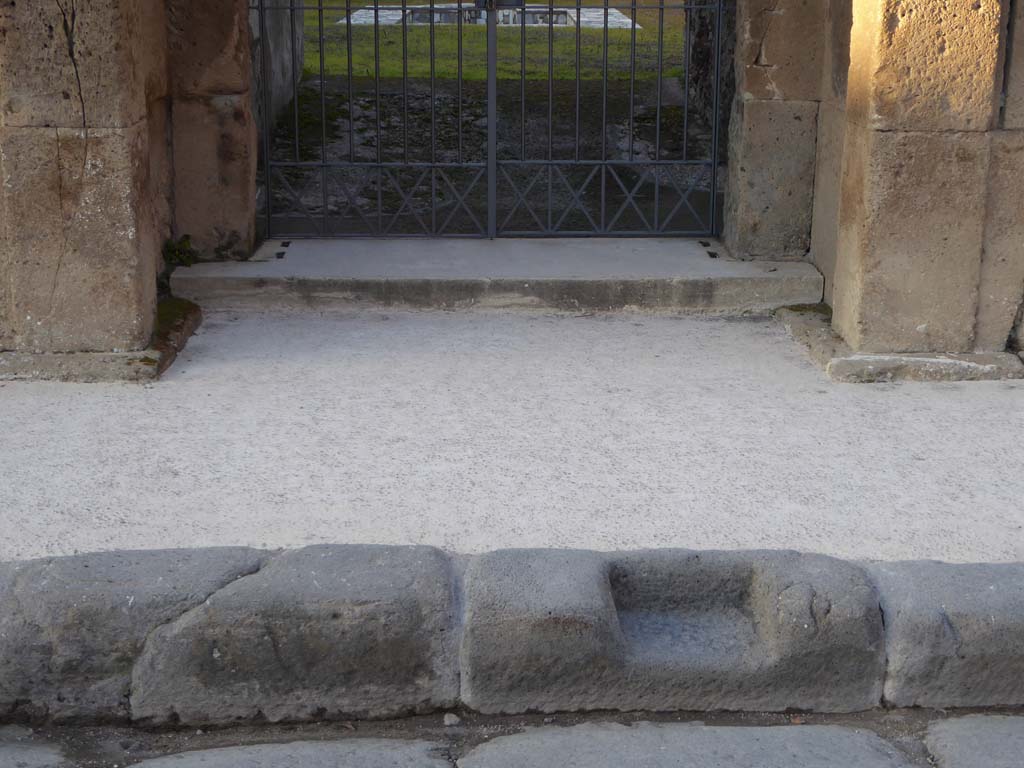
VI.6.1
Pompeii. January 2017. Looking north from step in pavement towards step and
threshold of entrance doorway.
Foto Annette Haug, ERC Grant 681269 DÉCOR.
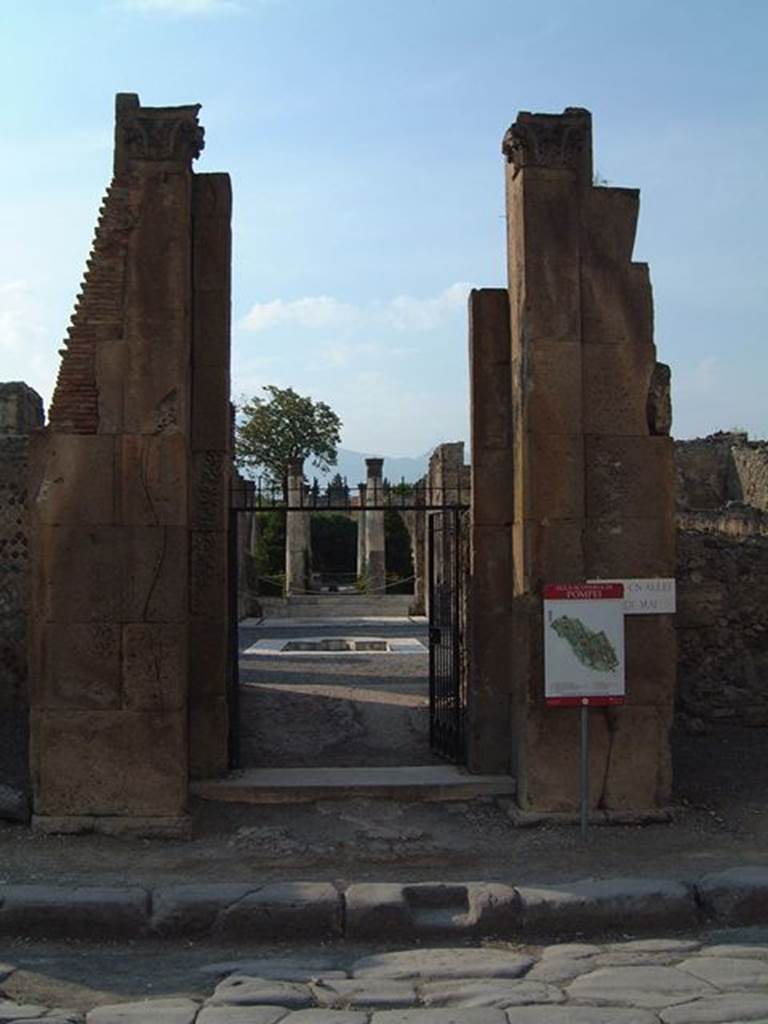
VI.6.1 Pompeii. May 2001. Entrance doorway looking north.
Photograph courtesy of Current Archaeology.
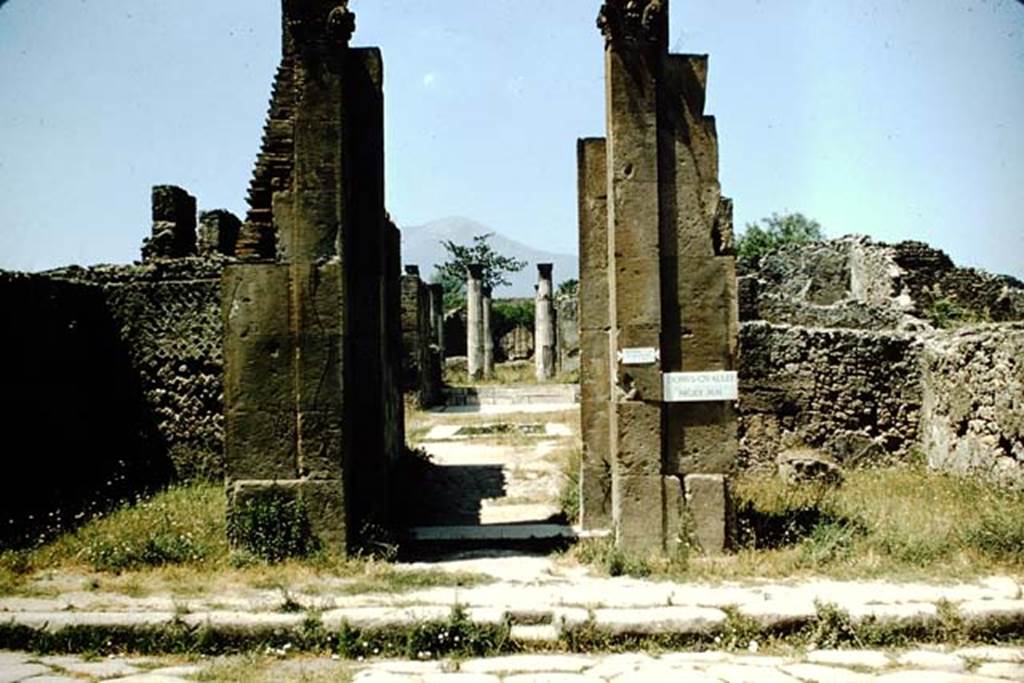
VI.6.1 Pompeii. 1957. Looking north towards entrance doorway on Via delle Terme. Photo by Stanley A. Jashemski.
Source: The Wilhelmina and Stanley A. Jashemski archive in the University of Maryland Library, Special Collections (See collection page) and made available under the Creative Commons Attribution-Non-Commercial License v.4. See Licence and use details.
J57f0400
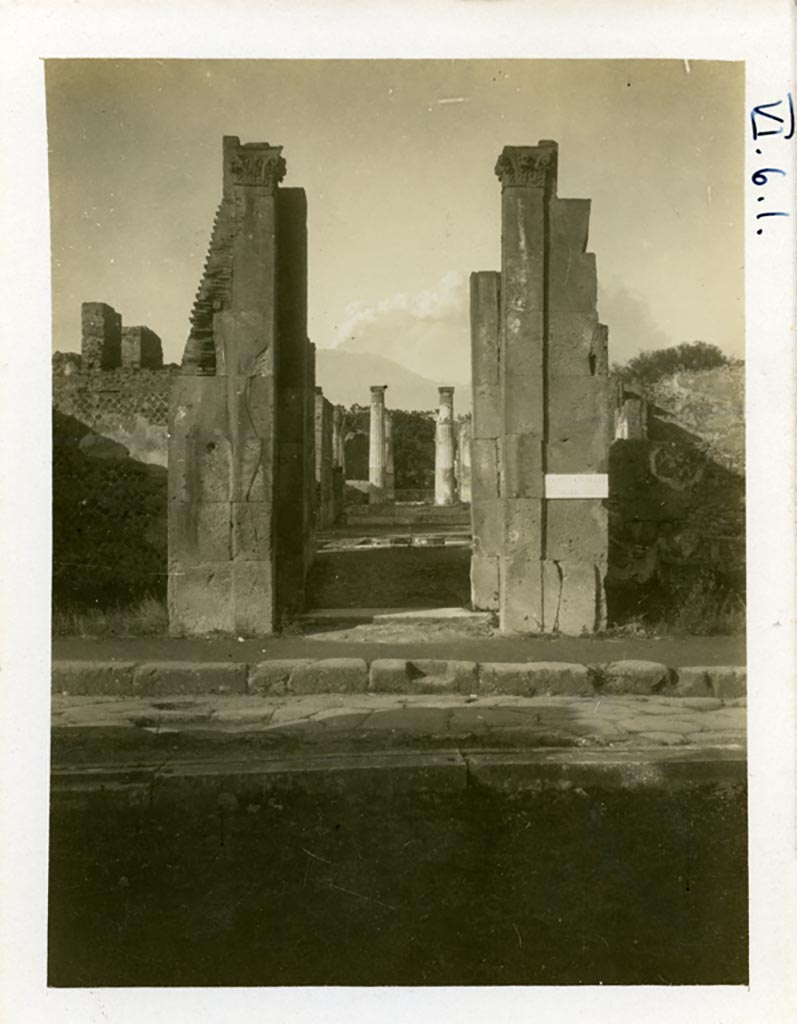
VI.6.1 Pompeii. pre-1937-39. Looking north to entrance doorway.
Photo courtesy of American Academy in Rome, Photographic Archive. Warsher collection no. 1390.
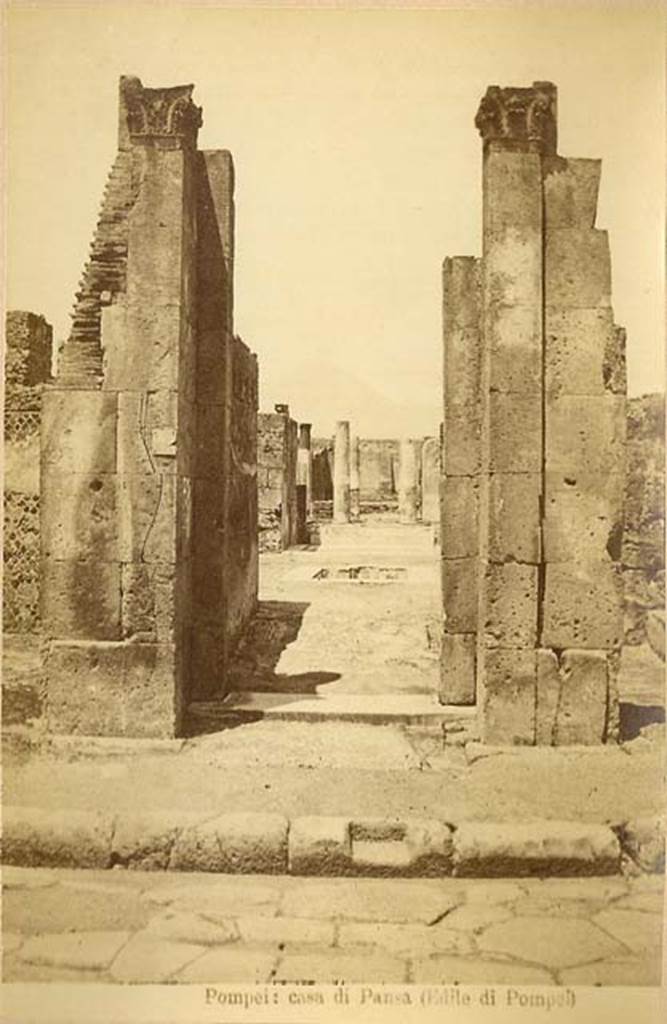
VI.6.1 Pompeii. c.1880s. Entrance doorway looking north. Photograph courtesy of Rick Bauer.
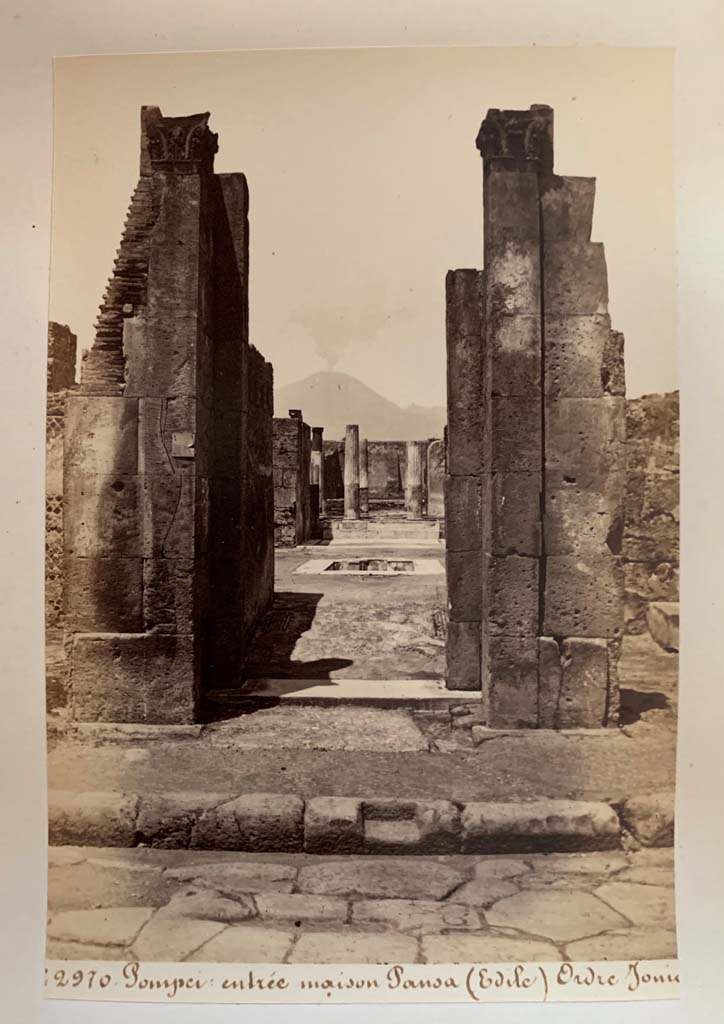
VI.6.1 Pompeii. C.1880. Looking north to entrance doorway.
Album by M. Amodio, c.1880, entitled “Pompei, destroyed on 23
November 79, discovered in 1748”.
Photo courtesy of Rick Bauer.
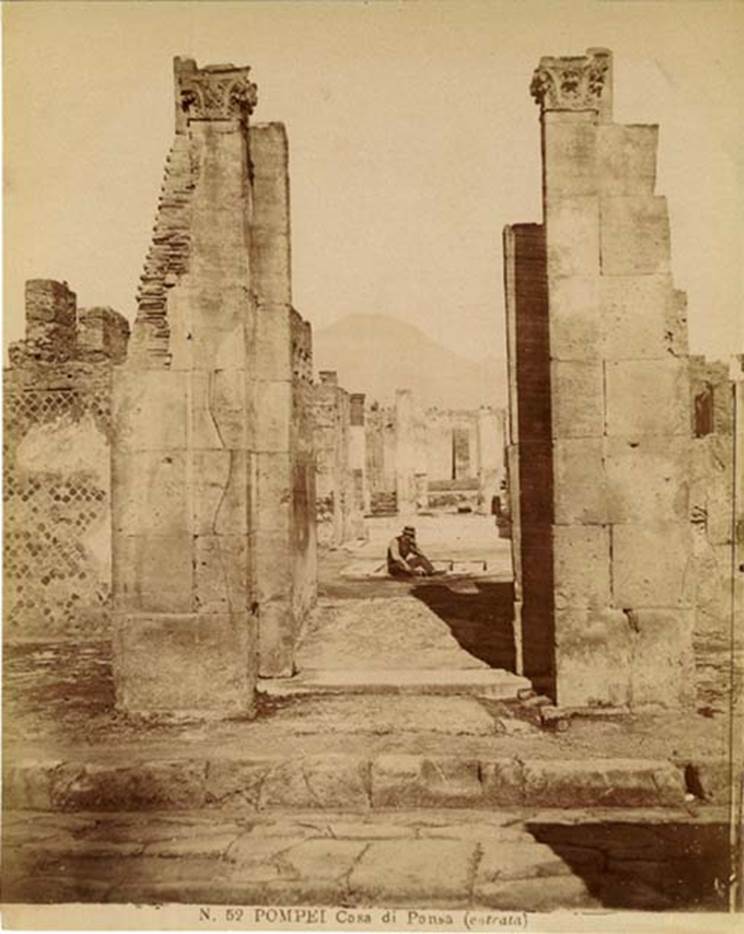
VI.6.1 Pompeii. 19th century photograph. Entrance doorway looking north. Photograph courtesy of Rick Bauer.
![VI.6.1 Pompeii. 19th C. painting by G Gigante of entrance doorway on Via delle Terme.
The painting depicts inscriptions on the front of the house including the word PANSA. We do not know the accuracy of these.
According to Pagano and Prisciandaro, found in August 1814 painted in red near the principal entrance and to the right of an annexed shop, were the following –
Suettium aed(ilem) d(ignum) r(ei) p(ublicae)
Olius Primus
rog(at) [CIL IV 250]
Pansam aed(ilem) Paratus rog(at) [CIL IV 251]
See Pagano, M. and Prisciandaro, R., 2006. Studio sulle provenienze degli oggetti rinvenuti negli scavi borbonici del regno di Napoli. Naples : Nicola Longobardi.
(p.111, PAH I, 3,156, 57, add.274, dated 11th August 1814).](6%2006%2001_files/image016.jpg)
VI.6.1 Pompeii. 19th C. painting by G. Gigante of entrance doorway on Via delle Terme.
The painting depicts inscriptions on the front of the house including the word PANSA. We do not know the accuracy of these.
According to Pagano and Prisciandaro, found in August 1814 painted in red near the principal entrance and to the right of an annexed shop, were the following –
Suettium
aed(ilem) d(ignum) r(ei) p(ublicae)
Olius Primus
rog(at) [CIL IV 250]
Pansam aed(ilem)
Paratus rog(at) [CIL IV 251]
See Pagano, M. and Prisciandaro, R., 2006. Studio sulle provenienze degli oggetti rinvenuti negli scavi borbonici del regno di Napoli. Naples: Nicola Longobardi.
(p.111, PAH I, 3,156, 57, add.274, dated 11th August 1814).
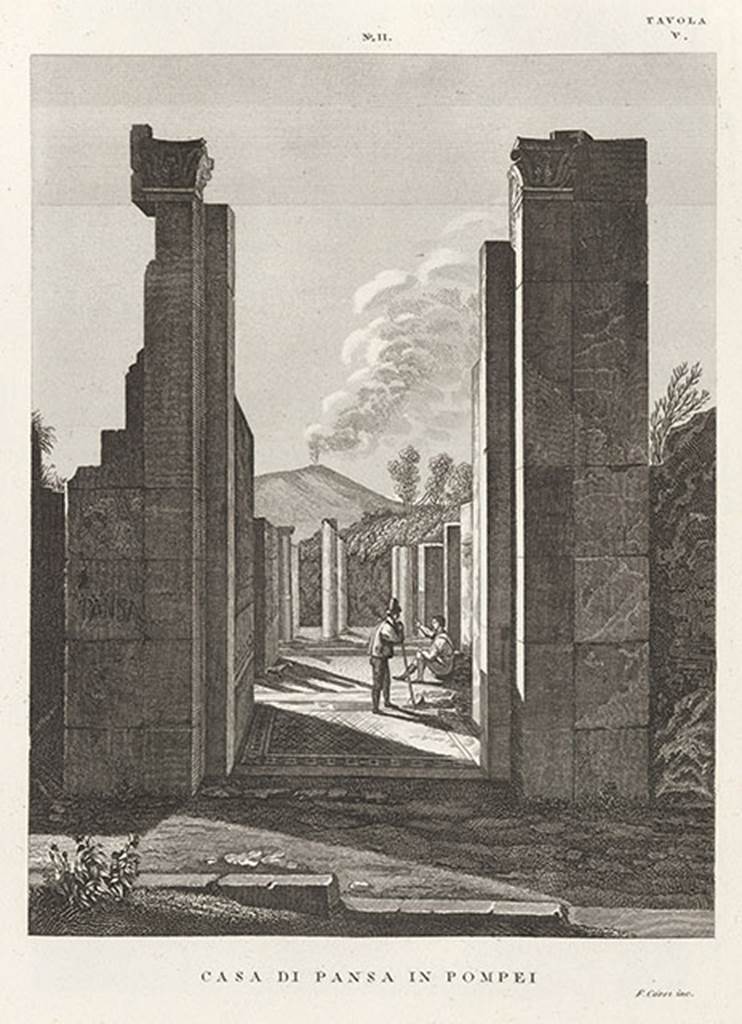
VI.6.1 Pompeii. 1845 drawing of entrance with PANSA on left pillar.
See Zuccagni Orlandini, A., 1845. Atlante Illustrativo ossia raccolta dei principali monumenti italiani antichi, del medioevo e moderni e di alcune vedute pittoriche: Vol III: Regno delle due Sicilie. Firenze, Tav. V, n.2.
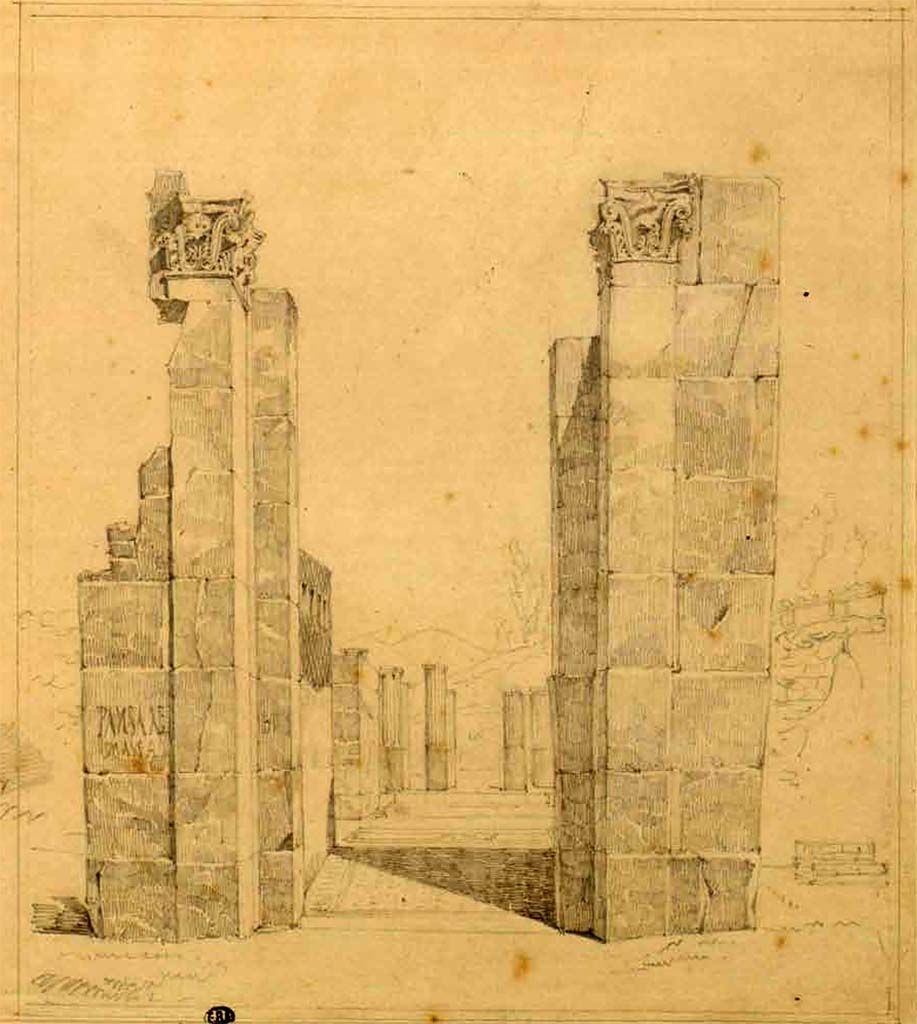
VI.6.1 Pompeii. Between 1823 and 1828, sketch by F. Duban, looking north through entrance doorway.
See Duban F. Album
de dessins d'architecture effectués par Félix Duban pendant son pensionnat à la
Villa Medicis, entre 1823 et 1828: Tome 2, Pompéi, pl. 31.
INHA Identifiant numérique NUM PC 40425 (2)
https://bibliotheque-numerique.inha.fr/idurl/1/7157
« Licence Ouverte / Open Licence » Etalab
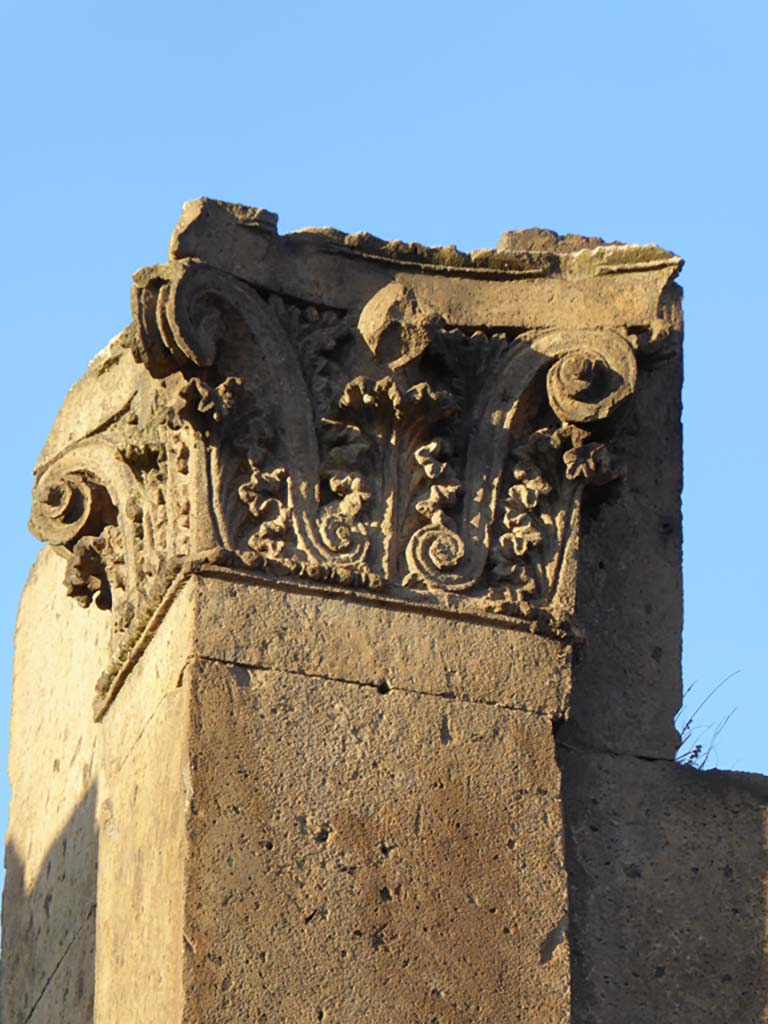
VI.6.1 Pompeii. January 2017. Capital on upper east side of
doorway.
Foto Annette Haug, ERC
Grant 681269 DÉCOR.
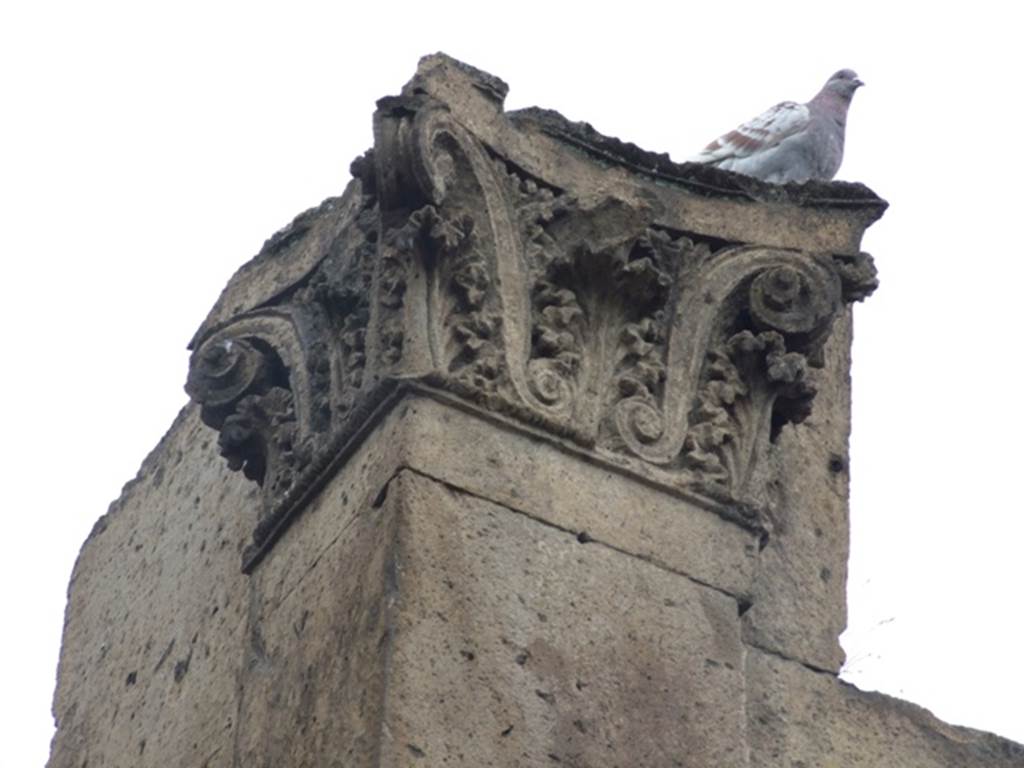
VI.6.1 Pompeii. December 2007. Eastern entrance capital, with pigeon (not made of stone!).
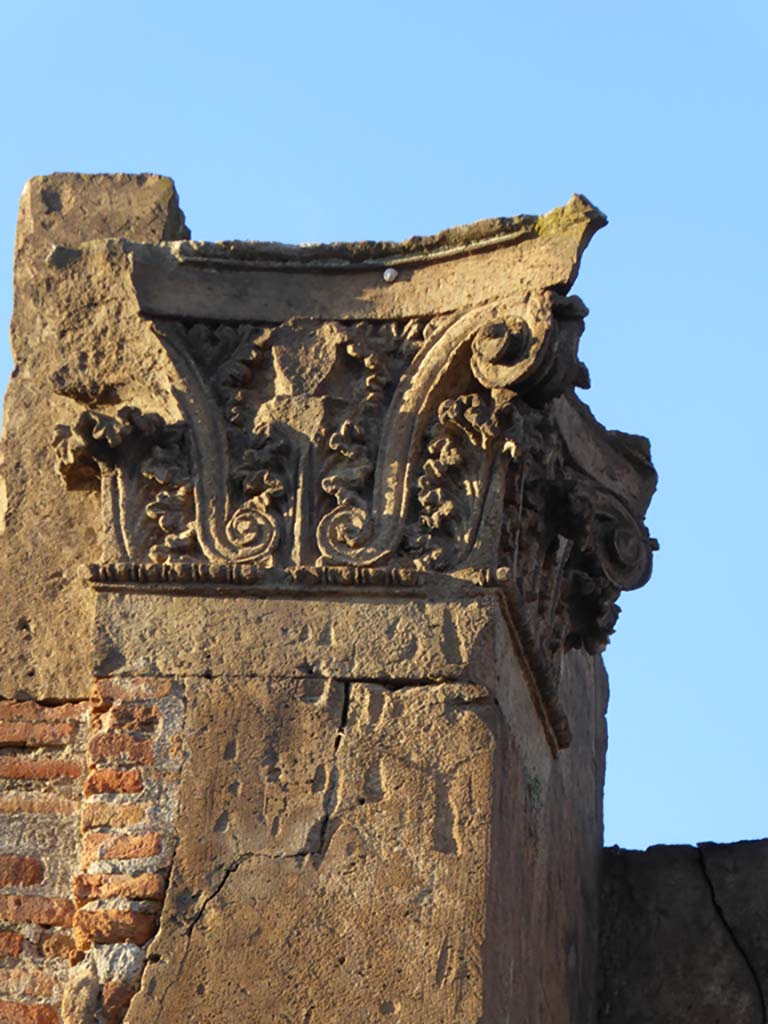
VI.6.1 Pompeii. January 2017. Capital on upper west side of
doorway.
Foto Annette Haug, ERC
Grant 681269 DÉCOR.
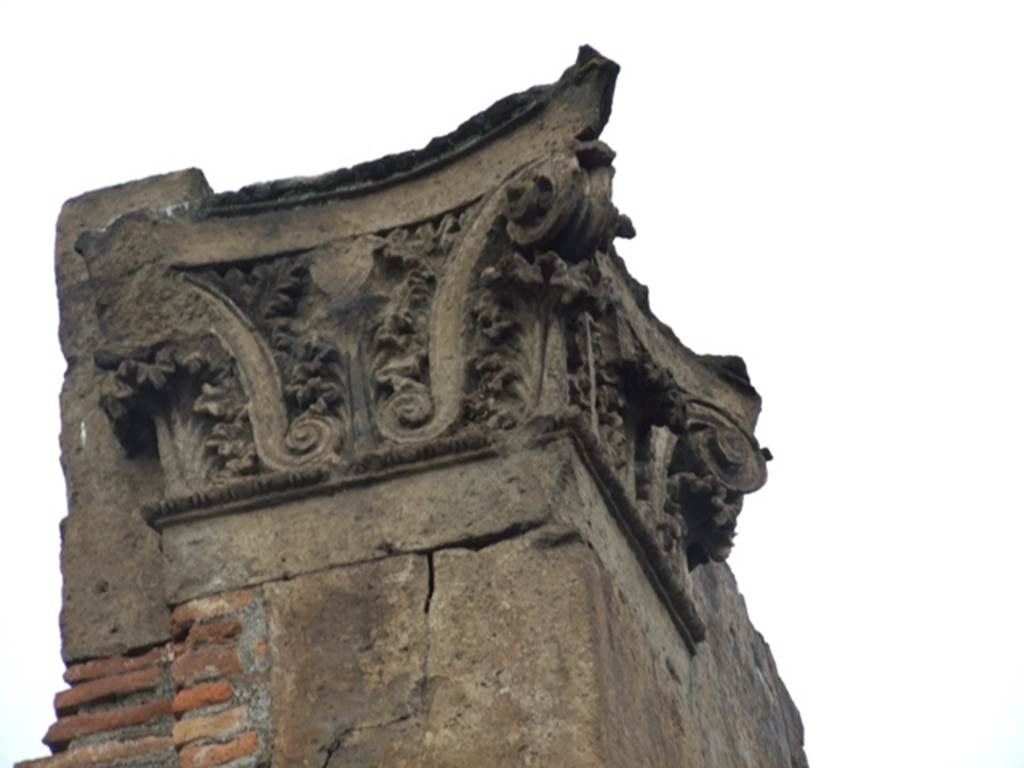
VI.6.1 Pompeii. December 2007. Western entrance capital.
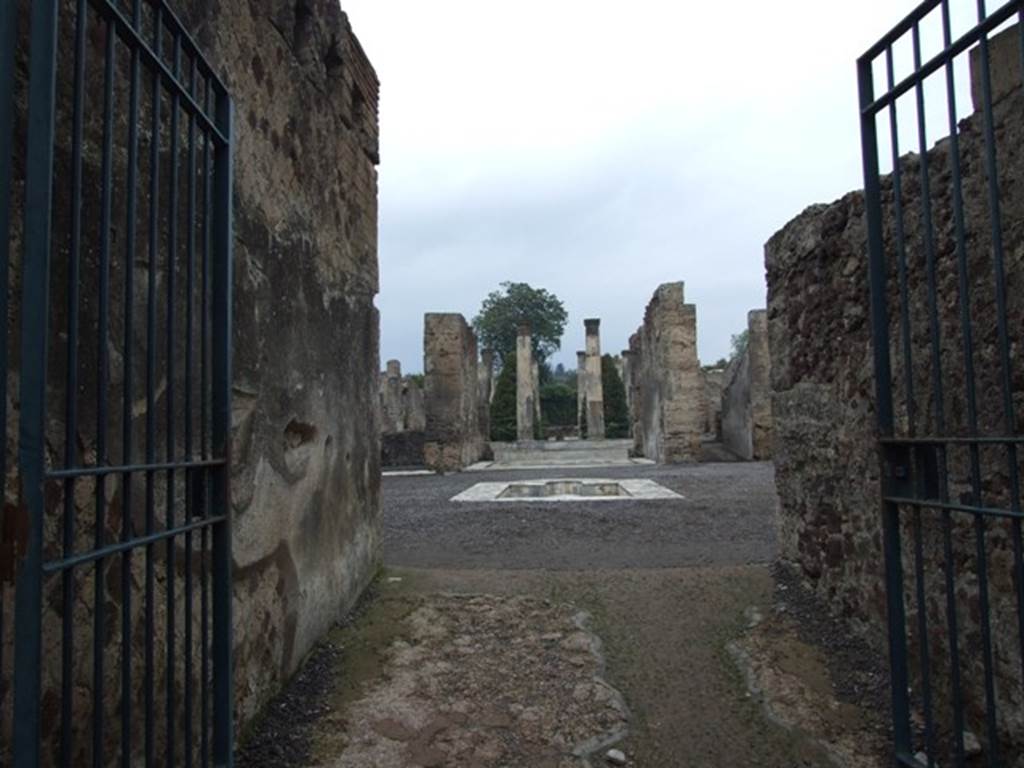
VI.6.1 Pompeii. December 2007. Looking north along entrance corridor or fauces.
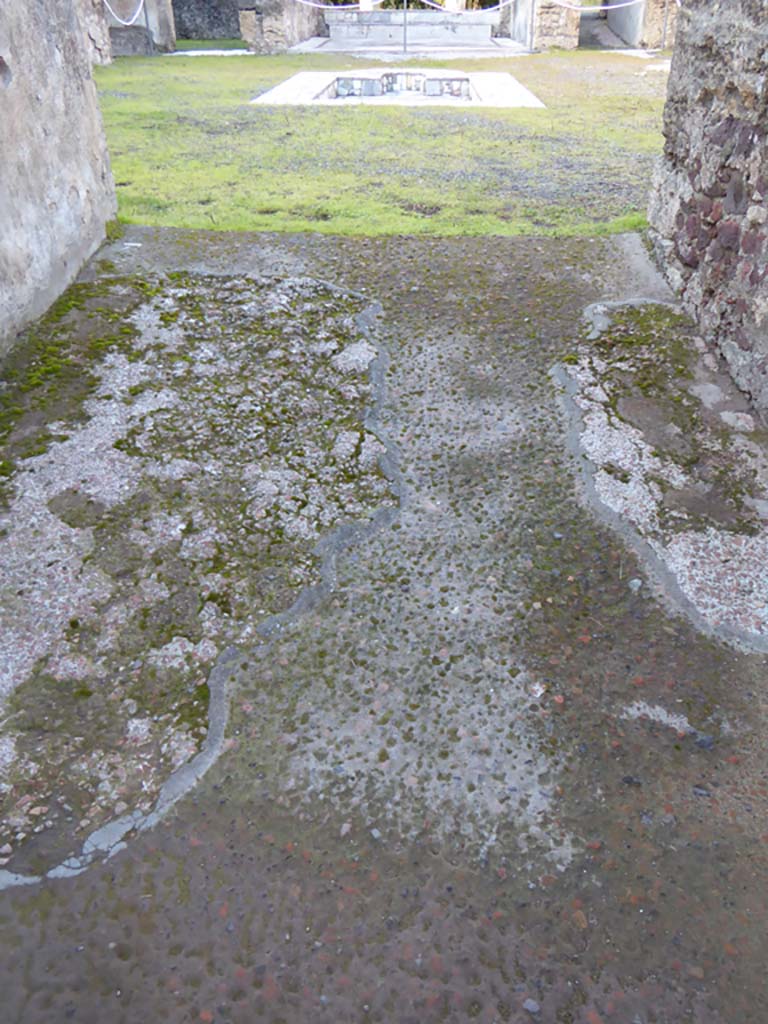
VI.6.1 Pompeii. January 2017. Looking north along flooring in
entrance corridor/fauces.
Foto Annette
Haug, ERC Grant 681269 DÉCOR.
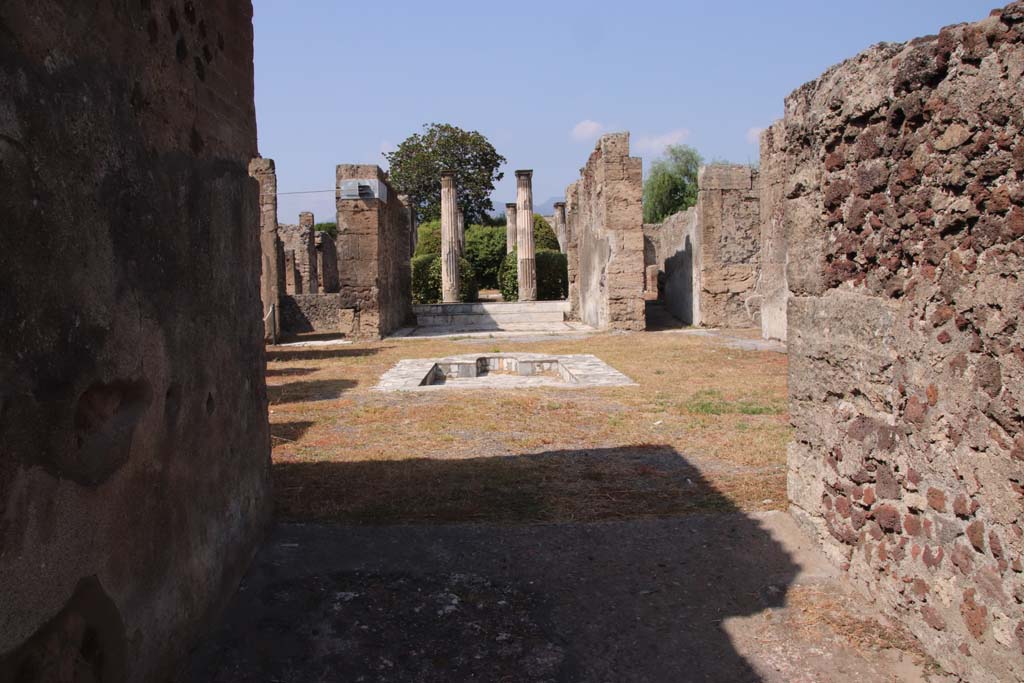
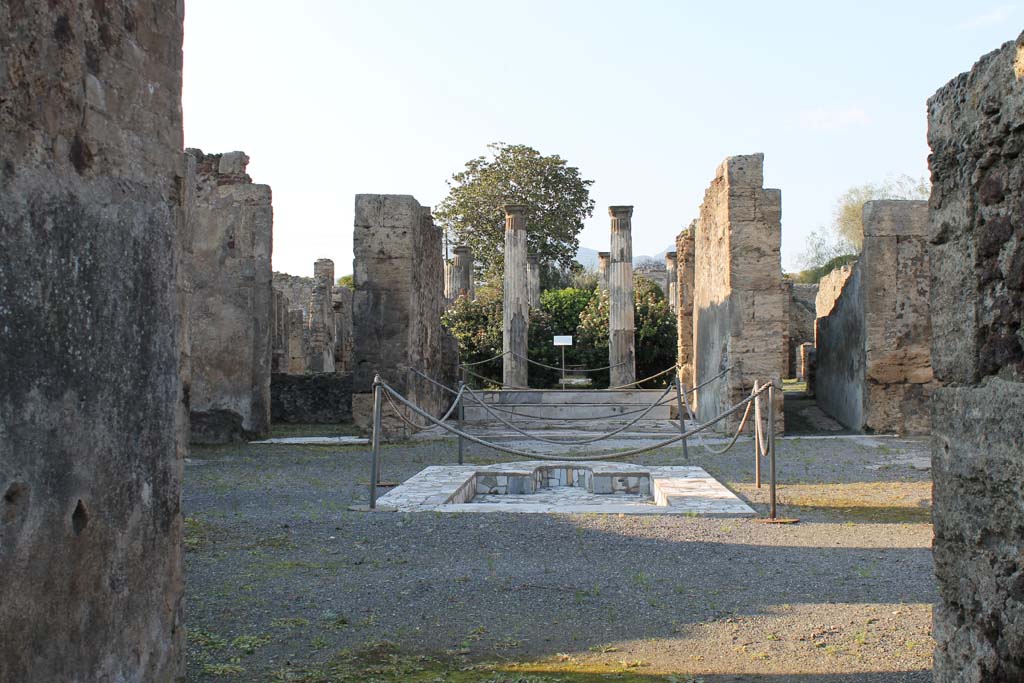
VI.6.1
Pompeii. March 2014. Looking north across impluvium in atrium towards
tablinum and peristyle.
Foto Annette Haug, ERC Grant 681269 DÉCOR.
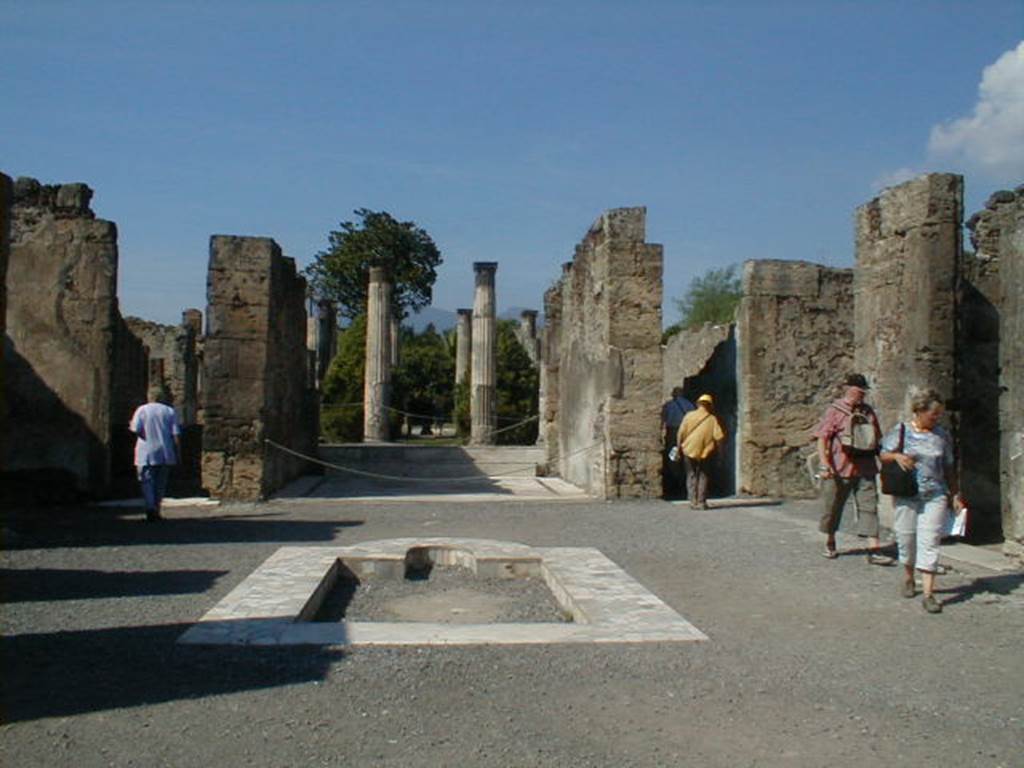
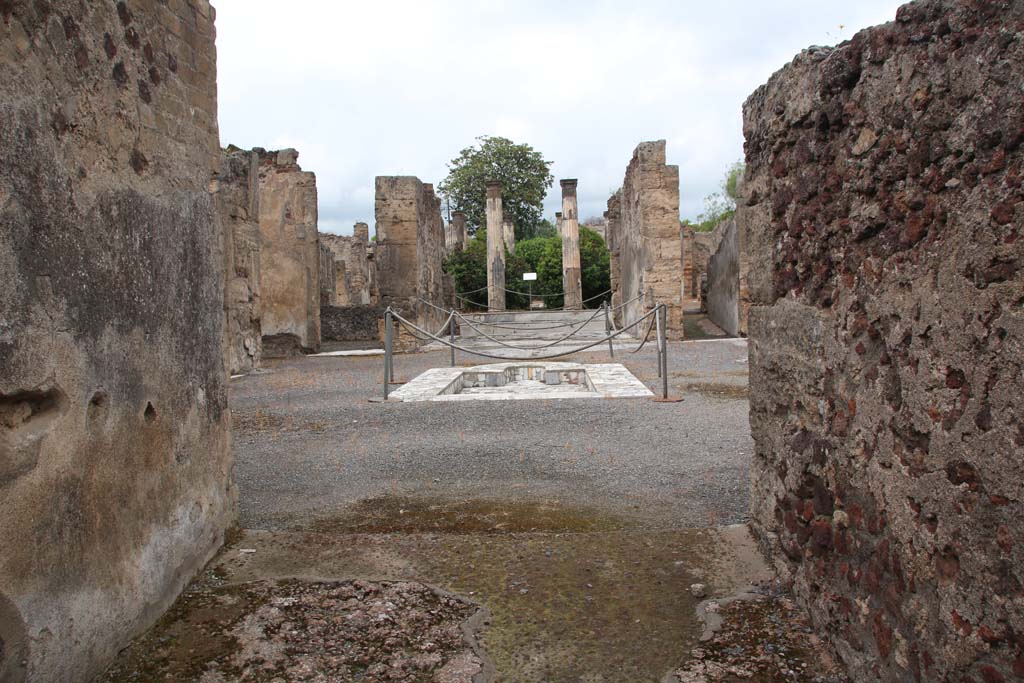
VI.6.1 Pompeii. September 2004. Looking north across atrium to peristyle.
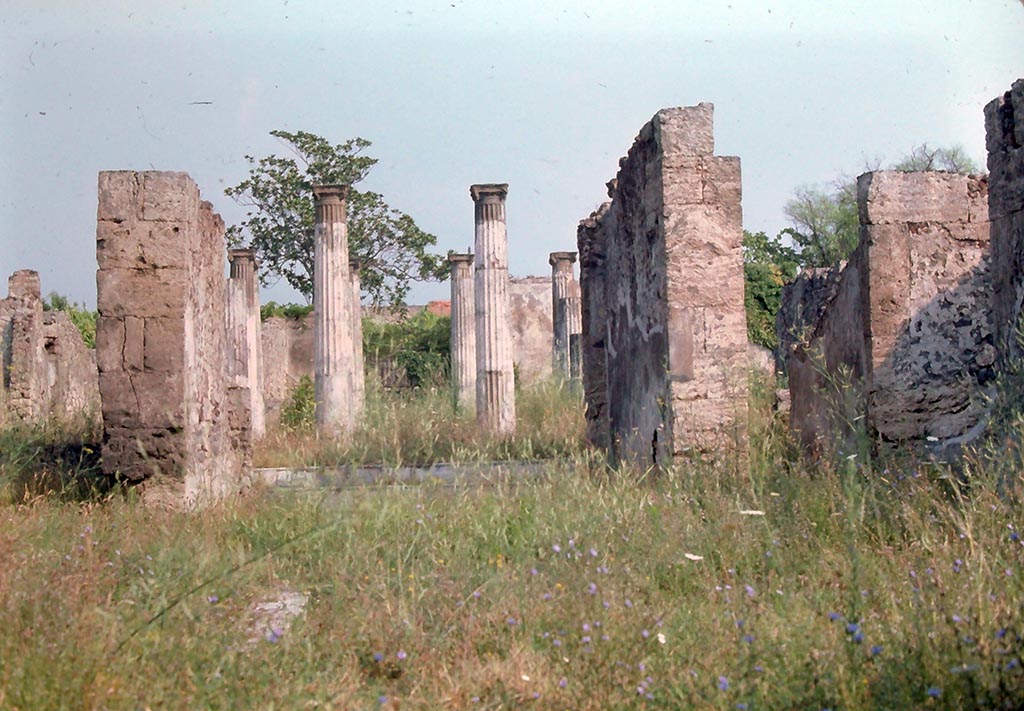
VI.6.1
Pompeii, August 1976. Looking north across atrium, through tablinum to
peristyle.
Photo
courtesy of Rick Bauer, from Dr George Fay’s slides collection.
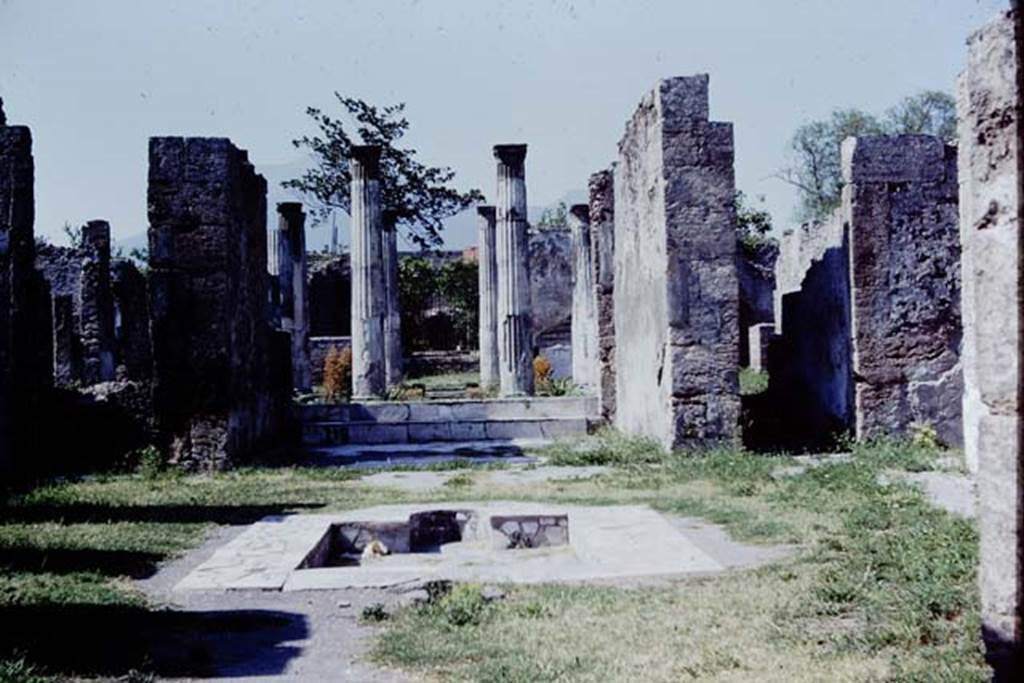
VI.6.1 Pompeii. 1968. Looking north across atrium to peristyle. Photo by Stanley A. Jashemski.
Source: The Wilhelmina and Stanley A. Jashemski archive in the University of Maryland Library, Special Collections (See collection page) and made available under the Creative Commons Attribution-Non-Commercial License v.4. See Licence and use details.
J68f1975
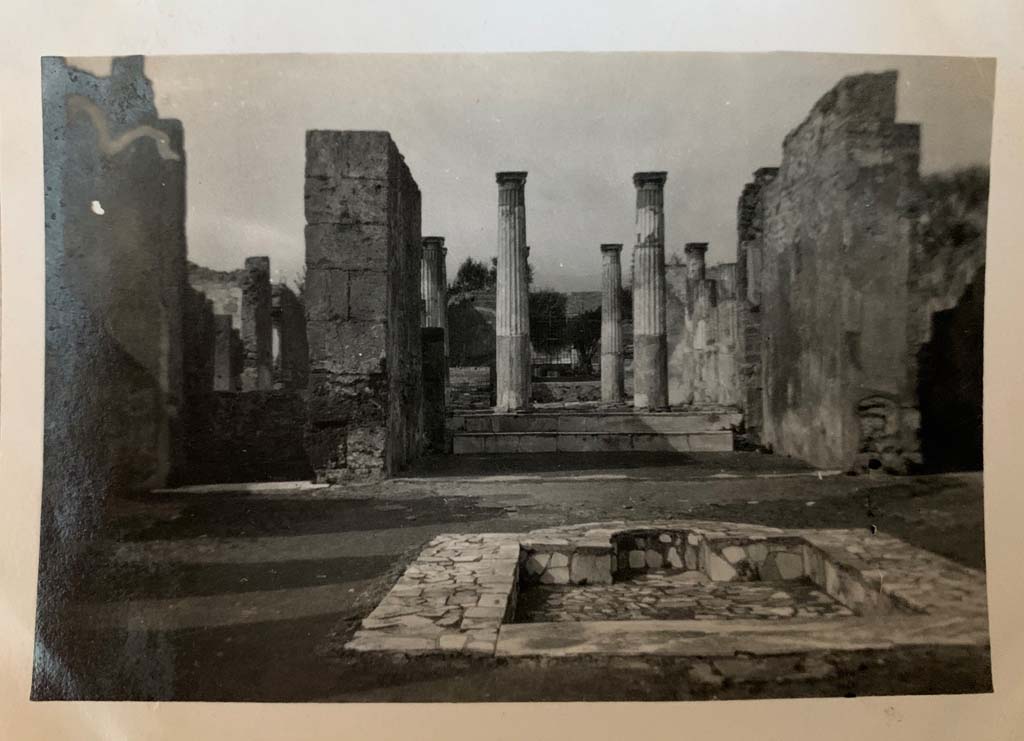
VI.6.1 Pompeii. March
1922. Looking north across impluvium in atrium towards tablinum and peristyle. Photo courtesy of Rick Bauer.
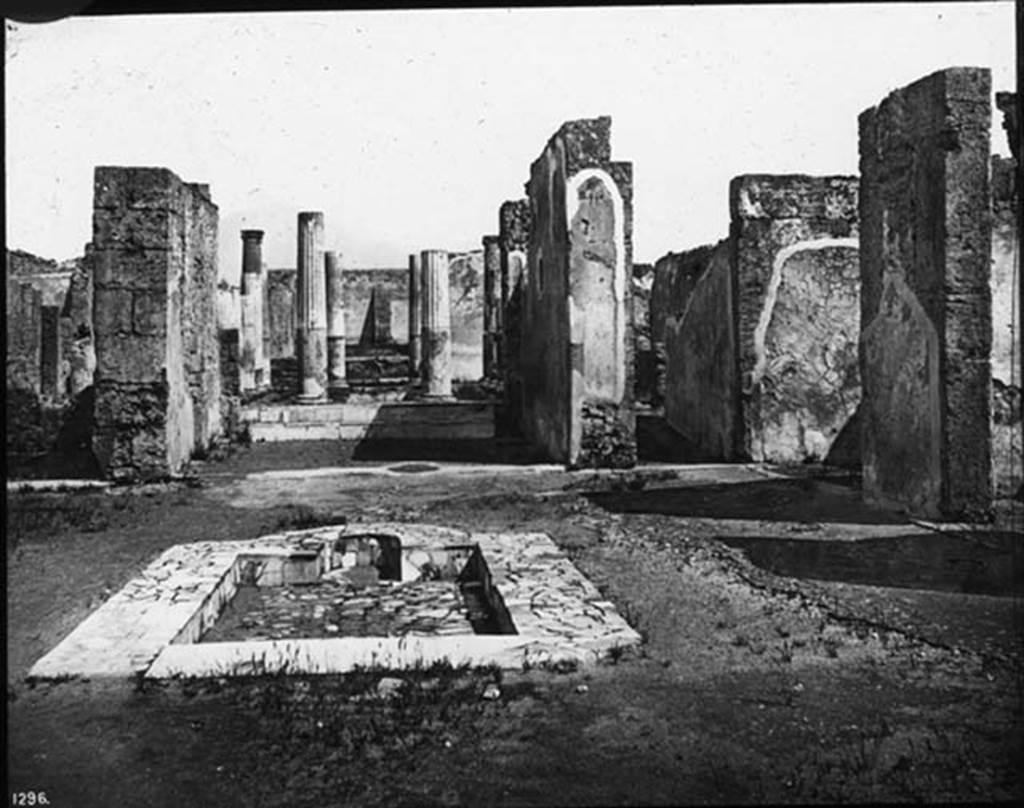
VI.6.1 Pompeii. Looking north across impluvium in atrium to peristyle.
Photo by permission of the Institute of
Archaeology, University of Oxford. File name instarchbx202im 008. Source ID.
44485.
See photo on University of Oxford HEIR database
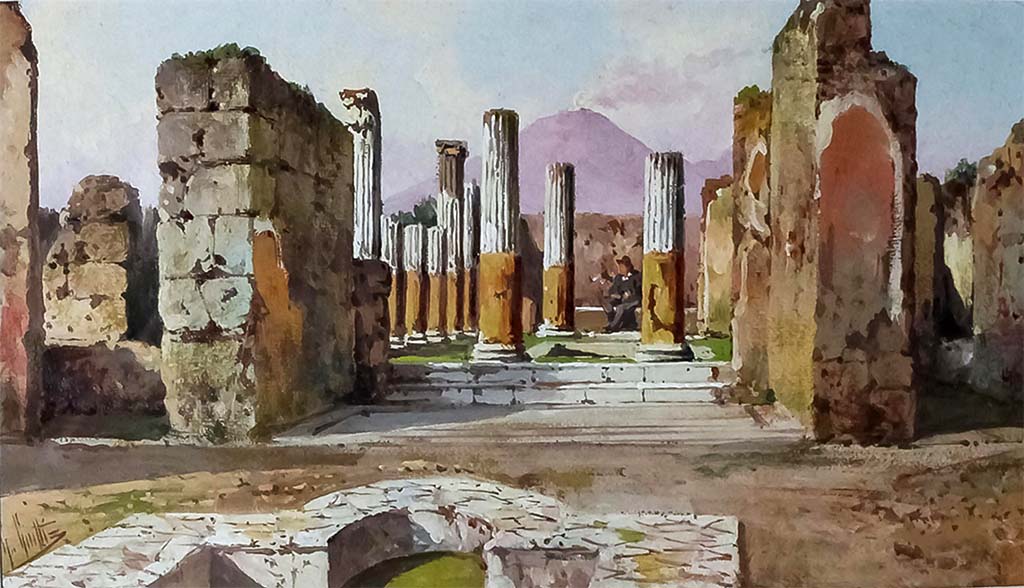
VI.6.1 Pompeii. Painting
by Guglielmo Giusti (1824-1916). Looking north across impluvium in
atrium towards tablinum and peristyle.
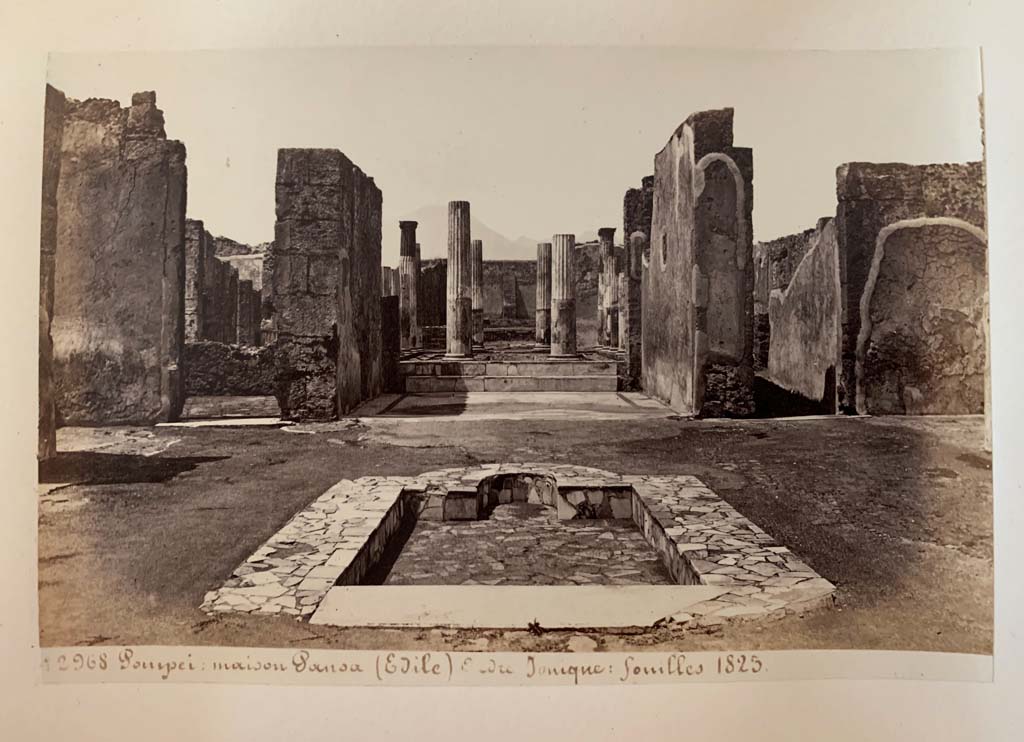
VI.6.1 Pompeii. Album by M. Amodio, c.1880,
entitled “Pompei, destroyed on 23 November 79, discovered in 1748”.
Looking north across impluvium in atrium to peristyle. Photo
courtesy of Rick Bauer.
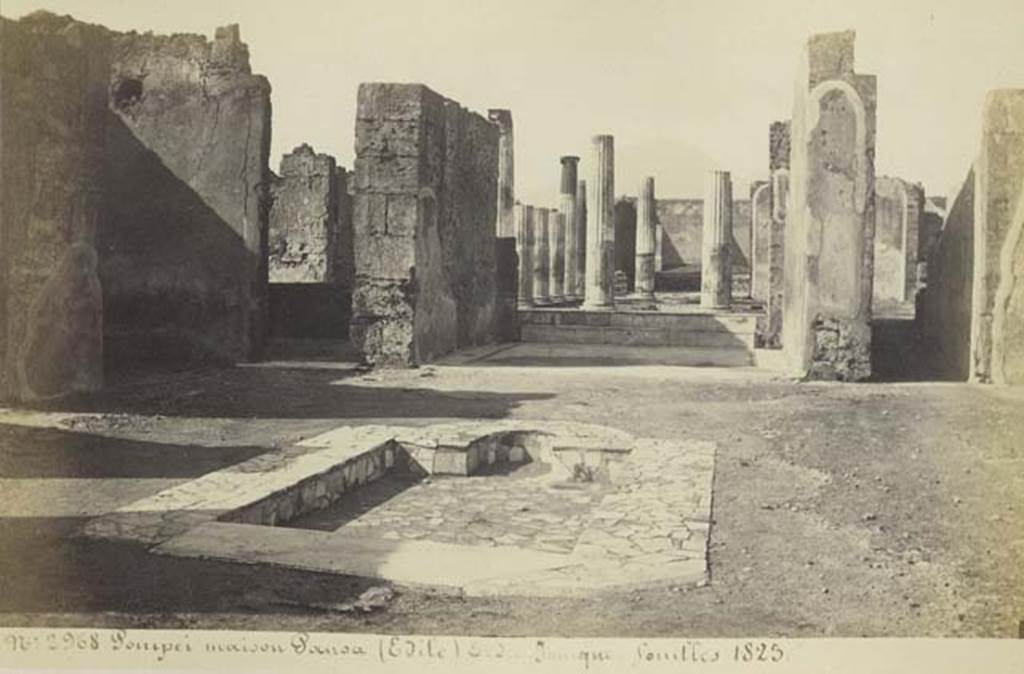
VI.6.1 Pompeii. Pre-1873 photograph by Amodio, no 2968. Looking across impluvium in atrium. Photo courtesy of Rick Bauer.
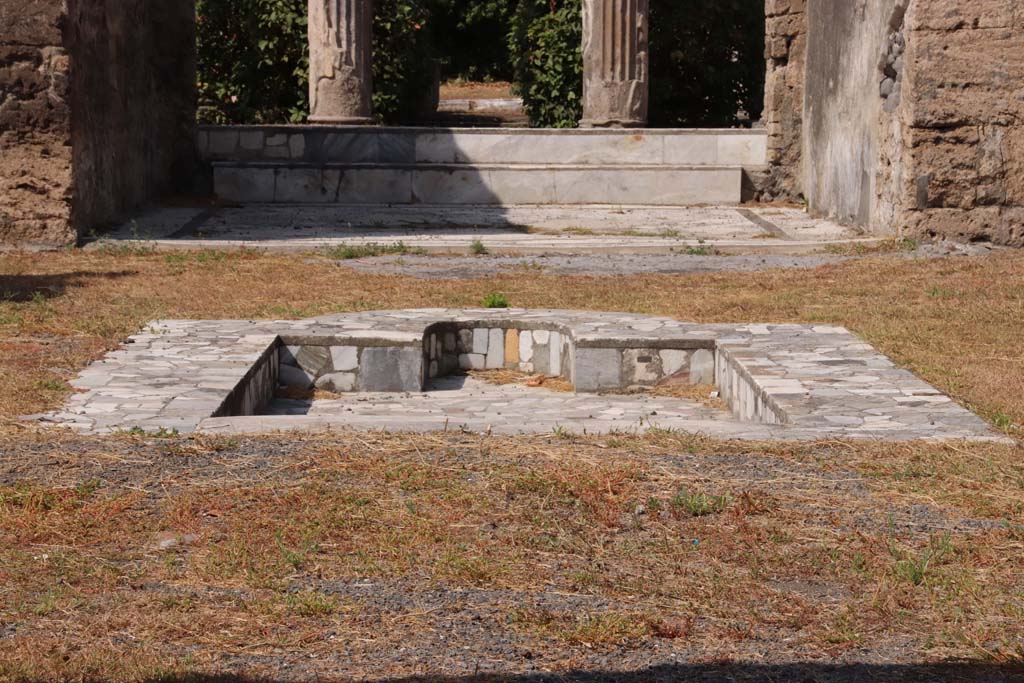
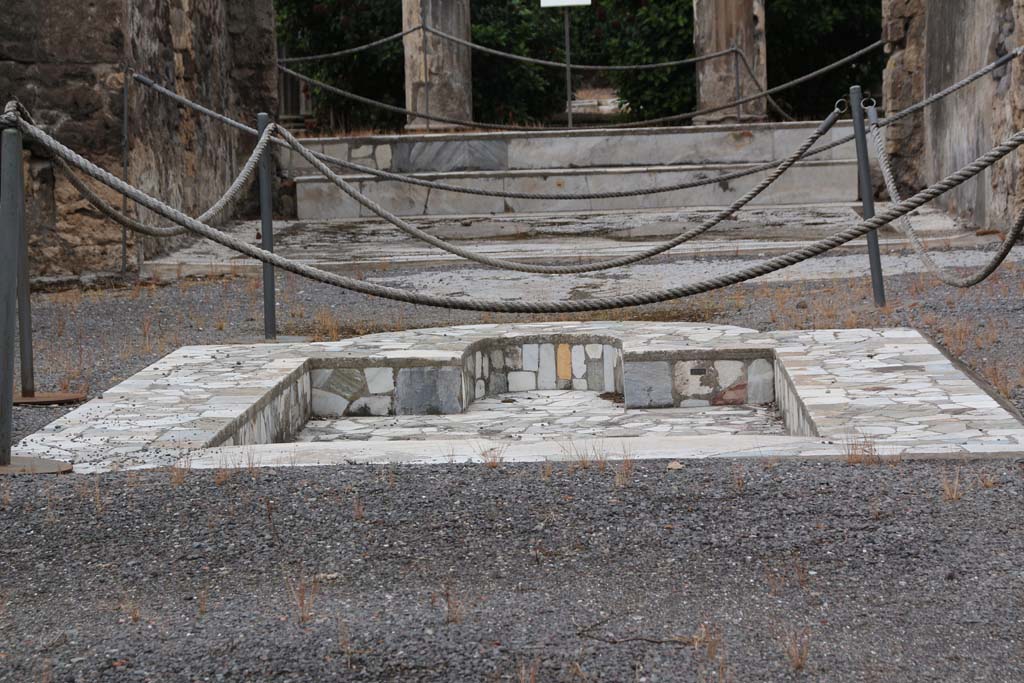
VI.6.1 Pompeii. April 2014. Looking
north across impluvium towards tablinum. Photo courtesy of Klaus Heese.
.
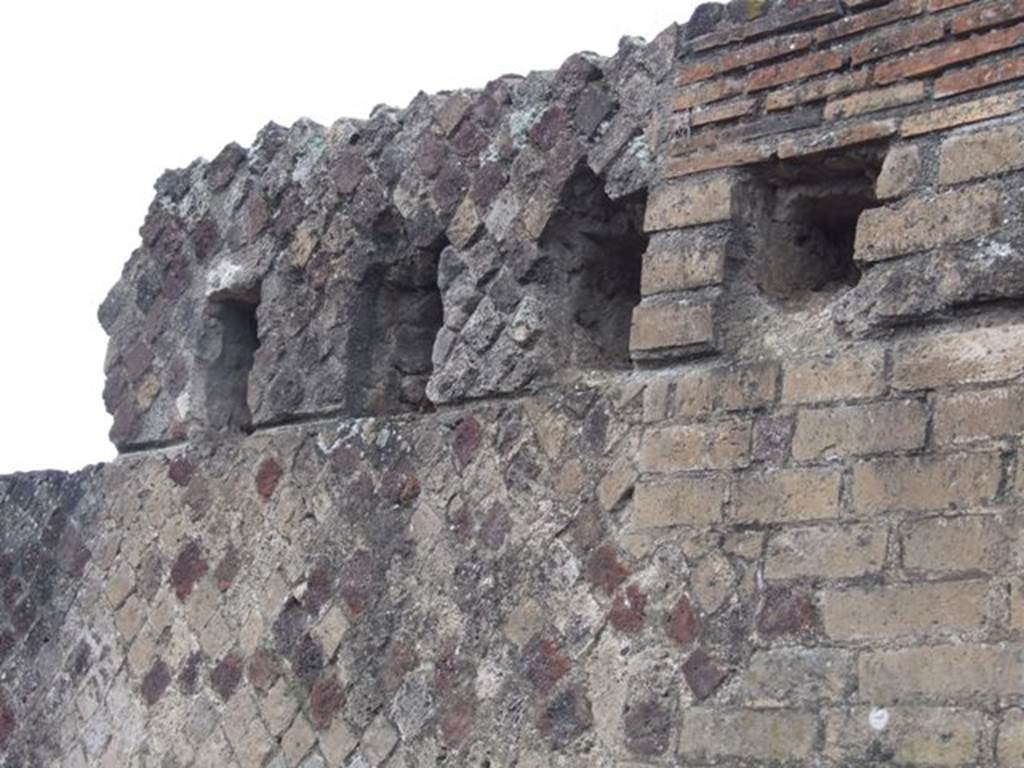
VI.6.1 Pompeii. December 2007. West wall of fauces or entrance corridor.
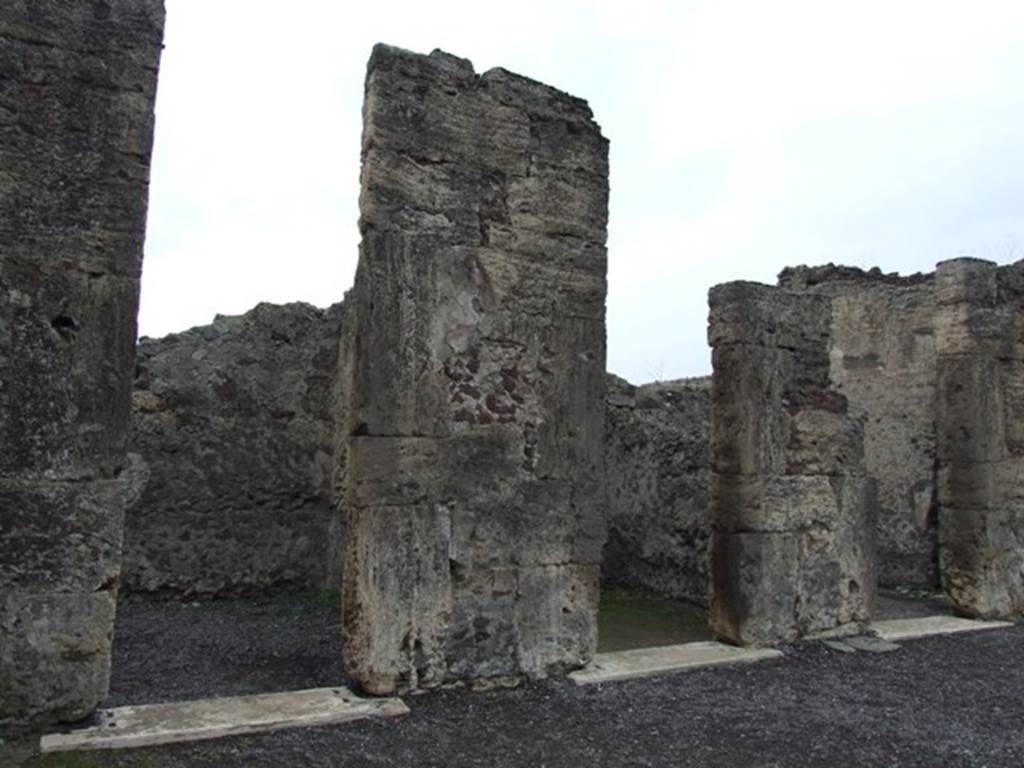
VI.6.1 Pompeii. December 2007. Doorways to rooms 1, 2 and 3, cubicula, on the west side of the atrium.
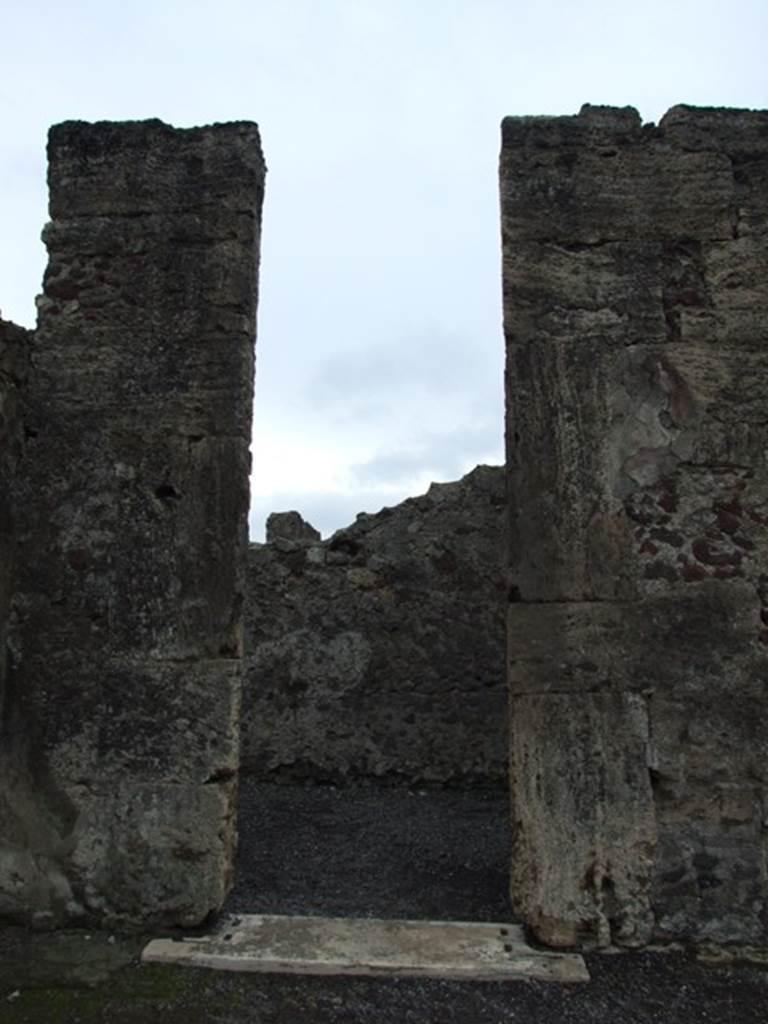
VI.6.1 Pompeii. December 2007. Doorway to room 1, cubiculum on west side of the atrium.
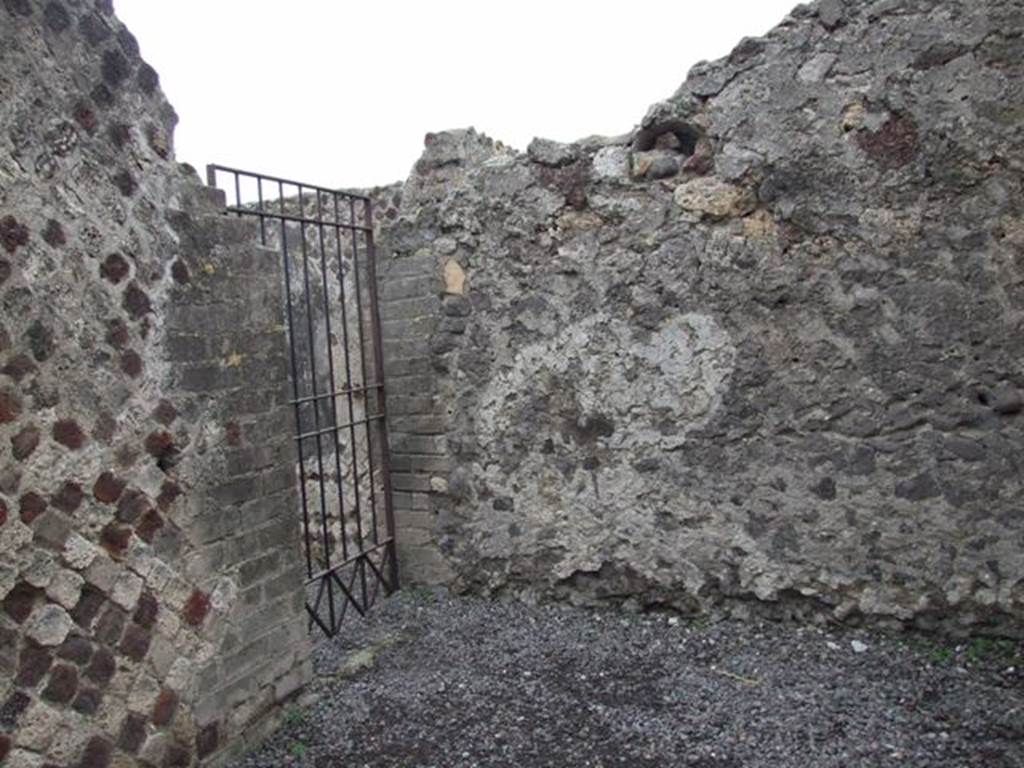
VI.6.1 Pompeii. December 2007. Room 1, looking towards south-west corner with doorway to shop at VI.6.22.
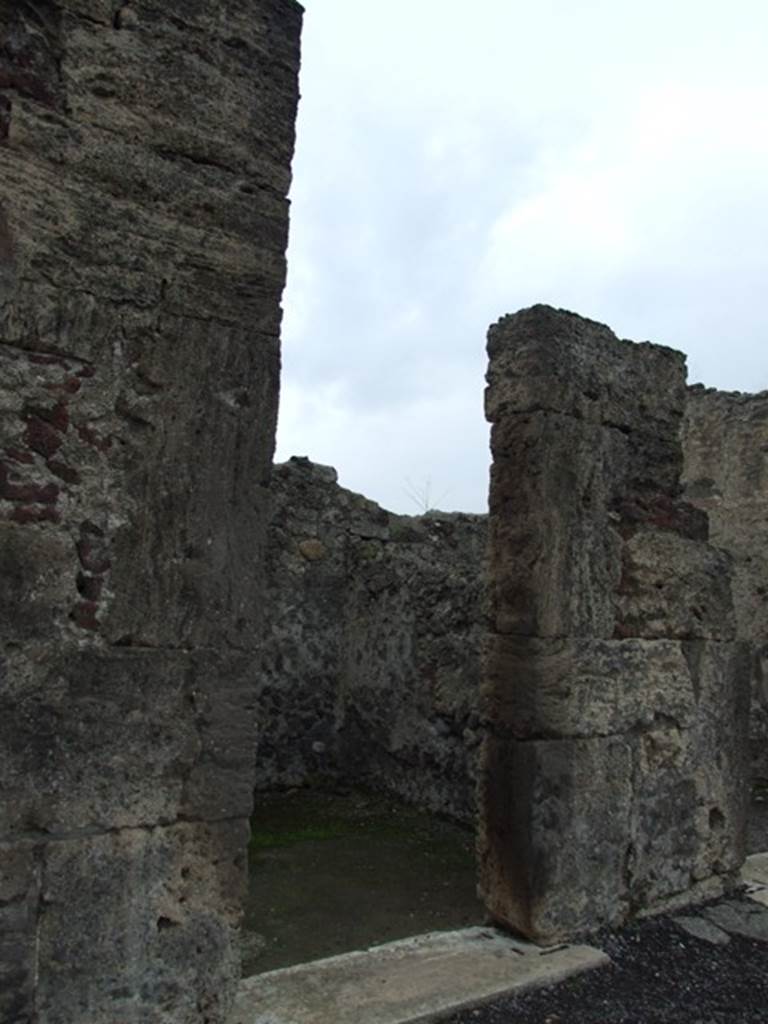
VI.6.1 Pompeii. December 2007. Doorway to room 2, cubiculum on the west side of the atrium.
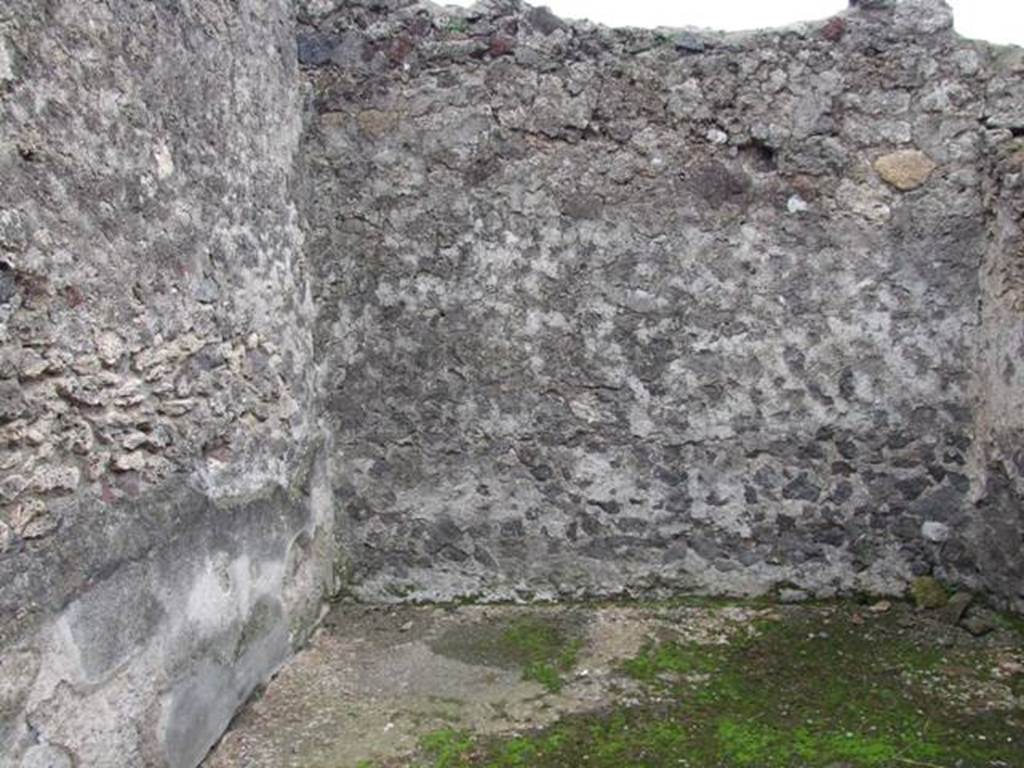
VI.6.1 Pompeii. December 2007. Looking west into room 2.
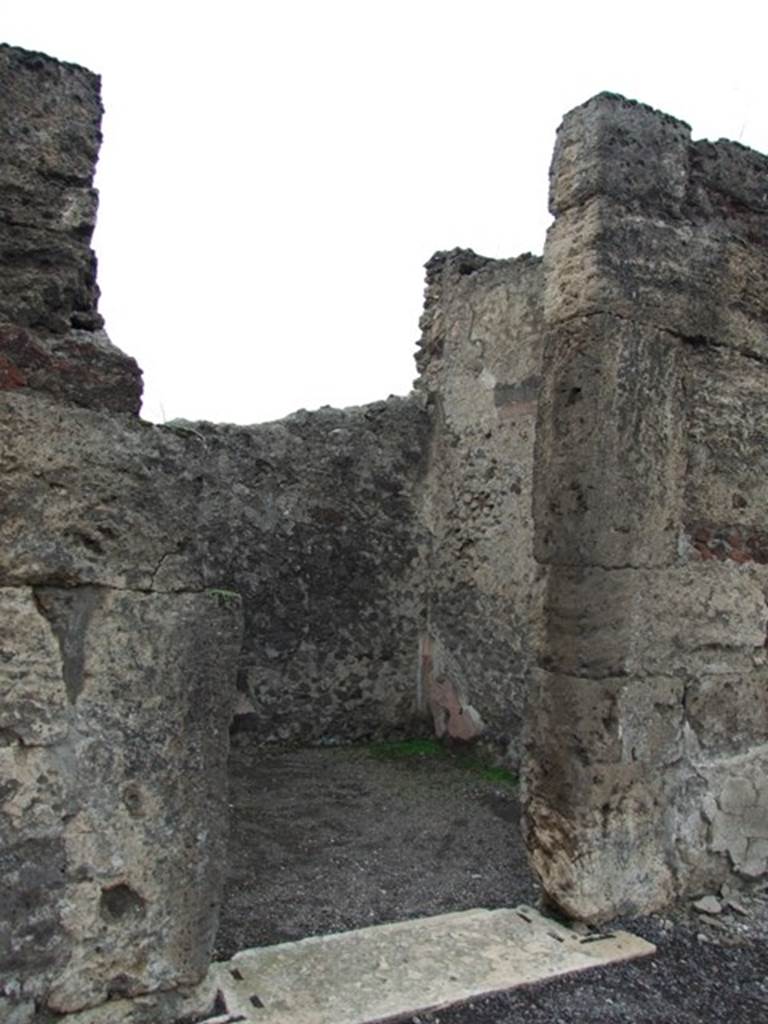
VI.6.1 Pompeii. December 2007. Doorway to room 3, cubiculum on west side of atrium.
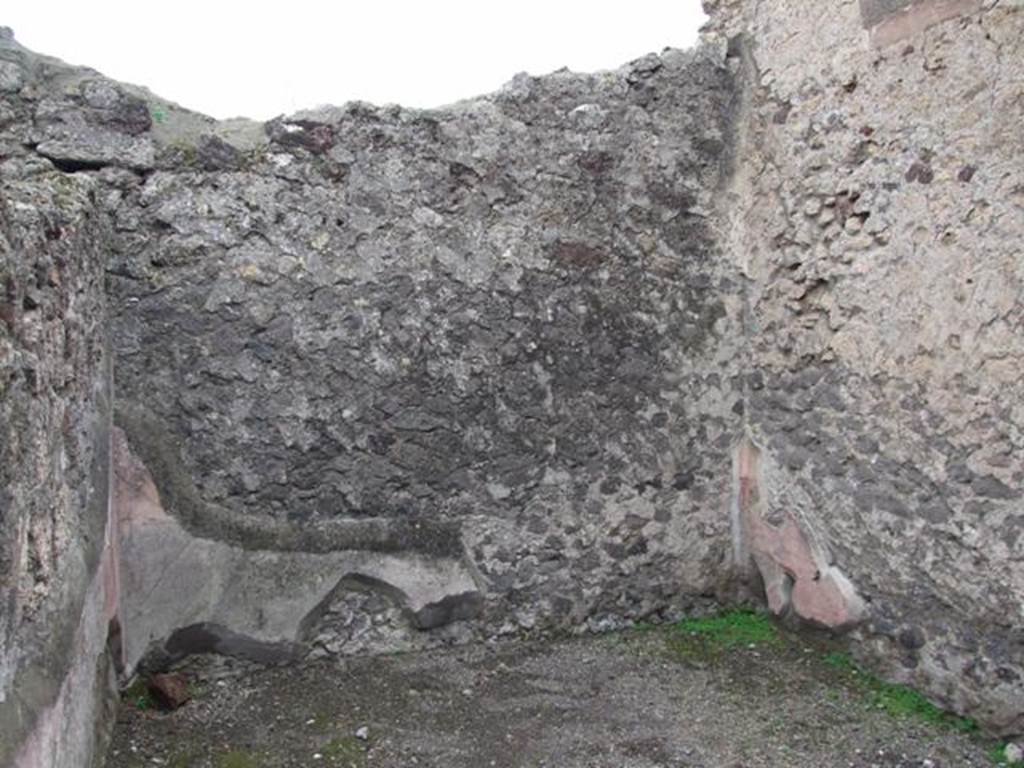
VI.6.1 Pompeii. December 2007. Looking west into room 3.
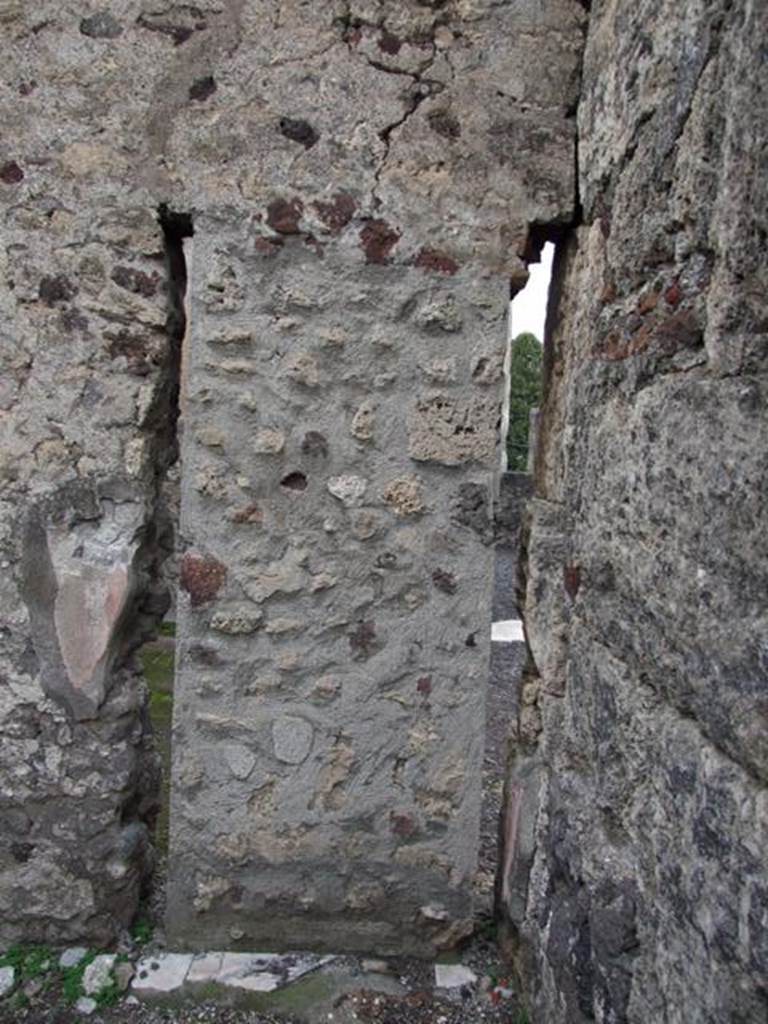
VI.6.1 Pompeii. December 2007. Room 3, blocked doorway in north wall.
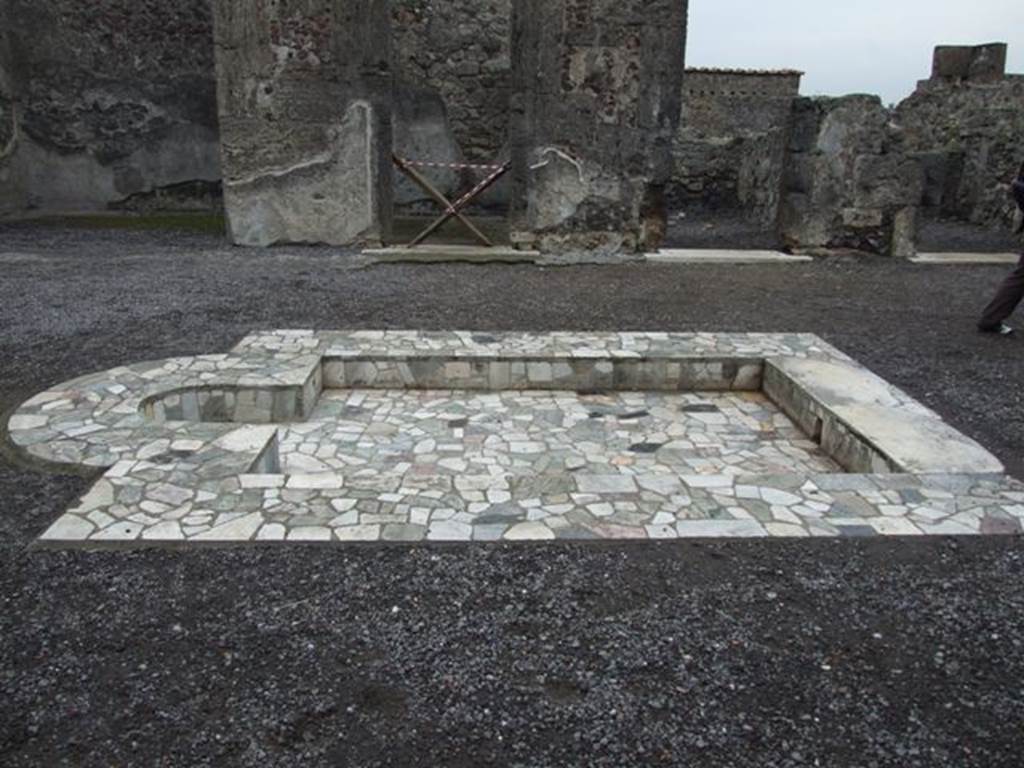
VI.6.1 Pompeii. December 2007. Looking east across the impluvium in the atrium, from room 3.
Part 2 Part 3
Part 4 Part 5 Part 6
Plan