II.4.5 Pompeii. Shop in
Complesso di Giulia Felice (Julia Felix) or Praedia di Giulia Felice.
First excavated 1754 to 1757 then re-interred, 1912, 1933, fully re-excavated 1951.
Previously linked to II.4.6.
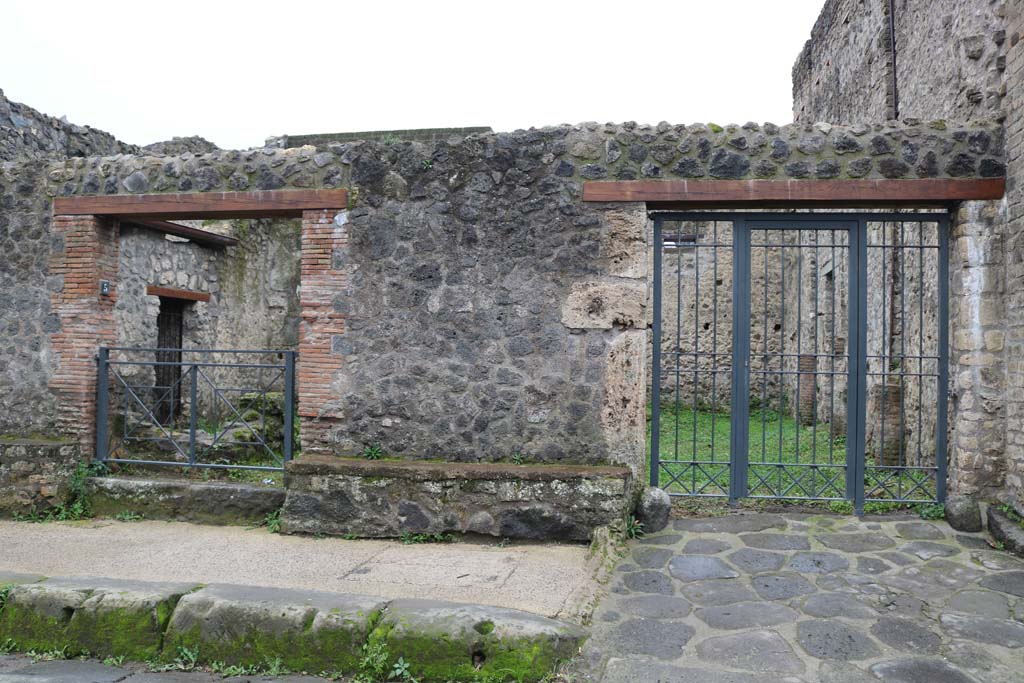
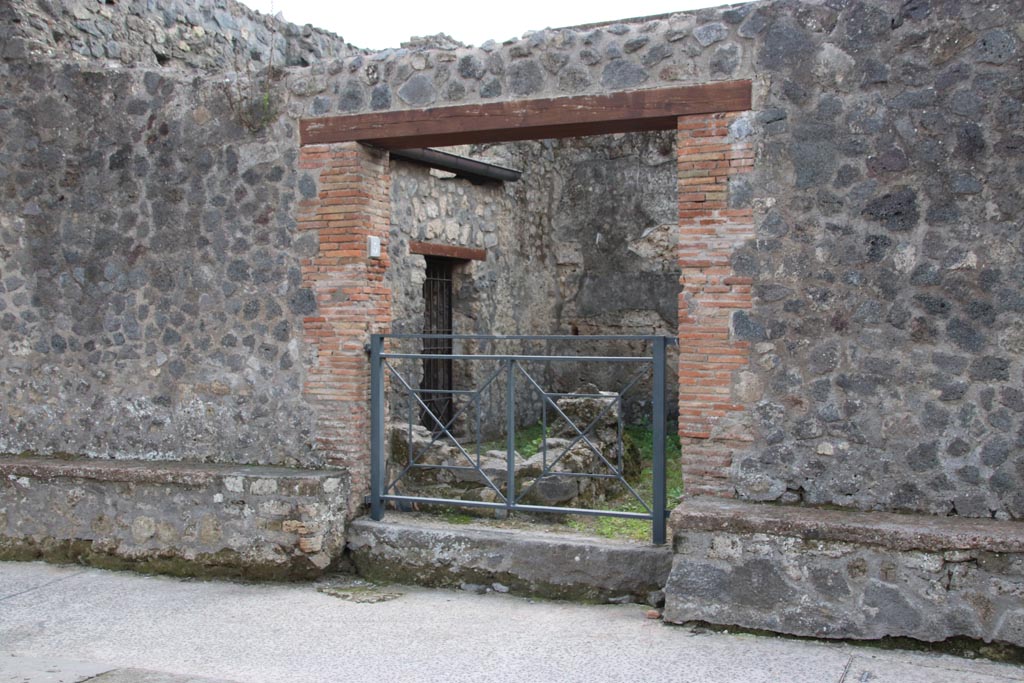
II.4.5 Pompeii. October 2022. Looking south towards entrance doorway into shop. Photo courtesy of Klaus Heese
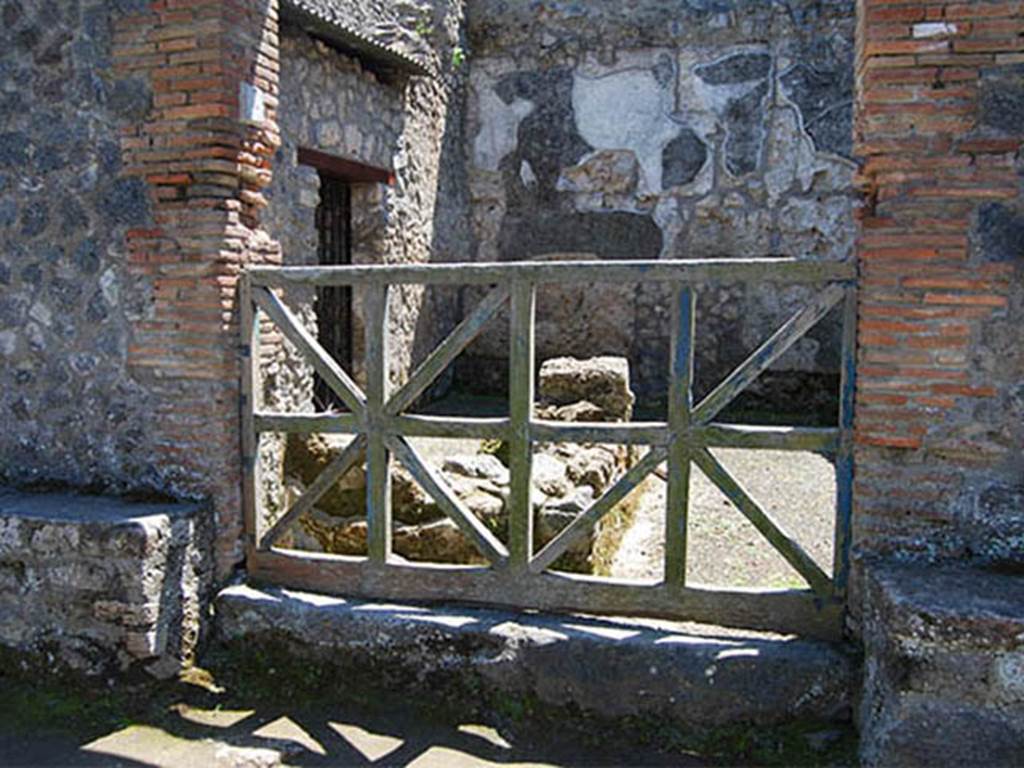
II.4.5 Pompeii. May 2014. Doorway to shop in Complesso di Giulia Felice. Photo courtesy of Paula Lock.
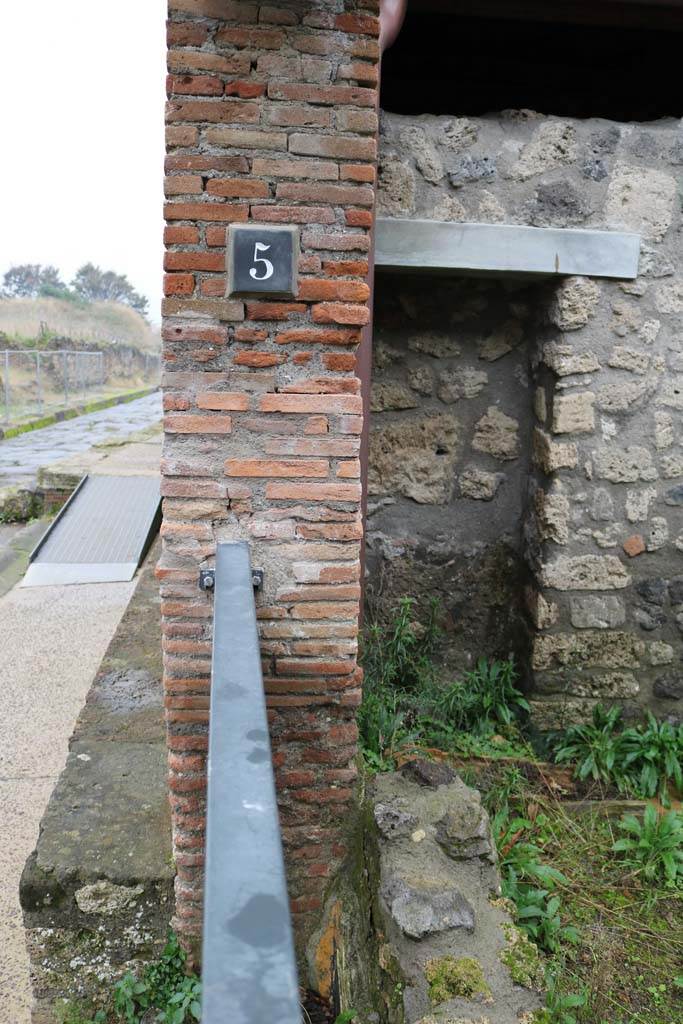
II.4.5 Pompeii. December 2018.
East side of
entrance doorway, with recess in east wall. Photo courtesy of Aude Durand.
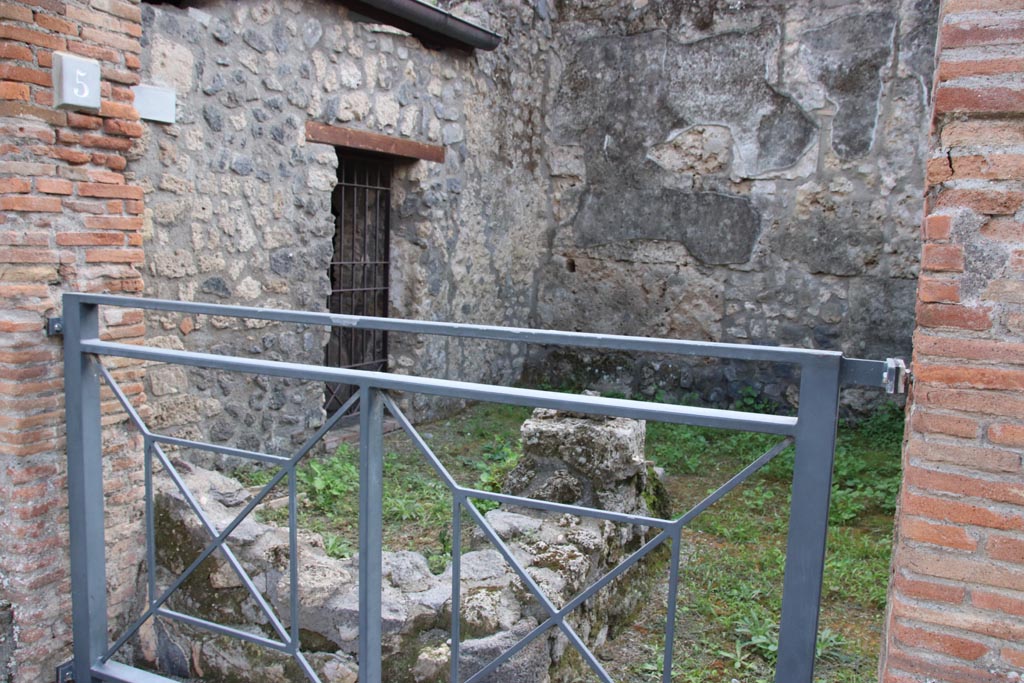
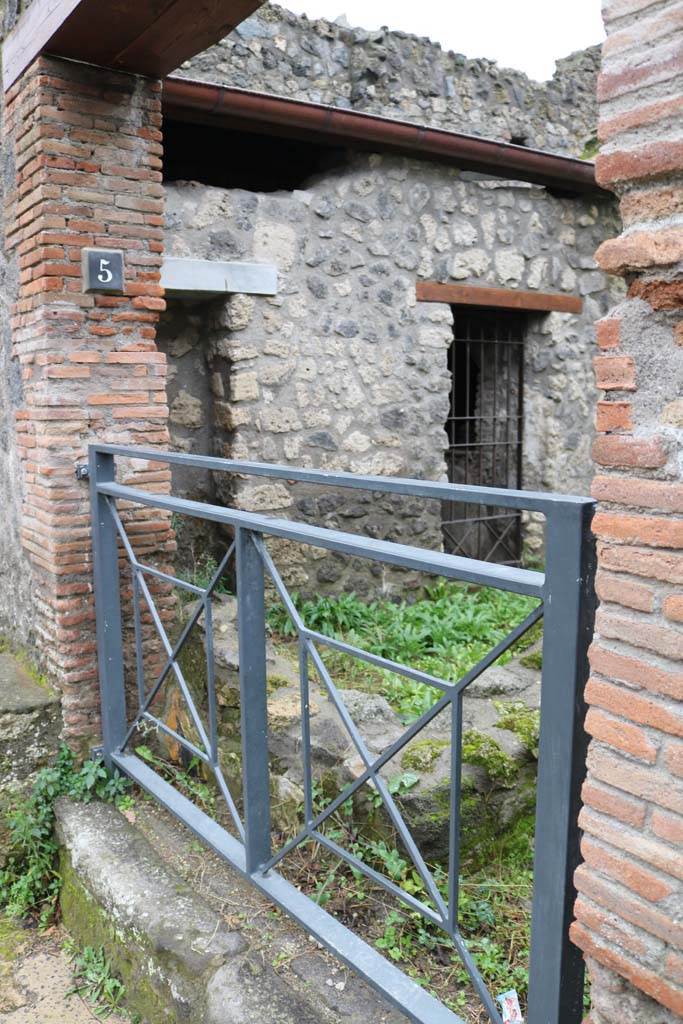
II.4.5 Pompeii. December 2018.
Shop entrance
doorway, looking towards east wall. Photo
courtesy of Aude Durand.
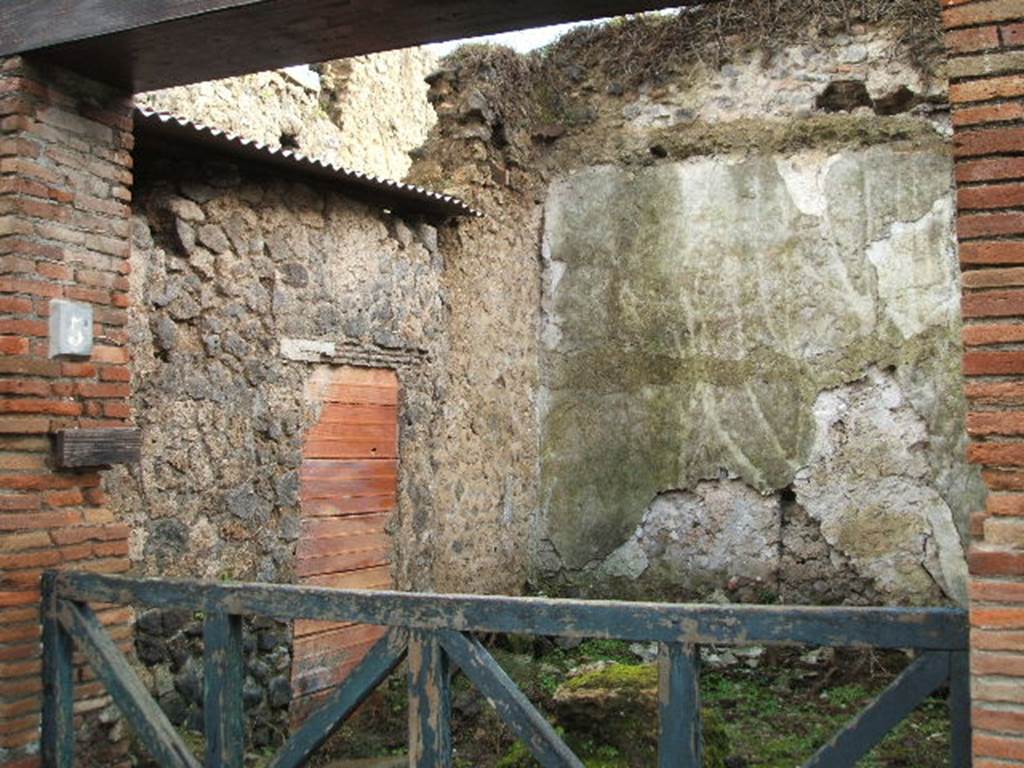
II.4.5 Pompeii. December 2004. Shop entrance doorway, looking south-east.
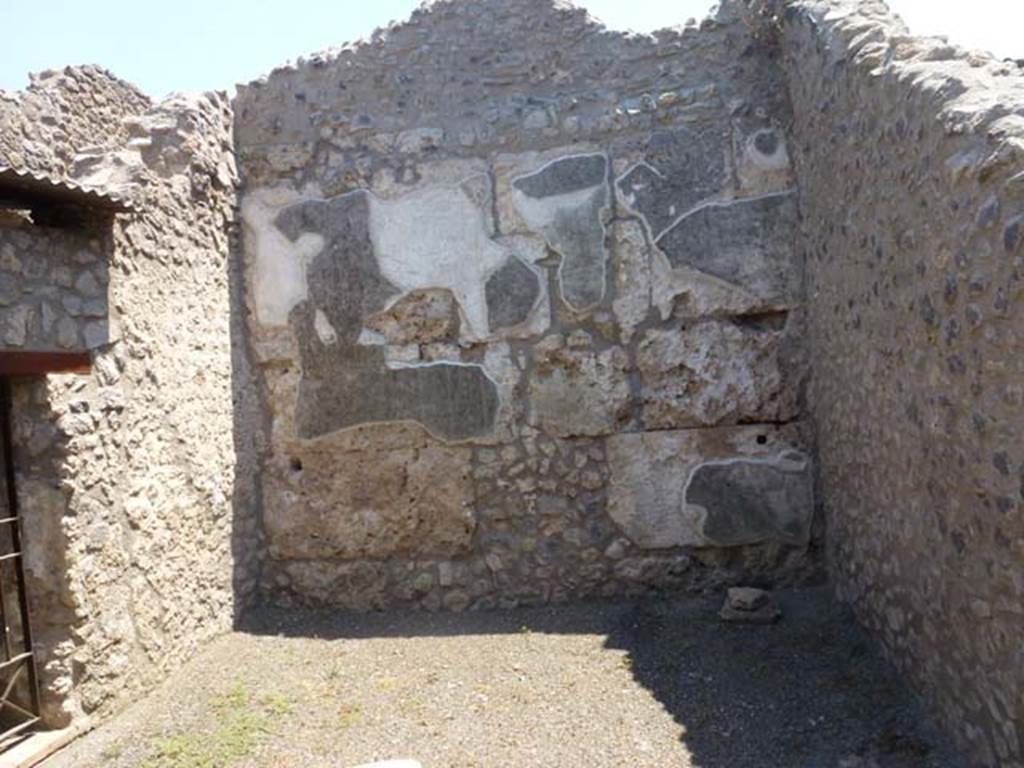
II.4.5 Pompeii. June 2012. Looking towards south wall of shop. Photo courtesy of Michael Binns.
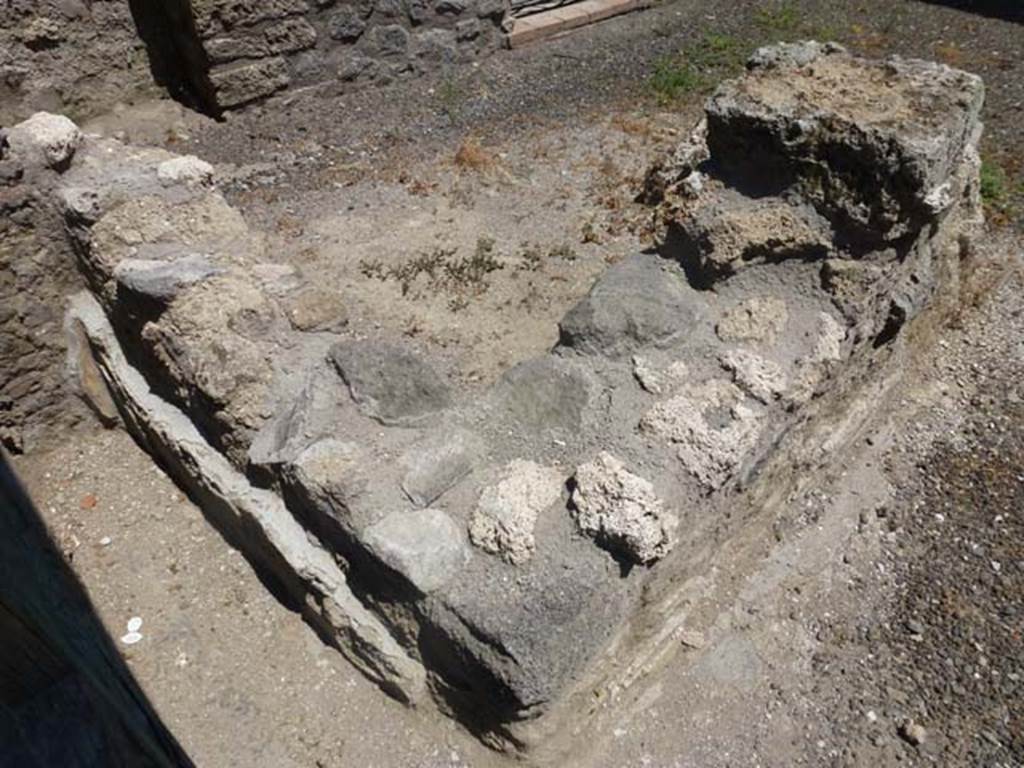
II.4.5 Pompeii. June 2012. Remains of podium/bench, looking from north-west corner. Photo courtesy of Michael Binns.
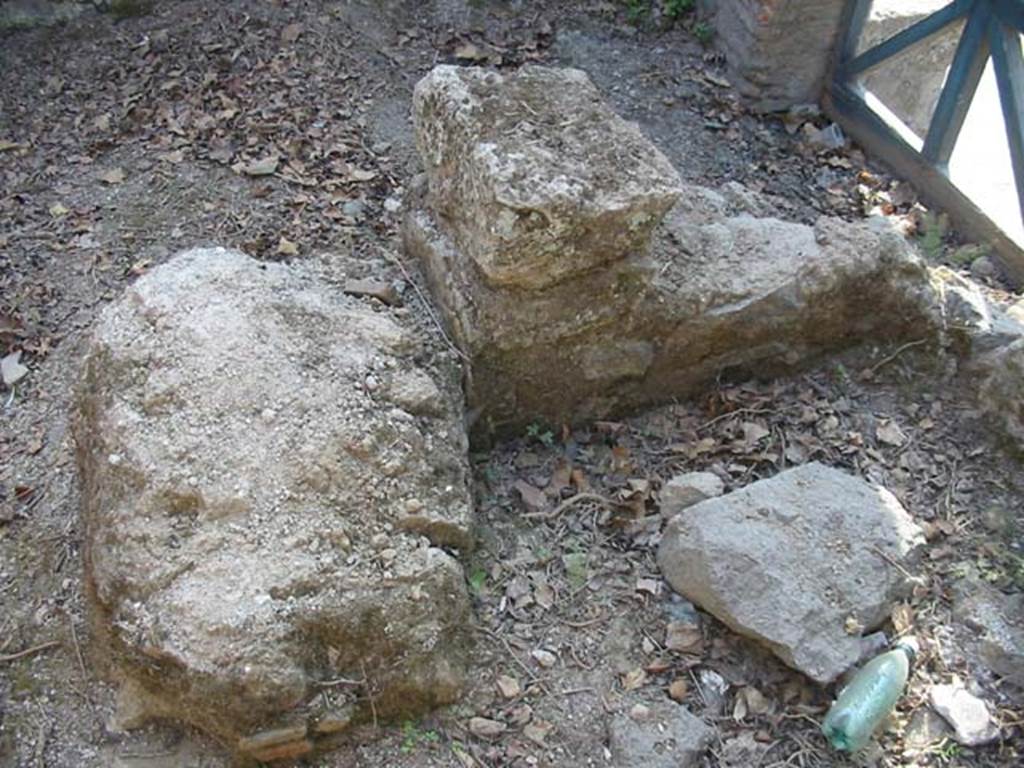
II.4.5 Pompeii. May 2003. Remains of podium/bench, looking from south-east corner. Photo courtesy of Nicolas Monteix.
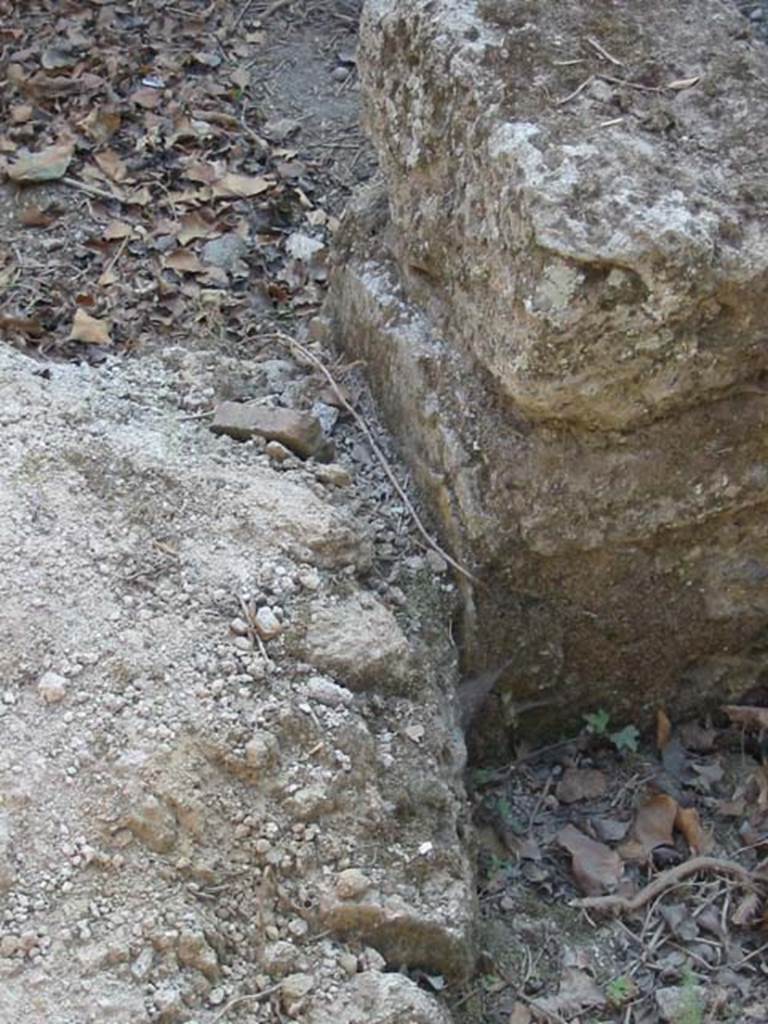
II.4.5 Pompeii. May 2003. Detail of podium/counter. Photo courtesy of Nicolas Monteix.