II.2.3 Pompeii. Caupona/Thermopolium of Athictus.
Excavated 1916, 1918, 1921, 1933 to 1935, 1975.
(Originally when excavated, this was numbered as Reg. II, Insula 5, no.3).
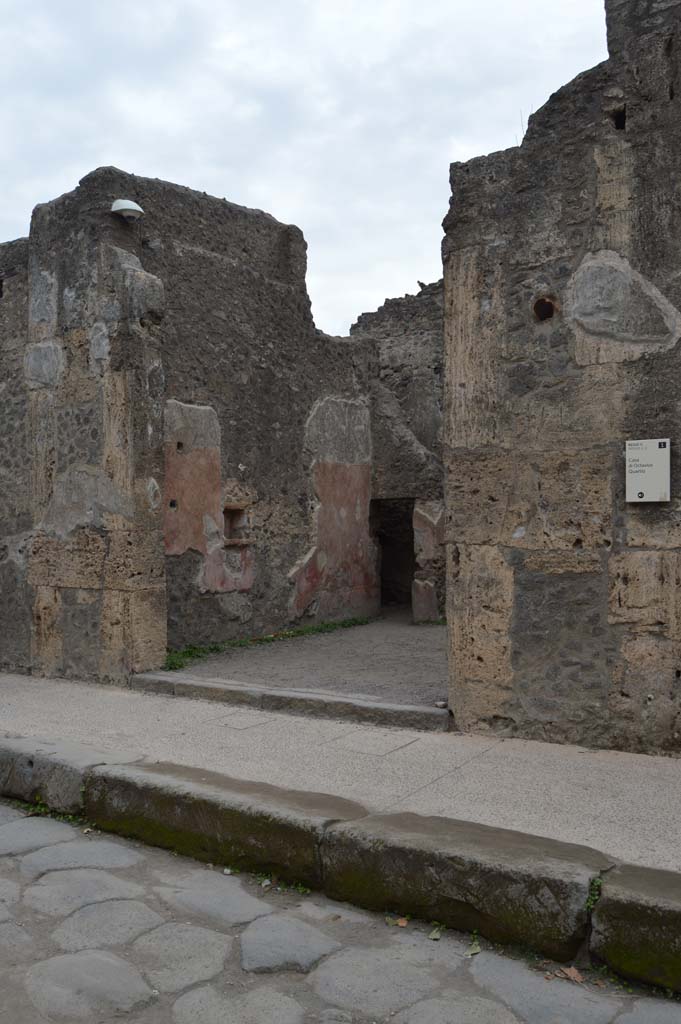
II.2.3 Pompeii. November 2024.
Looking south on Via dell’Abbondanza towards entrance doorway. Photo courtesy of Annette Haug.

II.2.3 Pompeii.
December 2018. Entrance doorway on south side of Via dell’Abbondanza. Photo courtesy of Aude Durand.
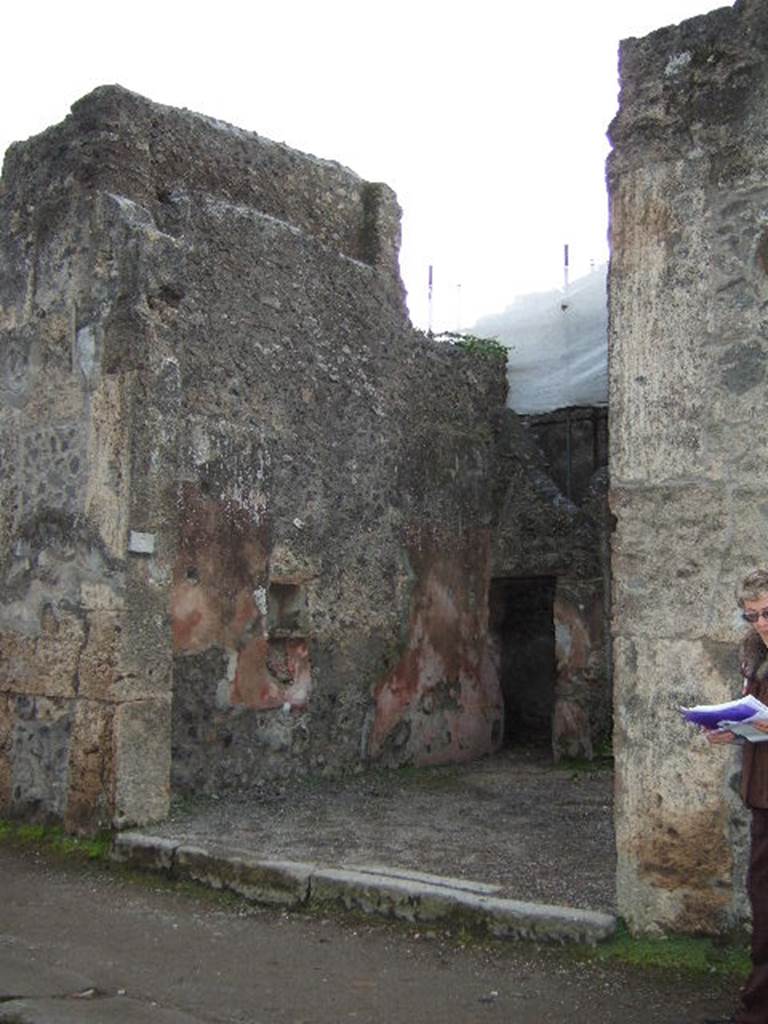
II.2.3 Pompeii. October 2017. Looking
south-east towards entrance doorway.
Foto Taylor Lauritsen, ERC Grant 681269 DÉCOR.
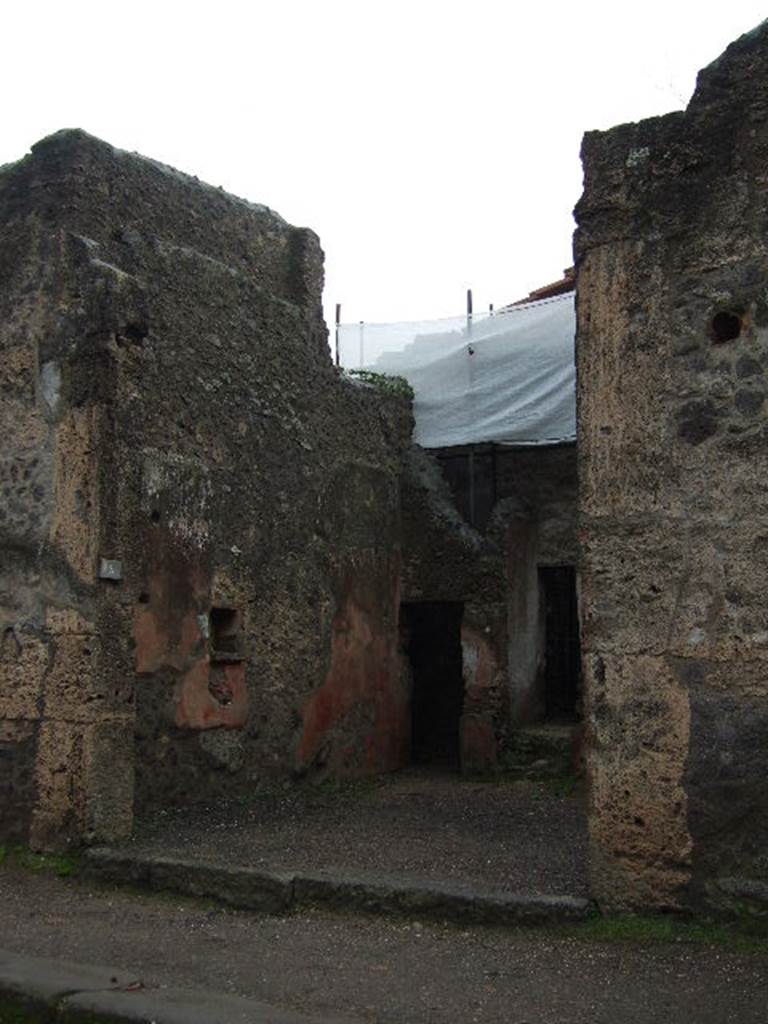
II.2.3 Pompeii. December 2005. Entrance doorway.
According to Della Corte, found on the left of the entrance was an electoral recommendation.
He thought this confirmed the name of Athictus, as being patron of the bar.
] / Athicte
fac(it) [CIL IV 7545]
Another found on the right of the entrance of II.2.2, was for the same person;
] / Athictus rog(at) [CIL IV 7523]
See Della Corte,
M., 1965. Case ed Abitanti di Pompei.
Napoli: Fausto Fiorentino. (p.379)
See
Epigraphik-Datenbank Clauss/Slaby (www.manfredclauss.de).
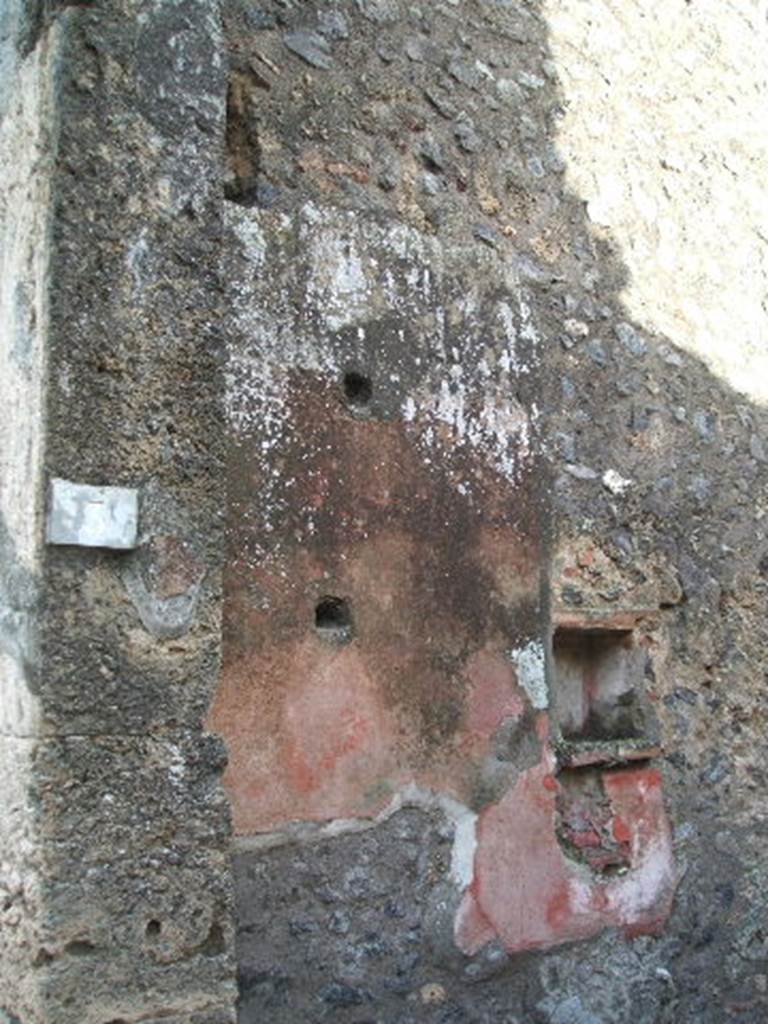
II.2.3 Pompeii. December 2005. Entrance, looking south-east.
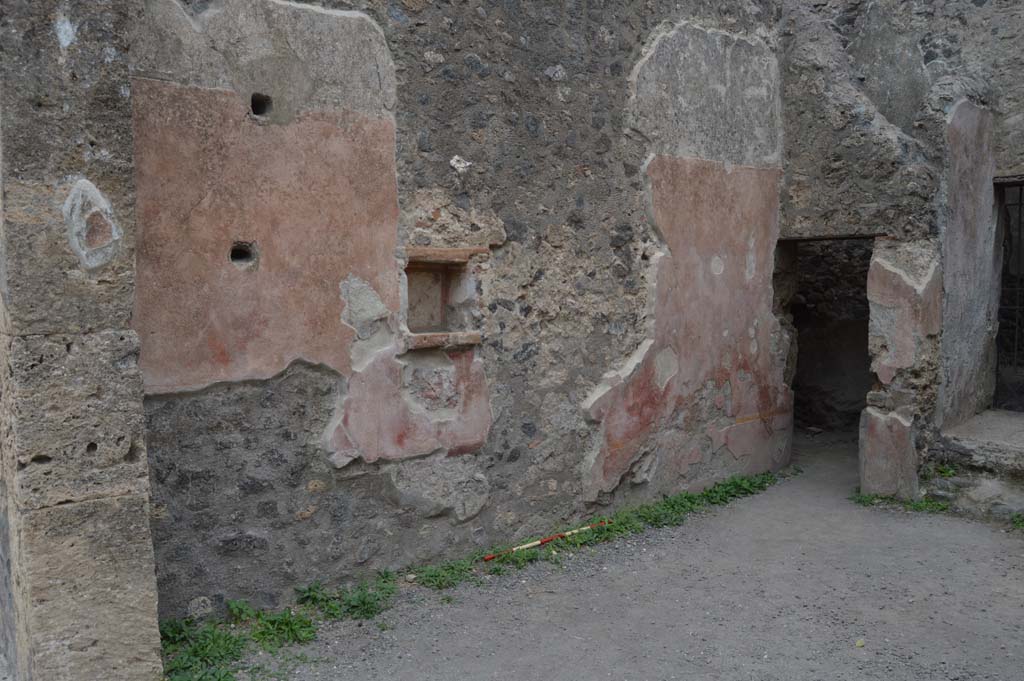
II.2.3 Pompeii. December 2004. East wall.
According to Della Corte –
in a rare case here, the sales counter was of wood, and the certain imprint of it was seen in the wall plaster.
See Della Corte,
M., 1965. Case ed Abitanti di Pompei.
Napoli: Fausto Fiorentino. (p.379).
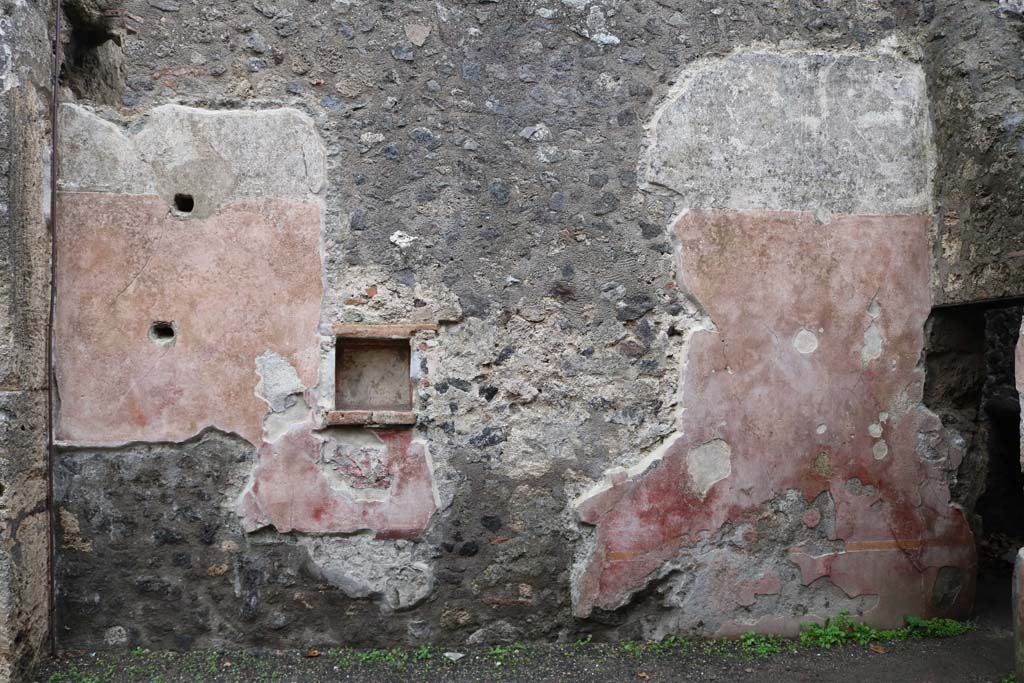
II.2.3 Pompeii. December 2018.
Looking through entrance doorway towards east wall. Photo courtesy of Aude Durand.
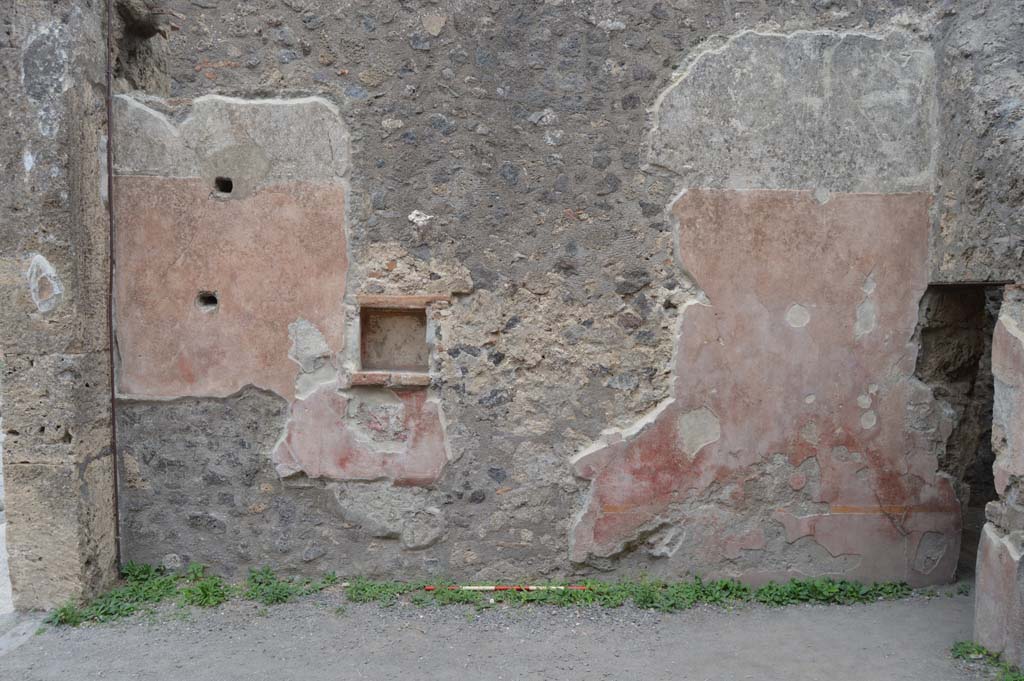
Foto Taylor Lauritsen, ERC Grant 681269 DÉCOR.
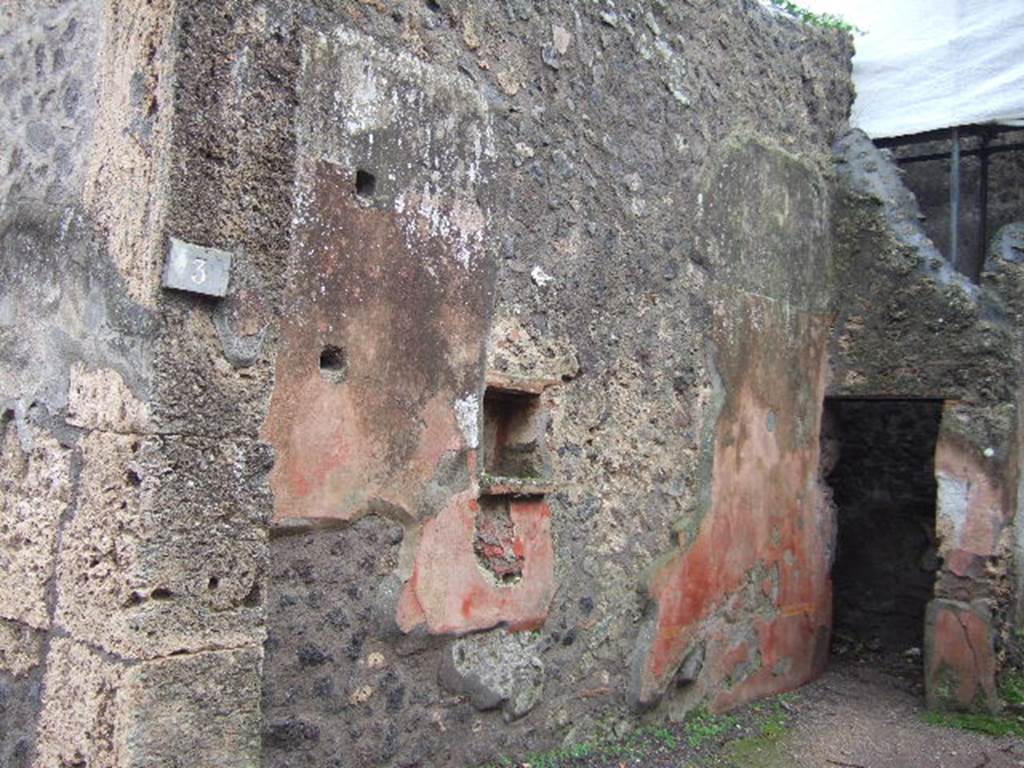
II.2.3 Pompeii. November 2024.
Looking across bar-room towards east wall. Photo courtesy of Annette Haug.

II.2.3 Pompeii. December 2018.
Looking towards east wall. Photo
courtesy of Aude Durand.
II.2.3
Pompeii. October 2017. Looking towards the east wall.
Foto Taylor Lauritsen, ERC Grant 681269 DÉCOR.
II.2.3 Pompeii. December 2005. Looking towards east wall and south-east corner.

II.2.3 Pompeii. November 2024.
East wall and north-east corner of bar-room. Photo courtesy of Annette Haug.
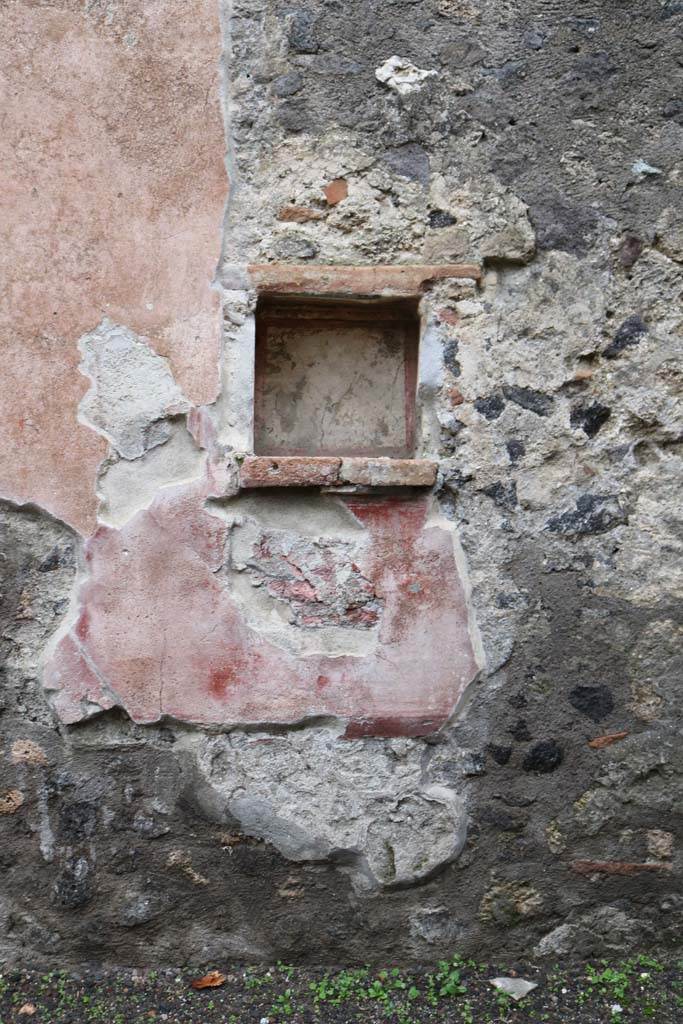
II.2.3 Pompeii. November 2024. East wall with niche. Photo courtesy of Annette Haug.
II.2.3 Pompeii. December 2018. Niche
set into east wall. Photo
courtesy of Aude Durand.
![II.2.3 Pompeii. November 2024. Niche on east wall. Photo courtesy of Annette Haug.
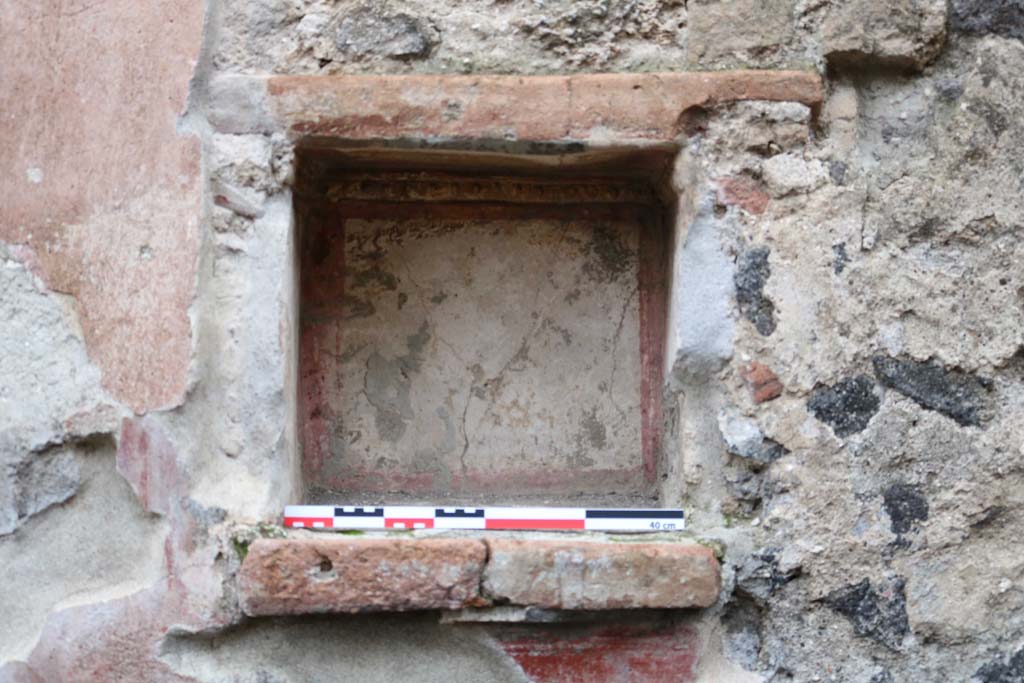
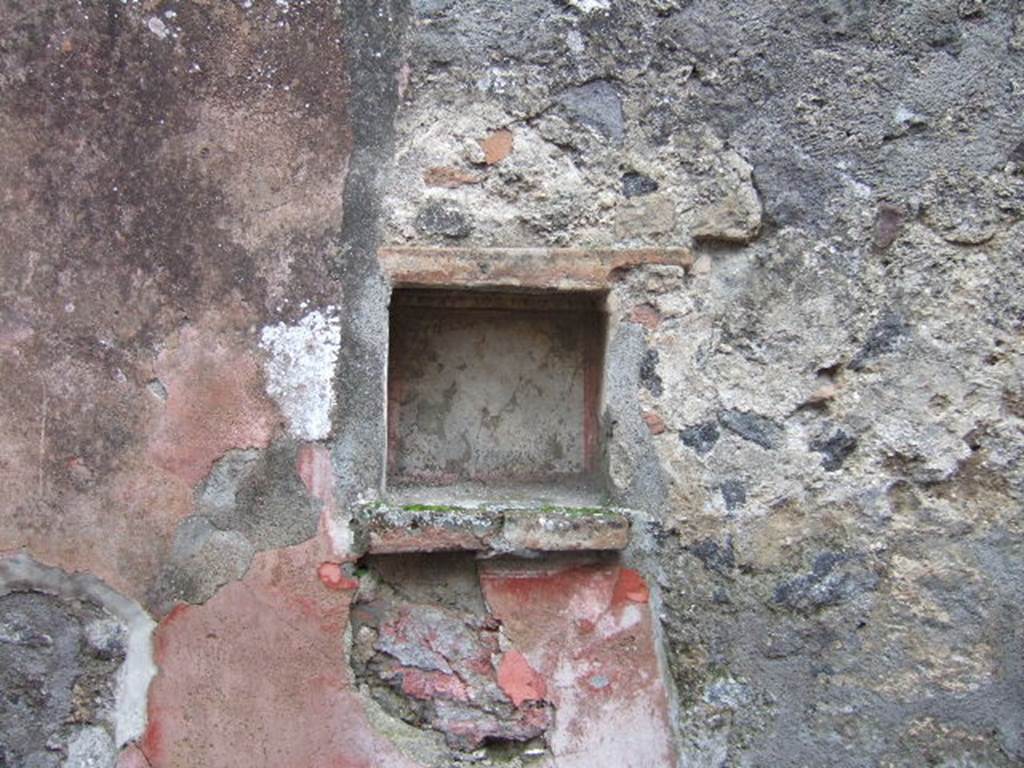
According to Boyce, in the east wall was a square niche with heavy projecting ledge.
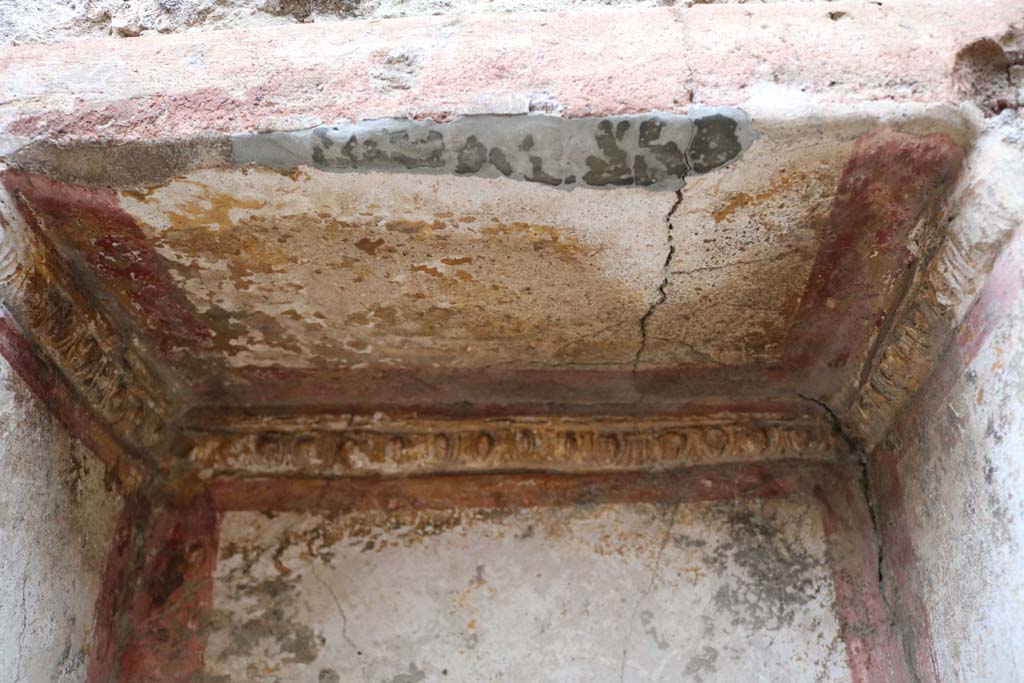
Its inside walls were white, bordered in red and around the top of the inside ran a stucco cornice.
A similar cornice ran around three sides of wall outside of the niche, to judge from the one side where the plaster was preserved.
On the edge of the projecting shelf was a graffito.
See Della Corte, M., 1965. Case ed Abitanti di Pompei. Napoli: Fausto Fiorentino. (p.379, CIL IV 8489)
See Boyce G. K., 1937. Corpus of the Lararia of Pompeii. Rome: MAAR 14. (P.30, no.63, Pl.4, 3, the location given as II.v.3)
According to Epigraphik-Datenbank Clauss/Slaby (See www.manfredclauss.de) this read as
Oliva condita
XVII K(alendas) Novembres [CIL IV 8489]
.](2%2002%2003_files/image026.jpg)
II.2.3 Pompeii. November 2024. Niche on east wall. Photo courtesy of Annette Haug.
According to Boyce, in the east wall was a square niche with heavy projecting ledge.
Its inside walls were white, bordered in red and around the top of the inside ran a stucco cornice.
A similar cornice ran around three sides of wall outside of the niche, to judge from the one side where the plaster was preserved.
On the edge of the projecting shelf was a graffito.
See Della Corte, M., 1965. Case ed Abitanti di Pompei. Napoli:
Fausto Fiorentino. (p.379, CIL IV 8489)
See Boyce G. K., 1937. Corpus of the Lararia of Pompeii. Rome: MAAR 14. (P.30, no.63, Pl.4, 3, the location given as II.v.3)
According to Epigraphik-Datenbank Clauss/Slaby (See www.manfredclauss.de) this read as
Oliva condita
XVII K(alendas) Novembres [CIL IV 8489]
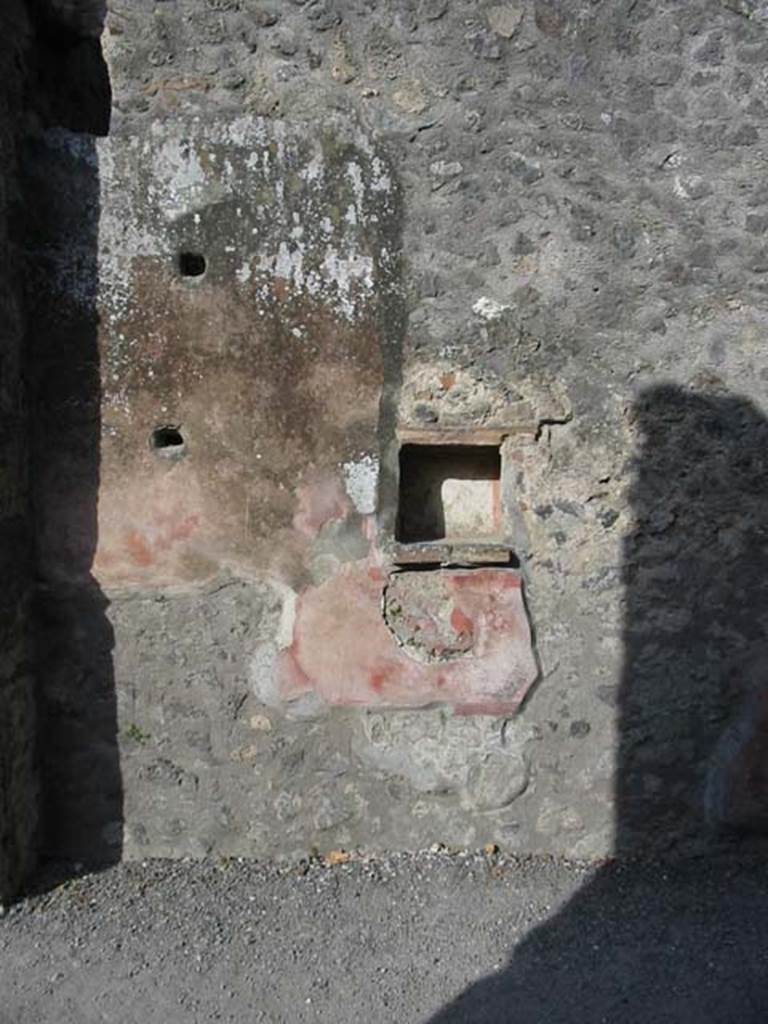
II.2.3 Pompeii. December 2018. Detail
of niche set into east wall. Photo
courtesy of Aude Durand.

II.2.3 Pompeii. December 2018. Detail of east wall niche. Photo
courtesy of Aude Durand.
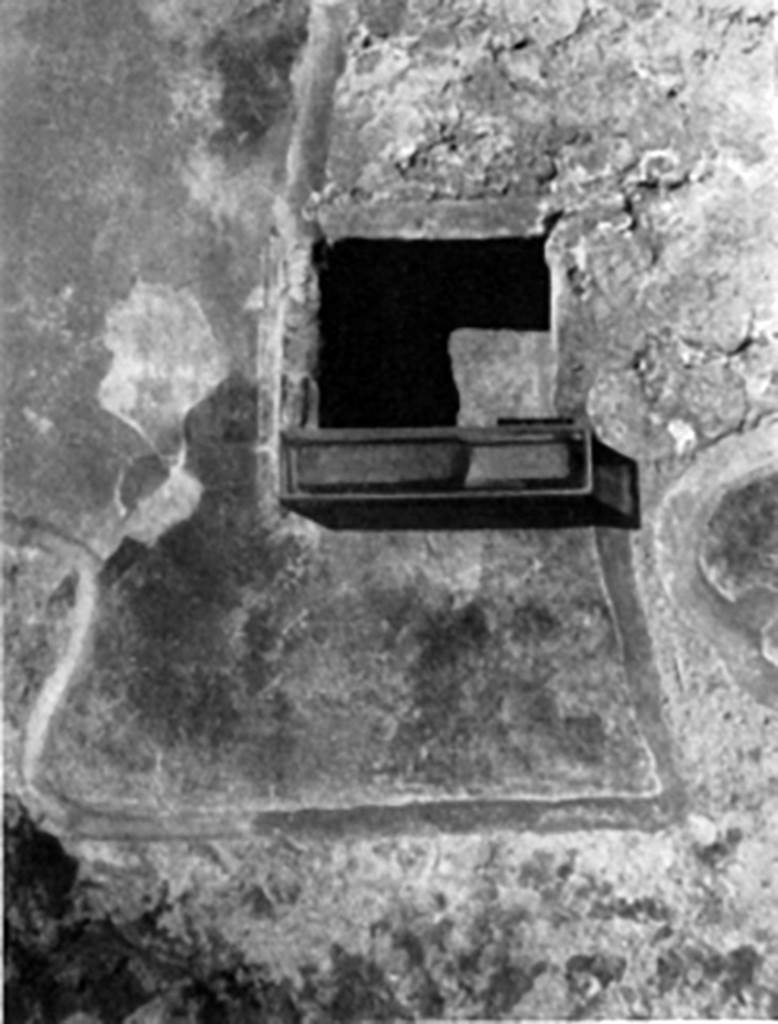
II.2.3 Pompeii. October 2017. Niche on east
wall.
Foto Taylor Lauritsen, ERC
Grant 681269 DÉCOR.

II.2.3 Pompeii. November 2024. Detail from niche in east
wall. Photo courtesy of Annette Haug.
II.2.3 Pompeii. June 2012. Niche in east wall. Photo courtesy of Michael Binns.
II.2.3 Pompeii. December 2018. Detail of decorative stucco inside east wall niche. Photo courtesy of Aude Durand.
![II.2.3 Pompeii. December 2005.Caupona/Thermopolium of Athictus.
According to Boyce, in the east wall was a square niche with heavy projecting ledge. Its inside walls were white, bordered in red and around the top ran a stucco cornice. A similar cornice ran around three sides of the niche on the wall outside, to judge from the one side where the plaster was preserved. On the edge of the projecting shelf was a graffito. See Della Corte, M., 1965. Case ed Abitanti di Pompei. Napoli: Fausto Fiorentino. (p.379, CIL IV 8489). See Boyce G. K., 1937. Corpus of the Lararia of Pompeii. Rome: MAAR 14. (P.30, no.63, Pl.4, 3, the location given as II.v.3)
According to Epigraphik-Datenbank Clauss/Slaby (See www.manfredclauss.de) this read as
Oliva condita
XVII K(alendas) Novembres [CIL IV 8489]](2%2002%2003_files/image035.jpg)
II.2.3 Pompeii. December 2005. East wall with niche.
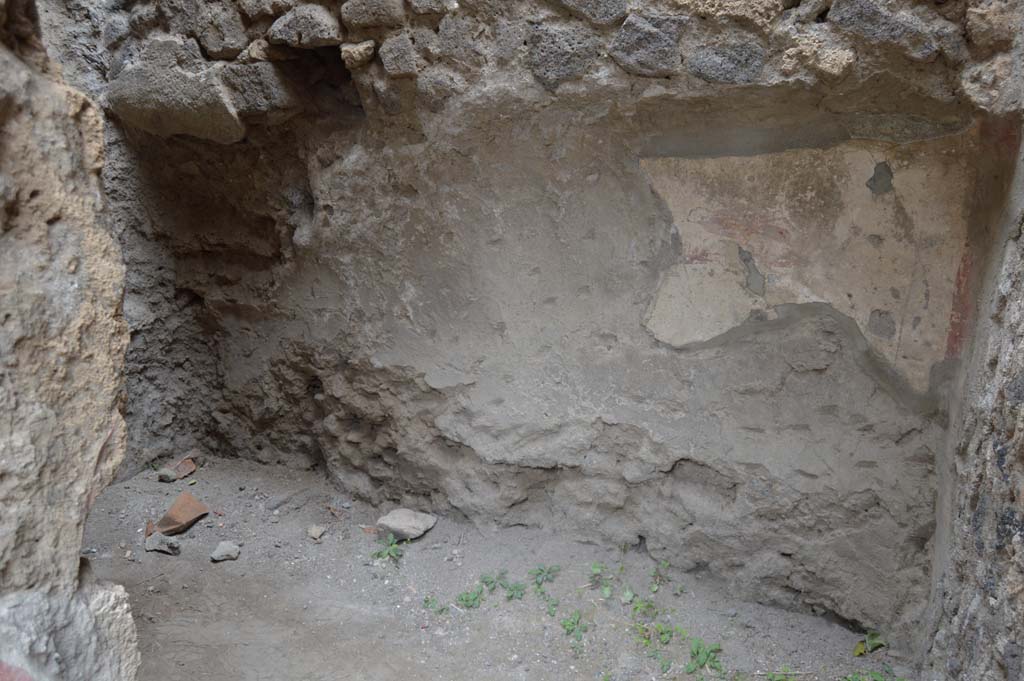
II.2.3 Pompeii. May 2003. East wall and niche. Photo courtesy of Nicolas Monteix.

II.2.3 Pompeii. 1937 photo by Tatiana Warscher. East wall with lararium niche.
According to Boyce, in the east wall was a square niche with heavy projecting ledge.
See Boyce G. K., 1937. Corpus of the Lararia of Pompeii. Rome: MAAR 14. (P.30, no.63, Pl.4, 3, the location given as II.v.3)
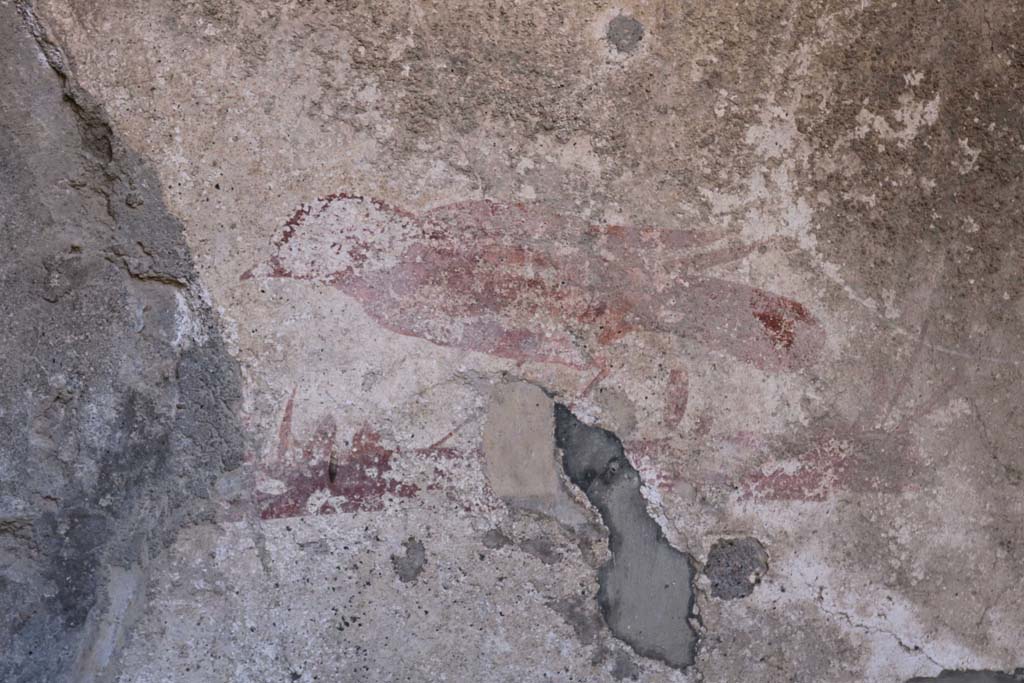
II.2.3 Pompeii. June 2012.
Looking towards south-east corner of bar-room and doorway to small cubiculum. Photo courtesy of Michael Binns.
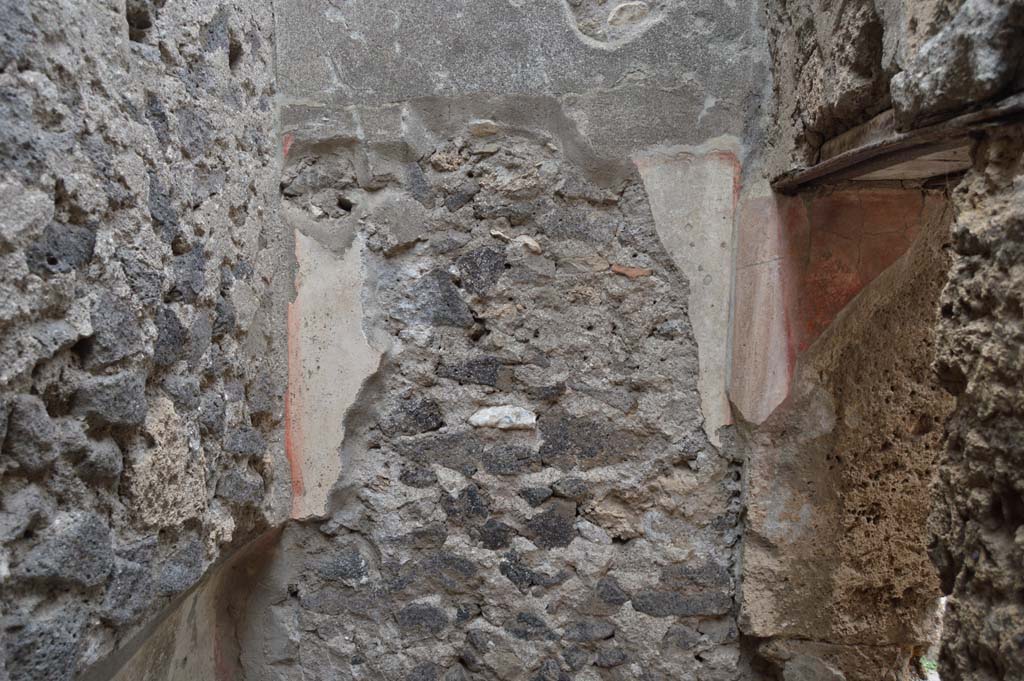
II.2.3
Pompeii. October 2017. Detail of east wall in south-east corner of bar-room.
Foto Taylor Lauritsen, ERC Grant 681269 DÉCOR.

II.2.3 Pompeii. November 2024.
Looking south across bar-room, with niches in east and west walls. Photo courtesy of Annette Haug.
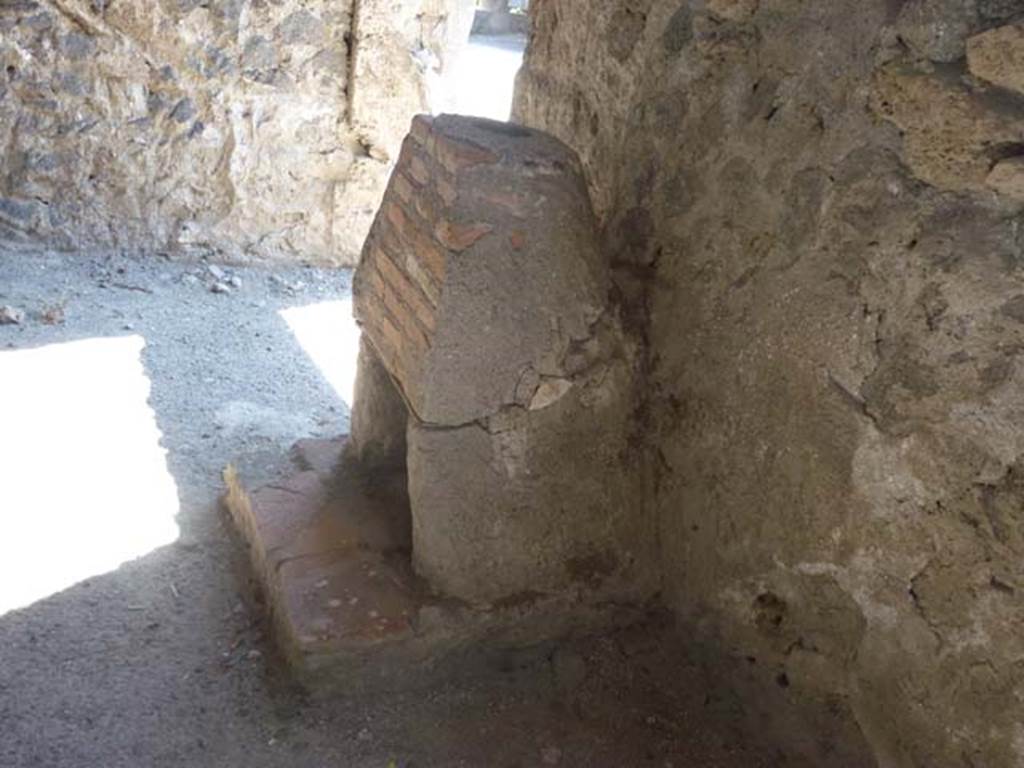
II.2.3 Pompeii. September 2018. Looking towards south wall. Photo courtesy of Aude Durand.
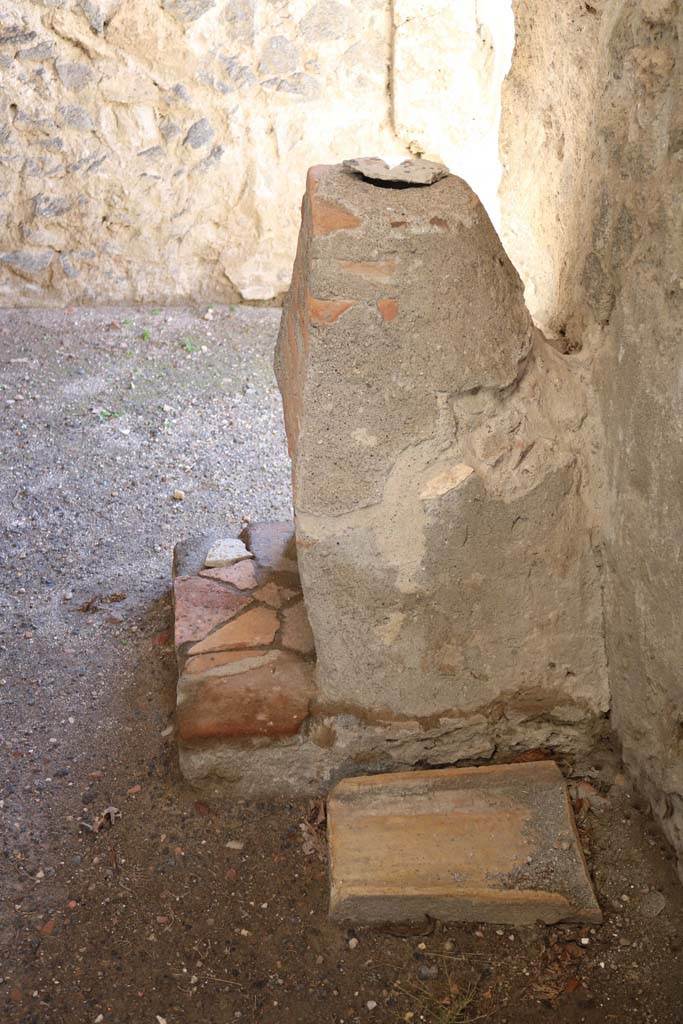
II.2.3 Pompeii. December 2005. Looking south with doorway to small cubiculum, on left.

II.2.3
Pompeii. October 2017. Small cubiculum, looking towards bed recess set into
south wall.
Foto Taylor Lauritsen, ERC Grant 681269 DÉCOR.
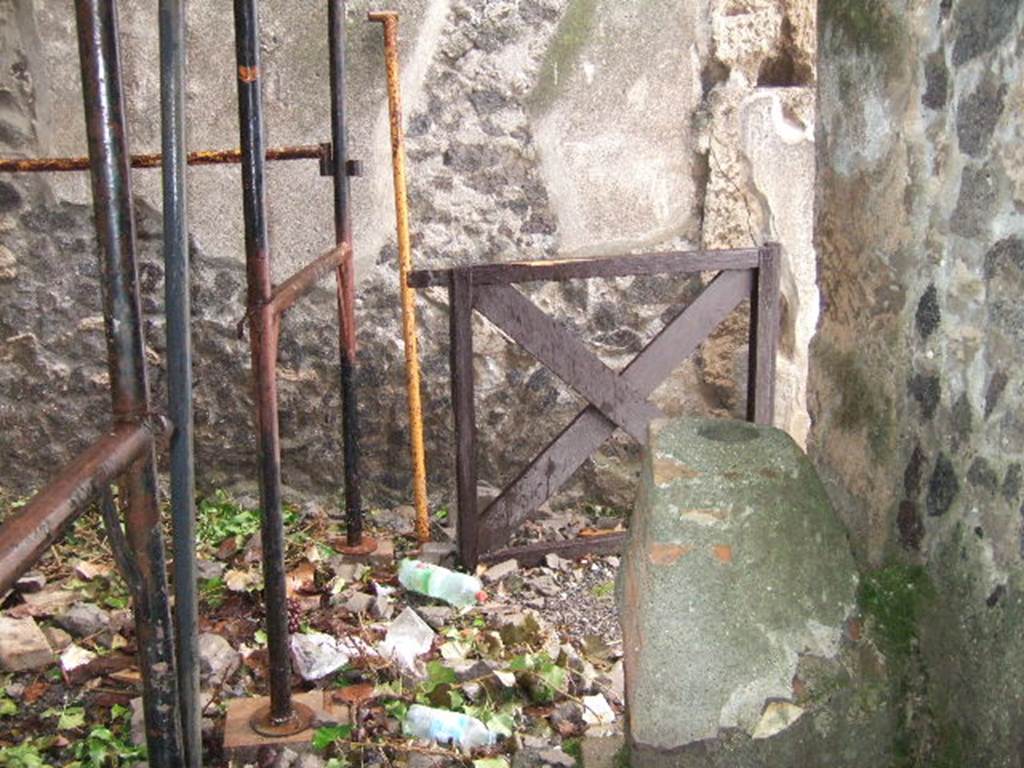
II.2.3 Pompeii. May 2003.
South wall with bed recess in cubiculum in south-east corner of bar-room. Photo courtesy of Nicolas Monteix.

II.2.3 Pompeii. September 2018.
Painted bird decoration on south wall of bed recess in
cubiculum in south-east corner. Photo courtesy of Aude Durand.
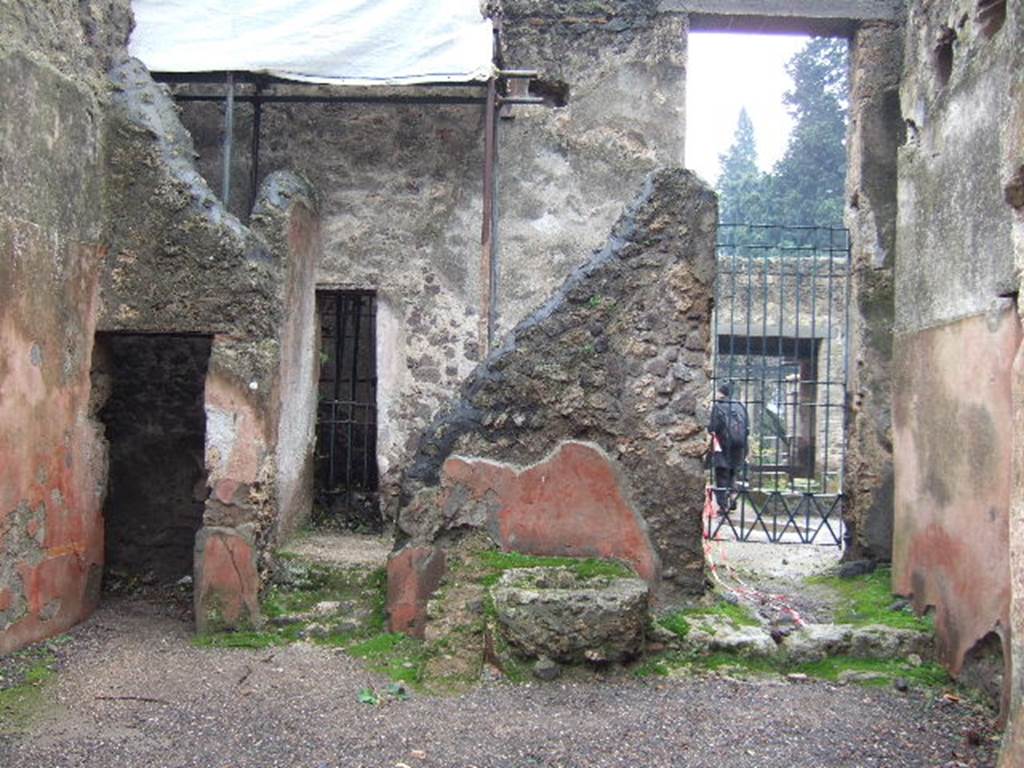
II.2.3
Pompeii. October 2017. Looking towards west wall in small cubiculum.
The
bed recess set into the south wall is on the left, the remaining painted stucco
of the entrance doorway from the bar-room, on right.
Foto Taylor Lauritsen, ERC Grant 681269 DÉCOR.
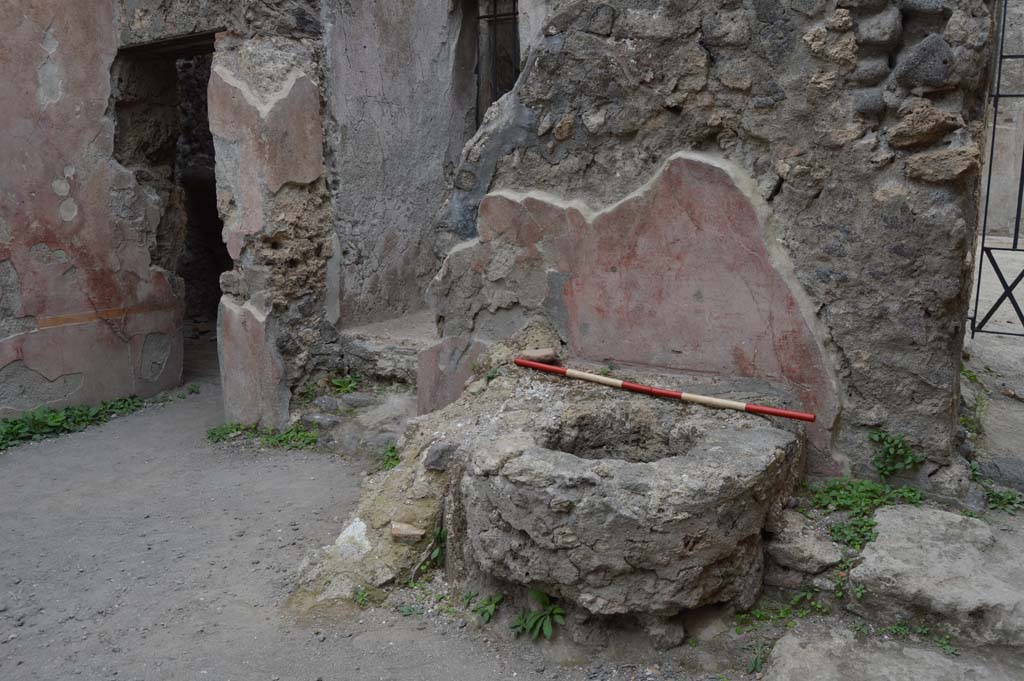
Looking
south towards small doorway, centre left, leading into room 3 of II.2.2, with a
doorway to the atrium, on right.
Foto Taylor Lauritsen, ERC Grant 681269 DÉCOR.

II.2.3 Pompeii. June 2012. Looking south from narrow doorway into room 3, of II.2.2. Photo courtesy of Michael Binns.
According to Spinazzola, this structure was a kiln (muffola) for the baking and glazing of small vases/pots.
See Spinazzola, V. Pompei, alla luce degli Scavi Nuovi di Via dell’Abbondanza (Anni 1910-1923),
Vol.1, (p.419, fig.483).
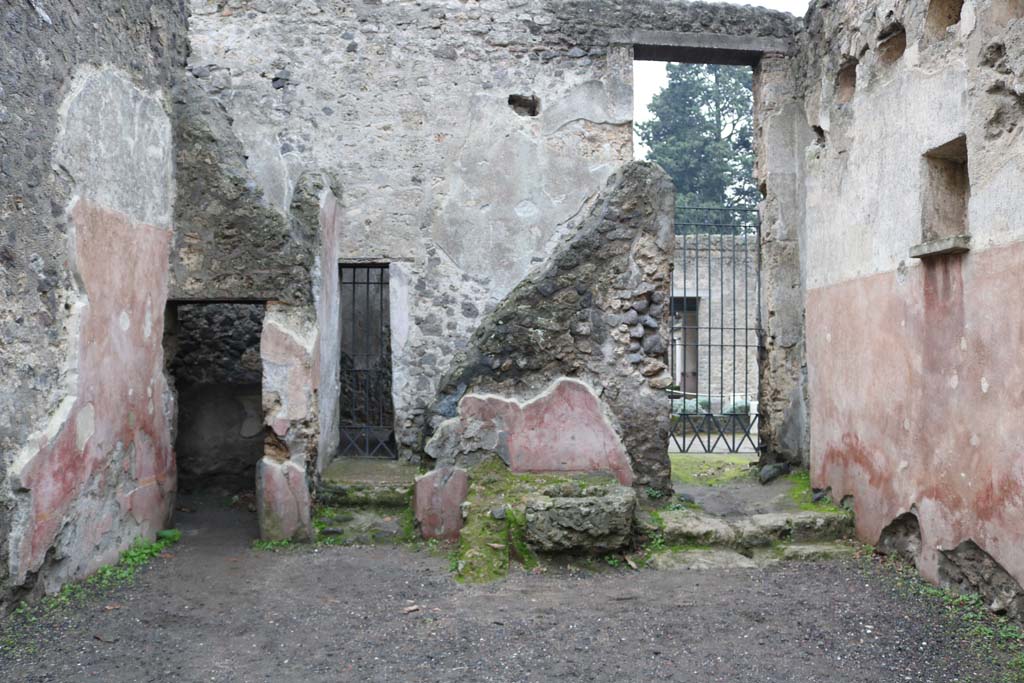
II.2.3 Pompeii. September 2018.
Looking south towards room in II.2.2 with kiln? Photo courtesy of Aude Durand.
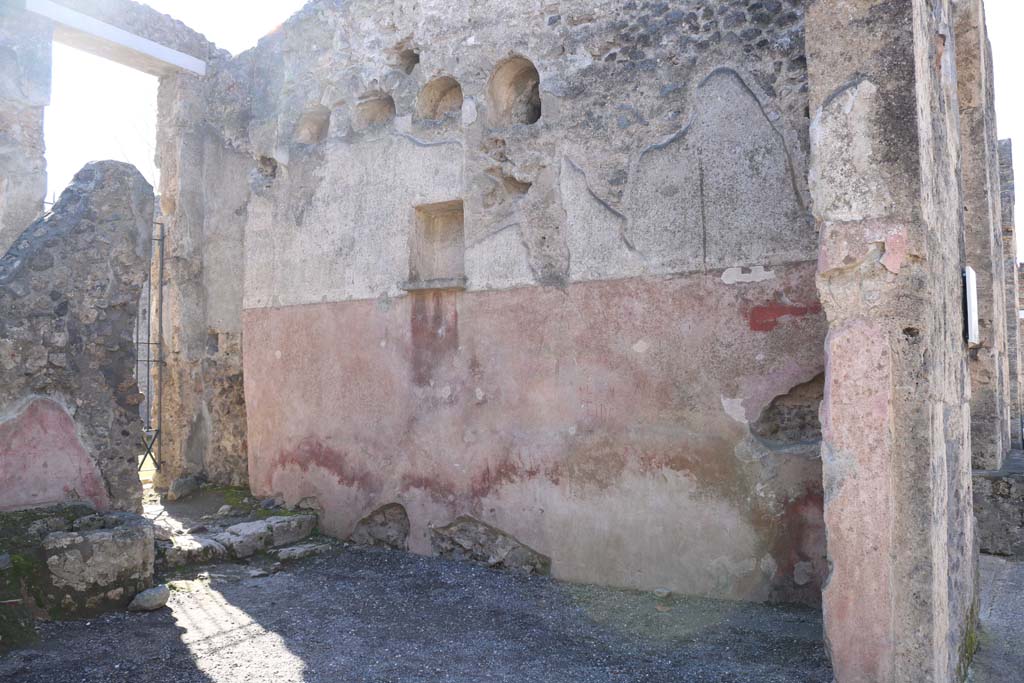
II.2.3 Pompeii. December 2005. Looking south from narrow doorway into room 3, of II.2.2.
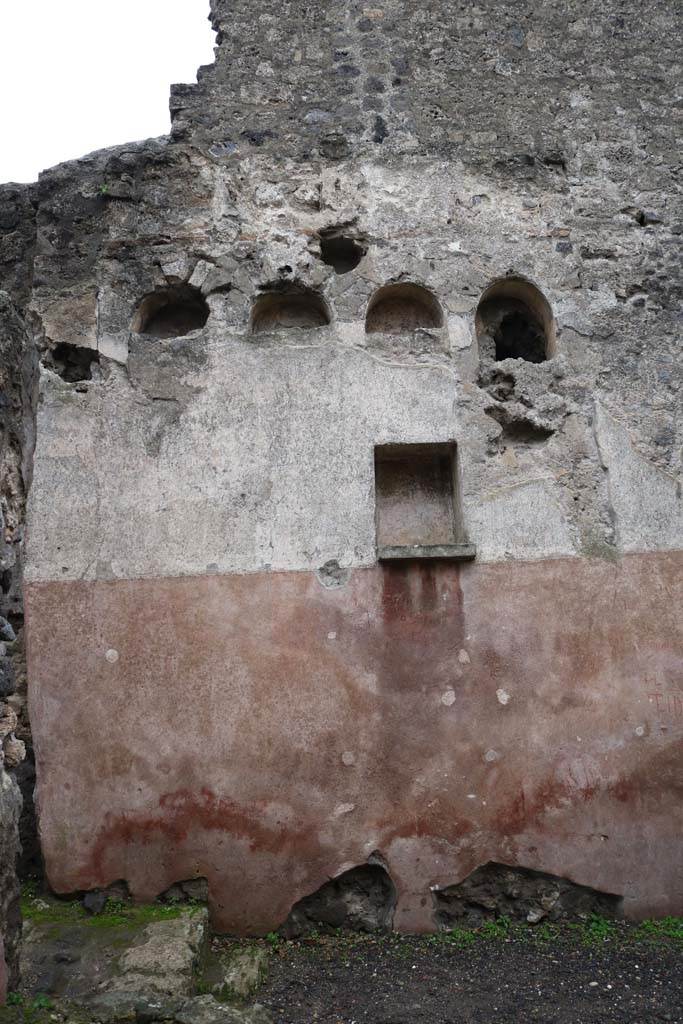
II.2.3 Pompeii. December 2005. South wall, with doorways to small cubiculum, on left, room 3 and atrium both of II.2.2, on right.
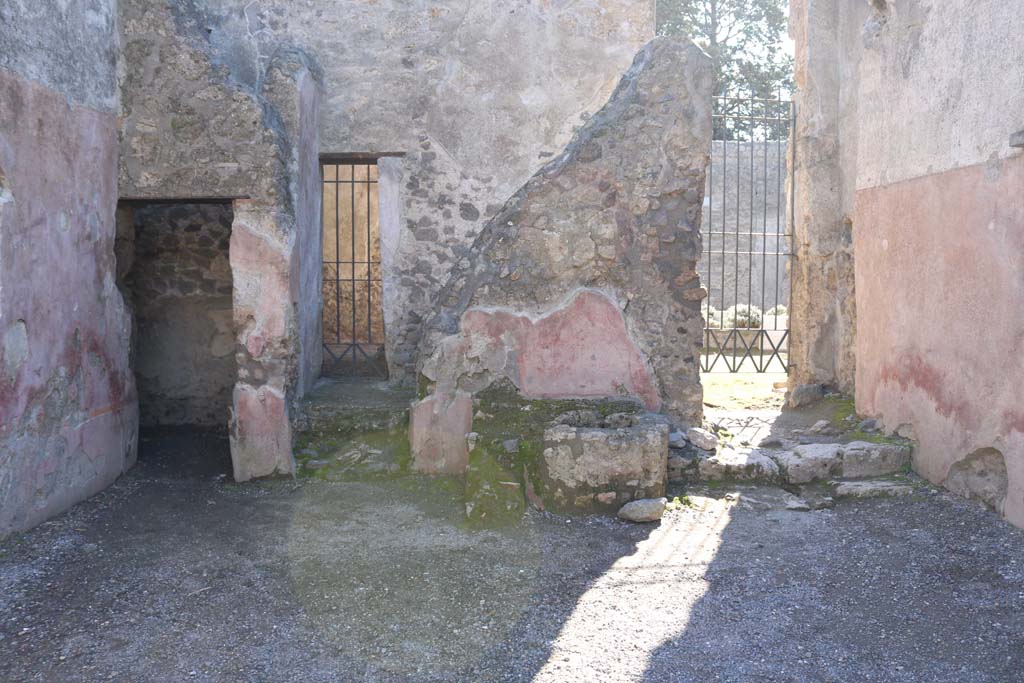
According to Eschebach, near the rear wall are two steps leading to the stairs to upper floor.
Under the stairs would have been the cistern mouth.
See Eschebach, L., 1993. Gebäudeverzeichnis und Stadtplan der antiken Stadt Pompeji. Köln: Böhlau. (p.89)

II.2.3 Pompeii. October 2017. Looking east
along south wall towards south-east corner and doorway to cubiculum, on left.
Foto Taylor Lauritsen, ERC
Grant 681269 DÉCOR.
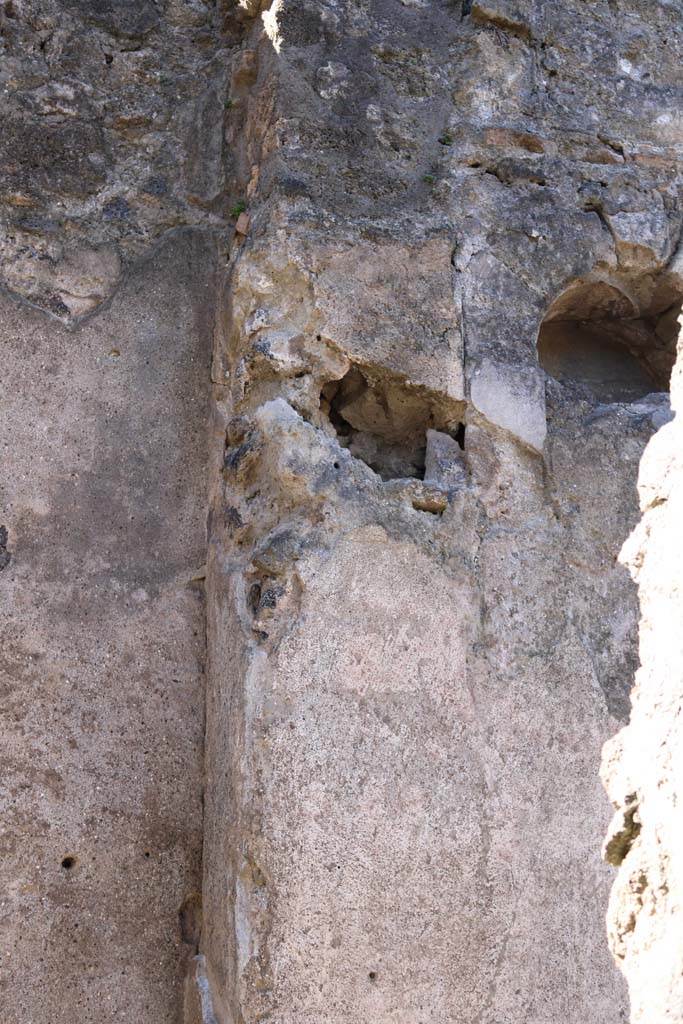
II.2.3 Pompeii. December 2018.
Looking towards south wall and cistern mouth under the
stairs to the upper floor. Photo courtesy of Aude Durand.
II.2.3 Pompeii. December 2005. Cistern mouth under the stairs to the upper floor.
II.2.3 Pompeii. December 2018. Looking towards south wall
and south-west corner. Photo courtesy of Aude Durand.
II.2.3 Pompeii. December 2018.
Looking towards
south-west corner and west wall from entrance doorway. Photo courtesy of Aude Durand.
II.2.3 Pompeii. September 2018.
Looking towards west wall from entrance doorway. Photo courtesy of Aude Durand.

II.2.3 Pompeii. November 2024.
South end of west wall of bar-room, with niches. Photo courtesy of Annette Haug.

II.2.3 Pompeii.
December 2018. South end of west wall with niches. Photo courtesy of Aude Durand.

II.2.3 Pompeii. September 2018.
Detail from south
end of west wall. Photo
courtesy of Aude Durand.
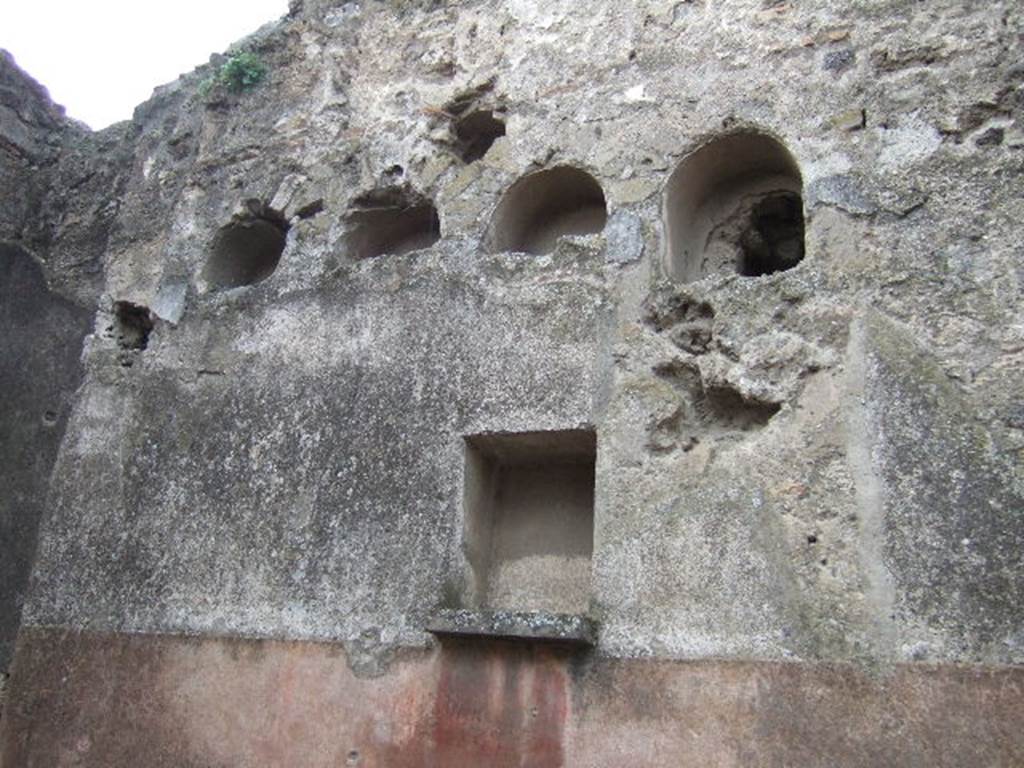
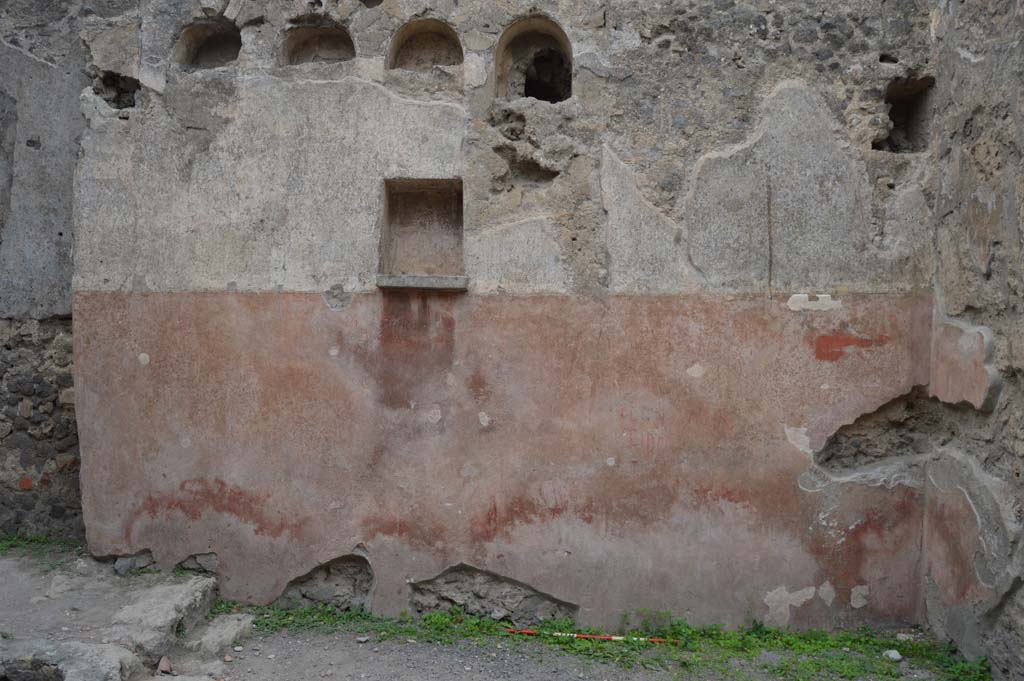
II.2.3 Pompeii.
December 2018. West wall with niches. Photo
courtesy of Aude Durand.

II.2.3 Pompeii. October 2017. Looking towards
west wall with niches.
Foto Taylor Lauritsen, ERC Grant 681269 DÉCOR.
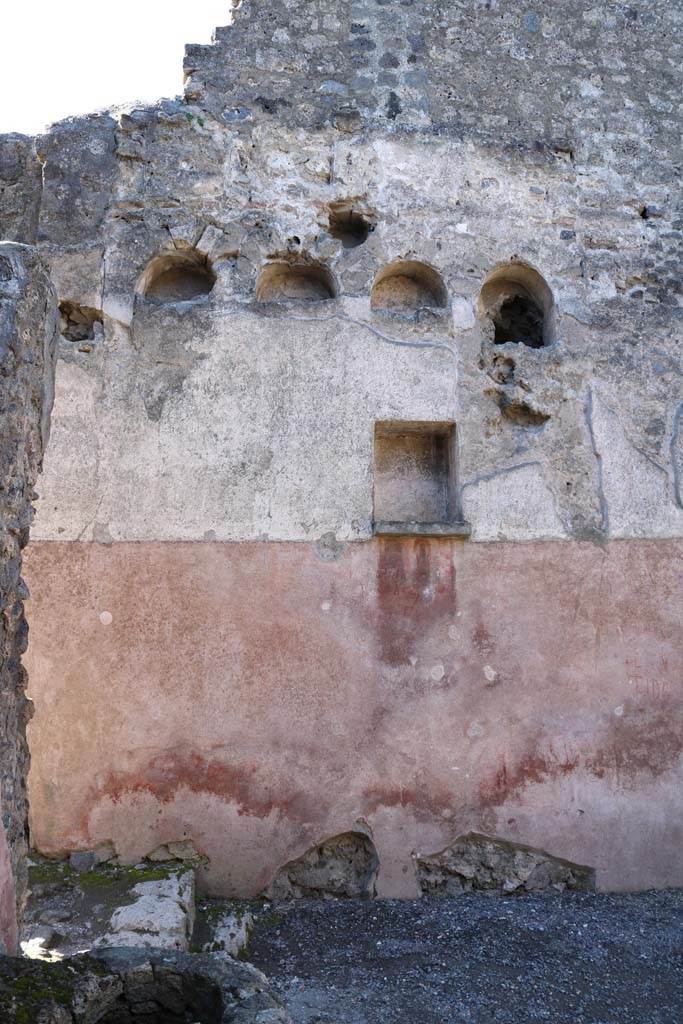
II.2.3
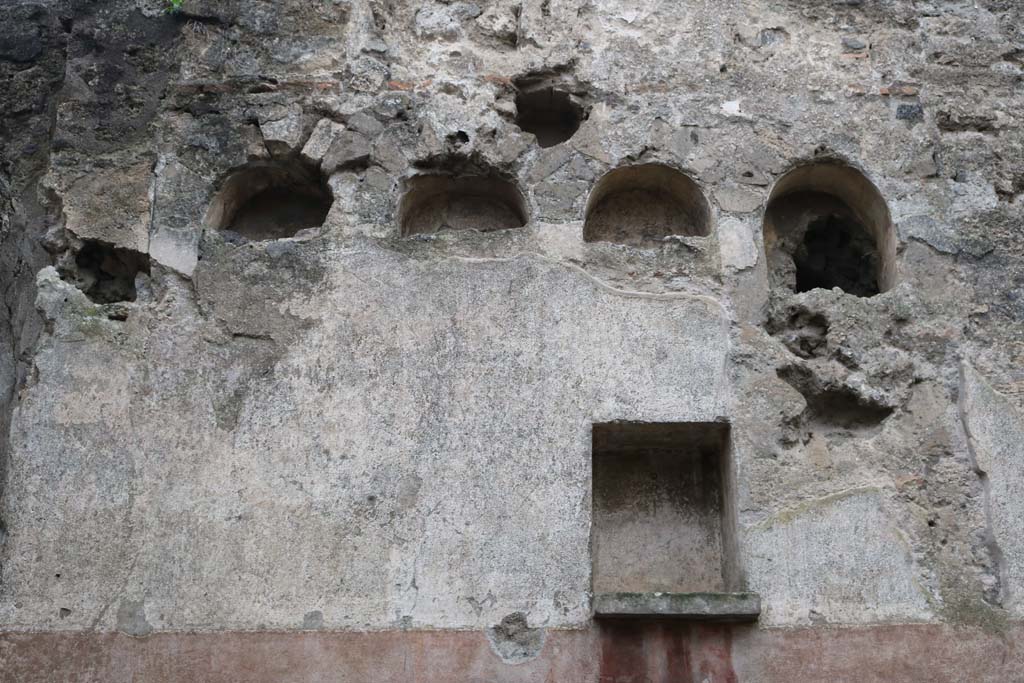
Pompeii. December 2018. Upper west wall with niches. Photo courtesy of Aude Durand.

II.2.3 Pompeii. December 2018. Niches set into upper west
wall. Photo courtesy of Aude Durand.
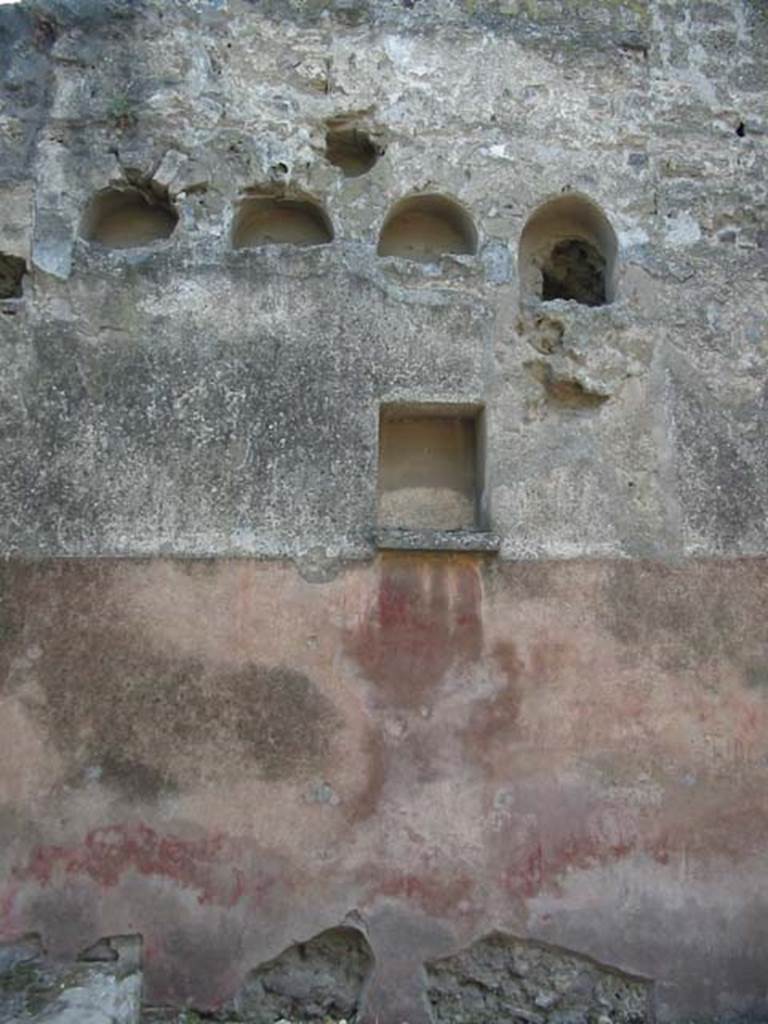
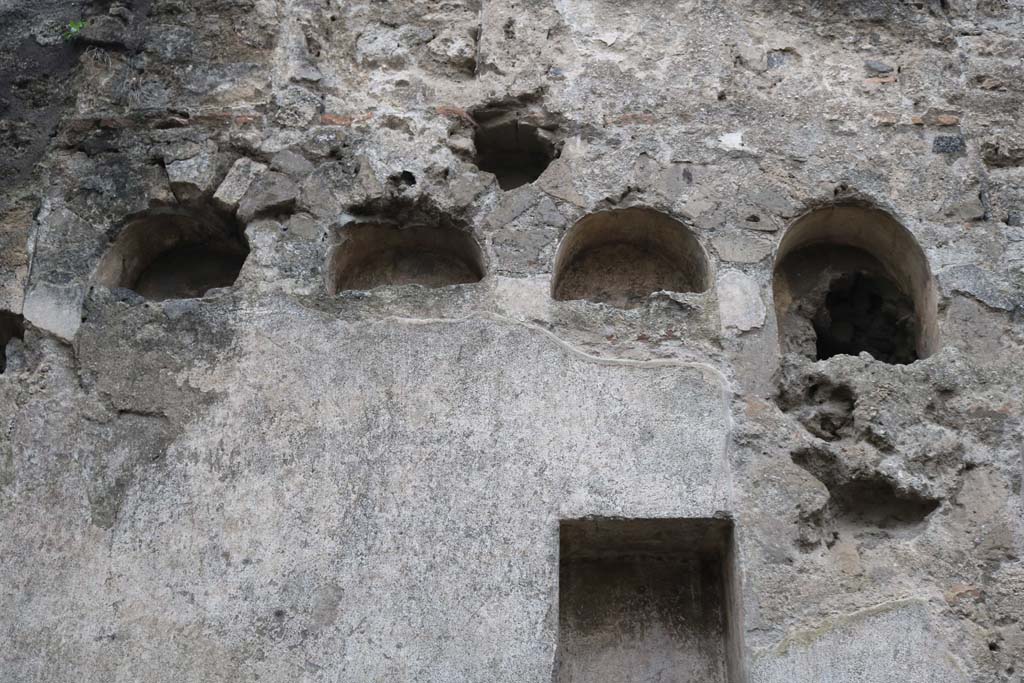
II.2.3 Pompeii.
December 2018. Niches set into upper west wall at south end. Photo courtesy of Aude Durand.
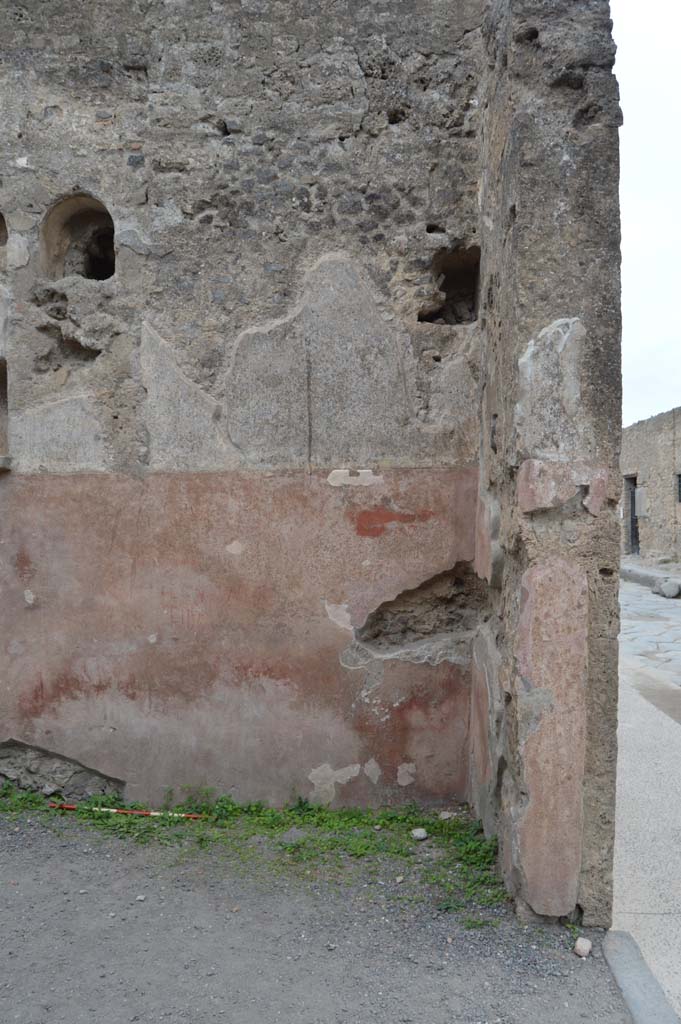
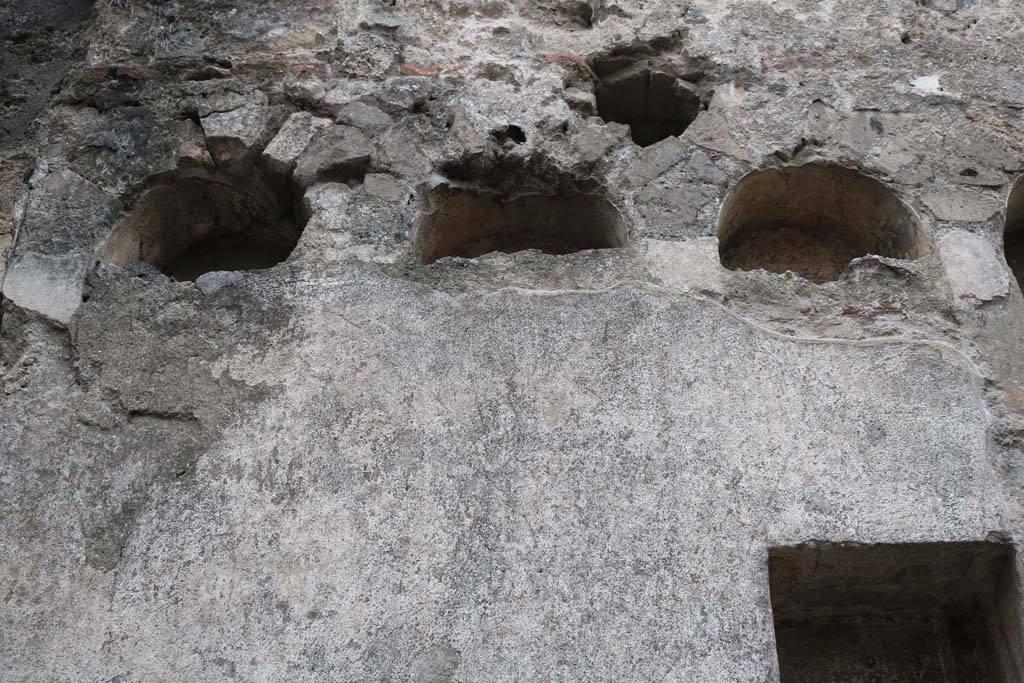
II.2.3 Pompeii.
December 2018. Detail of niches set into upper west wall at north end. Photo courtesy of Aude Durand.

II.2.3 Pompeii. December 2018. Square niche set into west
wall. Photo courtesy of Aude Durand.

II.2.3 Pompeii. December 2005. West wall looking south.

II.2.3 Pompeii. December 2005. West wall with niche.

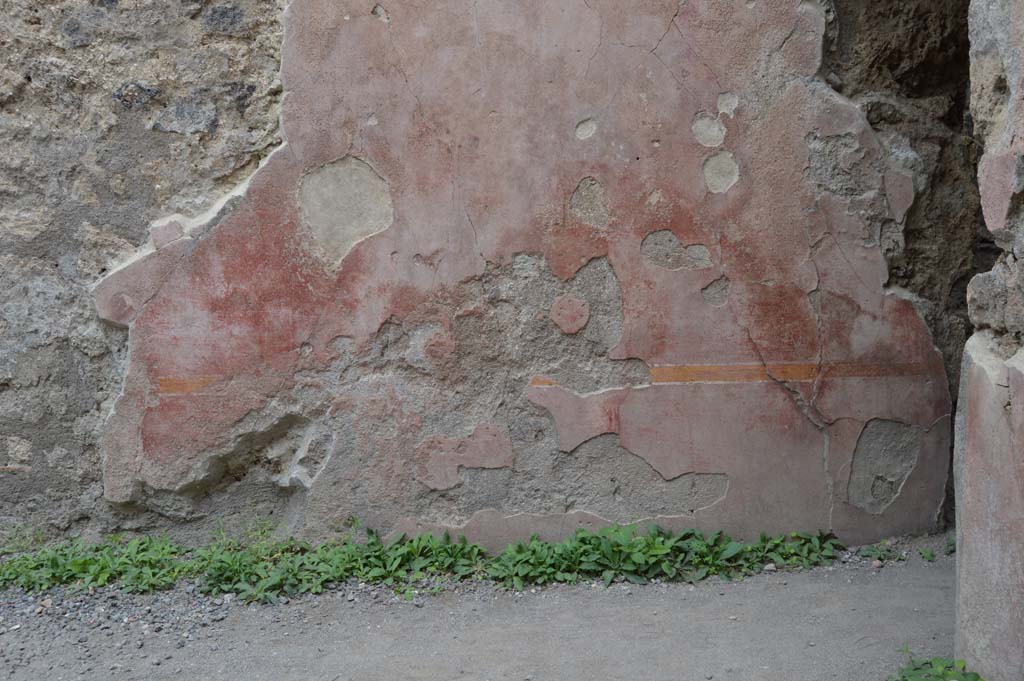
II.2.3 Pompeii. September 2018.
West wall with
remains of coloured zoccolo (dado) and niches. Photo courtesy of Aude Durand.

II.2.3 Pompeii. May 2003.
West wall with remains of coloured zoccolo (dado) and niches. Photo courtesy of Nicolas Monteix.

Looking
towards west wall in north-west corner, with entrance doorway onto Via
dell’Abbondanza, on right.
Foto Taylor Lauritsen, ERC Grant 681269 DÉCOR.