11011 p9


        PompeiiinPictures

   Home     Pompeii Plan    Regio I    Regio II    Regio III    Regio IV    Regio V    Regio VI    Regio VII    Regio VIII    Regio IX

   I.1    I.2    I.3    I.4    I.5    I.6    I.7    I.8    I.9    I.10    I.11    I.12    I.13    I.14    I.15    I.16    I.17    I.18    I.19    I.20    I.21    I.22    I.23


I.10.11 Pompeii. Casa degli Amanti or House of the Lovers or Casa di Tiberius-Claudius Eulogus.

Linked to I.10.10. Excavated 1933.
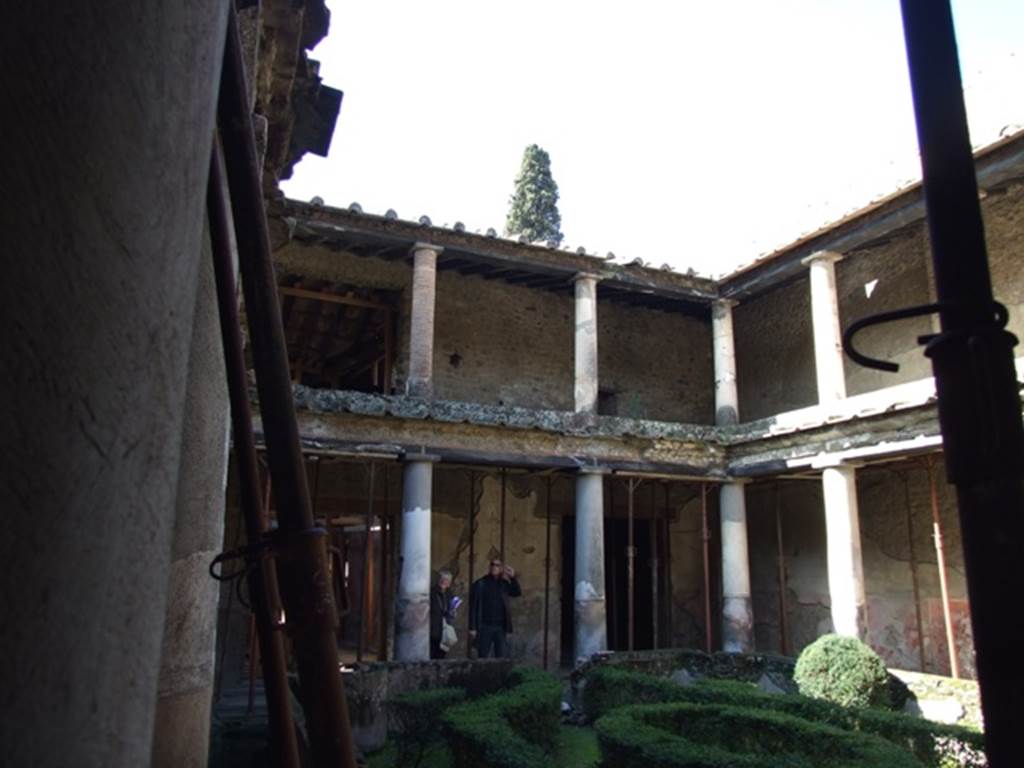
Part 9.                                       Part 10


Part 11      Part 12      Part 13      Part 1      Part 2       Part 3       Part 4        Part 5


Part 6       Part 7       Part 8      Plan (Opens in a separate window)     


I.10.11 Pompeii.  March 2009.  Room 12.  Cubiculum.  East wall.  Upper part.

I.10.11 Pompeii. March 2009. Room 12, upper part of east wall of cubiculum.


I.10.11 Pompeii.  March 2009.  Room 12.  Cubiculum.  East wall.  Upper part.  Painting of goat.

I.10.11 Pompeii. March 2009.

Room 12, painting of a goat from upper part of east wall of cubiculum. 


I.10.11 Pompeii.  March 2009.  Room 12.  Cubiculum.  East wall.  Upper part.

I.10.11 Pompeii. March 2009. Room 12, upper part of east wall of cubiculum.   


I.10.11 Pompeii.  March 2009.  Room 12.  Cubiculum.  East wall.  Upper part.  Painting of panther.

I.10.11 Pompeii. March 2009.

Room 12, painting of panther from upper part of east wall of cubiculum. 


I.10.11 Pompeii.  March 2009.  Room 12.  Cubiculum.  South wall.  Ancient hole in centre.

I.10.11 Pompeii. March 2009. Room 12, ancient hole in centre of south wall of cubiculum. 


I.10.11 Pompeii.  March 2009.  Room 12.  Cubiculum.  South wall.  East end.  Painting of an eagle.

I.10.11 Pompeii. March 2009.

Room 12, painting of an eagle from east end of south wall of cubiculum. 


I.10.11 Pompeii.  March 2009.  Room 12.  Cubiculum.  South wall.  Centre.  Landscape painting.

I.10.11 Pompeii. March 2009.

Room 12, landscape painting from centre of south wall of cubiculum. 


I.10.11 Pompeii.  March 2009.  Room 12.  Cubiculum.  South wall.  West end.  Painting of a swan.

I.10.11 Pompeii. March 2009.

Room 12, painting of a swan from west end of south wall of cubiculum. 


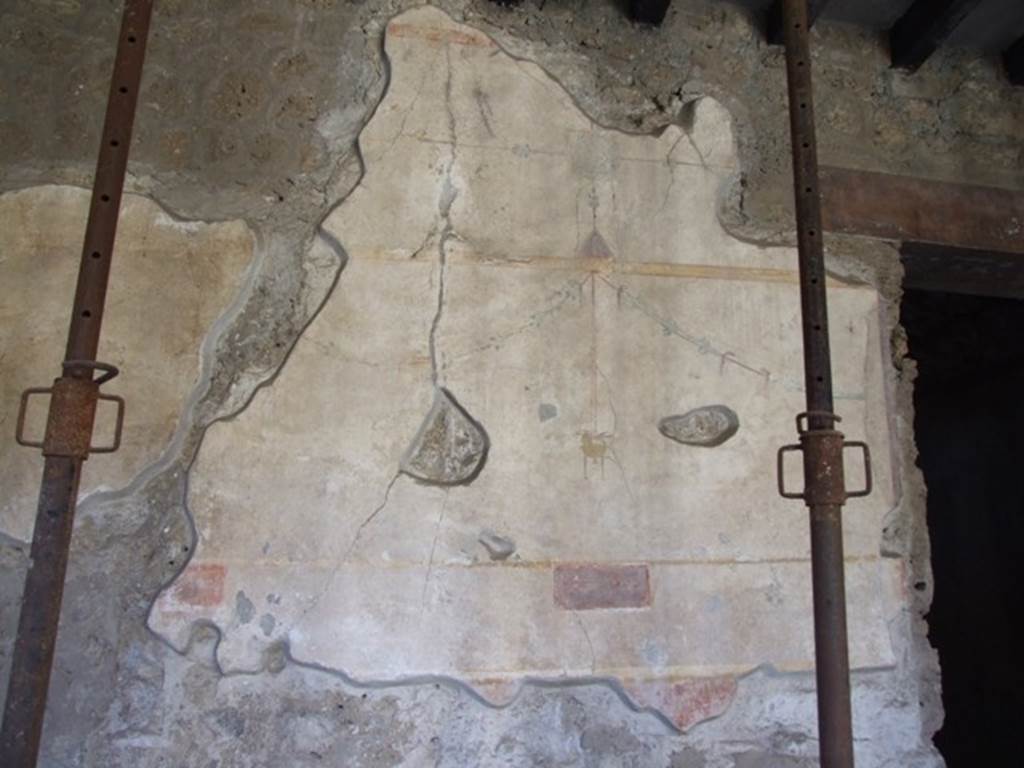
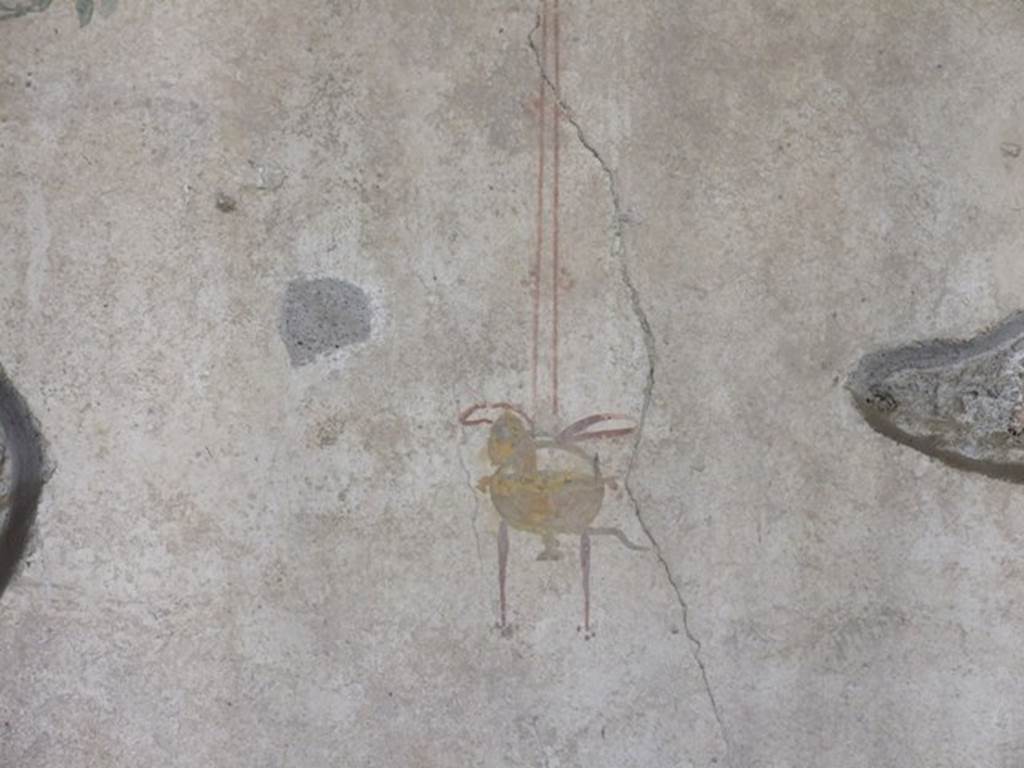
I.10.11 Pompeii.  March 2009.  Room 12.  Cubiculum.  South wall.  Upper part.  Painting of a goat.

I.10.11 Pompeii. March 2009.

Room 12, painting of a goat from upper part of south wall of cubiculum. 


I.10.11 Pompeii. March 2009. Room 12, south-west corner of cubiculum, with doorway in west wall to peristyle.

I.10.11 Pompeii. March 2009.

Room 12, south-west corner of cubiculum, with doorway in west wall to peristyle. 


I.10.11 Pompeii.  March 2009.  Room 12.  Cubiculum.  West wall.  Centre above door.  Painting of a goat? and mask.

I.10.11 Pompeii. March 2009.

Room 12, painting of a goat? and mask, from upper centre above doorway in west wall of cubiculum. 


I.10.11 Pompeii.  March 2009.  Room 12.  Cubiculum.  West wall.

I.10.11 Pompeii. March 2009. Room 12, west wall of cubiculum, with doorway to peristyle. 


I.10.11 Pompeii.  March 2009.  Room 12.  Cubiculum.  Patterned floor.

I.10.11 Pompeii. March 2009. Room 12, patterned floor in cubiculum. 


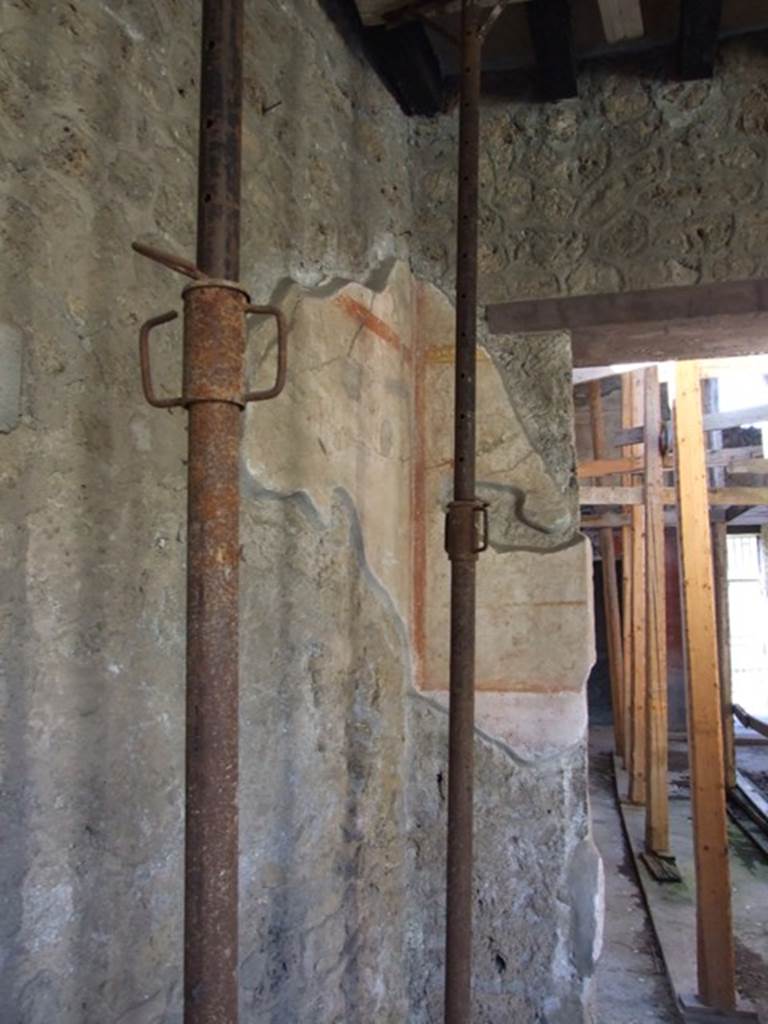
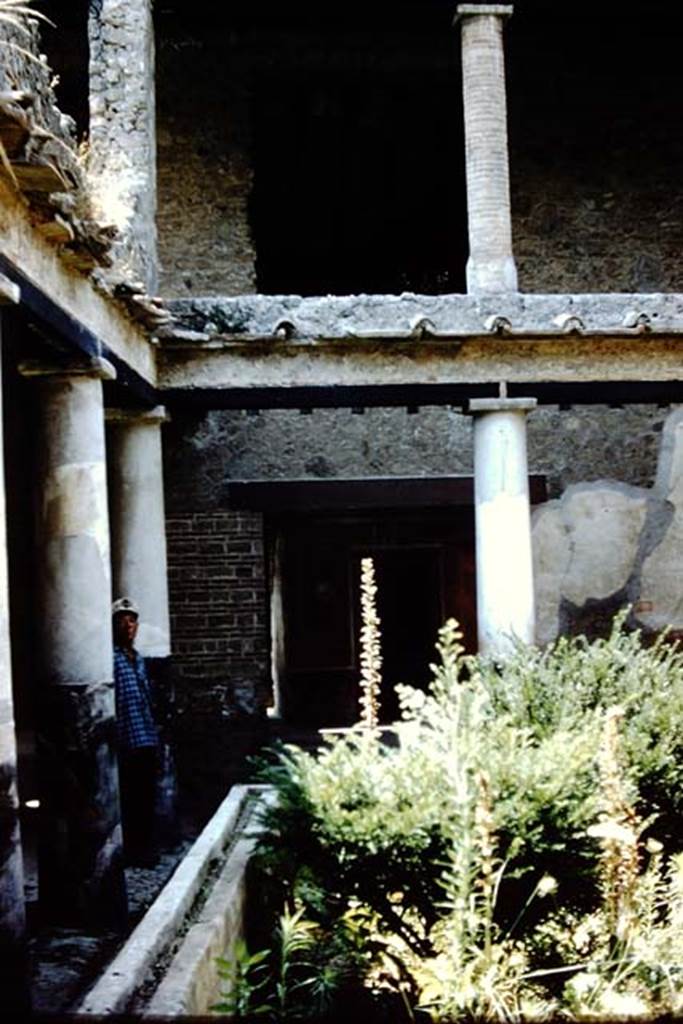
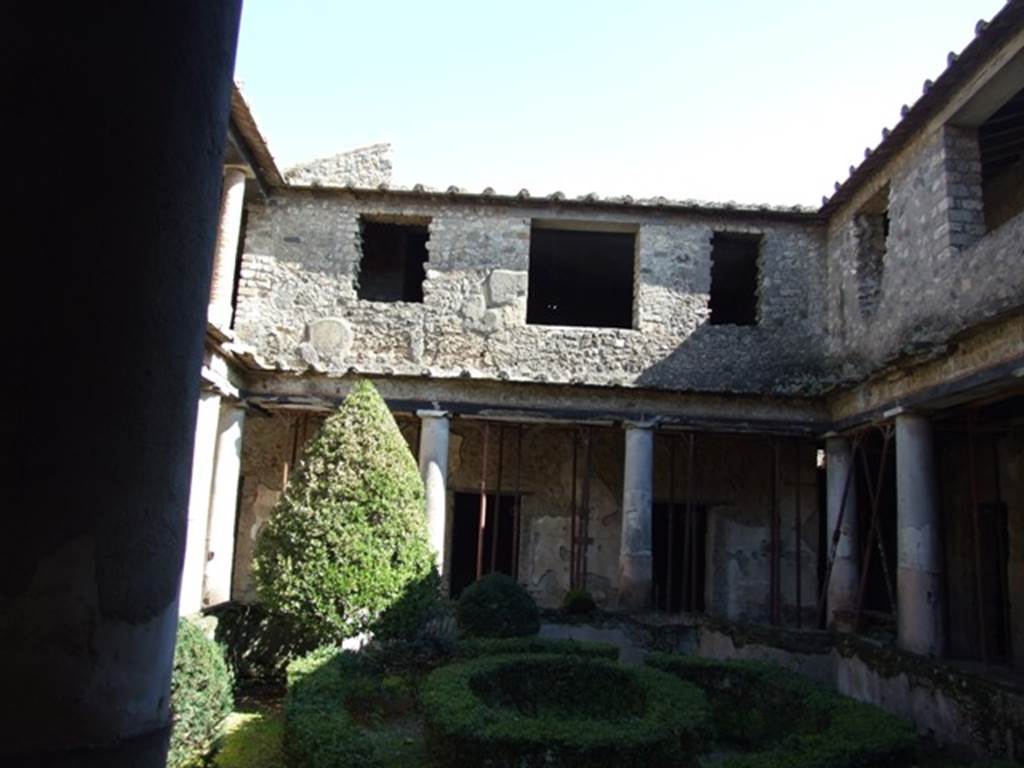
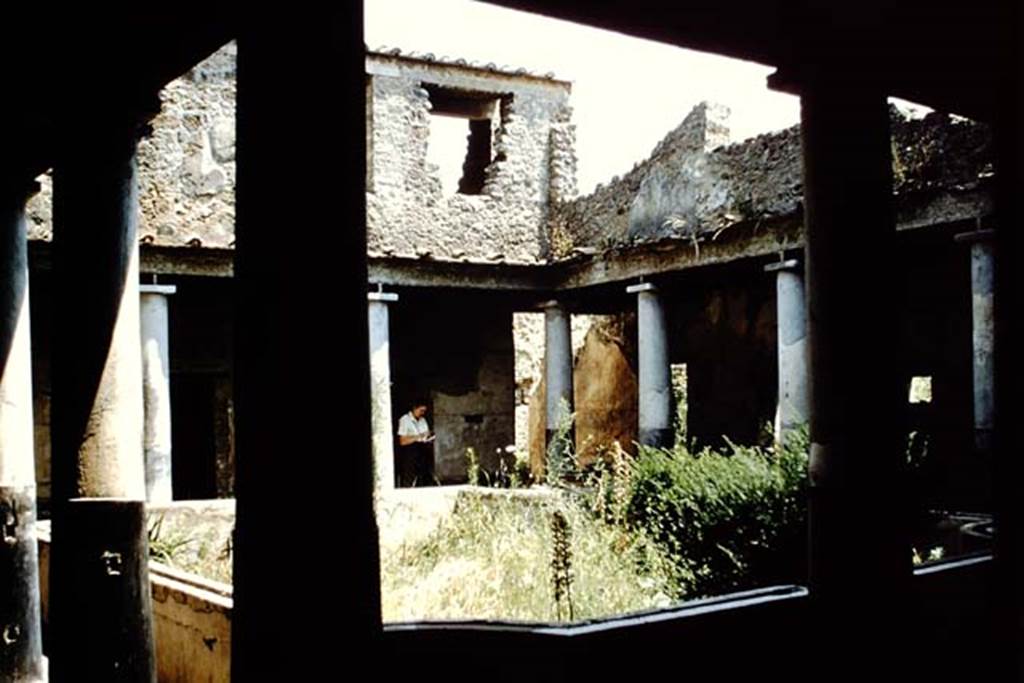
I.10.11 Pompeii. March 2009. Room 10, looking south along east wall of peristyle. On the left is the wall plaster between rooms 12 and 13.  
In the middle of the photo would be the wall south of room 13, where the well-known graffito CIL IV 8408 a-c comes from. This graffito, also on a “violet” panel with paintings of ducks is shown in the photos below the one underneath.

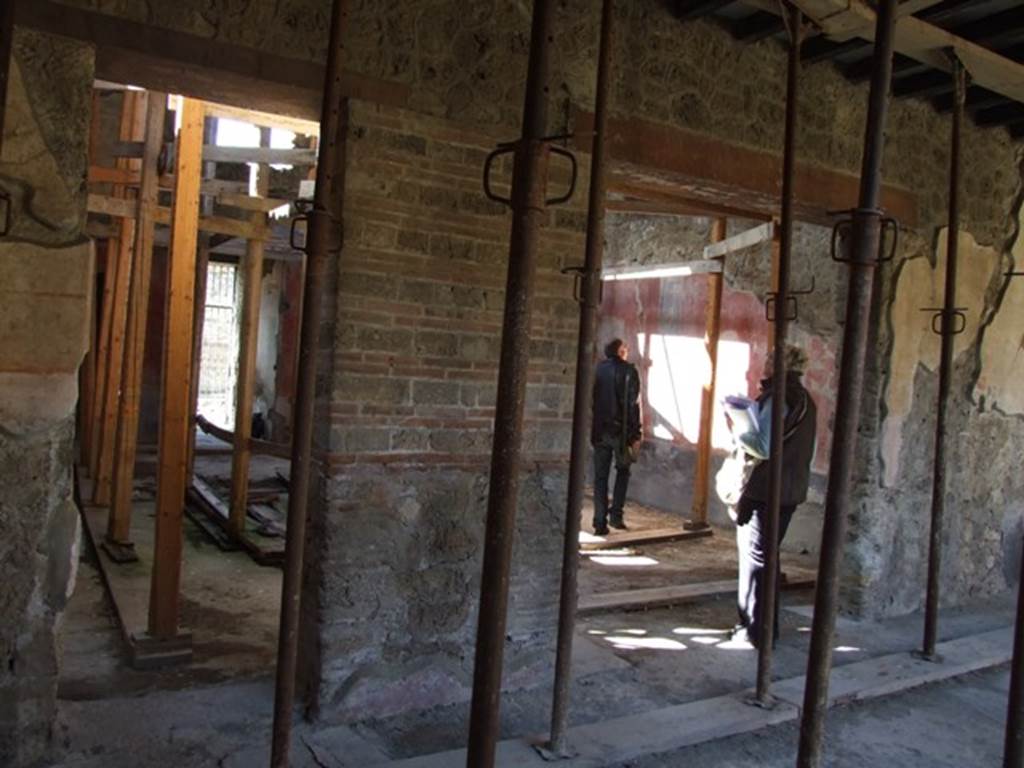
I.10.11 Pompeii. March 2009. Room 10, looking south along east wall of peristyle.

On the left is the wall plaster between rooms 12 and 13, with painted panel of ducks, see photo immediately below. 

In the middle of the photo would be the wall south of room 13, where the well-known graffito CIL IV 8408 a-c comes from.

This graffito, also on a “violet” panel with paintings of ducks is shown in the two photos below the one underneath.


I.10.11 Pompeii. March 2009. Room 10, painting of ducks on violet panel from east wall of peristyle, between room 12 and room 13.

I.10.11 Pompeii. March 2009.

Room 10, painting of ducks on violet panel from east wall of peristyle, between room 12 and room 13. 


I.10.11 Pompeii. March 2009. Room 10, east wall of peristyle, on south side of doorway to room 13.  Painting of ducks with graffito.  CIL IV 8408 a-c.
“Amantes ut apes vitam melitam exigent.” (Lovers, like bees, make life as sweet as honey). See Bragantini, de Vos, Badoni, 1981. Pitture e Pavimenti di Pompei, Parte 1. Rome: ICCD. (p.144-145)

I.10.11 Pompeii. March 2009.

Room 10, east wall of peristyle, on south side of doorway to room 13. 

Painting of ducks with graffito.  CIL IV 8408 a-c.

“Amantes ut apes vitam melitam exigent.” (Lovers, like bees, make life as sweet as honey).

See Bragantini, de Vos, Badoni, 1981. Pitture e Pavimenti di Pompei, Parte 1. Rome: ICCD. (p.144-145)


I.10.11 Pompeii. March 2009. Room 10, east wall of peristyle from south side of door to room 13.  Violet panel of painting of ducks with graffito.  CIL IV 8408 a-c. “Amantes ut apes vitam melitam exigent.” (Lovers, like bees, make life as sweet as honey).
 According to Epigraphik-Datenbank Clauss/Slaby (See www.manfredclauss.de), CIL IV 8408 a-c reads as -
Amantes ut apes vita(m) mellita(m) exigunt       [CIL IV 8408a]
Velle       [CIL IV 8408b]
Amantes amantes cureges      [CIL IV 8408c]
Also found on the east wall of the peristyle on the south side of room 13, on a white background near a painted garland, was CIL IV 8405.
See Bragantini, de Vos, Badoni, 1981. Pitture e Pavimenti di Pompei, Parte 1. Rome: ICCD. (p.144)
According to Epigraphik-Datenbank Clauss/Slaby (See www.manfredclauss.de), CIL IV 8405 read as –
C(aius) Ann(a)eus 
Capito 
eq(ues) coh(ortis) X pr(aetoriae) 
c(enturia) Grati                            [CIL IV 8405] 
According to Cooley, graffito CIL IV 8405 was found to the right of a doorway to a bedroom, and translates as –
Gaius  Annaeus Capito, cavalryman of the 10th praetorian cohort, Gratus’ unit.
See Cooley, A. and M.G.L., 2004. Pompeii : A Sourcebook. London : Routledge. (p.177)

I.10.11 Pompeii. March 2009.

Room 10, east wall of peristyle from south side of door to room 13. 

Violet panel of painting of ducks with graffito.  CIL IV 8408 a-c.

“Amantes ut apes vitam melitam exigent.” (Lovers, like bees, make life as sweet as honey).


According to Epigraphik-Datenbank Clauss/Slaby (See www.manfredclauss.de), CIL IV 8408 a-c reads as -

Amantes ut apes vita(m) mellita(m) exigunt       [CIL IV 8408a]

Velle       [CIL IV 8408b]

Amantes amantes cureges      [CIL IV 8408c]

Also found on the east wall of the peristyle on the south side of room 13, on a white background near a painted garland, was CIL IV 8405.

See Bragantini, de Vos, Badoni, 1981. Pitture e Pavimenti di Pompei, Parte 1. Rome: ICCD. (p.144)


According to Epigraphik-Datenbank Clauss/Slaby (See www.manfredclauss.de), CIL IV 8405 read as –

C(aius) Ann(a)eus

Capito

eq(ues) coh(ortis) X pr(aetoriae)

c(enturia) Grati                            [CIL IV 8405]


According to Cooley, graffito CIL IV 8405 was found to the right of a doorway to a bedroom, and translates as –

Gaius  Annaeus Capito, cavalryman of the 10th praetorian cohort, Gratus’ unit.

See Cooley, A. and M.G.L., 2004. Pompeii : A Sourcebook. London : Routledge. (p.177)


Part 10


Part 11      Part 12      Part 13      Part 1      Part 2       Part 3       Part 4        Part 5


Part 6       Part 7       Part 8      Plan (Opens in a separate window)