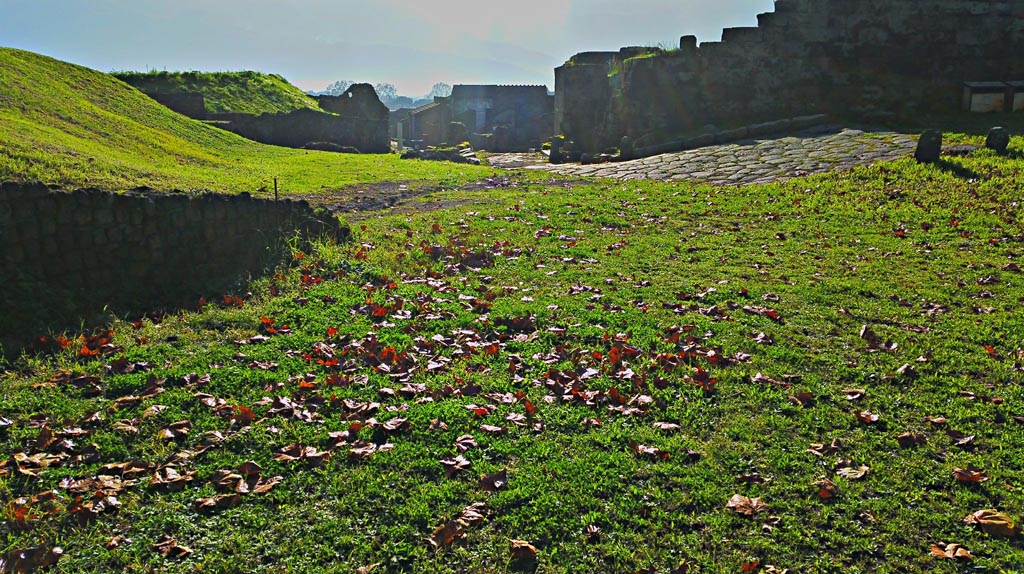
Pompeii. Porta del Vesuvio or
Vesuvian Gate.
Excavated 1811 and 1905.
Part 2 Part 1
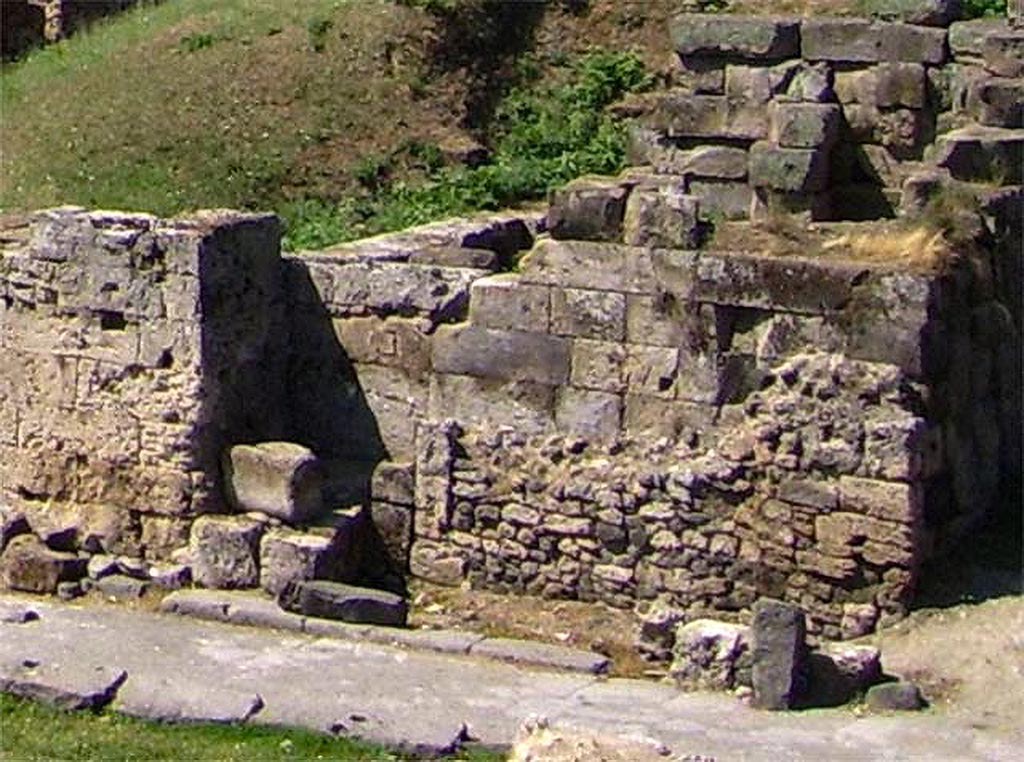
Vesuvian Gate Pompeii. May 2006.
Behind area C at north-west corner of lower area of gate is a hollow rectangular walled area, above it – the remains of a tower.
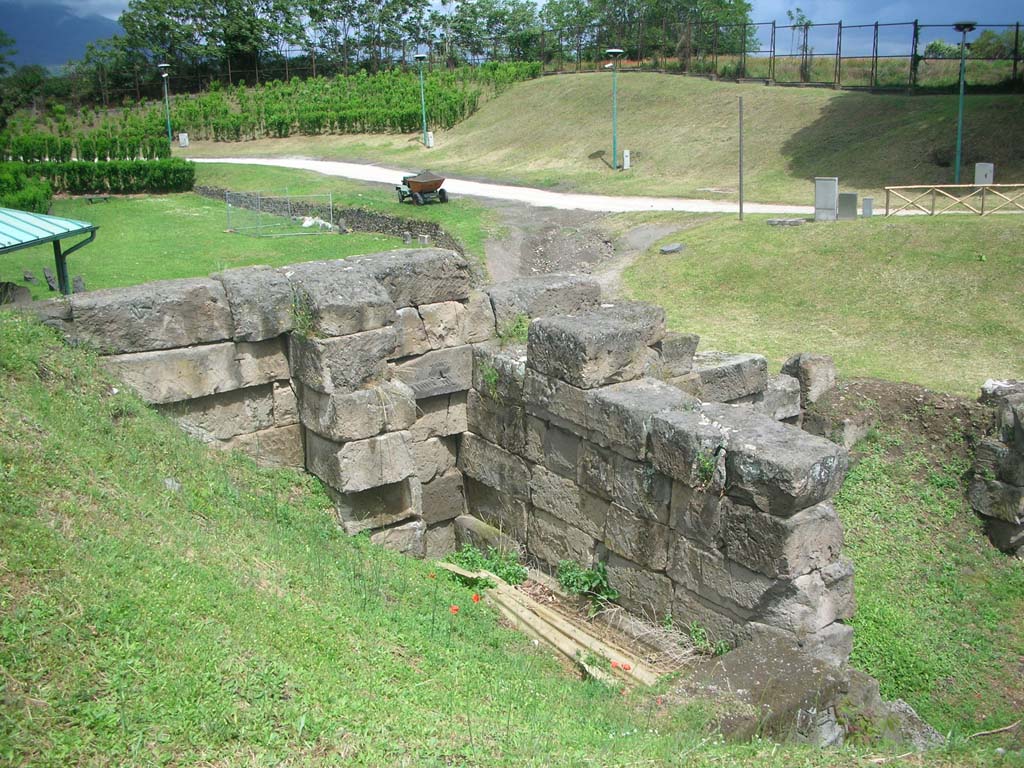
Vesuvian Gate Pompeii. May 2010. Looking north-east from upper area. Photo courtesy of Ivo van der Graaff.
According to Van der Graaff –
“The ornamental emphasis placed on the earliest gates finds a slight variation at the Porta Vesuvio because of its design (see Fig. 3.4).
Its bastions are set slightly aback from the outer curtain.
This layout created a double bastion on either side of the entrance – a circumstance undoubtedly related to its location in a weak area of the defences.
The gate was particularly vulnerable to attack because of its position on a natural downward slope in the terrain.
In an effort to strengthen the opening, engineers transformed the northwest tip of the gate into a tower. Today its remains are not immediately evident.
The southern and western facades are buried in the later agger, whereas the northern and eastern flanks are flush with the curtain wall.
Steps recovered in its southern side offered access to the building in its first phase.
The remains represent the only trace of a tower in the first Samnite circuit. Workers probably demolished it after the construction of Tower X slightly further west.”
See Van der
Graaff, I. (2018). The Fortifications of Pompeii and Ancient Italy.
Routledge, (p.54 and Fig. 3.4).
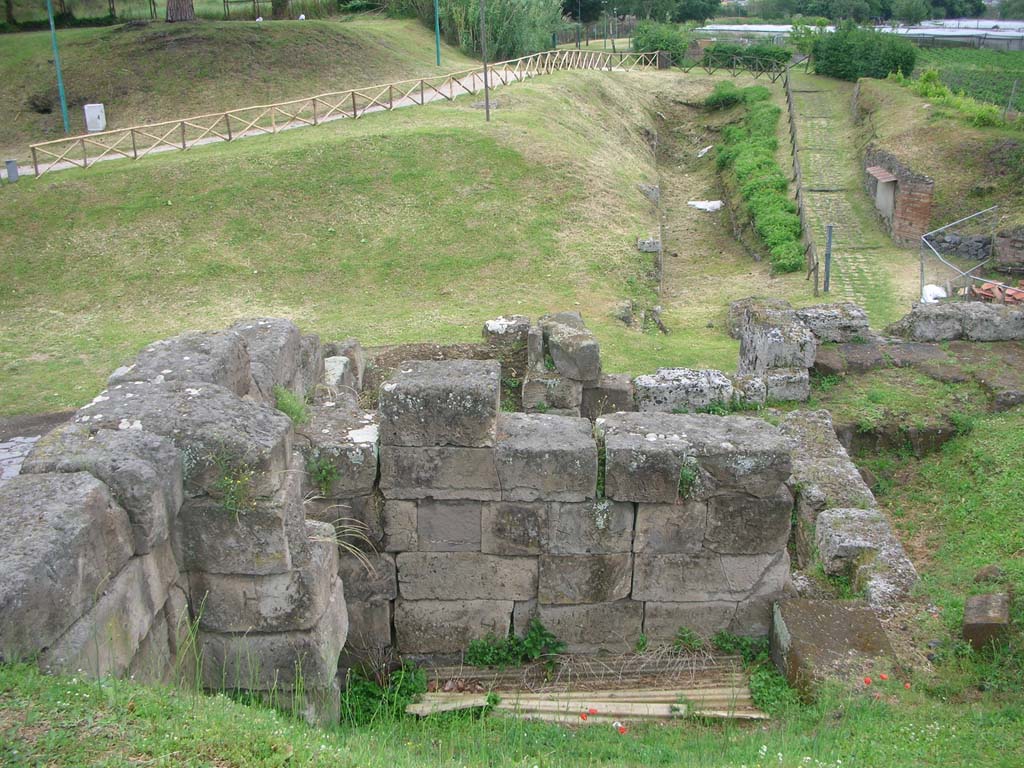
Vesuvian Gate Pompeii. May 2010. Looking east from upper area. Photo courtesy of Ivo van der Graaff.
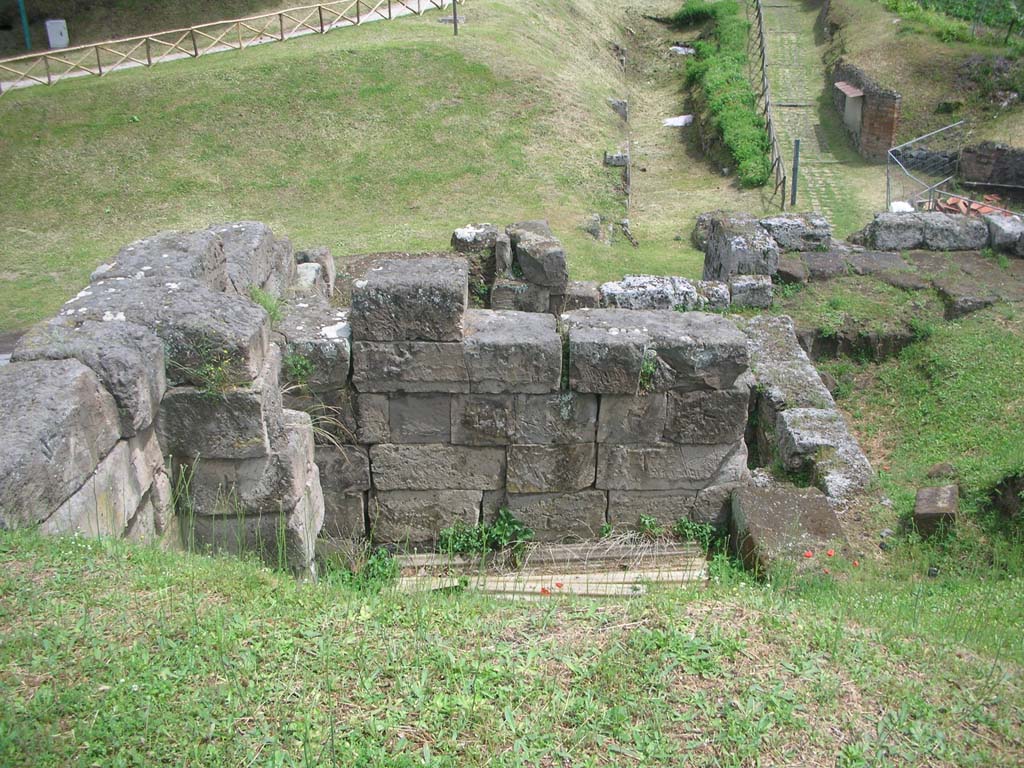
Vesuvian Gate, Pompeii. May 2010.
Looking across upper area towards city wall on east side of gate at north end. Photo courtesy of Ivo van der Graaff.
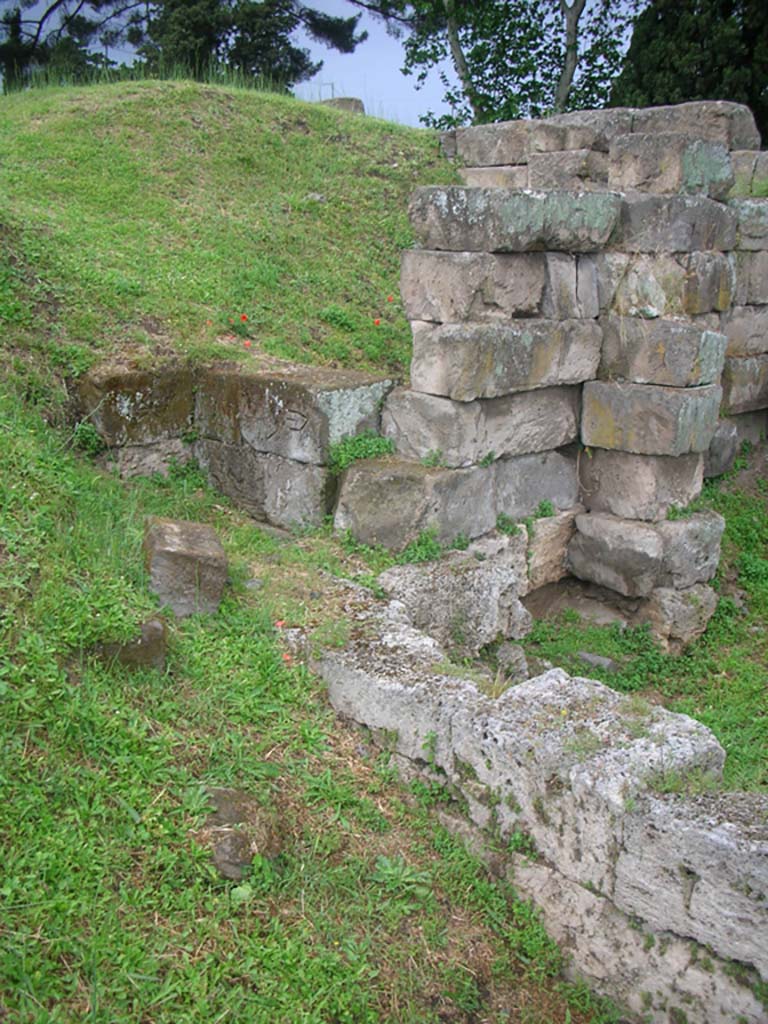
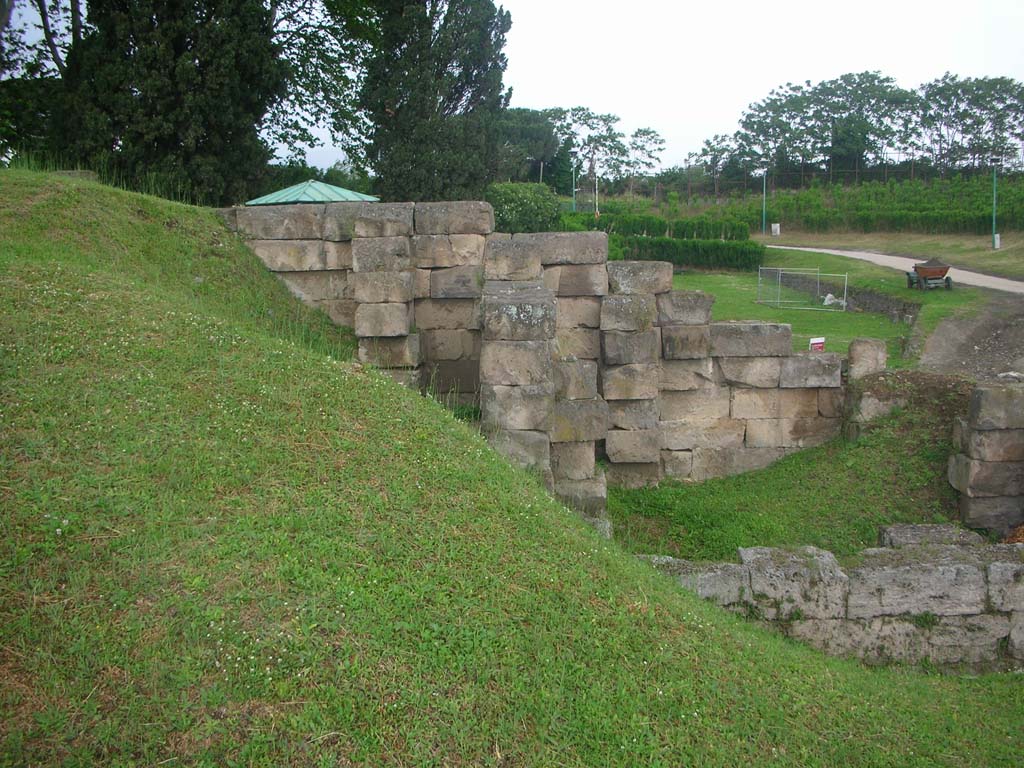
Vesuvian Gate, Pompeii. May 2010. Looking north from upper area towards area of tower. Photo courtesy of Ivo van der Graaff.
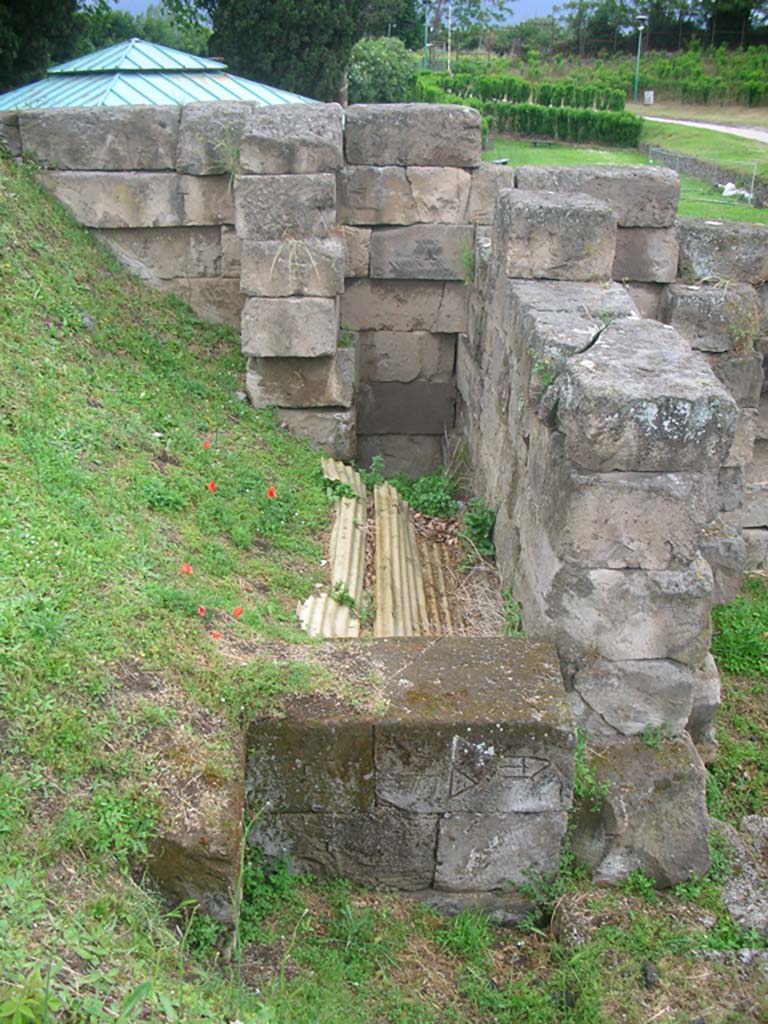
Vesuvian Gate, Pompeii. May 2010.
Looking north from upper area, with Mason’s marks, lower centre. Photo courtesy of Ivo van der Graaff.
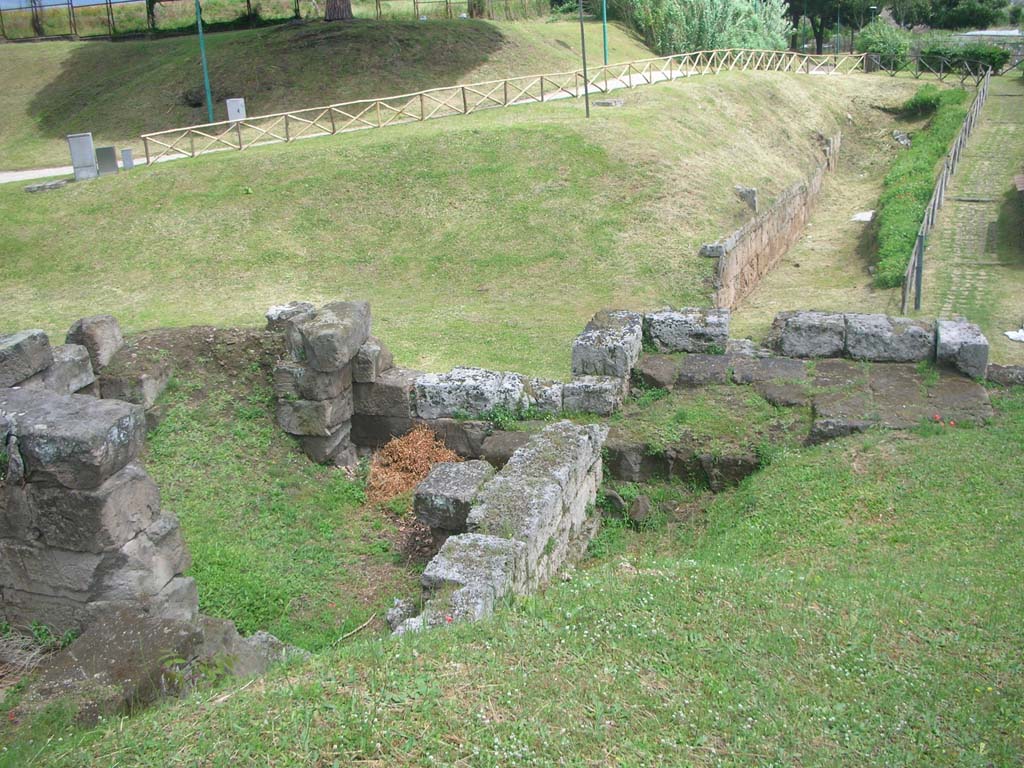
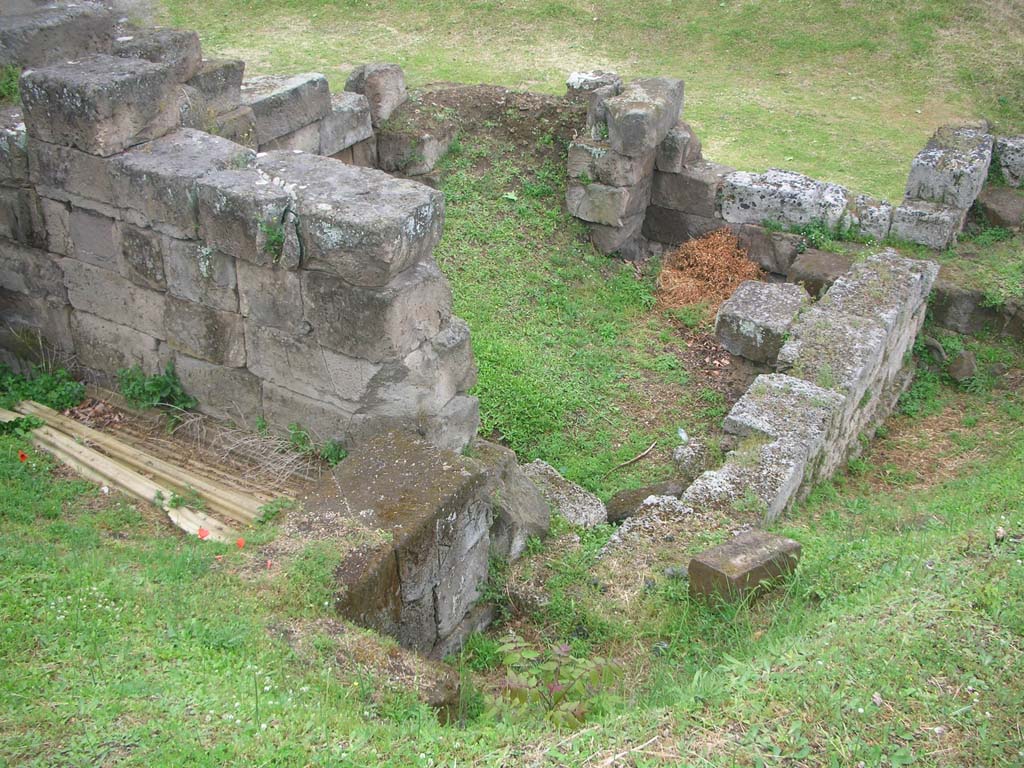
Vesuvian Gate Pompeii. May 2010. Site of tower, looking north-east in upper area. Photo courtesy of Ivo van der Graaff.
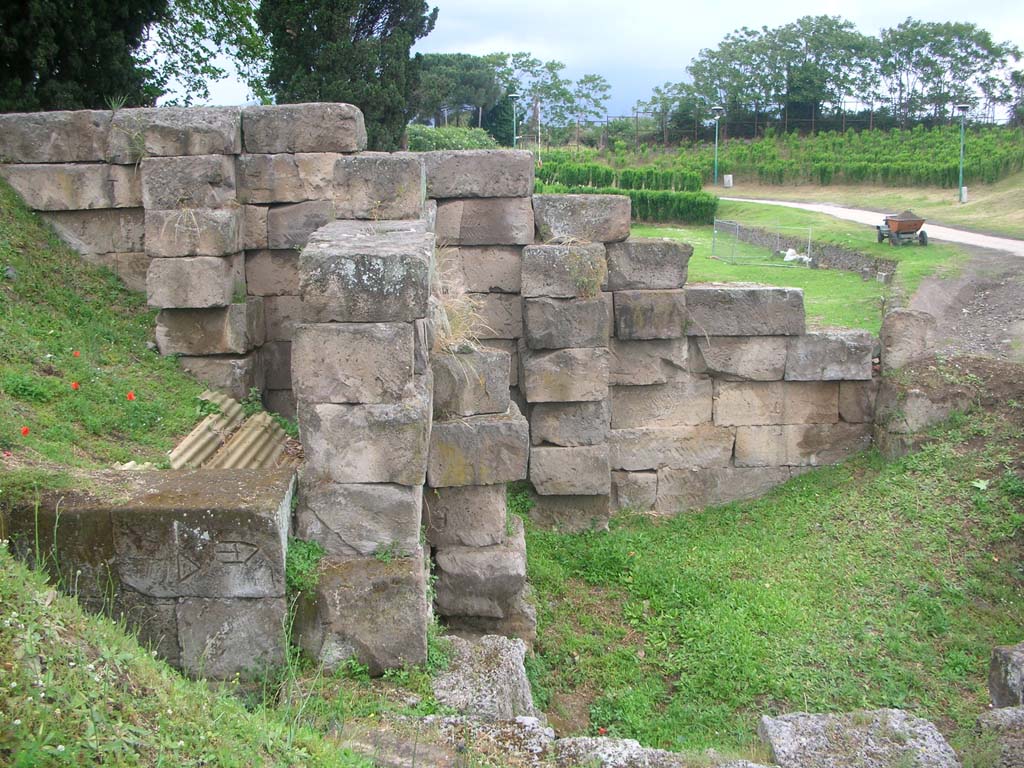
Vesuvian Gate, Pompeii. May 2010.
Looking north towards city wall on north side of Gate. Note the Mason’s marks, lower left. Photo courtesy of Ivo van der Graaff.
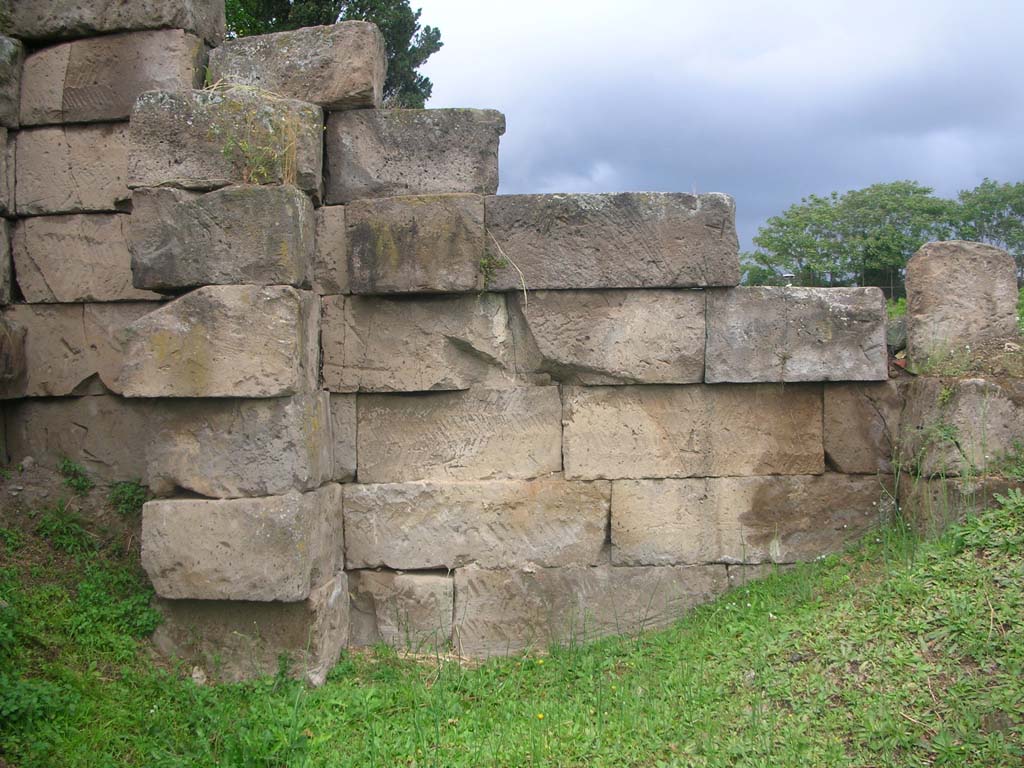
Vesuvian Gate, Pompeii. May 2010. Detail from north wall of tower/city wall in upper area. Photo courtesy of Ivo van der Graaff.
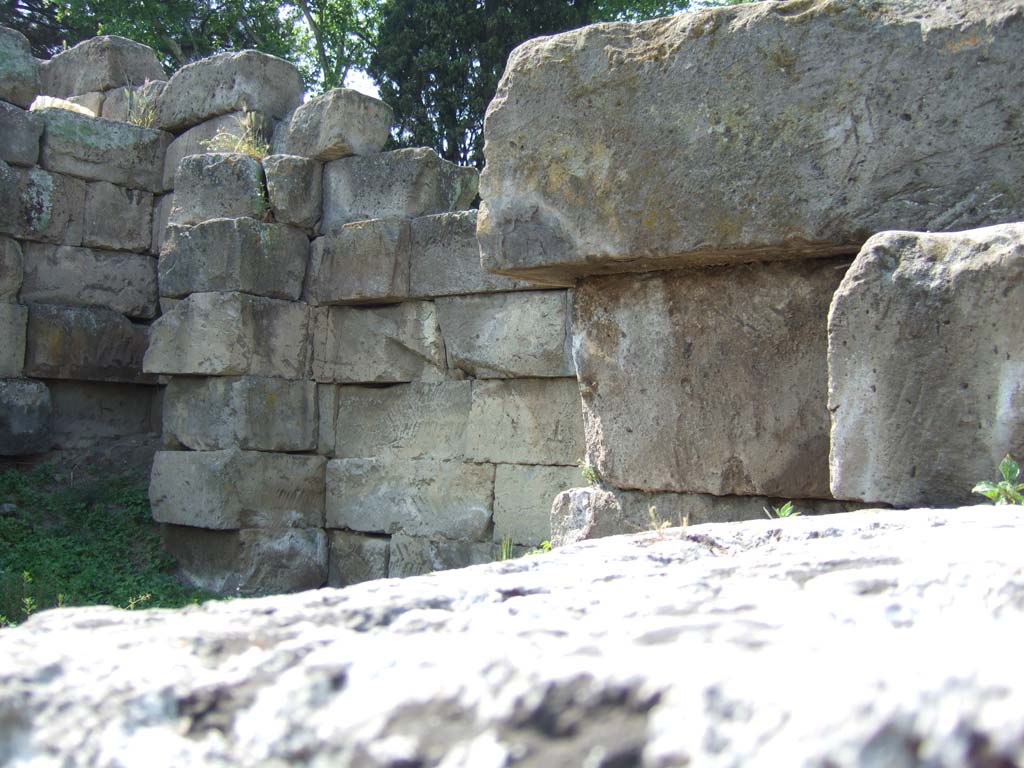
Vesuvian Gate Pompeii. May 2006. Looking towards north inside wall of walled area at north-west corner of gate.
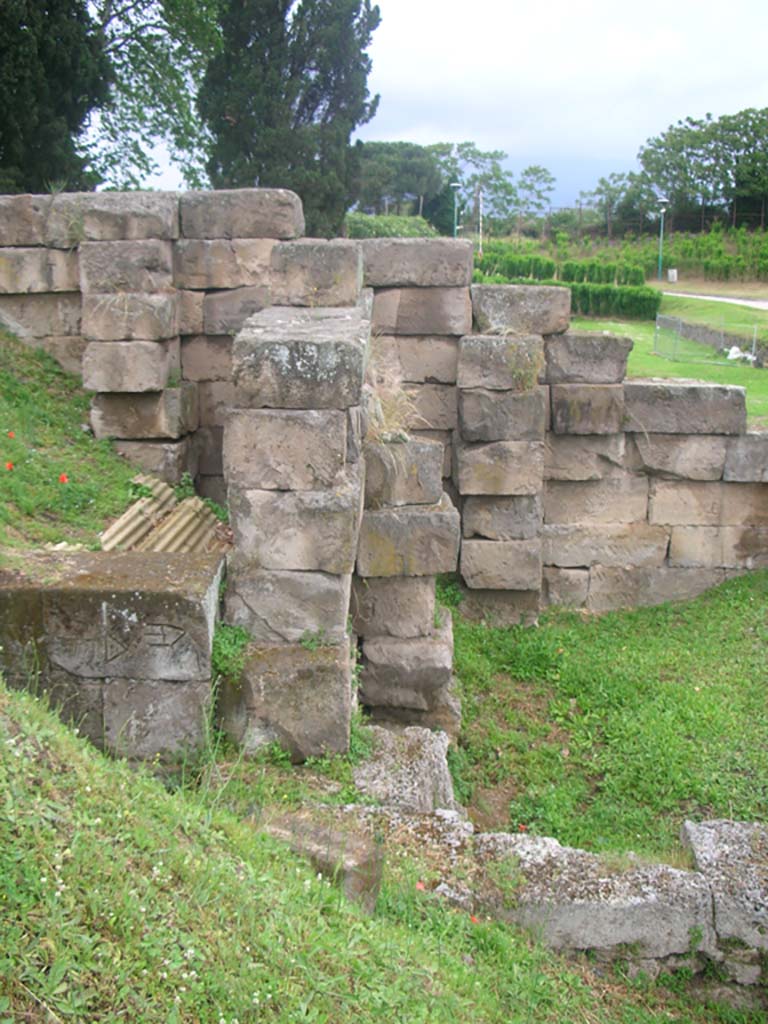
Vesuvian Gate Pompeii. May 2010. Looking north in upper area. Photo courtesy of Ivo van der Graaff.
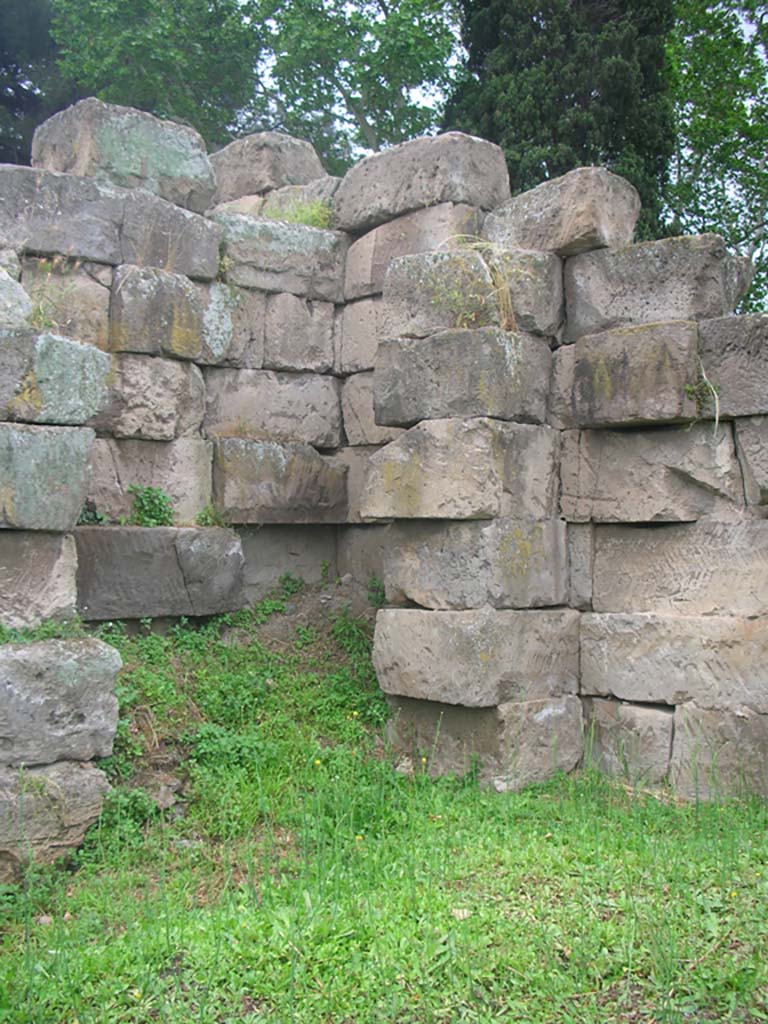
Vesuvian Gate Pompeii. May 2010. Looking north-west in upper area. Photo courtesy of Ivo van der Graaff.
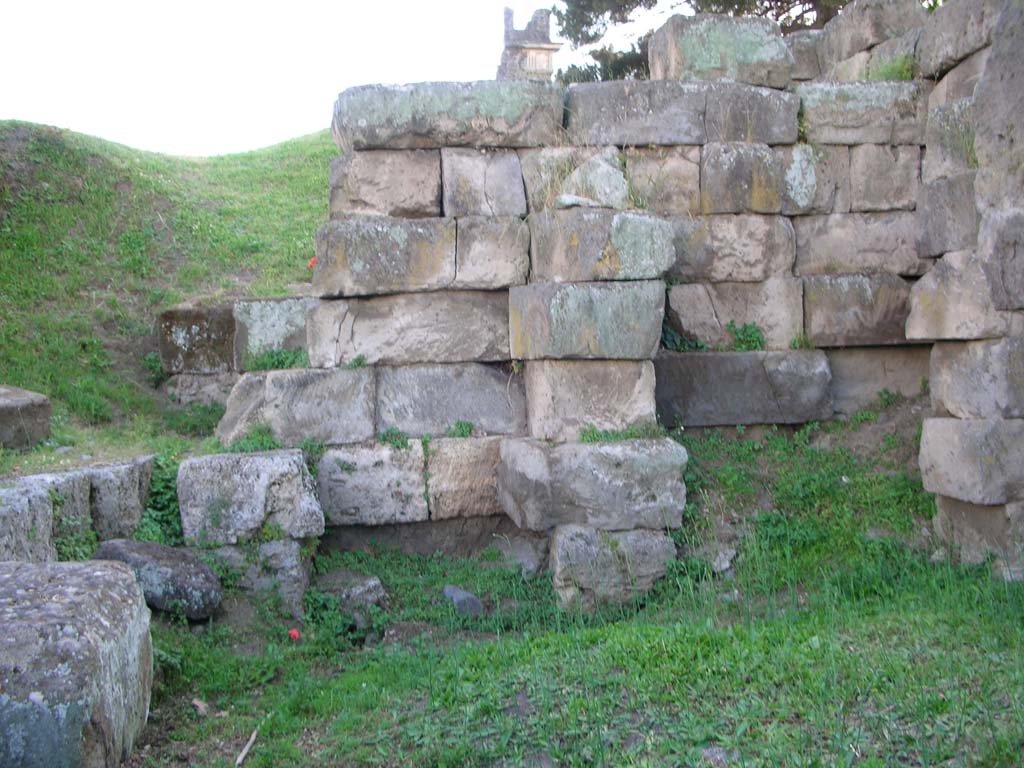
Vesuvian Gate, Pompeii. May 2010. Looking towards west side of tower in upper area. Photo courtesy of Ivo van der Graaff.
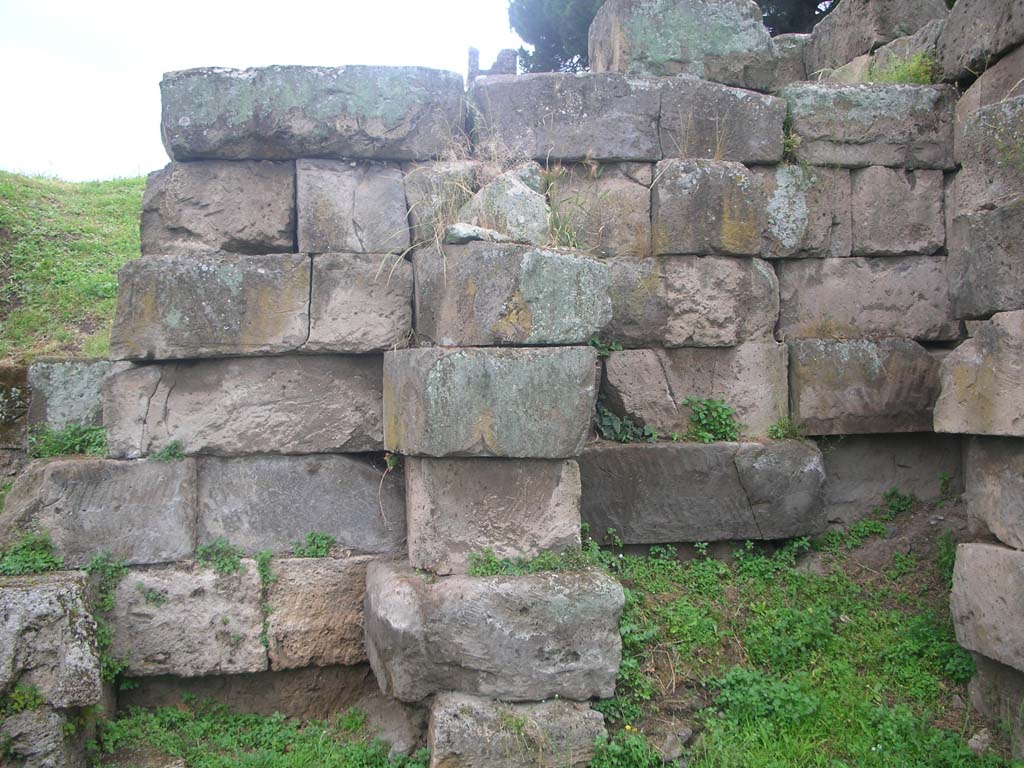
Vesuvian Gate Pompeii. May 2010. Looking west in upper area. Photo courtesy of Ivo van der Graaff.
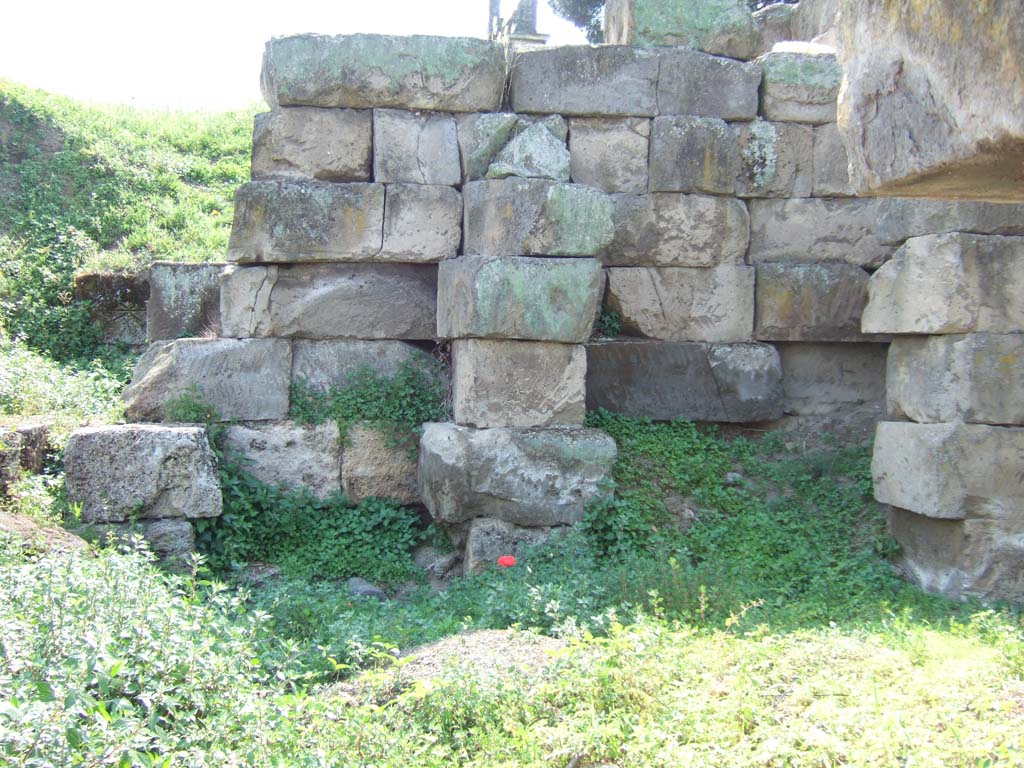
Vesuvian Gate Pompeii. May 2006. West inside wall of tower area at north-west corner of gate.
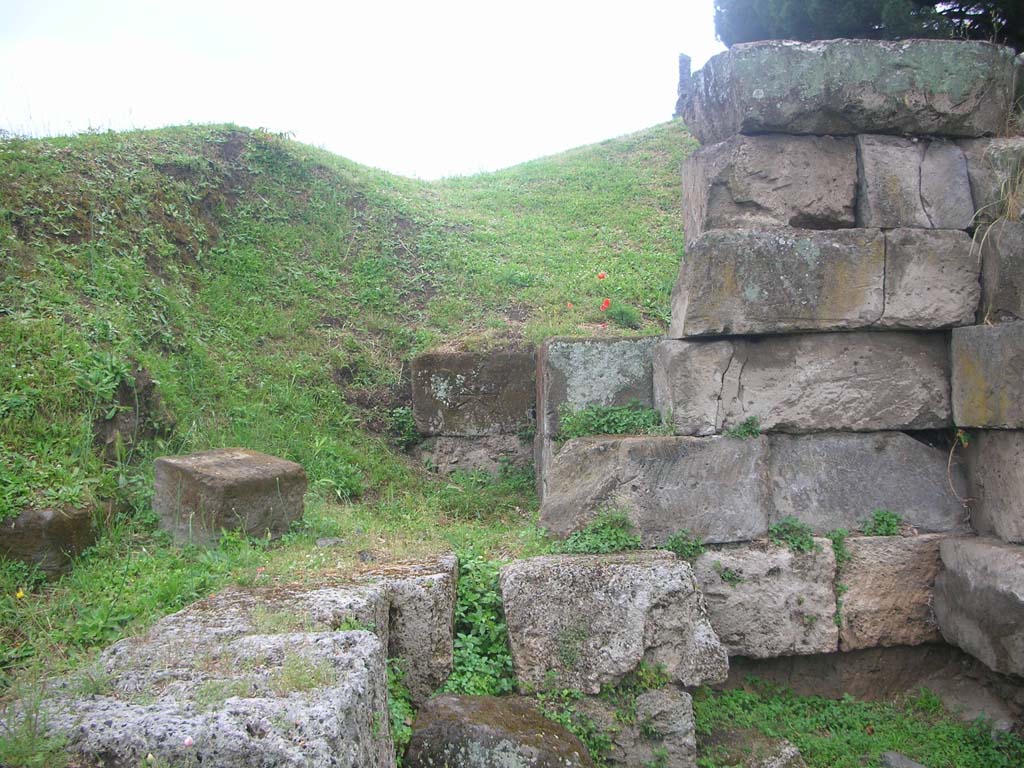
Vesuvian Gate Pompeii. May 2010. South-west corner of upper tower area, looking west. Photo courtesy of Ivo van der Graaff.
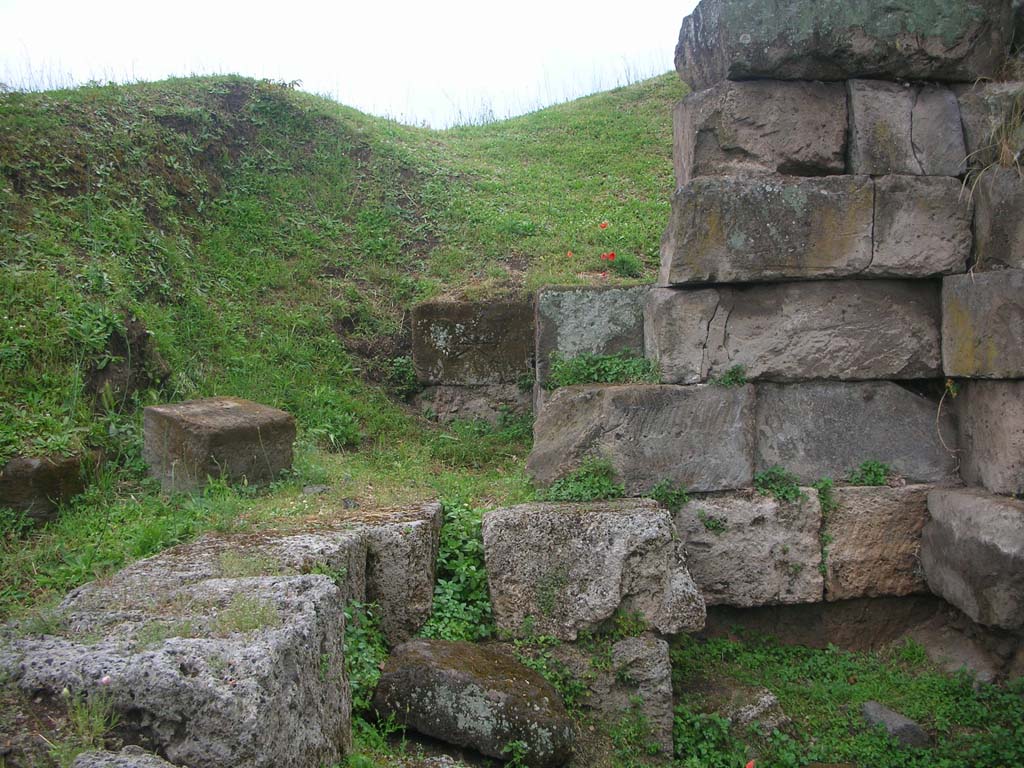
Vesuvian Gate Pompeii. May 2010. Detail from south-west corner of upper tower area. Photo courtesy of Ivo van der Graaff.
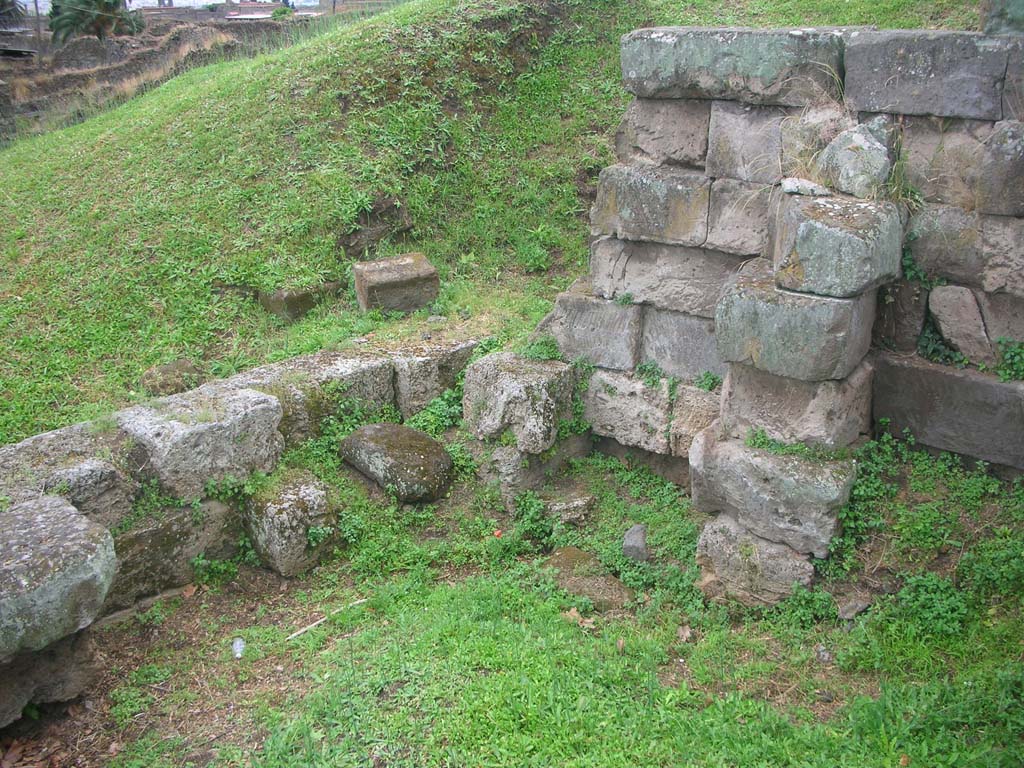
Vesuvian Gate Pompeii. May 2010. South-west corner of upper tower area. Photo courtesy of Ivo van der Graaff.
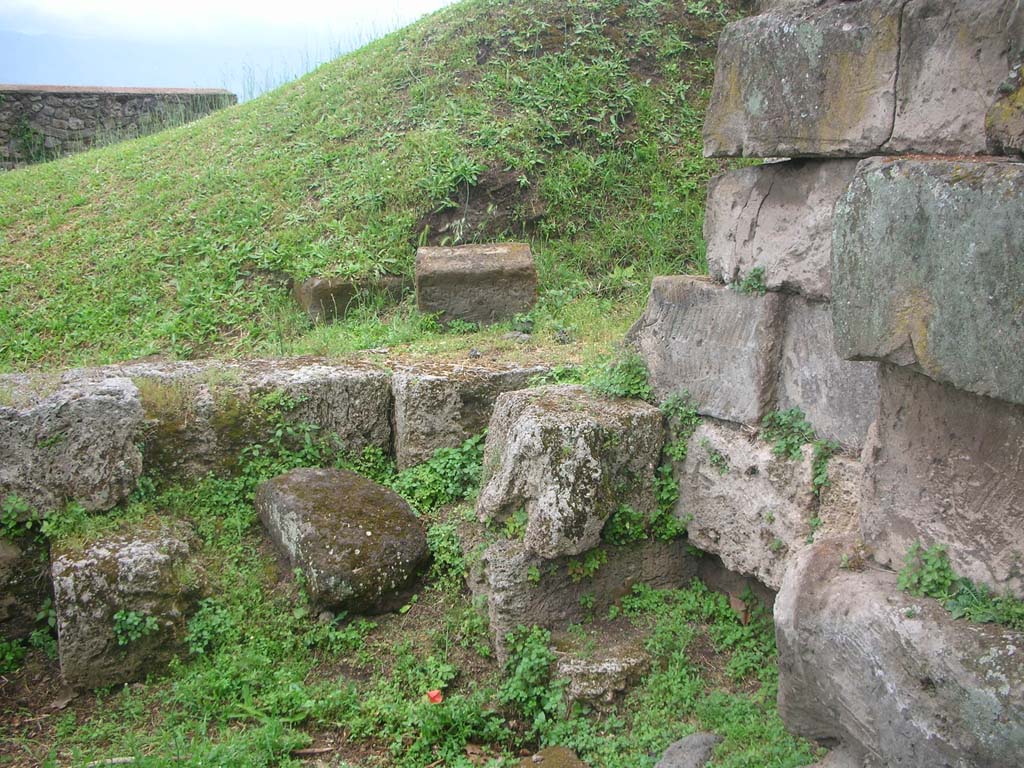
Vesuvian Gate Pompeii. May 2010. South-west corner of upper tower area, looking south. Photo courtesy of Ivo van der Graaff.
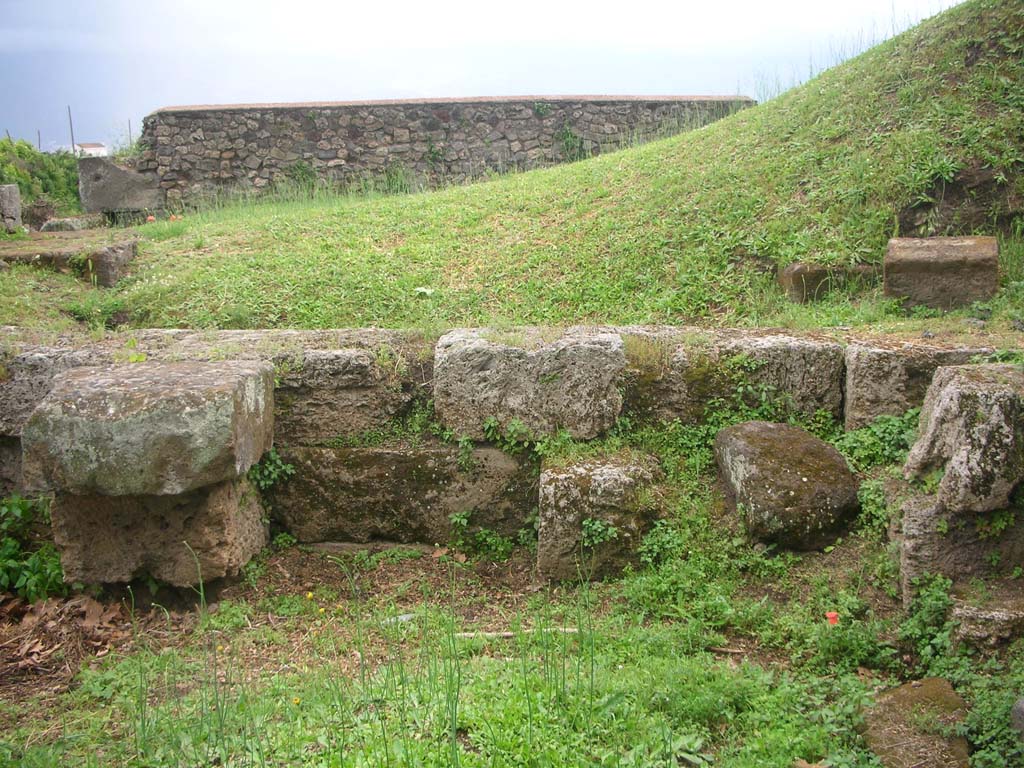
Vesuvian Gate Pompeii. May 2010. South wall of upper tower area. Photo courtesy of Ivo van der Graaff.
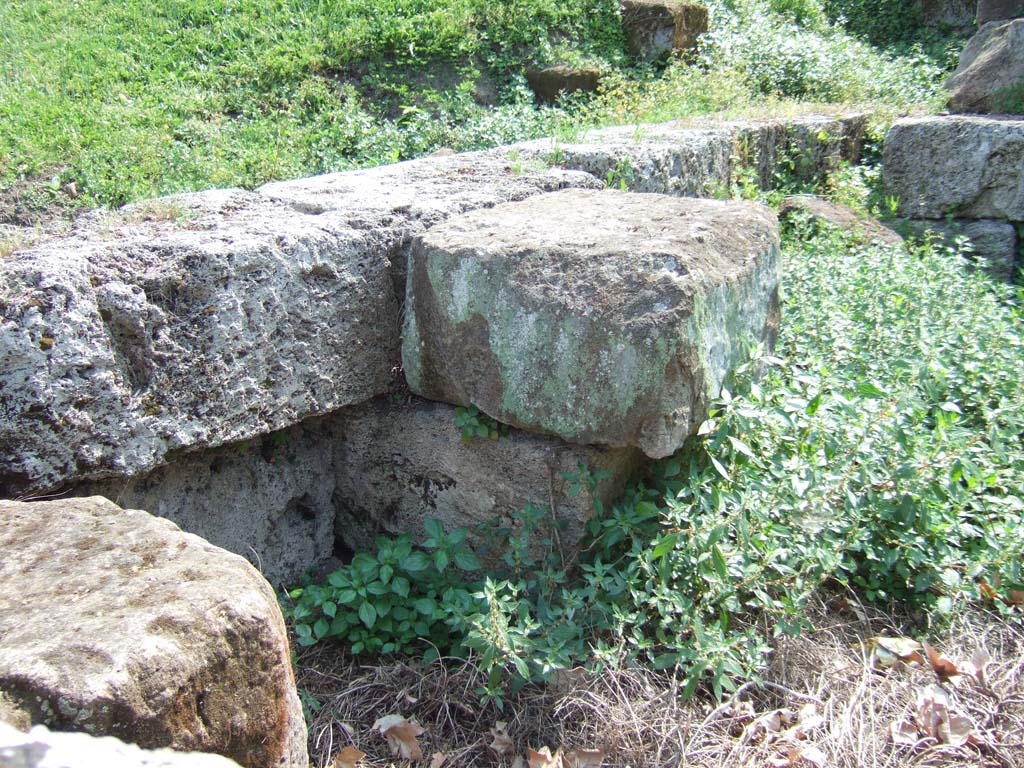
Vesuvian Gate Pompeii. May 2006. Looking towards south wall of tower area at north-west corner of gate.
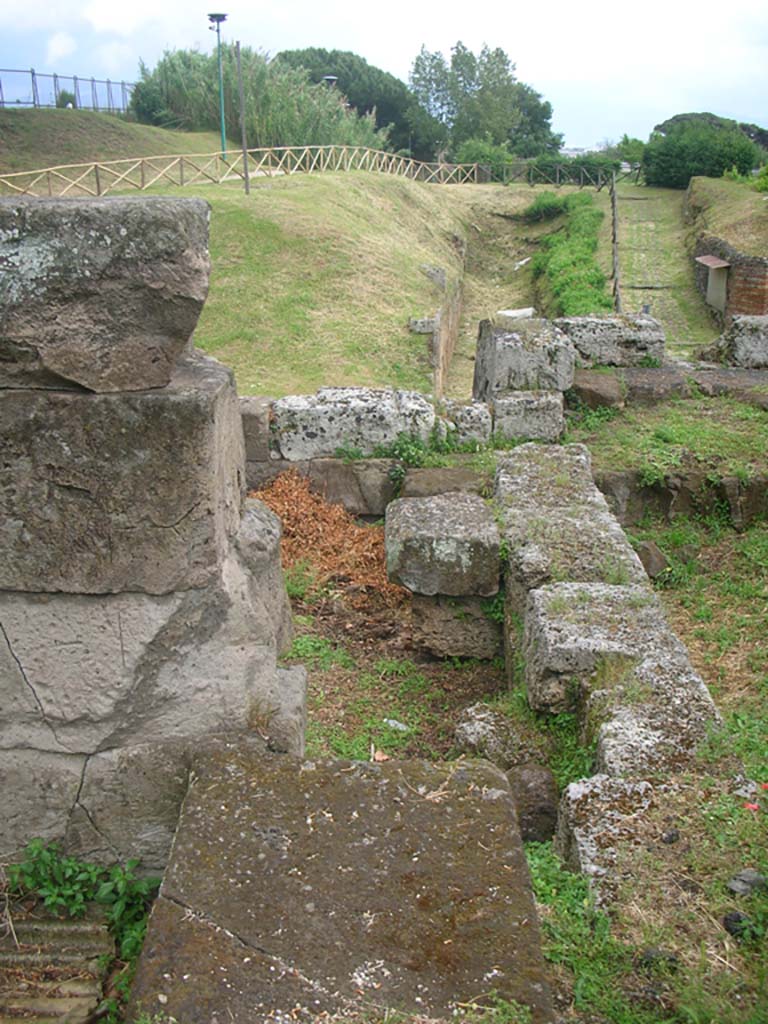
Vesuvian Gate Pompeii. May 2010.
Looking east along south wall of tower area. Photo courtesy of Ivo van der Graaff.
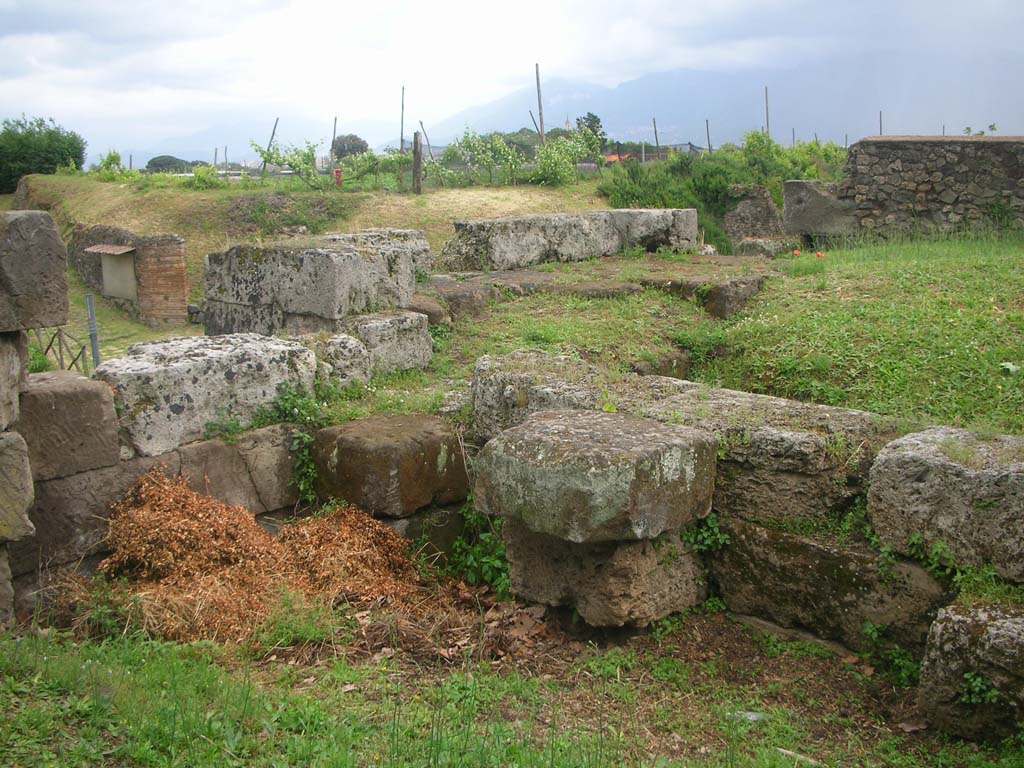
Vesuvian Gate Pompeii. May 2010. South wall in south-east corner of upper tower area. Photo courtesy of Ivo van der Graaff.
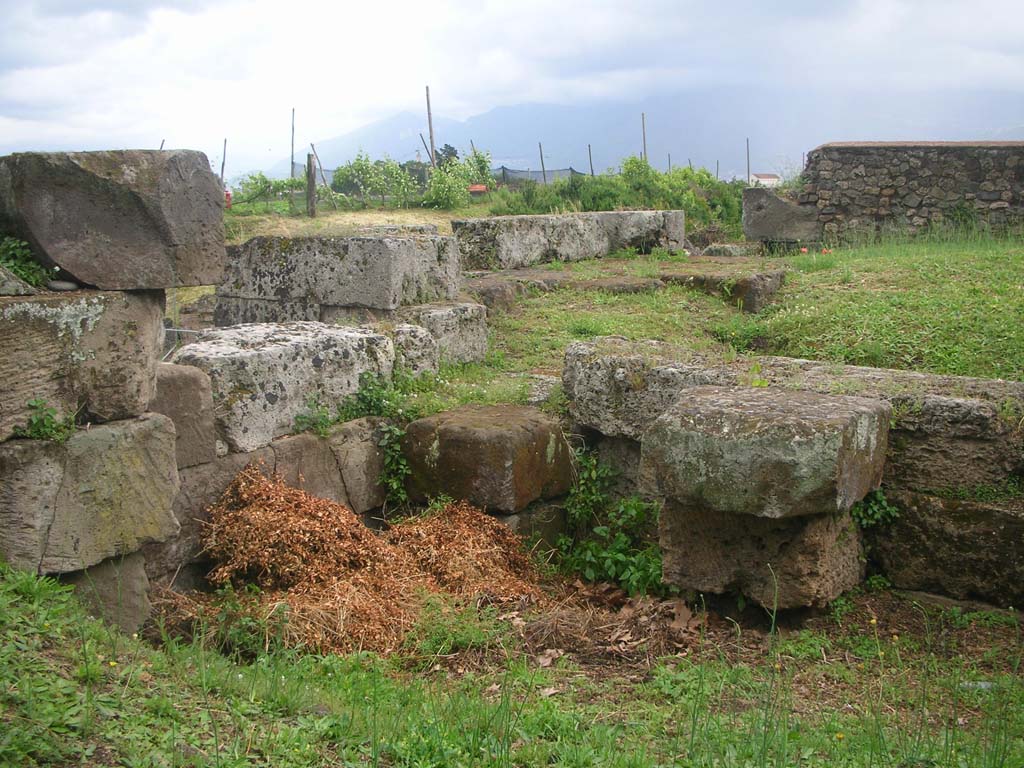
Vesuvian Gate Pompeii. May 2010. South-east corner of upper tower area. Photo courtesy of Ivo van der Graaff.
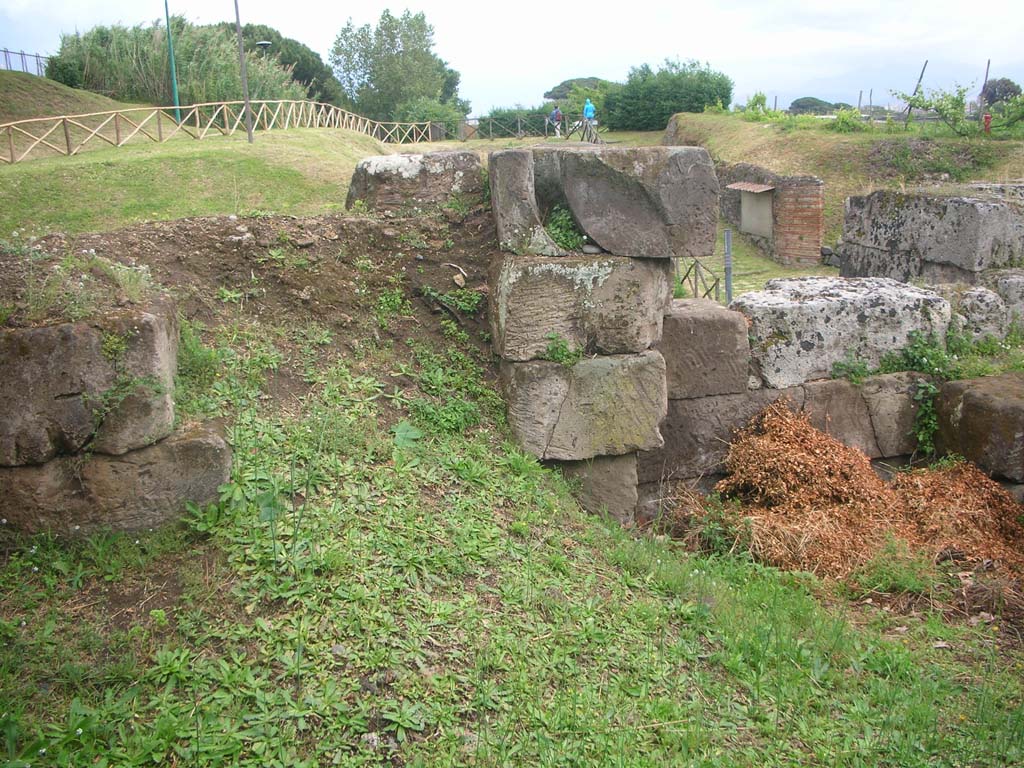
Vesuvian Gate Pompeii. May 2010. East wall of upper tower area. Photo courtesy of Ivo van der Graaff.
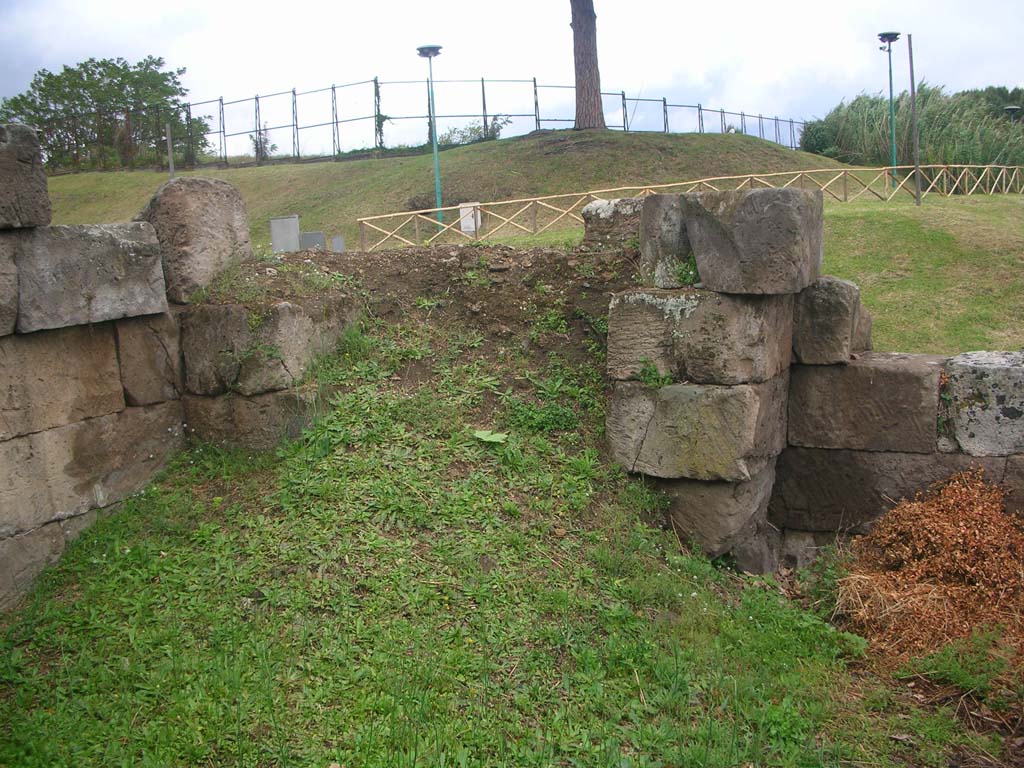
Vesuvian Gate Pompeii. May 2010. North-east corner of upper tower area. Photo courtesy of Ivo van der Graaff.
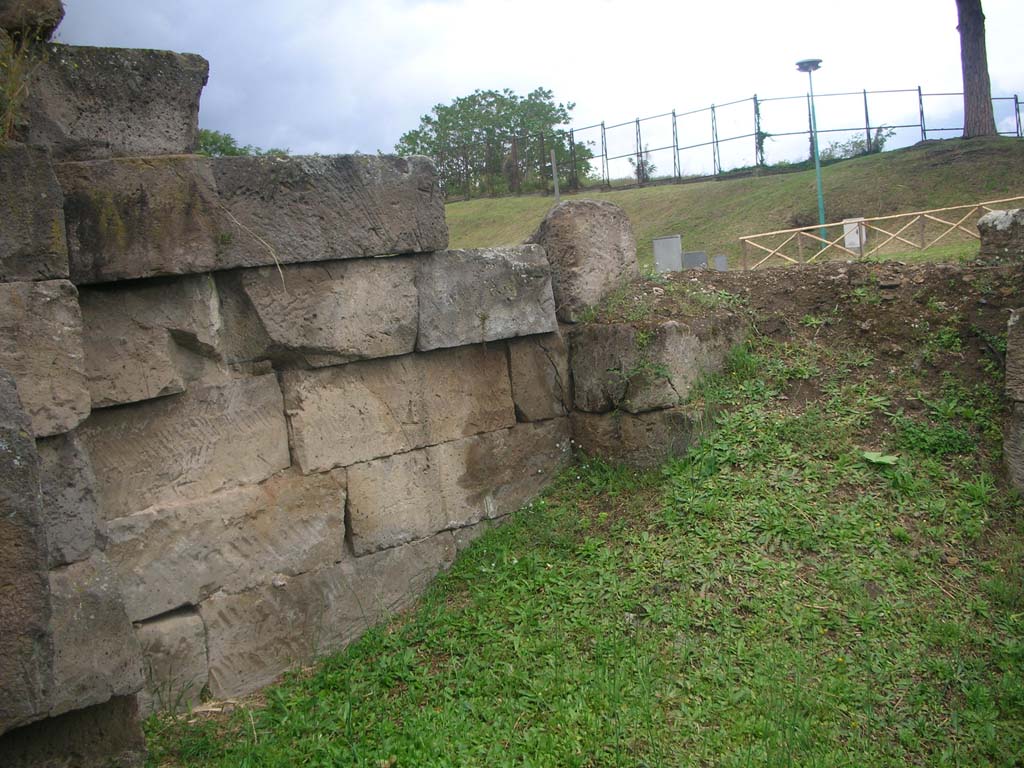
Vesuvian Gate Pompeii. May 2010. North wall and north-east corner of upper tower area. Photo courtesy of Ivo van der Graaff.
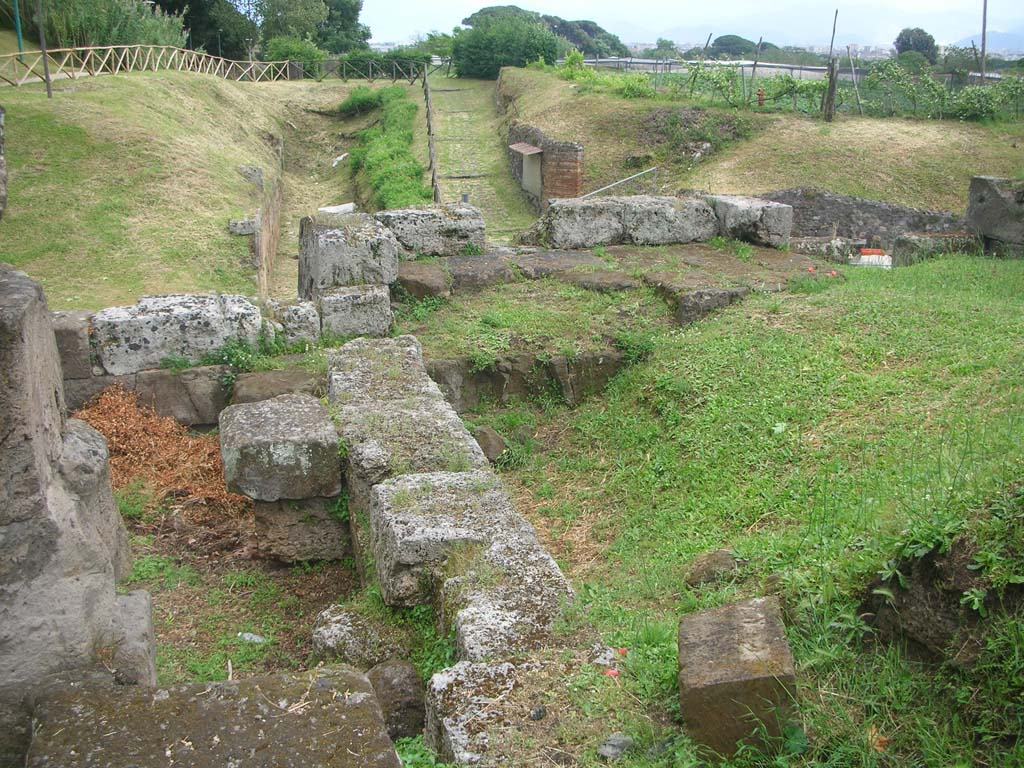
Vesuvian Gate Pompeii. May 2010. Looking south-east across upper area. Photo courtesy of Ivo van der Graaff.
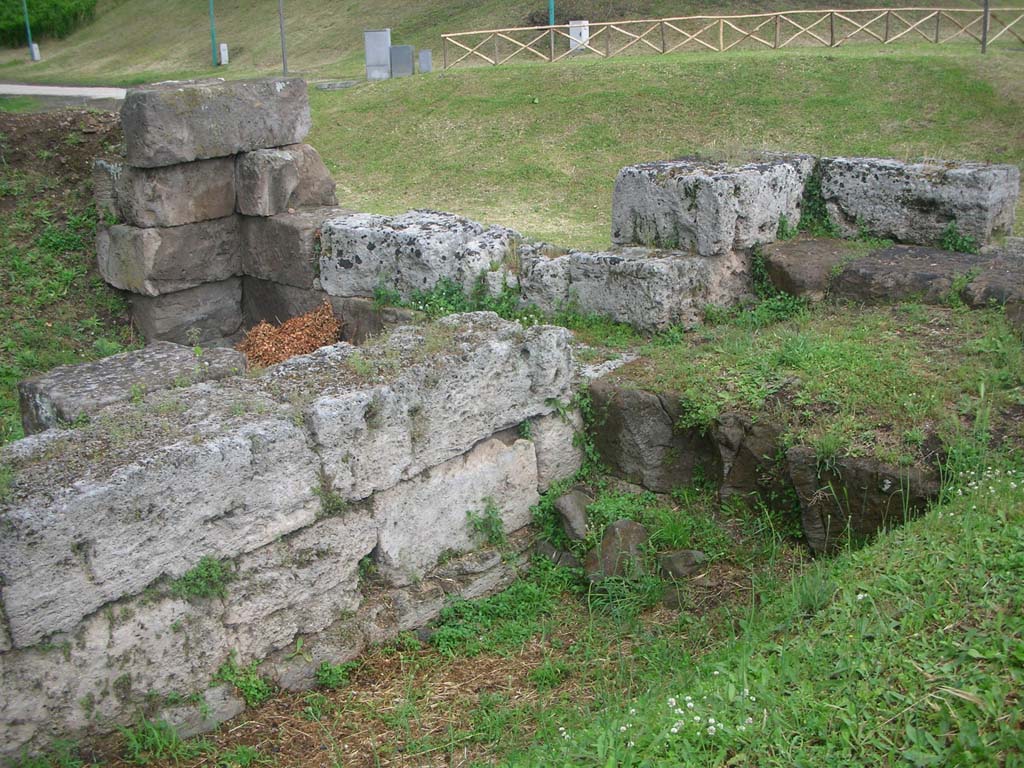
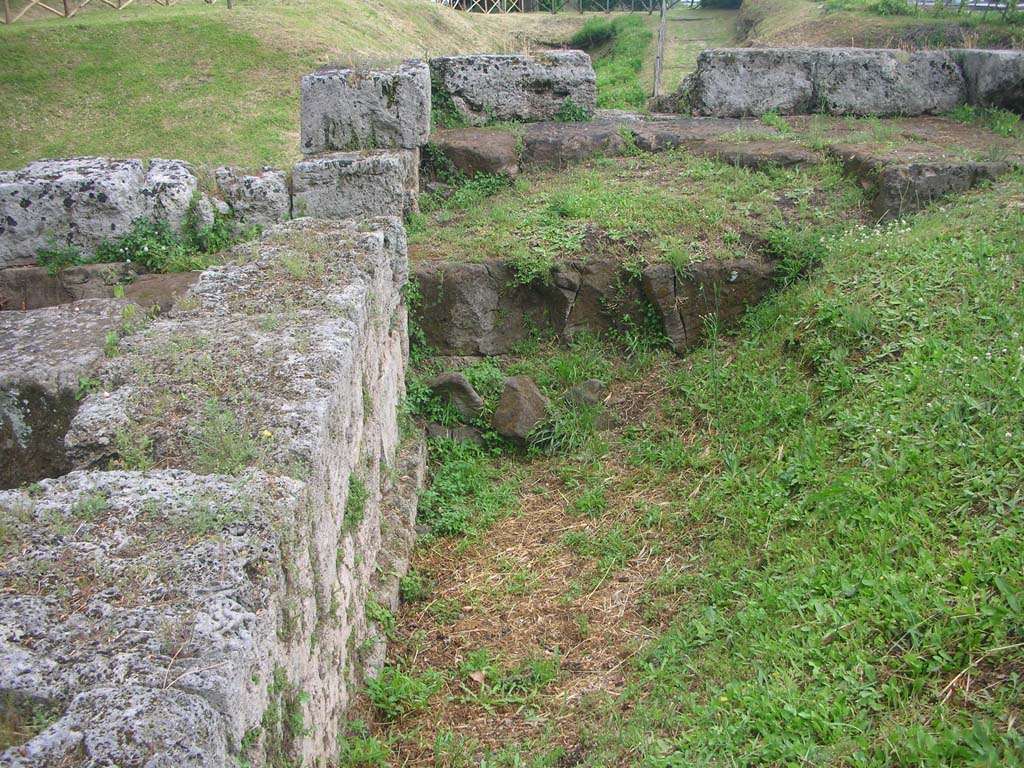
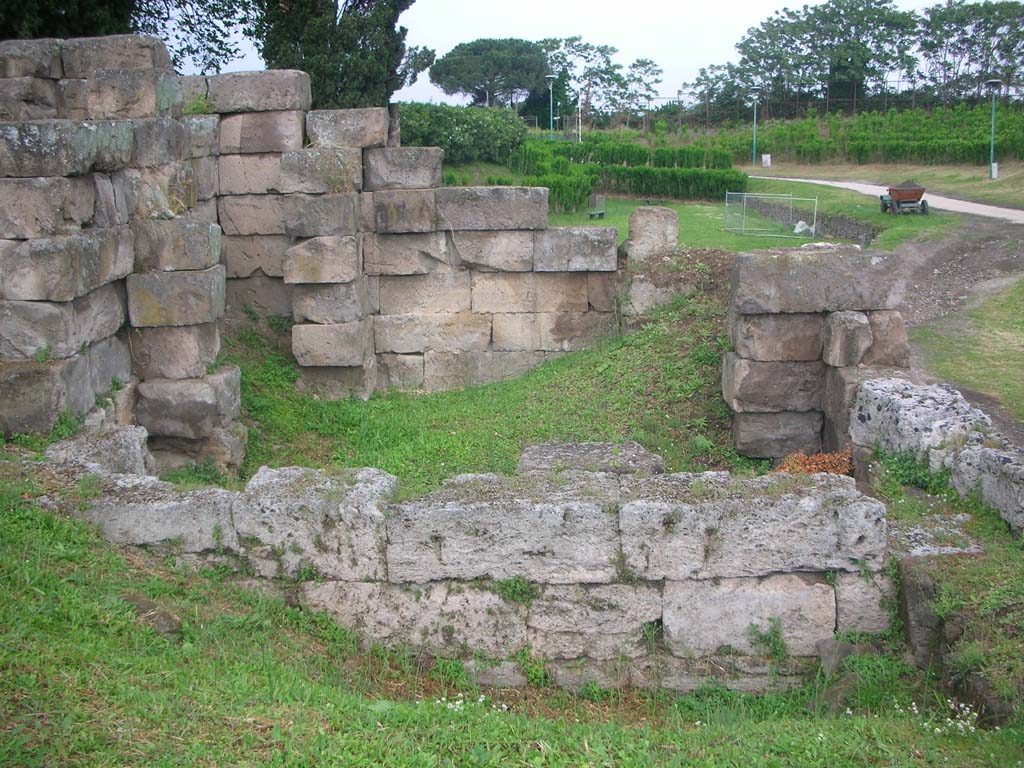
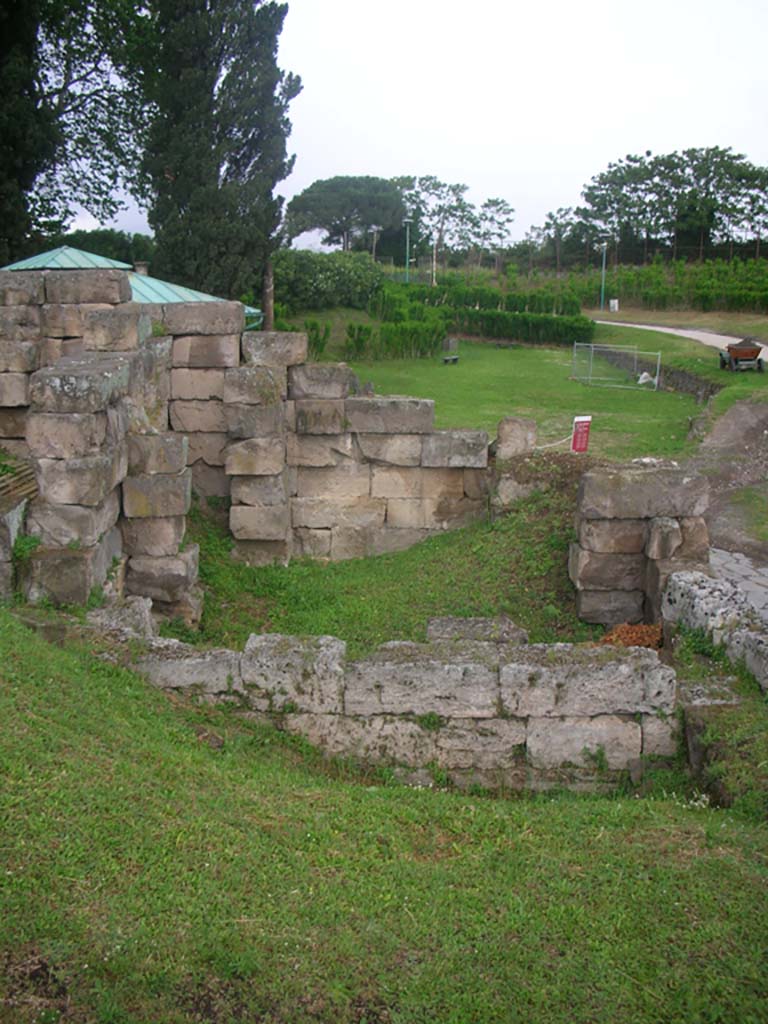
Vesuvian Gate, Pompeii. May 2010.
Looking north across upper tower area on west side of gate. Photo courtesy of Ivo van der Graaff.
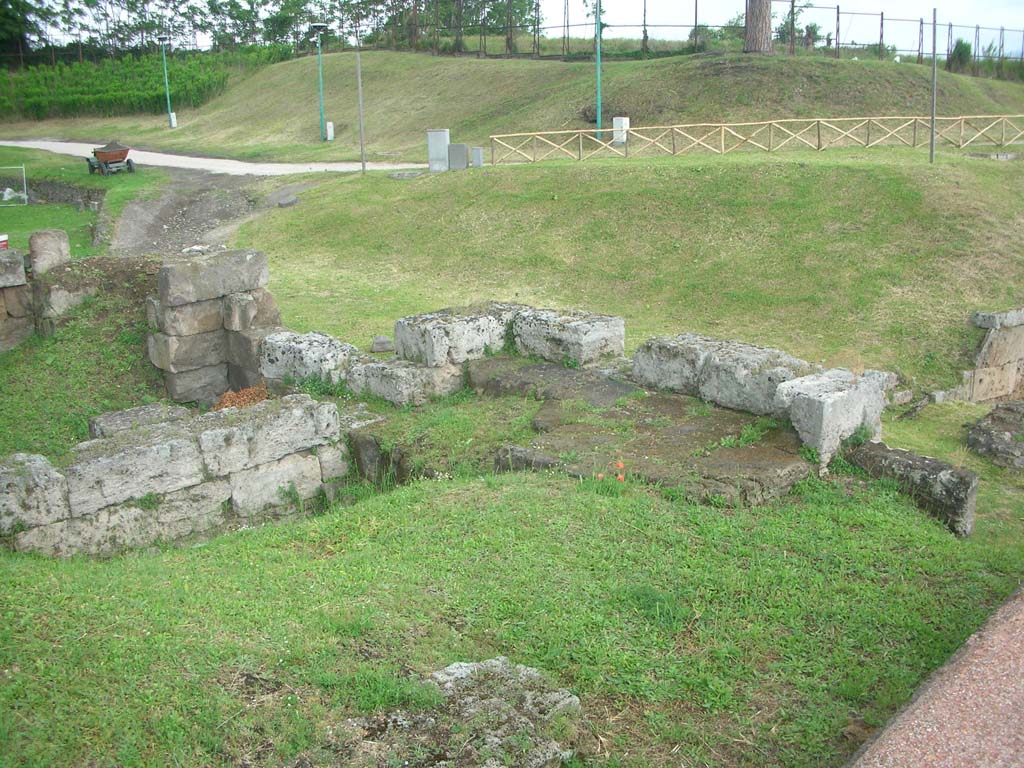
Vesuvian Gate, Pompeii. May 2010.
Looking north-east across upper area on west side of gate, from near upper Castellum Aquae. Photo courtesy of Ivo van der Graaff.
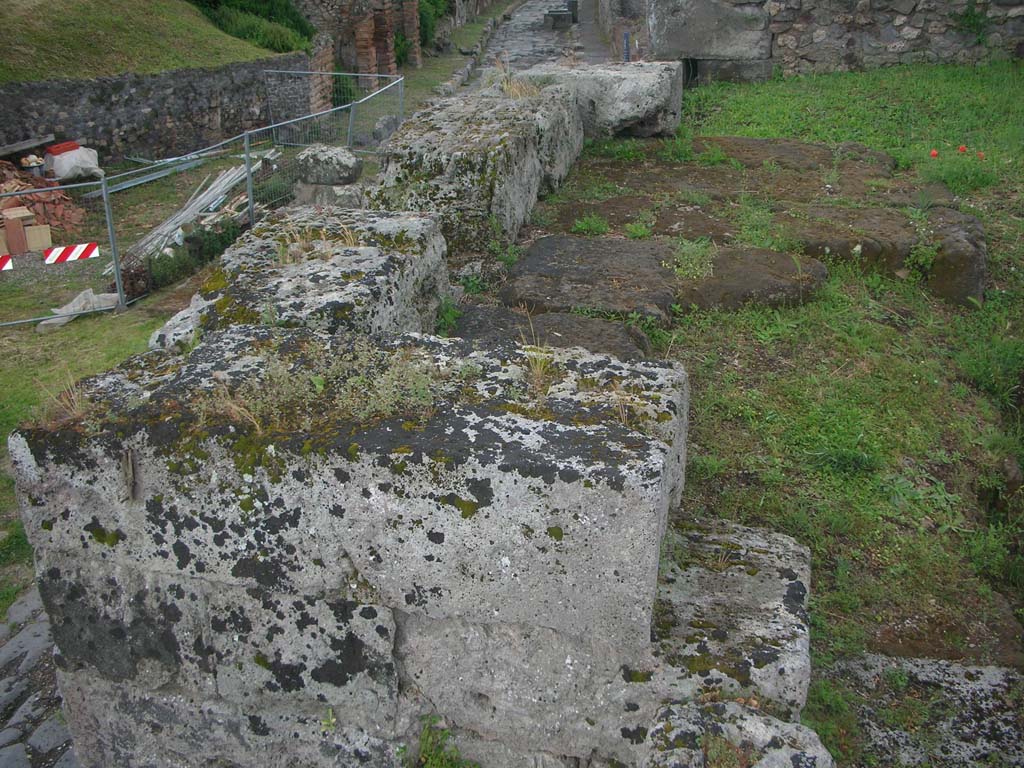
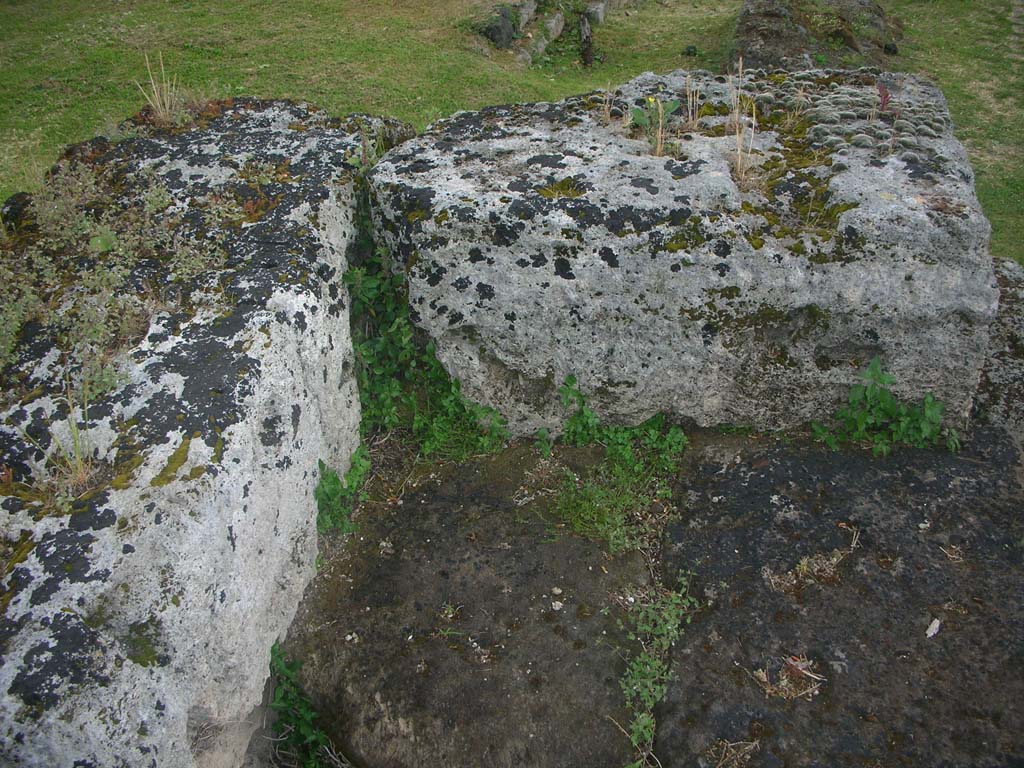
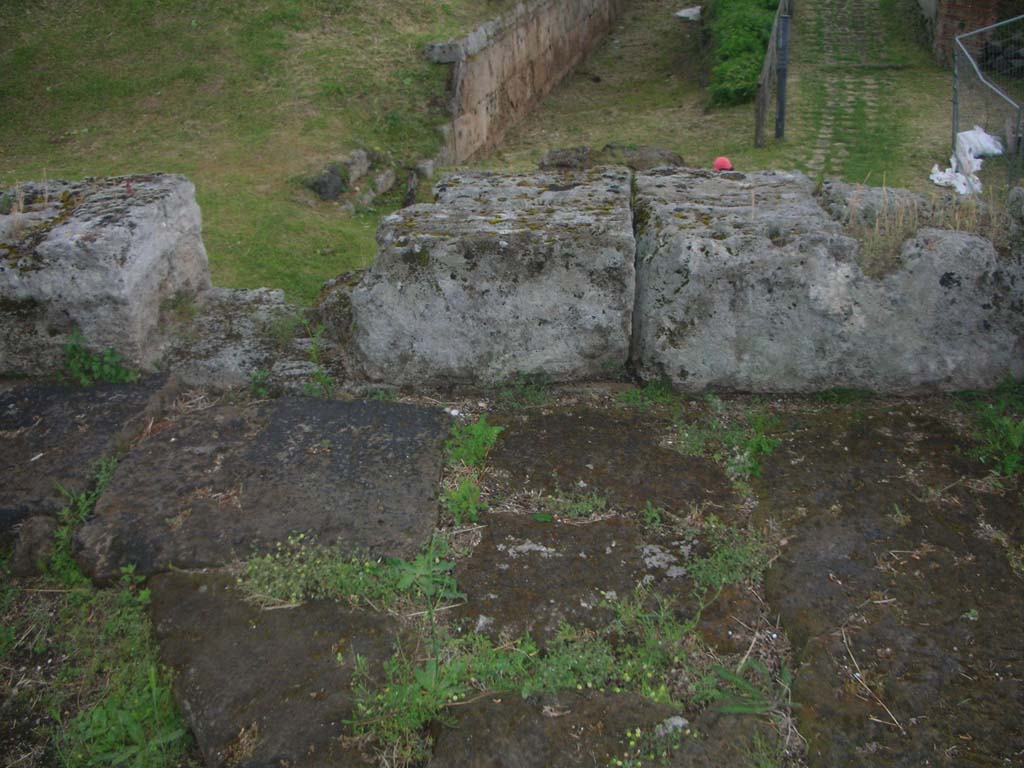
Vesuvian Gate, Pompeii. May 2010. Detail of upper blocks, continued from above. Photo courtesy of Ivo van der Graaff.
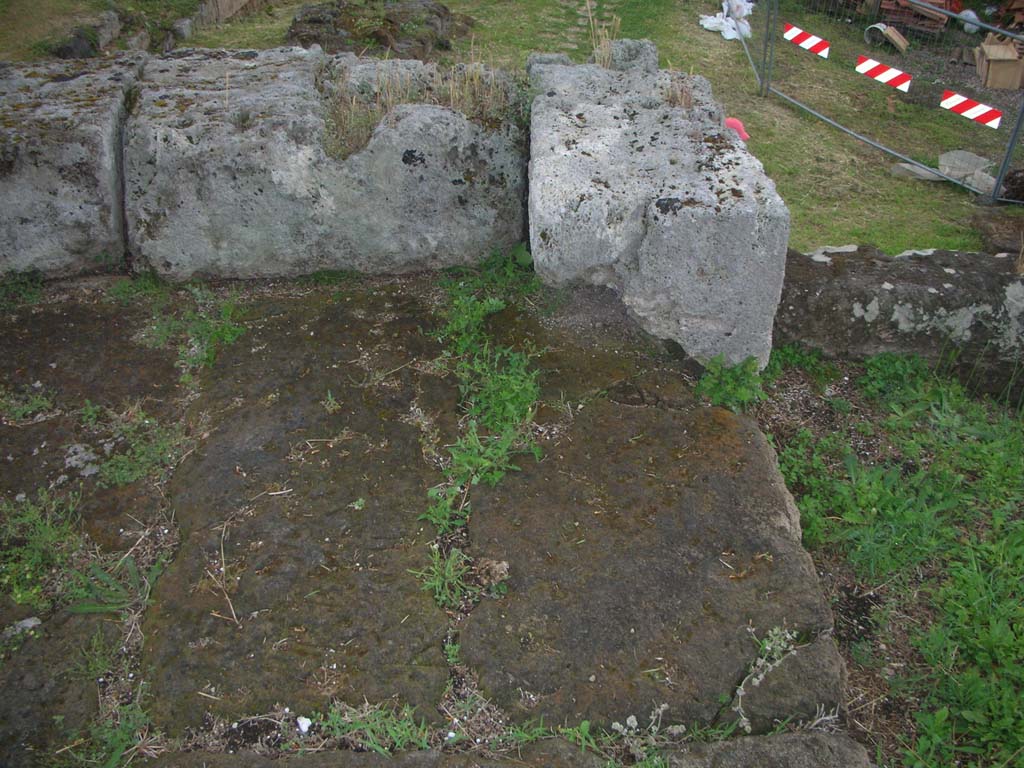
Vesuvian Gate, Pompeii. May 2010.
Detail of upper blocks on west side of gate, continued from above. Photo courtesy of Ivo van der Graaff.
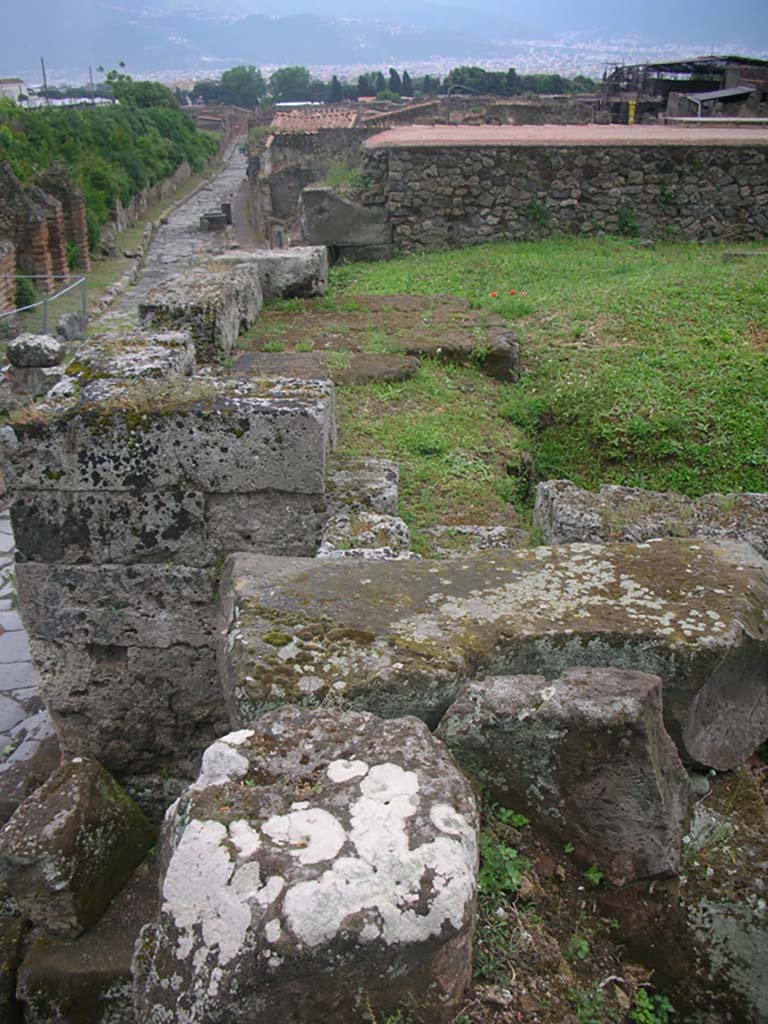
Vesuvian Gate Pompeii. May 2010.
South-east corner of upper area, looking south. Photo courtesy of Ivo van der Graaff.
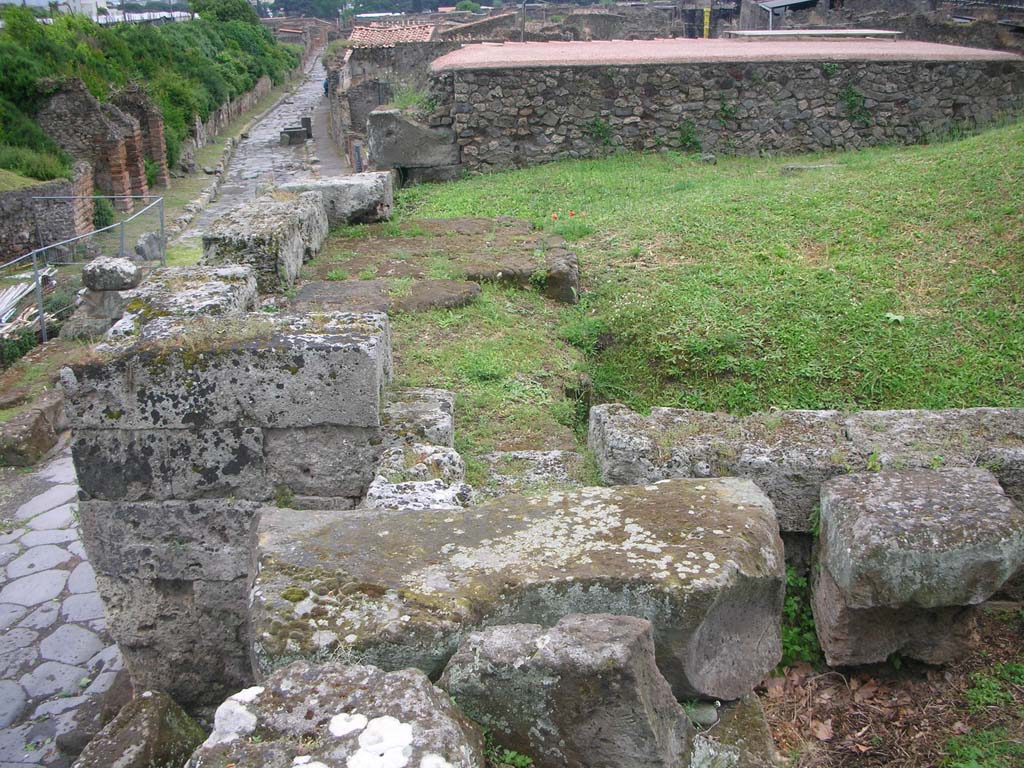
Vesuvian Gate Pompeii. May 2010.
Looking south from south-east corner of upper area towards roof of Castellum Aquae. Photo courtesy of Ivo van der Graaff.
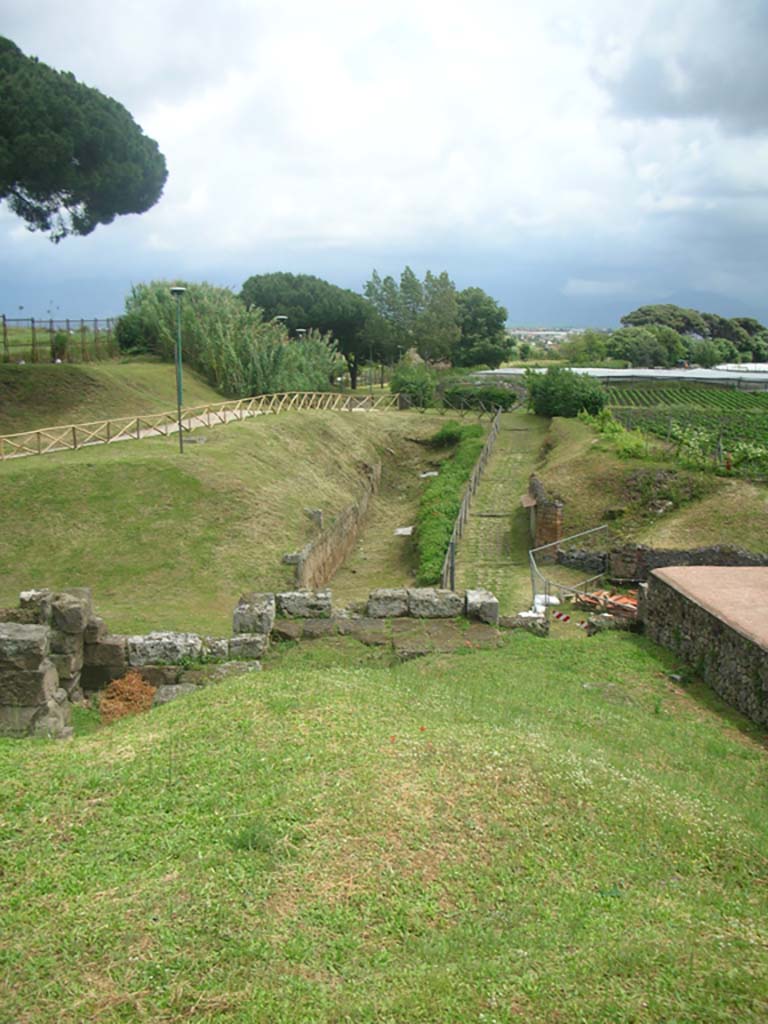
Vesuvian Gate Pompeii. May 2010.
Looking east along City Wall from top of Vesuvian Gate. Photo courtesy of Ivo van der Graaff.
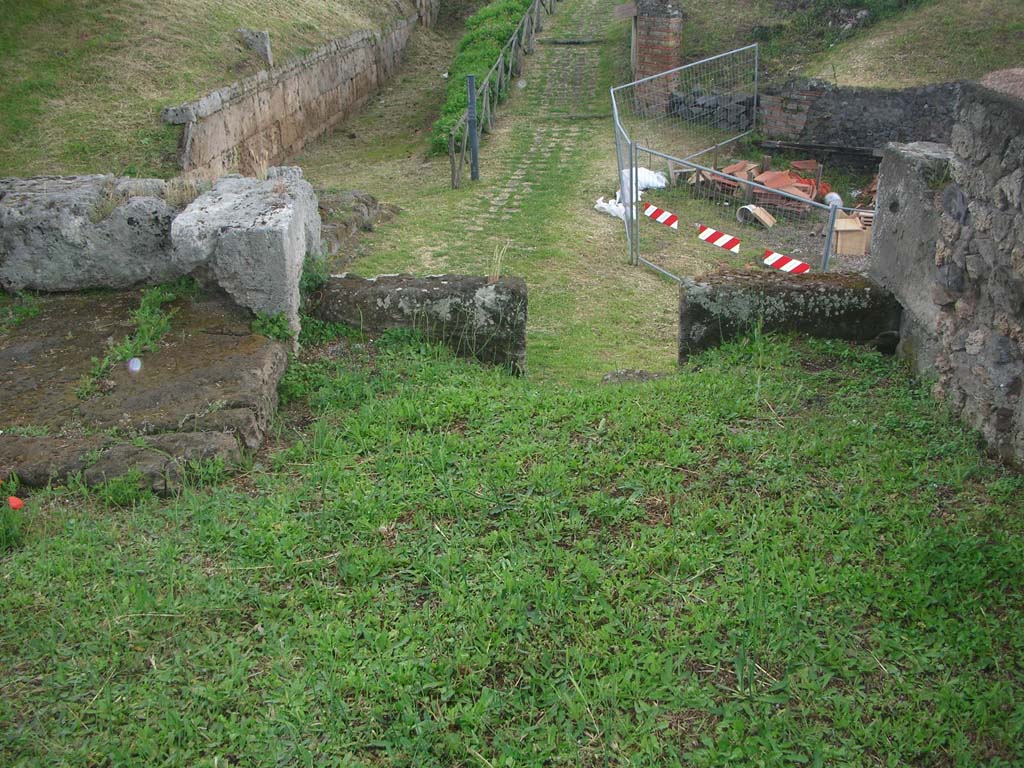
Vesuvian Gate Pompeii. May 2010.
Looking east towards upper west wall of gate, near Castellum Aquae, on right. Photo courtesy of Ivo van der Graaff.
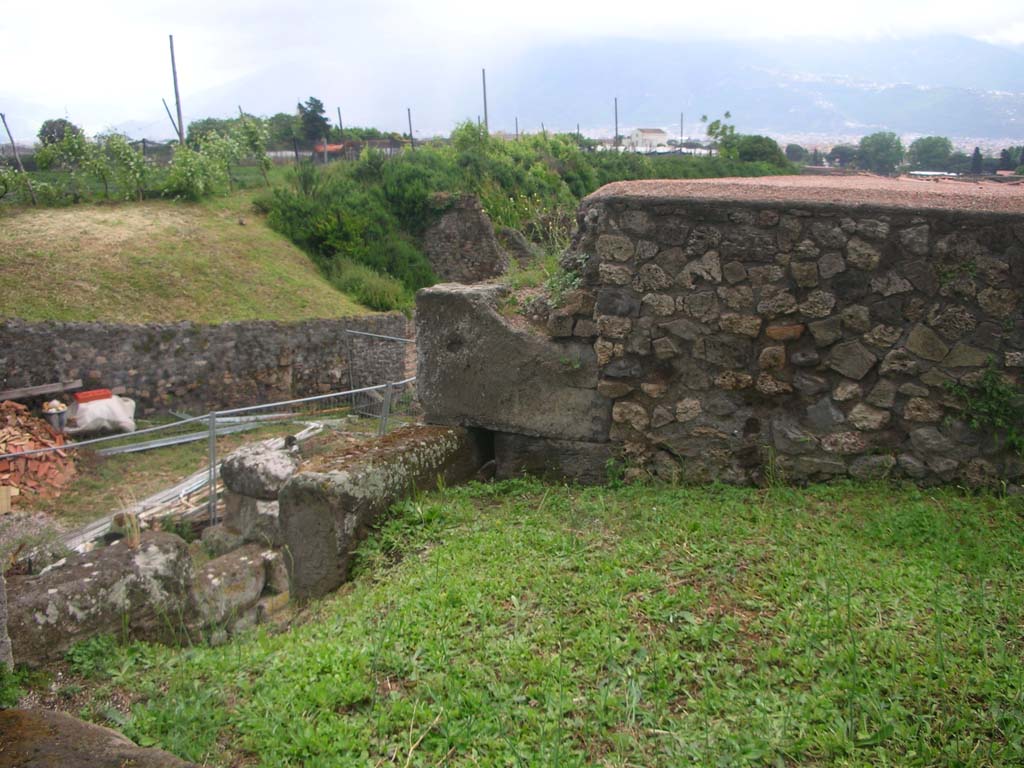
Vesuvian Gate, Pompeii. May 2010.
Looking south-east on upper area towards upper west wall of gate, in centre, and rear wall of Castellum Aquae, on right.
Photo courtesy of Ivo van der Graaff.
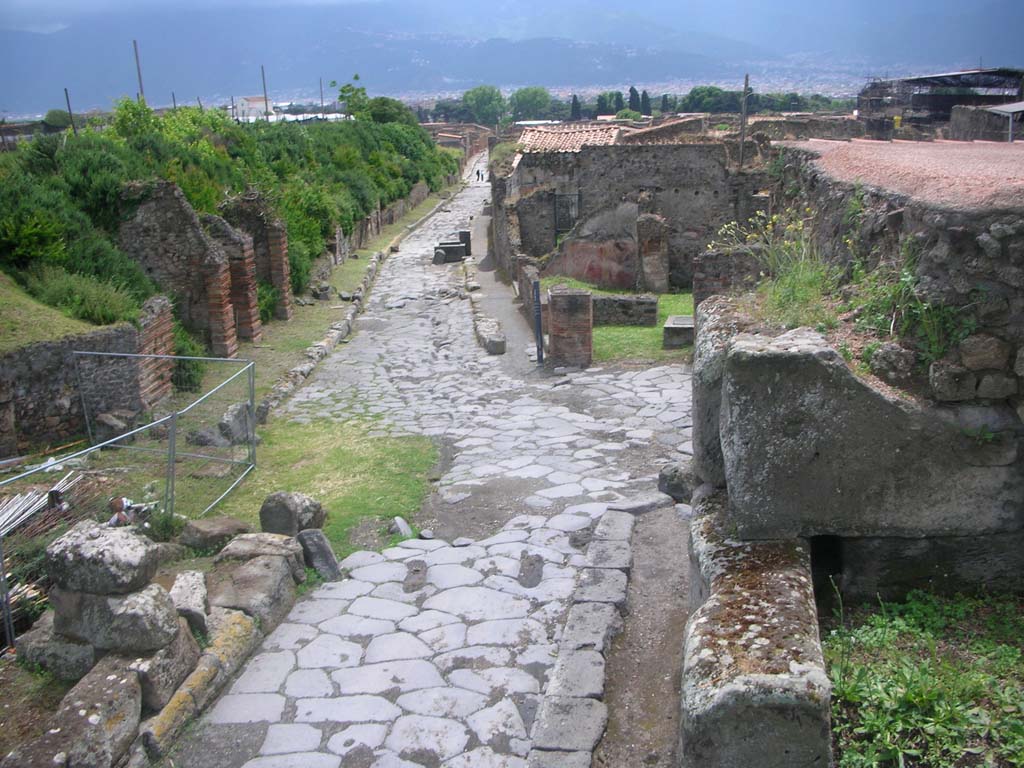
Vesuvian Gate, Pompeii. May 2010.
Looking from upper area towards south end of gate and Via di Vesuvio, with Castellum Aquae, on right. Photo courtesy of Ivo van der Graaff.
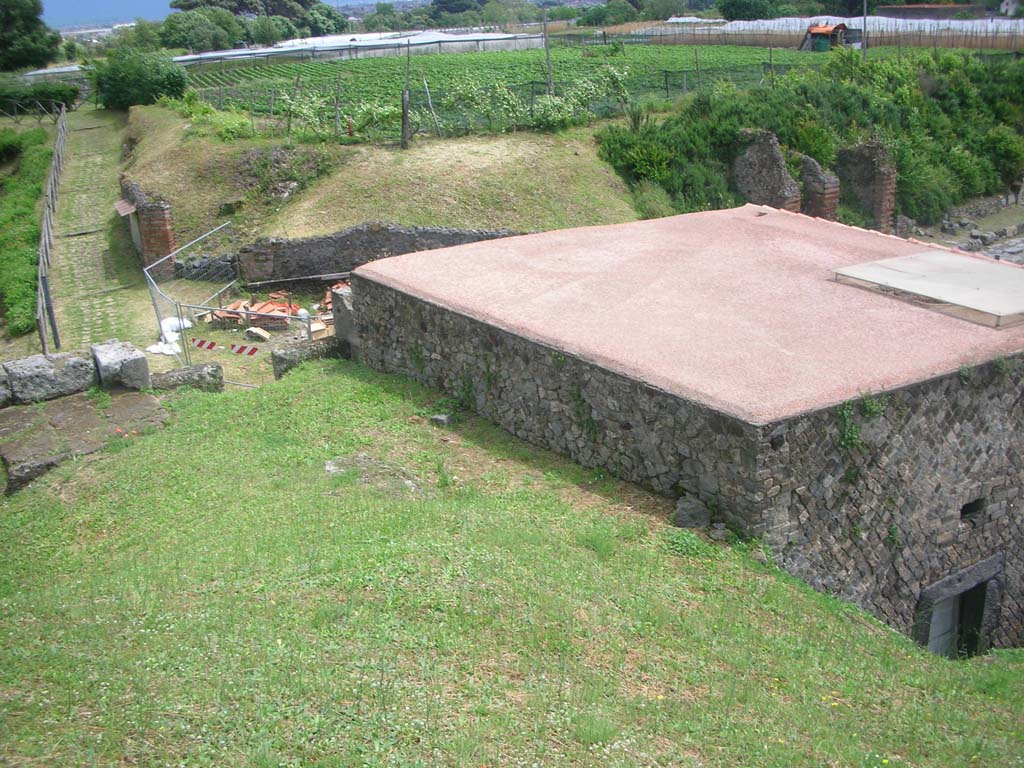
Vesuvian
Gate, Pompeii. May 2010.
Looking south-east from upper area of gate, towards Castellum Aquae, on right. Photo courtesy of Ivo van der Graaff.
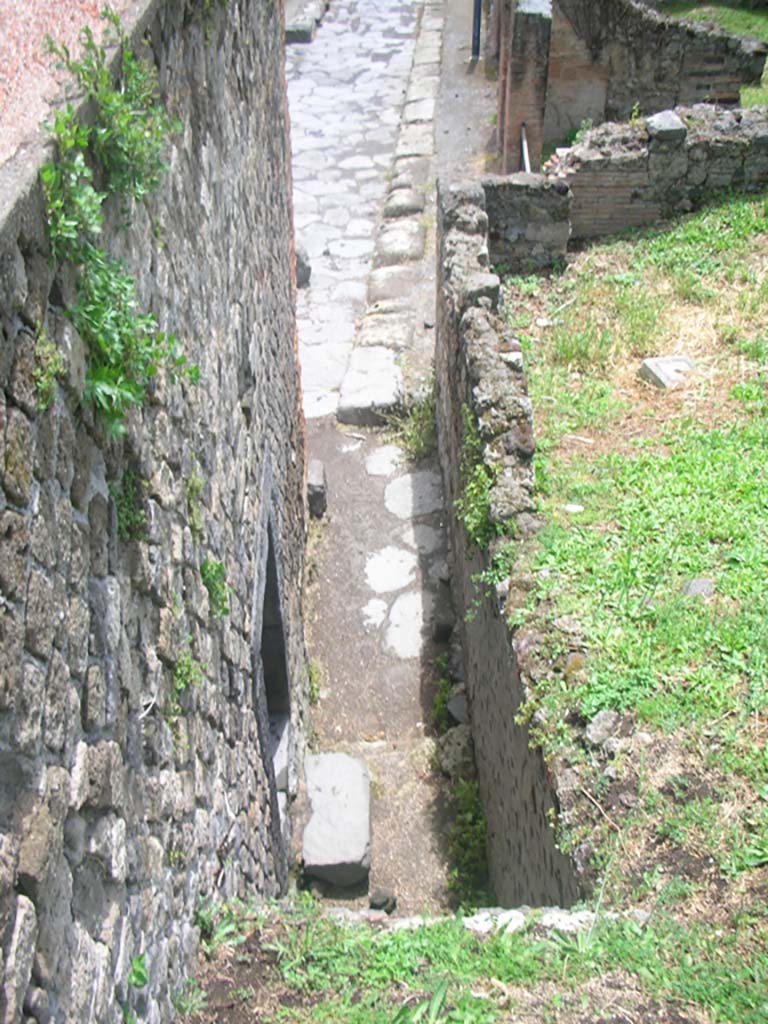
Castellum Aquae, Pompeii. May 2010.
Looking south along west side, from upper area of Vesuvian Gate towards north end of Vicolo dei Vettii.
Photo courtesy of Ivo van der Graaff.
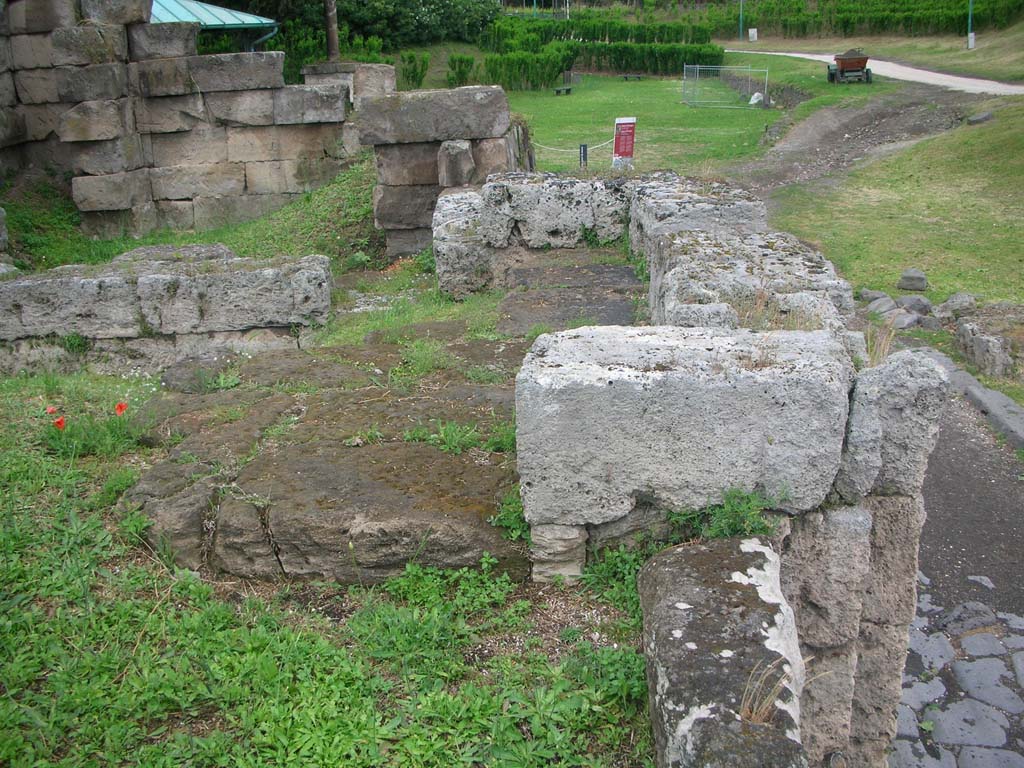
Vesuvian Gate, Pompeii. May 2010. Looking north along upper west side of gate. Photo courtesy of Ivo van der Graaff.
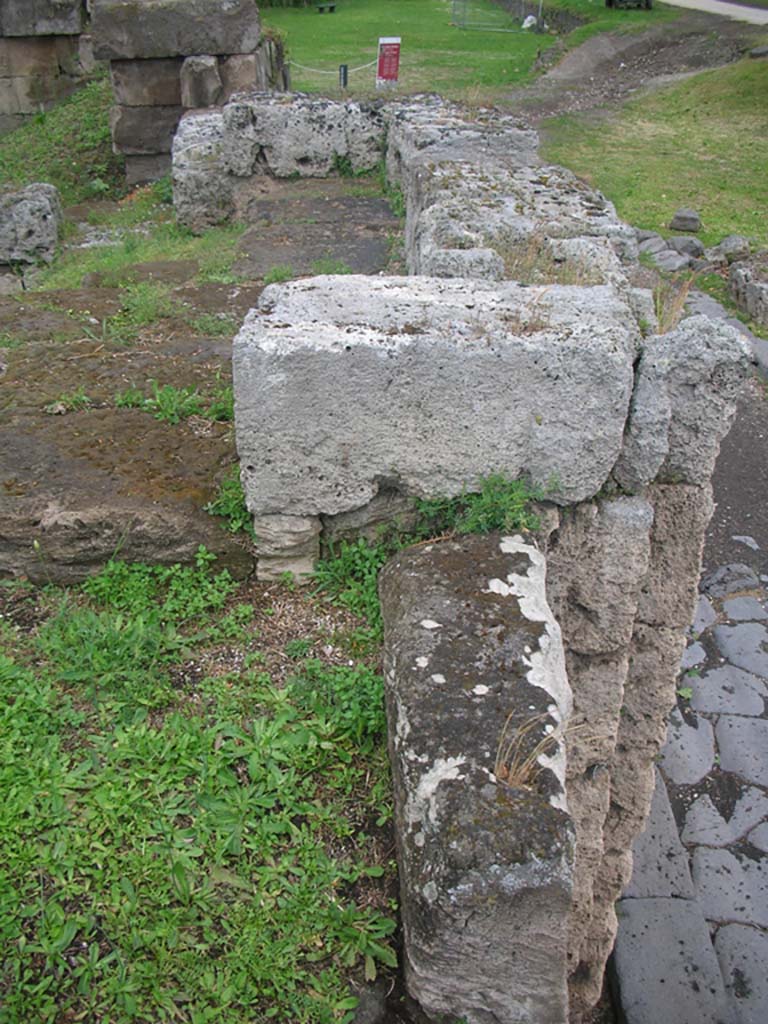
Vesuvian Gate, Pompeii. May 2010.
Detail of upper west side of gate, looking north. Photo courtesy of Ivo van der Graaff.
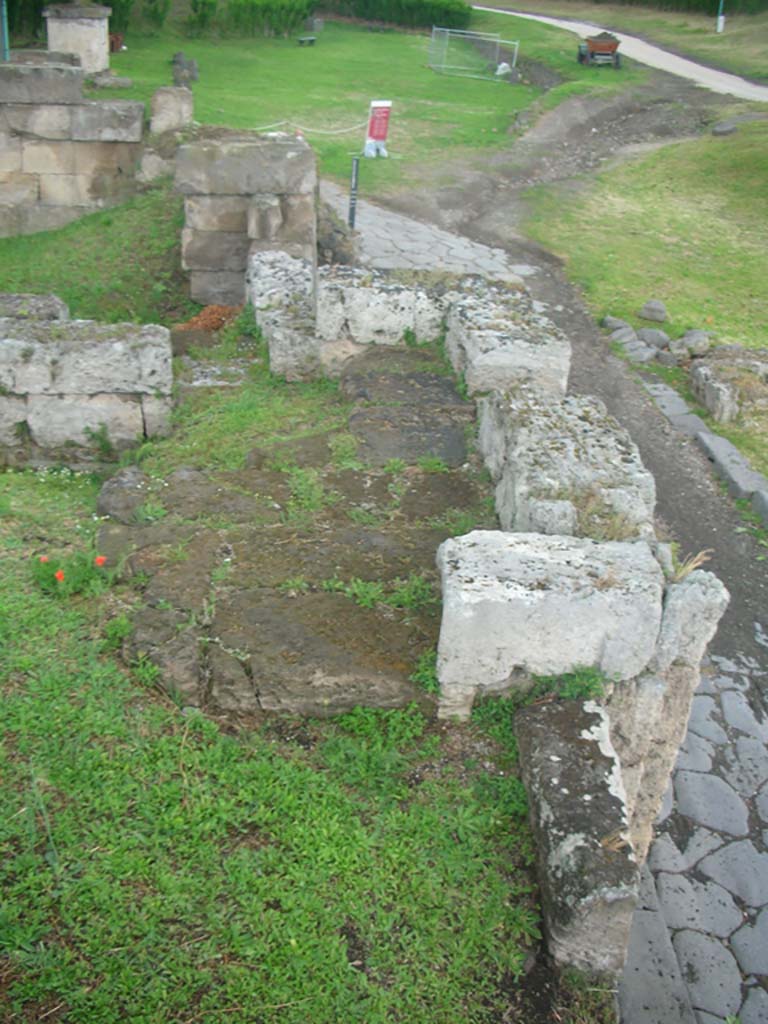
Vesuvian Gate, Pompeii. May 2010.
Looking north along west side of gate. Photo courtesy of Ivo van der Graaff.
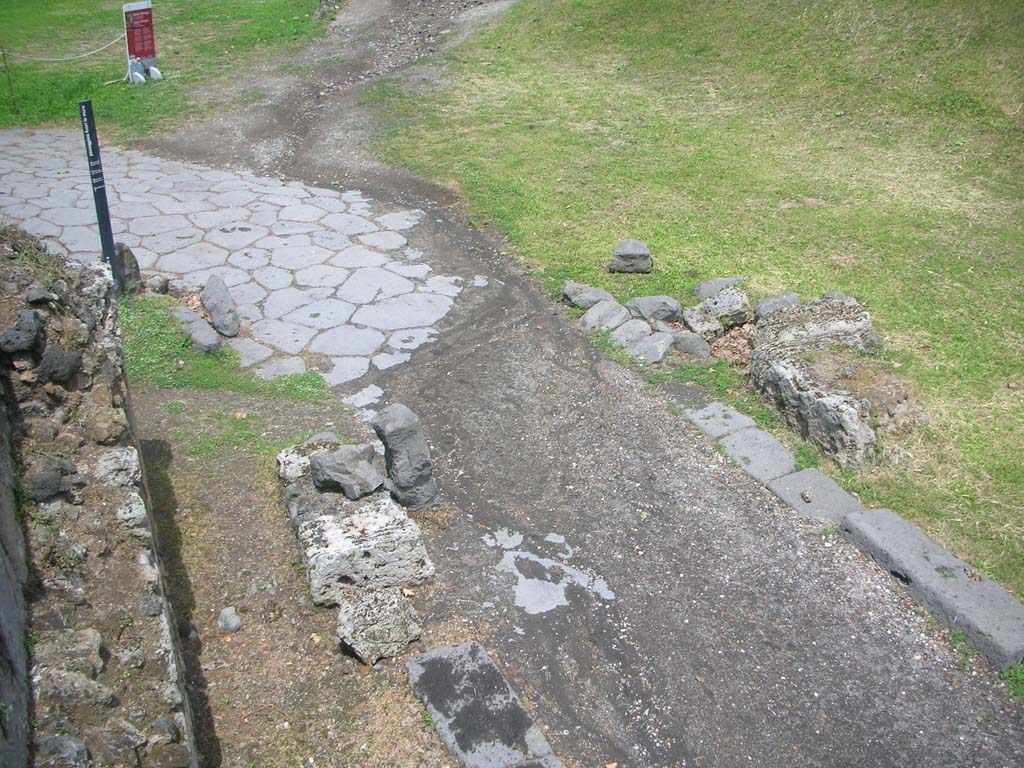
Vesuvian Gate, Pompeii. May 2010. Looking from upper area onto north side of gate. Photo courtesy of Ivo van der Graaff.
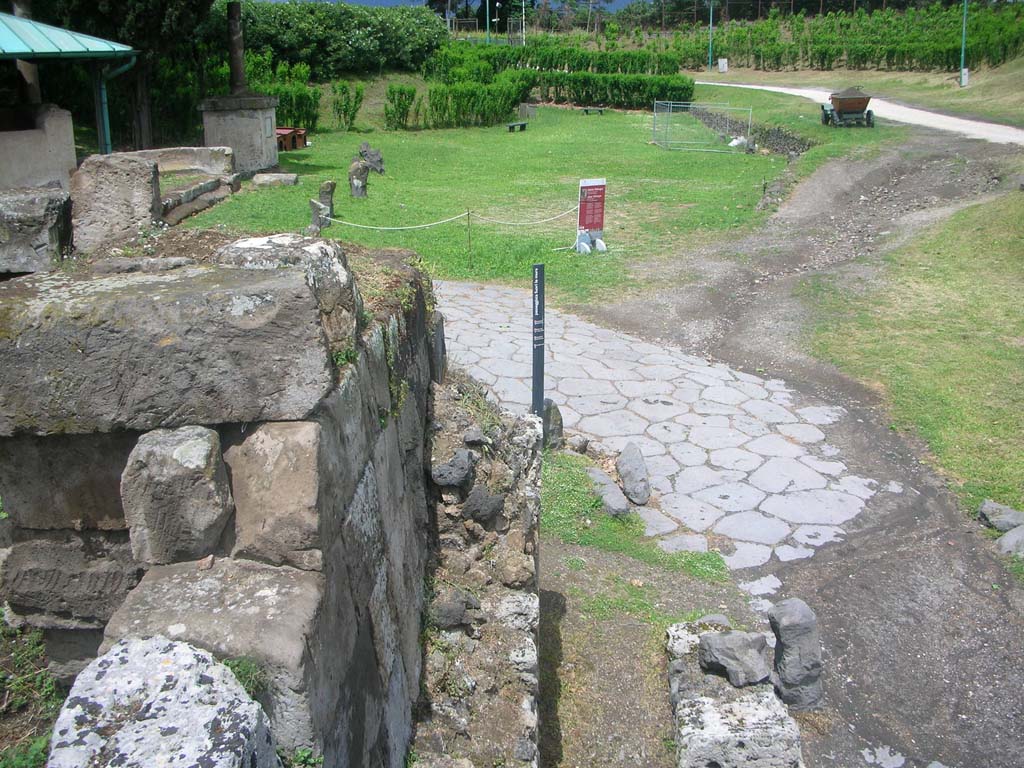
Vesuvian Gate, Pompeii. May 2010. Looking north along upper west wall at north end of gate. Photo courtesy of Ivo van der Graaff.
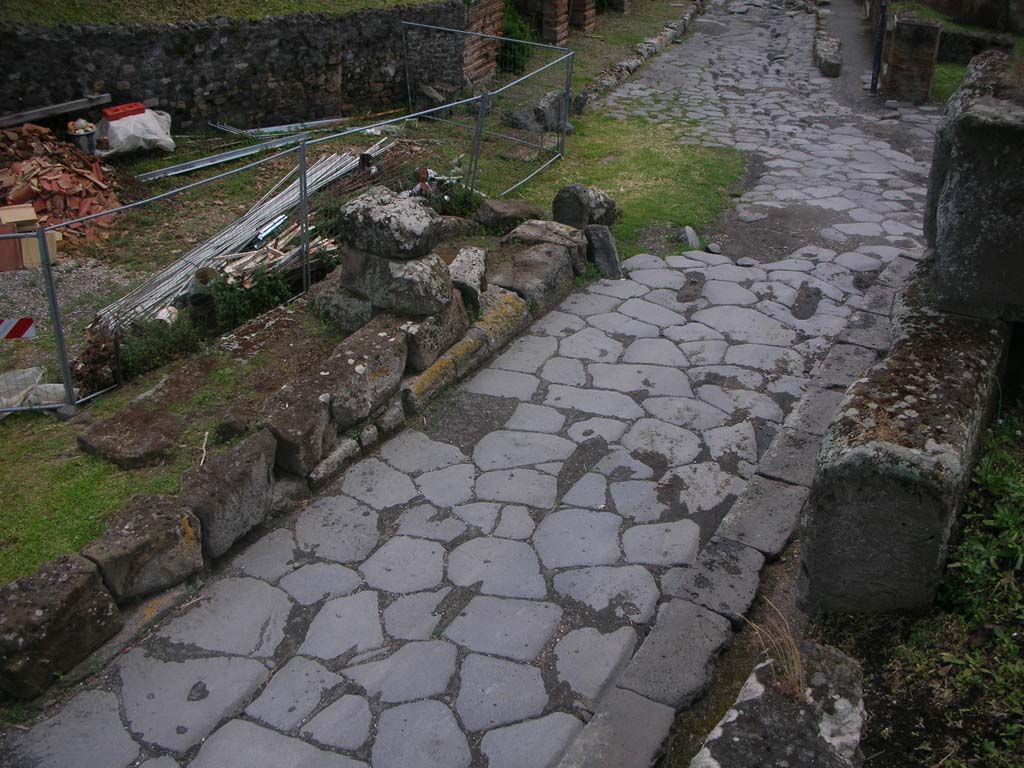
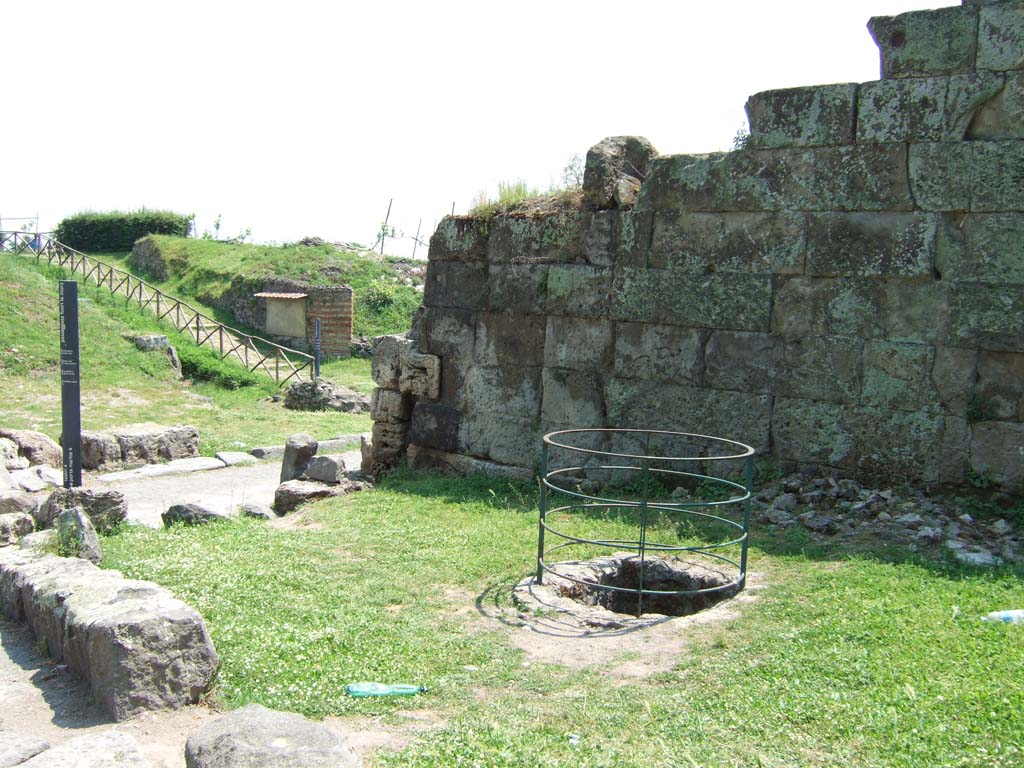
Vesuvian Gate Pompeii. May 2006. Walls and drain on north side of gate, leading to water tower.
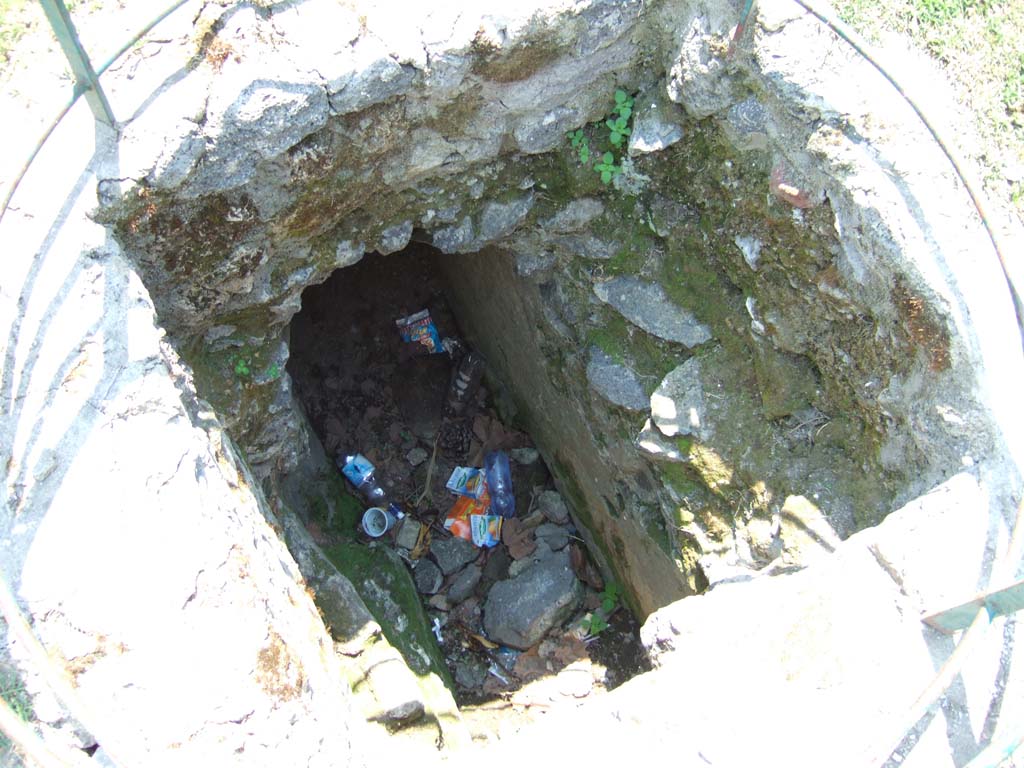
Vesuvian Gate Pompeii. May 2006. Channel leading to water tower on north side of gate.
According to Van der Graaff –
“The Porta Vesuvio witnessed extensive changes when it became the designated site for the arrival of an aqueduct……………………….
The water castellum (distribution tank) on the west flank of the gate is the terminus of a branch of the Serino aqueduct built by Augustus to supply the Roman naval base at Misenum around 35BCE (Note 73), (see Fig. 3.4).
With aqueducts driven by gravity, the Porta Vesuvio lent itself naturally to the task as the highest point in the city.”
See Van der Graaff, I. (2018). The Fortifications of Pompeii and Ancient Italy. Routledge, (p.127-128, Note 73 and Fig. 3.4)
(Note - For information on Castellum Aquae, see Fountains, on this site, VI.15.00).
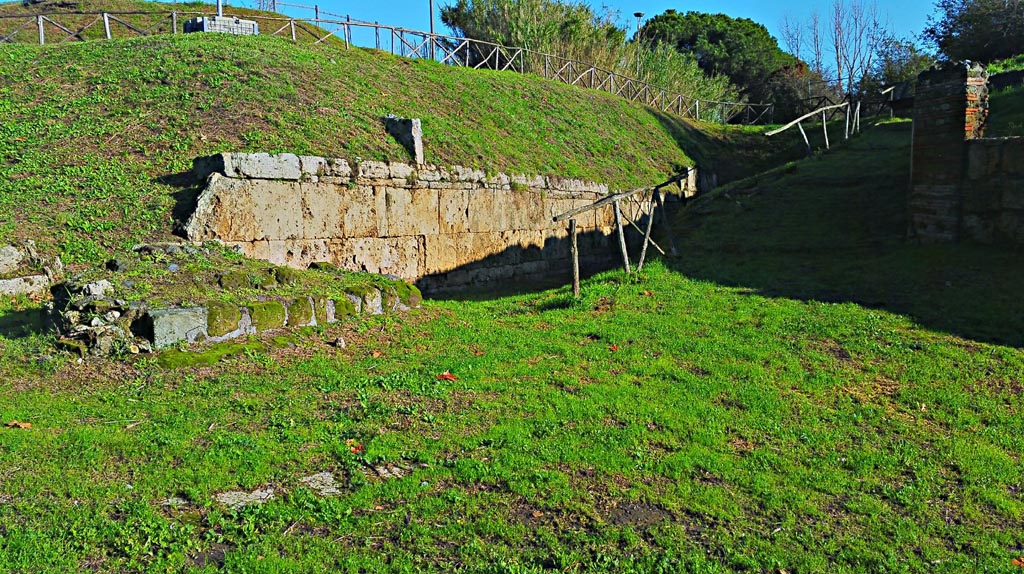
Vesuvian Gate Pompeii. December 2019.
Area of north-east corner of gate and wall on east side.,
looking east. Photo courtesy of
Giuseppe Ciaramella.
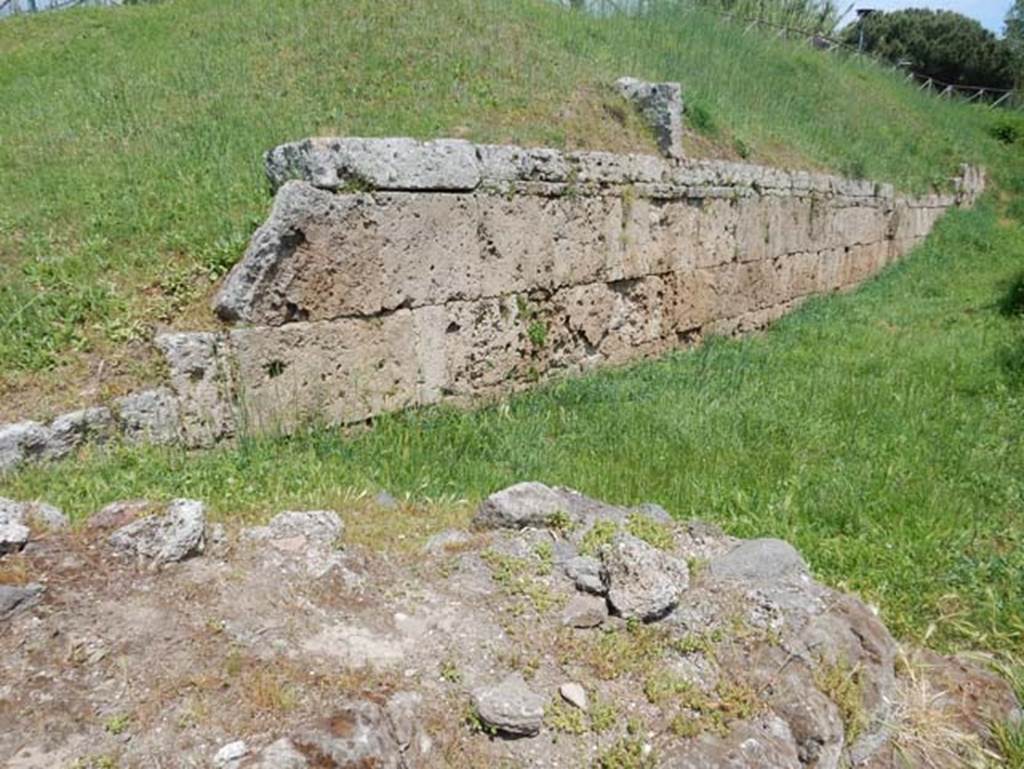
Vesuvian Gate Pompeii. May 2015. Area of north-east corner of gate and wall on east side., looking east. Photo courtesy of Buzz Ferebee.
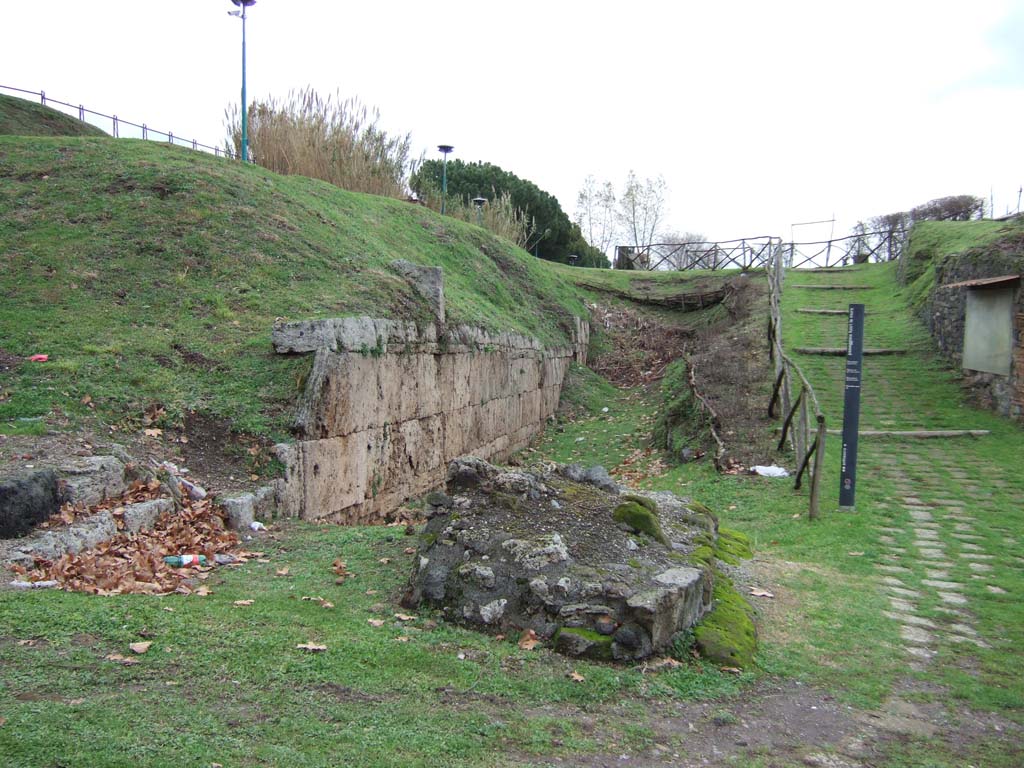
Vesuvian Gate Pompeii. December 2005. Area of north-east corner of gate and wall, looking east.
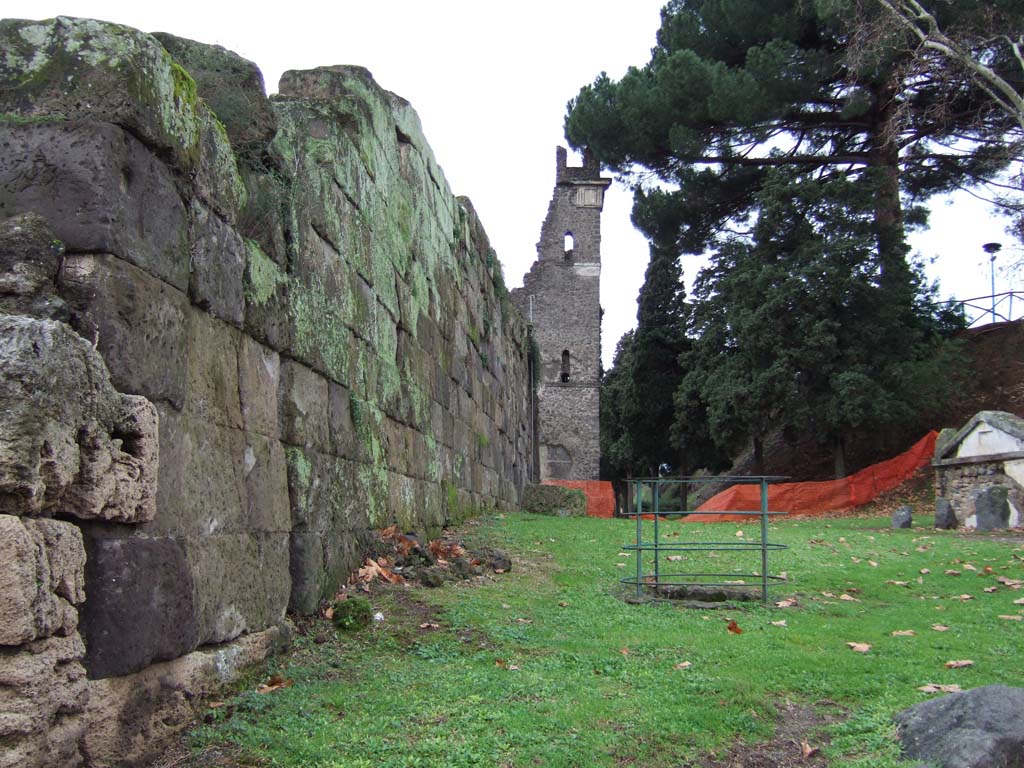
Vesuvian Gate Pompeii. December 2005. Looking west from gate along walls to Tower X.
See Notizie degli Scavi, 1943, (p.275-294),
for article entitled “Isolation
of the wall between the Vesuvian Gate and Herculaneum Gate.”
(Isolamento della cinta murale fra Porta Vesuvio e
Porta Ercolano).
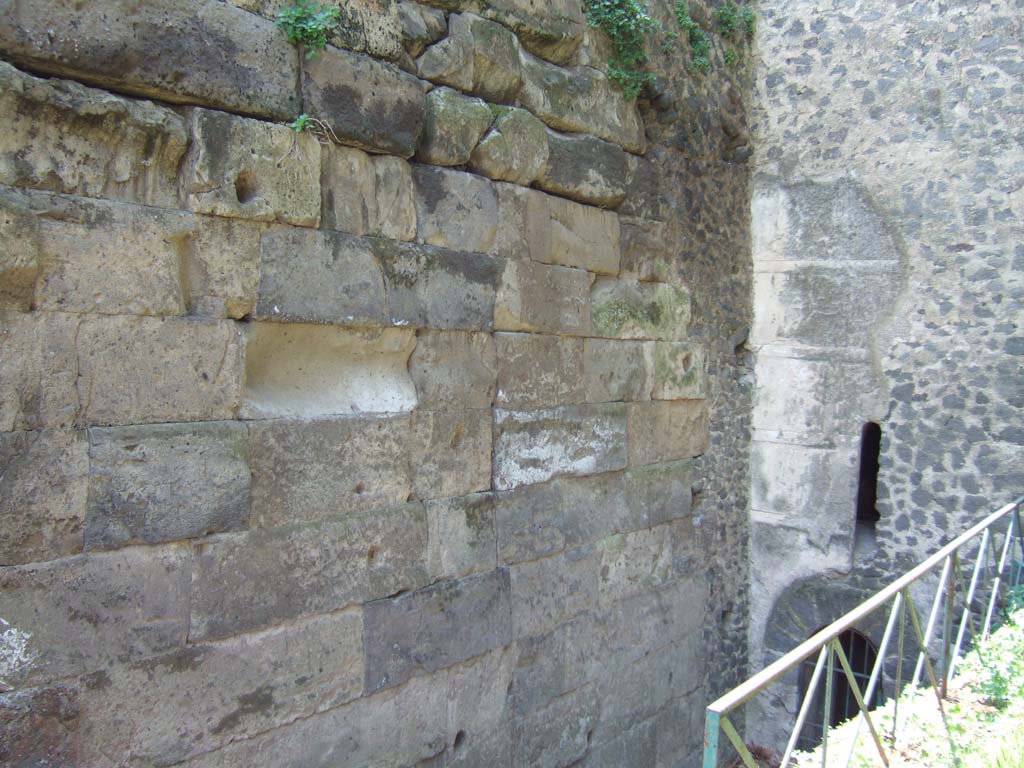
Vesuvian Gate Pompeii. May 2006. Wall to left of Tower X showing impact by war machines used by Sulla.
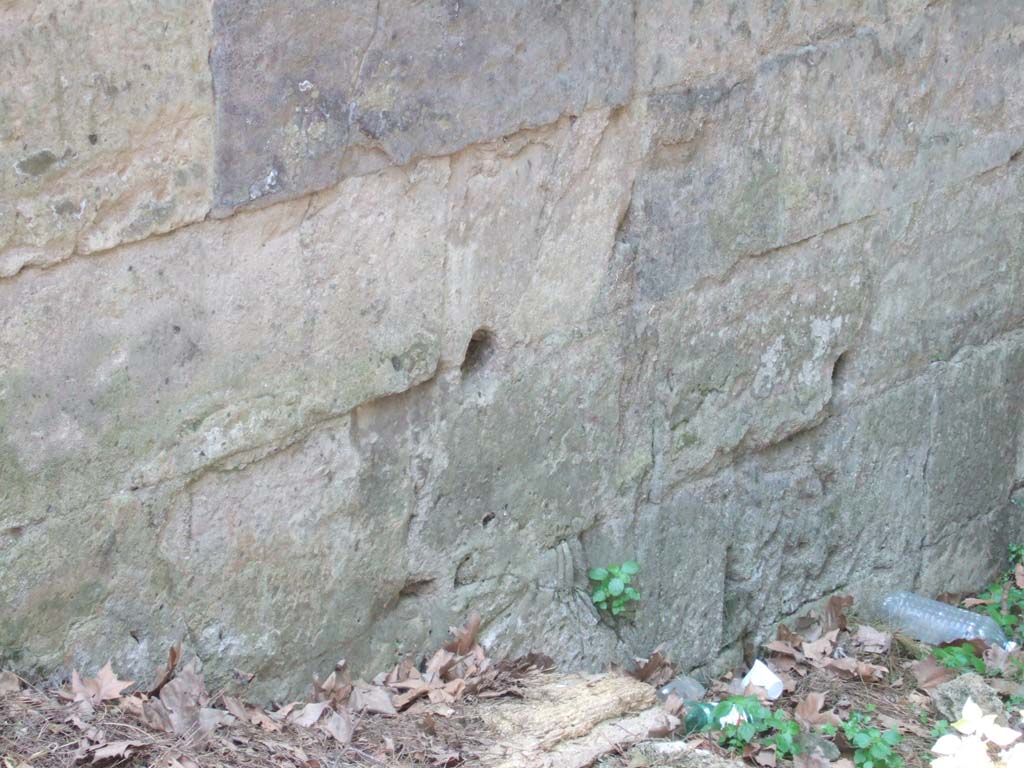
Vesuvian Gate Pompeii. May 2006. Wall to left of Tower X showing impact by war machines used by Sulla.
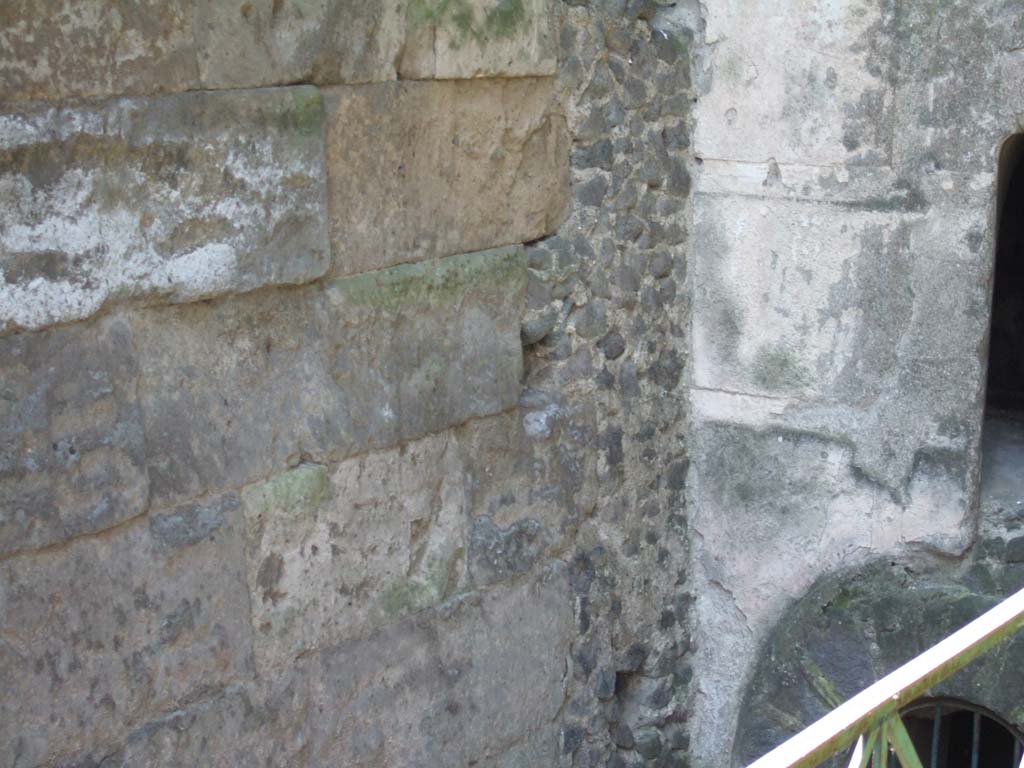
Vesuvian Gate Pompeii. May 2006. Wall to left of Tower X showing impact by war machines used by Sulla.
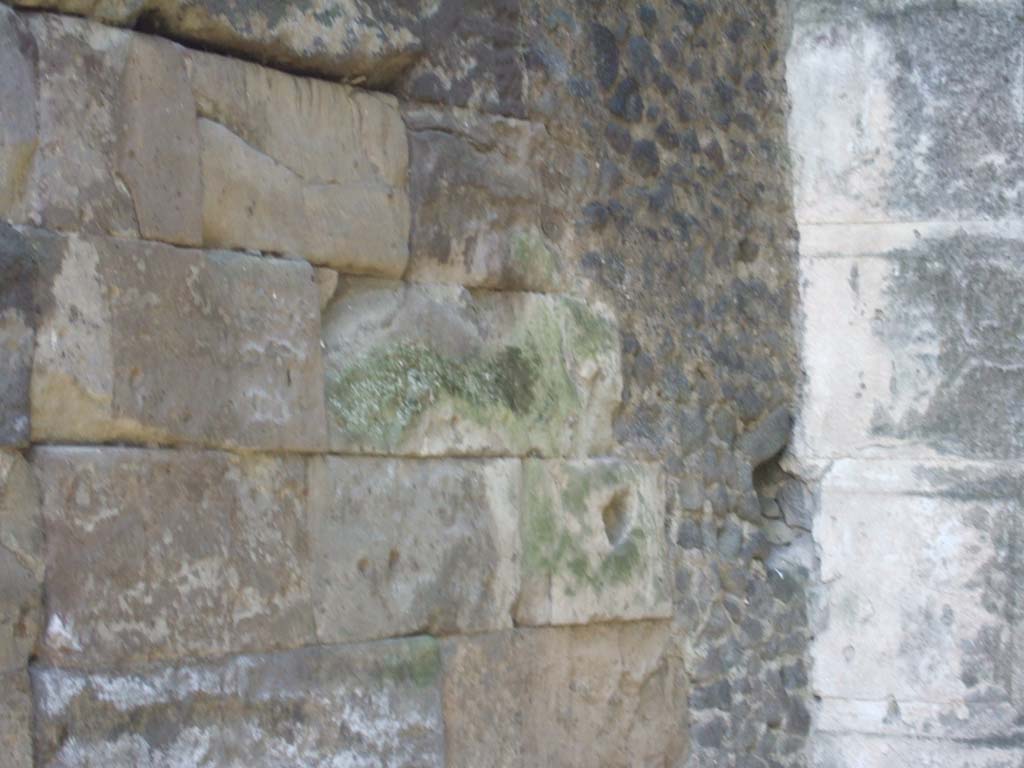
Vesuvian Gate Pompeii. May 2006. Wall to left of Tower X showing impact by war machines used by Sulla.
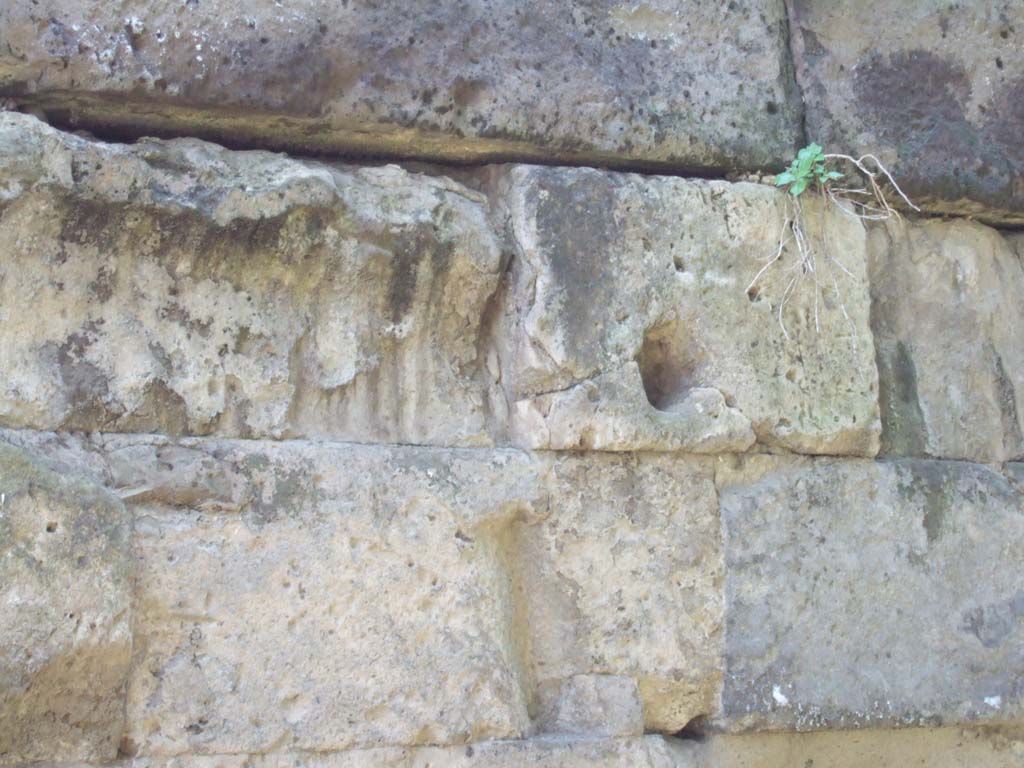
Vesuvian Gate Pompeii. May 2006. Wall to left of Tower X showing impact by war machines used by Sulla.
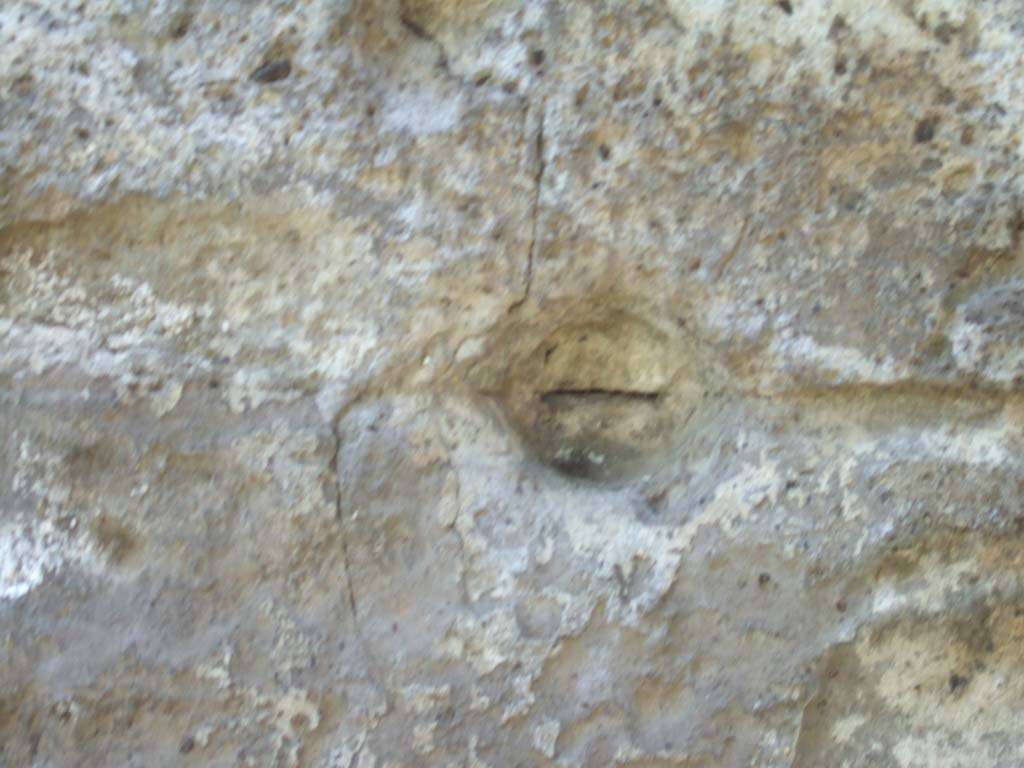
Vesuvian Gate Pompeii. May 2006. Wall to left of Tower X showing impact by war machines used by Sulla.
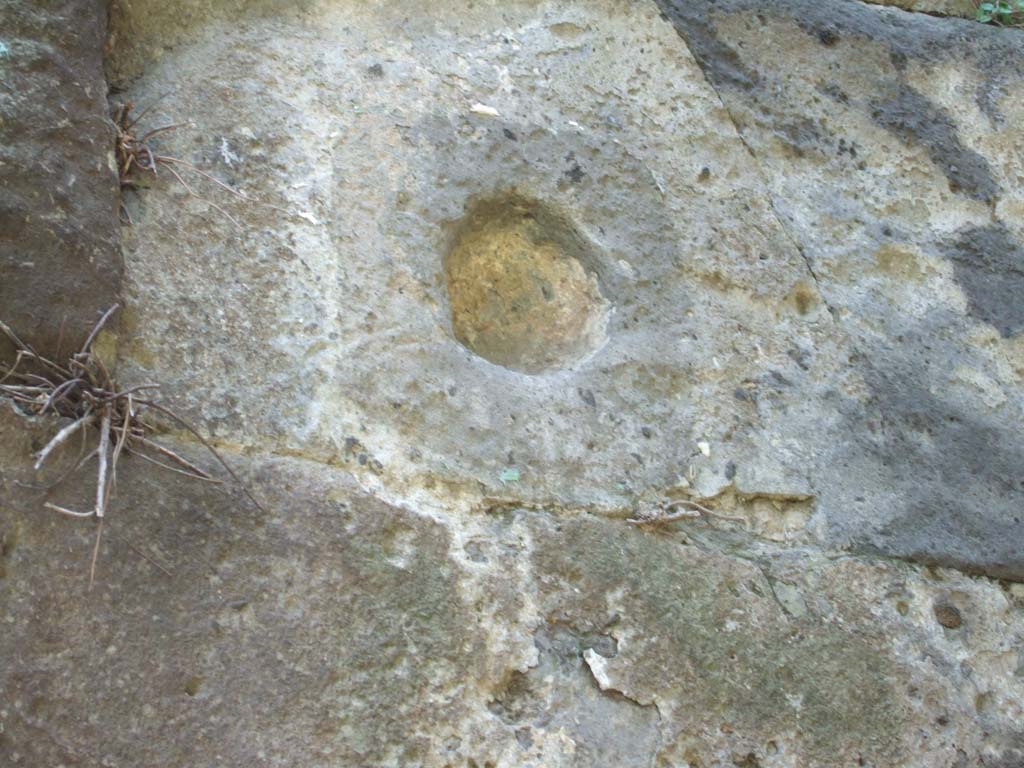
Vesuvian Gate Pompeii. May 2006. Wall to left of Tower X showing impact by war machines used by Sulla.
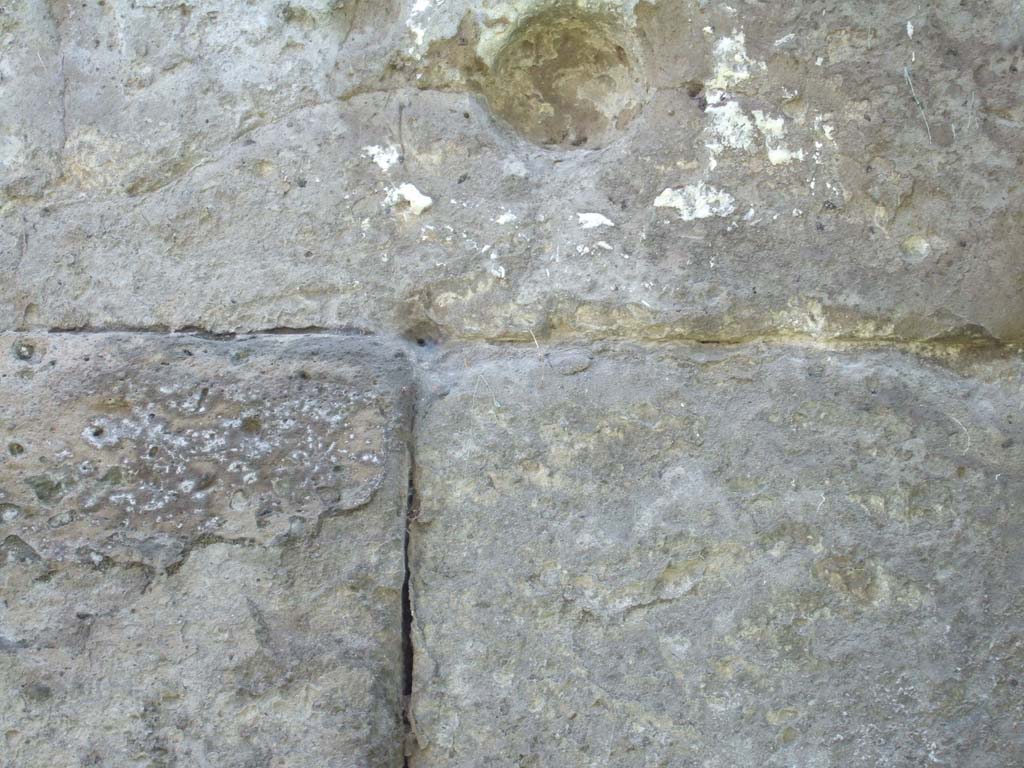
Vesuvian Gate Pompeii. May 2006. Wall at Vesuvian gate showing impact of siege balls used by Sulla.
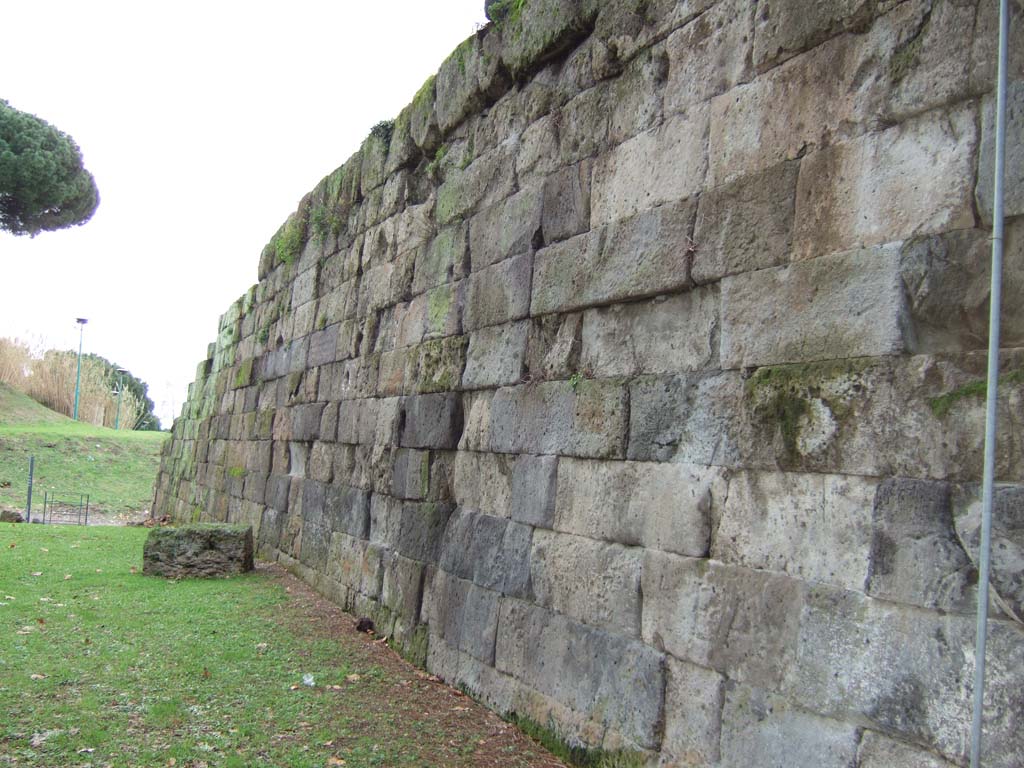
Vesuvian Gate Pompeii. December 2005. Looking east along city walls towards north end of Gate.
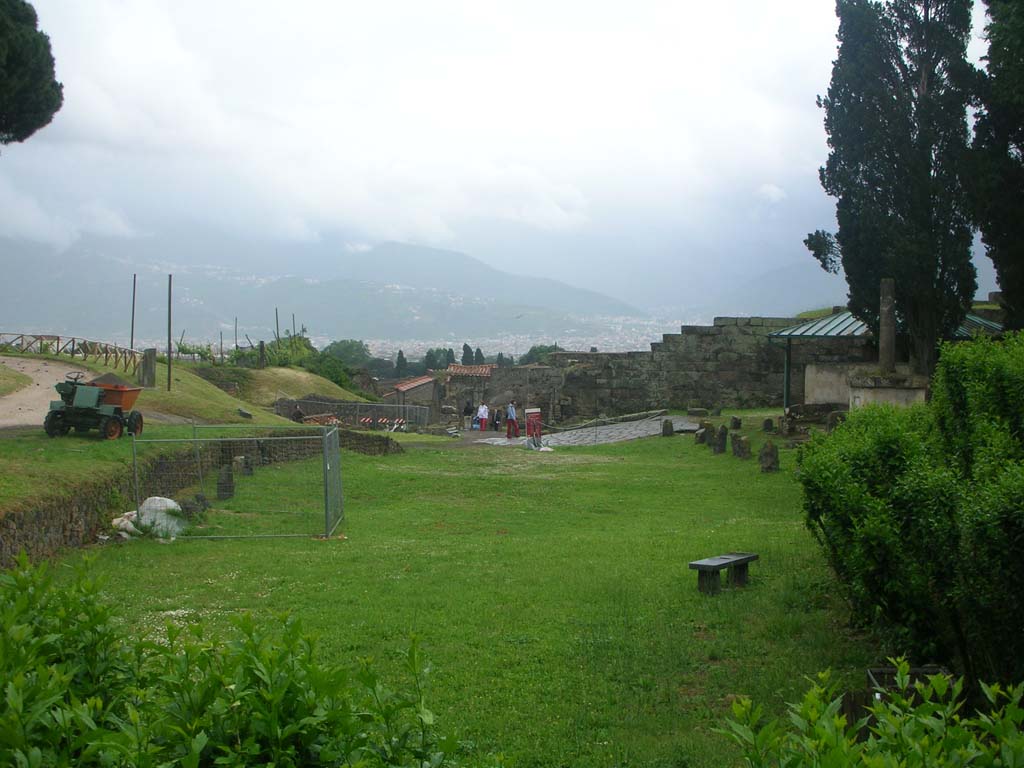
Vesuvian Gate Pompeii. May 2010.
Looking south towards gate, in centre. On the left is the Cippus of Titus Suedius Clemens. Photo courtesy of Ivo van der Graaff.
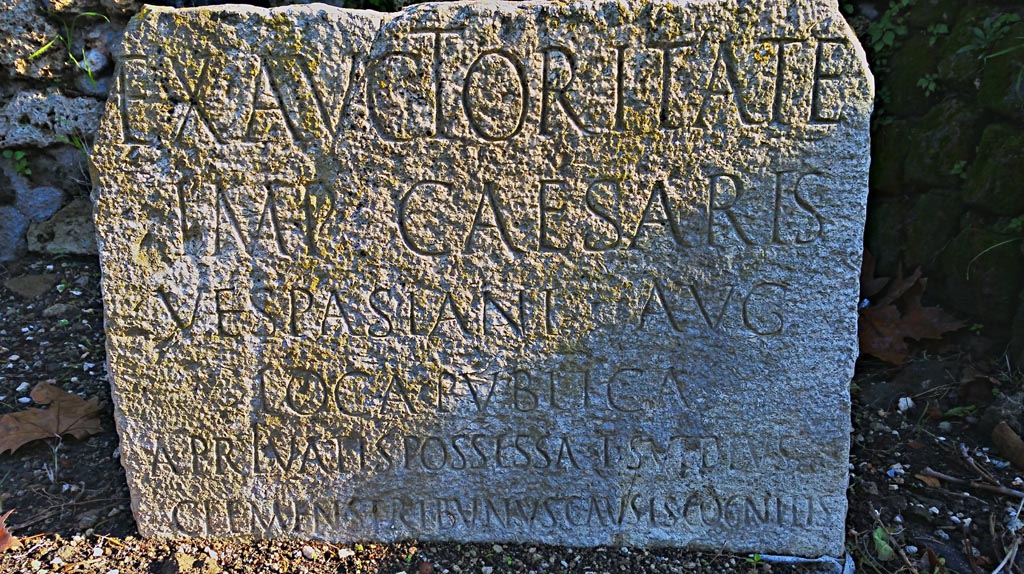
Vesuvian Gate Pompeii. December 2019. VG5 Cippus of Titus Suedius Clemens. Photo courtesy of Giuseppe Ciaramella.
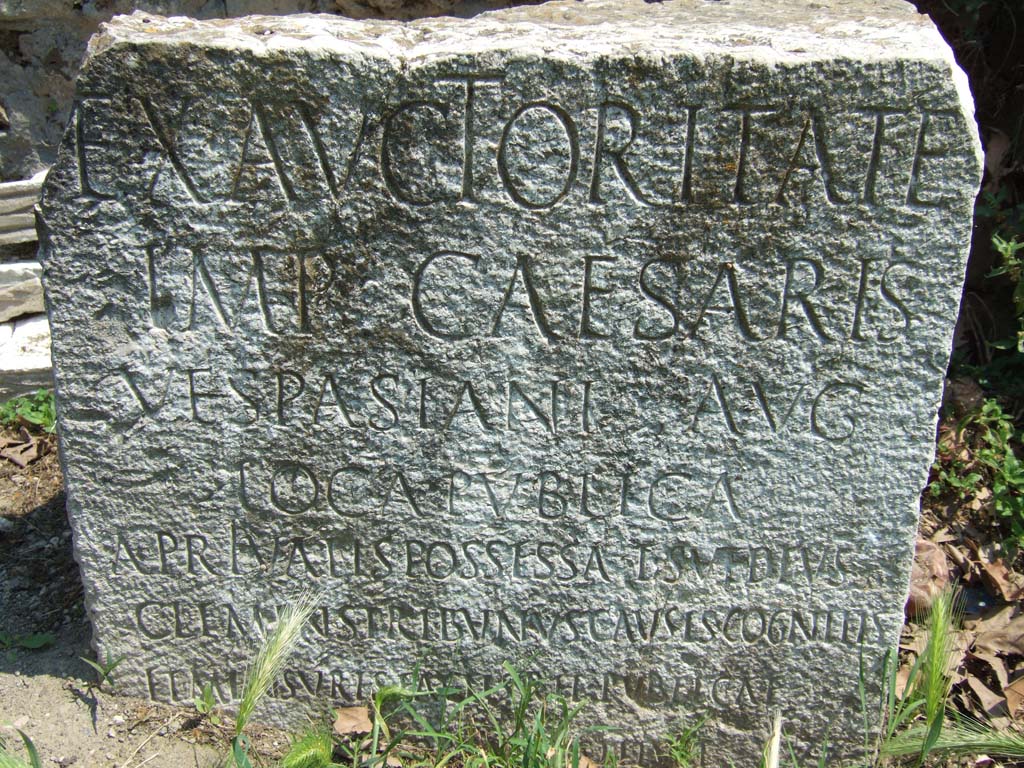
Vesuvian Gate Pompeii. May 2006. VG5 Cippus of Titus Suedius Clemens. The Cippus is inscribed:
Ex auctoritate
imp(eratoris)
Caesaris
Vespasiani
Aug(usti)
loca publica
a privatis
possessa T(itus) Suedius
Clemens tribunus
causis cognitis
et mensuris
factis rei publicae
Pompeianorum
restituit.
By virtue of authority conferred upon him by the Emperor Vespasian Caesar Augustus,
Titus Suedius Clemens, tribune, having investigated the facts and taken measurements,
restored to the citizens of Pompeii public places illegally appropriated by private persons.
Similar Cippi were found at the Porta Ercolano, Porta Marina and the Porta Nocera.
The wording “rei publicae Pompeianorum” on one of these, discovered in 1763, was the first positive identification that the site was Pompeii.
Until then scholars had divided opinions on the city buried under Cività. Many, including the first official excavators, thought it was the ancient city of Stabiae.
See Conticello,
B., Ed, 1990. Rediscovering Pompeii.
Rome: L’Erma di Bretschneider. (p. 225).